
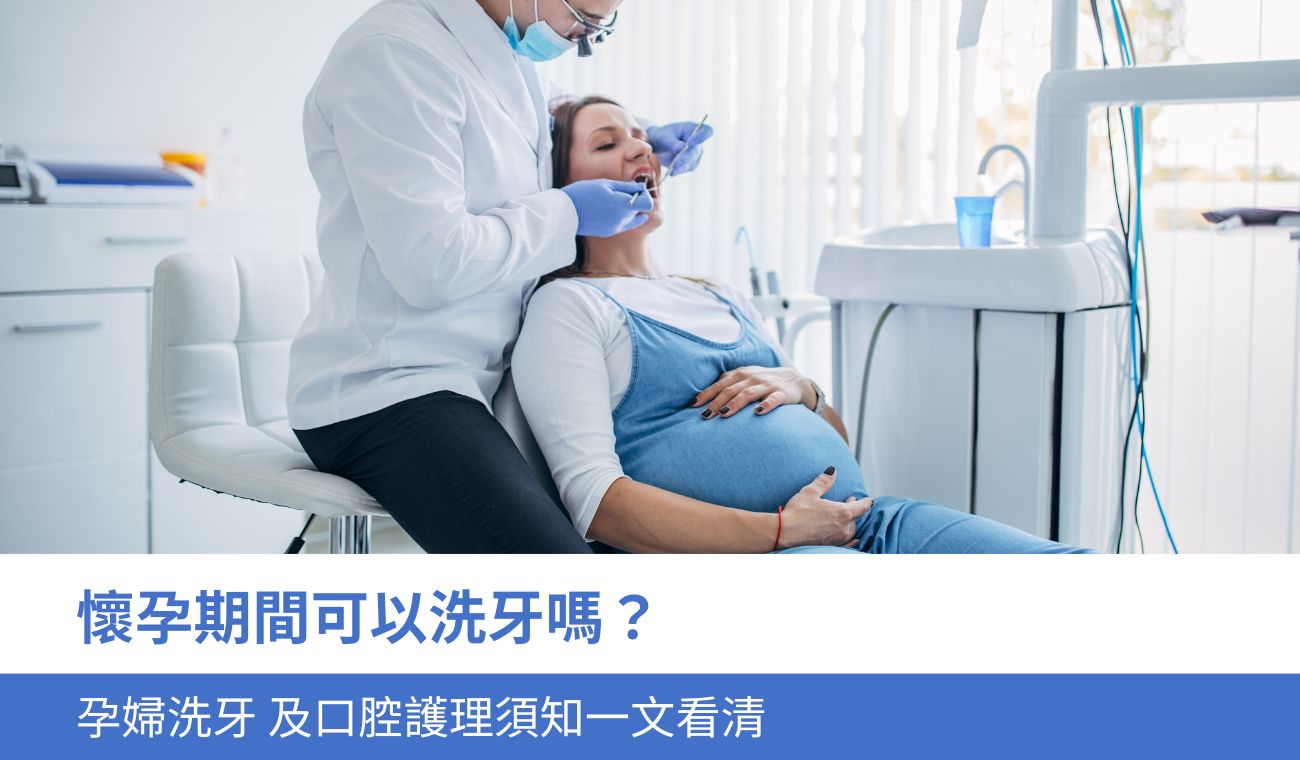
Many things need attention during pregnancy, and expectant mothers may ask whether it is safe to haveTeeth Cleaningduring this time. What should be noted about oral cleaning during pregnancy? This article sets out information and points to note on scaling and polishing and oral care for pregnant women, to help expectant mothers reduce the risk of problems such as tooth decay and swollen gums!
Dental problems and risks that are common during pregnancy
Pregnancy is an important stage of life, but many expectant mothers easily overlook the importance of oral health. In fact, hormonal changes during pregnancy affect the health of the teeth and gums, and even increase the risk of gingivitis, tooth decay and tooth sensitivity.
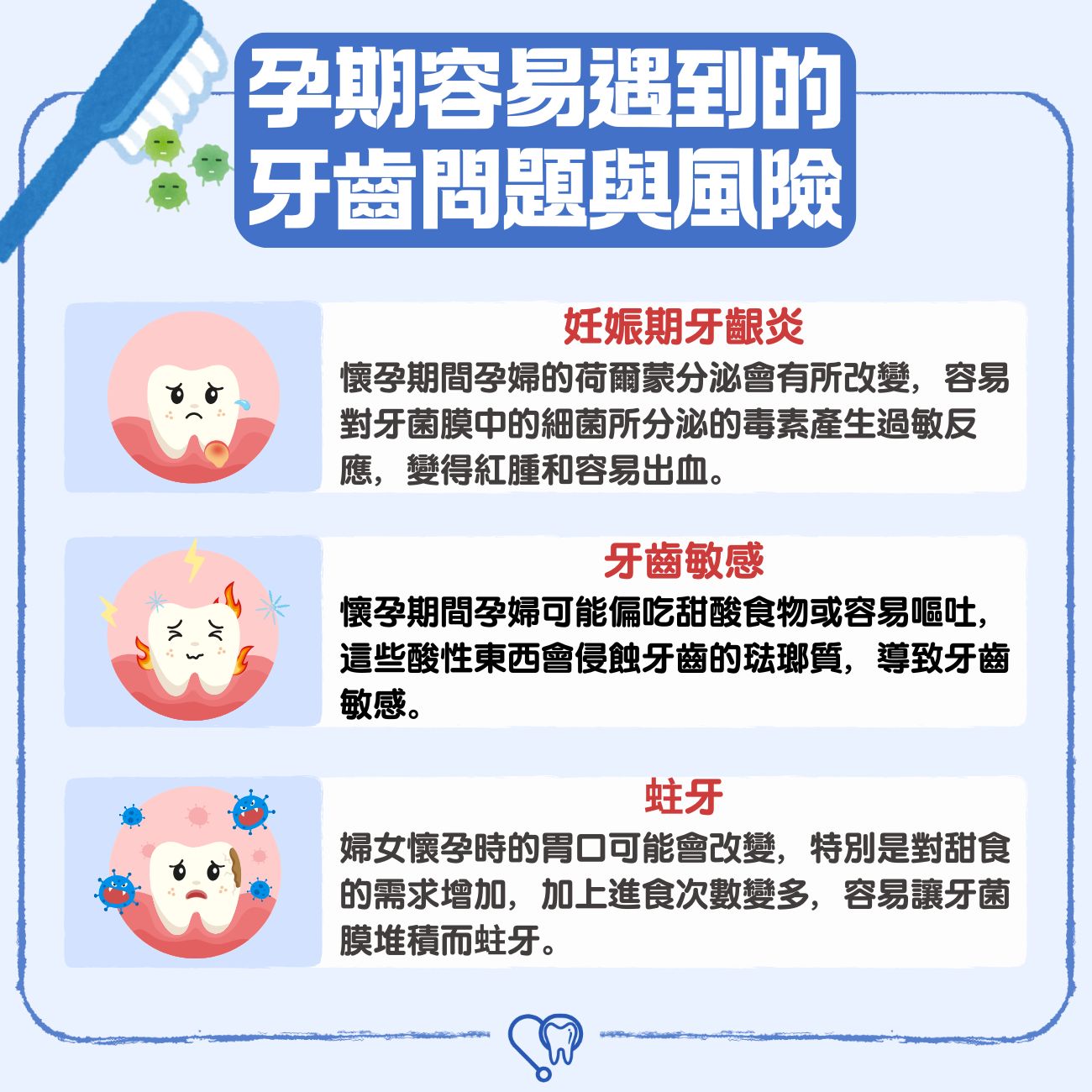
Pregnancy gingivitis
During pregnancy, a pregnant woman's hormone secretion changes (especially oestrogen and progesterone), and she easily develops an allergic reaction to the toxins secreted by the bacteria in plaque biofilm, so that the gums become red, swollen and prone to bleeding. This is known as "pregnancy gingivitis".
Although pregnancy itself does not directly cause gum inflammation, if the mouth is not cleaned thoroughly the inflammation may become worse.
Common symptoms include red, swollen and inflamed gums, gums that bleed easily when brushing or flossing, and bad breath. If not dealt with in time, it may develop further intoperiodontal disease, and may even affect the baby's health.
Tooth Sensitivity
During pregnancy, women may crave sweet and sour foods or vomit easily, and these acidic substances erode the tooth enamel and expose the inner dentine, causing tooth sensitivity.
For example, when eating cold, hot, sweet or sour foods, the teeth have a brief, mild stabbing sensation, or the teeth easily feel uncomfortable when brushing or flossing.
tooth decay
A woman's appetite may change during pregnancy, especially with a greater craving for sweet foods, and together with eating more often, this easily letsplaquebuild up. The acidic stomach fluid from morning sickness also corrodes the enamel, so that the teeth may be more easily attacked by bacteria and decay.
Can I have scaling and polishing when pregnant? Benefits of scaling and polishing for pregnant women
Many expectant mothers worry about whether scaling and polishing will affect the baby's health. In fact, regular scaling and polishing is not only safe but also helps prevent oral disease, helping you keep healthy teeth and gums during pregnancy and protecting the health of mother and baby!
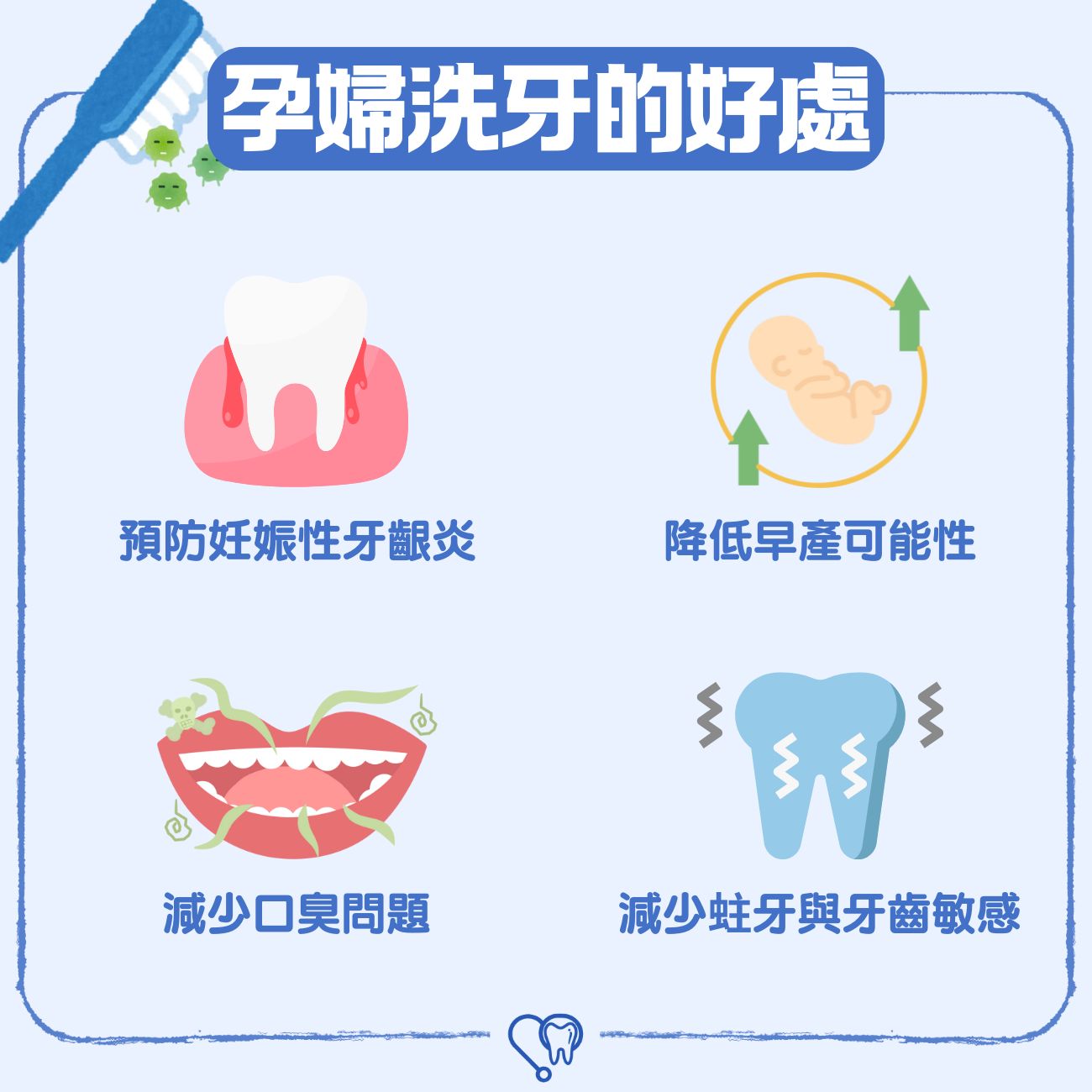
Prevents pregnancy gingivitis
Thorough removal of plaque biofilm and tartar through professional scaling and polishing can effectively reduce the chance of gingivitis and lower the risk of red, swollen and bleeding gums.
Reduces the risk of periodontal disease and lowers the possibility of premature birth
Studies show that severe periodontal disease may be related to premature birth and low birth weight. Maintaining good oral hygiene therefore helps ensure the healthy development of the baby.
Reduces bad breath
Plaque biofilm and tartar are the main source ofbad breath, and scaling and polishing can remove these bacteria and keep the breath fresh, giving mothers more confidence during pregnancy.
Reduces tooth decay and tooth sensitivity
Regular scaling and polishing removes plaque biofilm and tartar, lowering the risk of tooth decay, and also protects the enamel and reduces the discomfort of tooth sensitivity.
Scaling and polishing for pregnant women:3 key points you should know
Besides morning sickness and swelling, many expectant mothers find that their gums become red, swollen and prone to bleeding, and that their teeth even feel particularly sensitive. These conditions are all because hormonal changes during pregnancy affect the gums and make them especially sensitive to bacteria. Let us look at the key points on scaling and polishing for pregnant women:
Scaling and polishing during pregnancy:which month is safest?
The three stages of pregnancy also differ in their effect on scaling and polishing.
In the first trimester (months 1 to 3 of pregnancy), dental treatment should be avoided as far as possible. If there is no serious problem, it is advisable to wait until the second trimester for scaling and polishing, to reduce the effect of morning sickness or discomfort.
The second trimester (months 4 to 6 of pregnancy) is the best time for scaling and polishing,Dental Fillingswhen the placenta is already more stable and pregnant women have less discomfort. It is the stage best suited to oral treatment.
In the third trimester (months 7 to 9 of pregnancy), treatment can be received but attention must be paid to posture, because as the baby grows larger, lying on the back for a long time may compress blood vessels and affect blood circulation. It is advisable to discuss a suitable posture and scaling and polishing method with your dentist first.
Do X-ray examinations and anaesthesia have to be avoided?
Many people become anxious when they hear "X-ray examination" or "anaesthesia", worrying that it will affect the baby. In fact, ordinary scaling and polishing needs neither X-rays nor anaesthesia at all, so there is no need to worry.
If an X-ray is really needed to diagnose tooth decay or periodontal problems, most dental clinics today use low-radiation digital X-rays and provide a lead apron to protect the abdomen, so that the baby is not affected.
If the condition of the teeth is serious and oral treatment is needed, the dentist will also choose a local anaesthetic that is safe for both mother and baby, such as lidocaine. Anaesthetics containing adrenaline should be avoided, however, because they may affect blood pressure and uterine contractions, and the risk is higher for pregnant women.
Gentle cleaning vs deep cleaning
In general, a pregnant woman only needs ordinary gentle cleaning (ultrasonic scaling), which mainly removes plaque biofilm and tartar and reduces the occurrence of gingivitis. This kind of cleaning is a simple procedure and does not affect the baby.
But if periodontal disease is more severe and requiresDeep Cleaning(periodontal treatment), this treatment may need local anaesthesia, because it cleans the bacteria and tartar below the gums. If the dentist recommends this, be sure to discuss it carefully with the dentist to see which approach suits you best.
Oral care during pregnancy
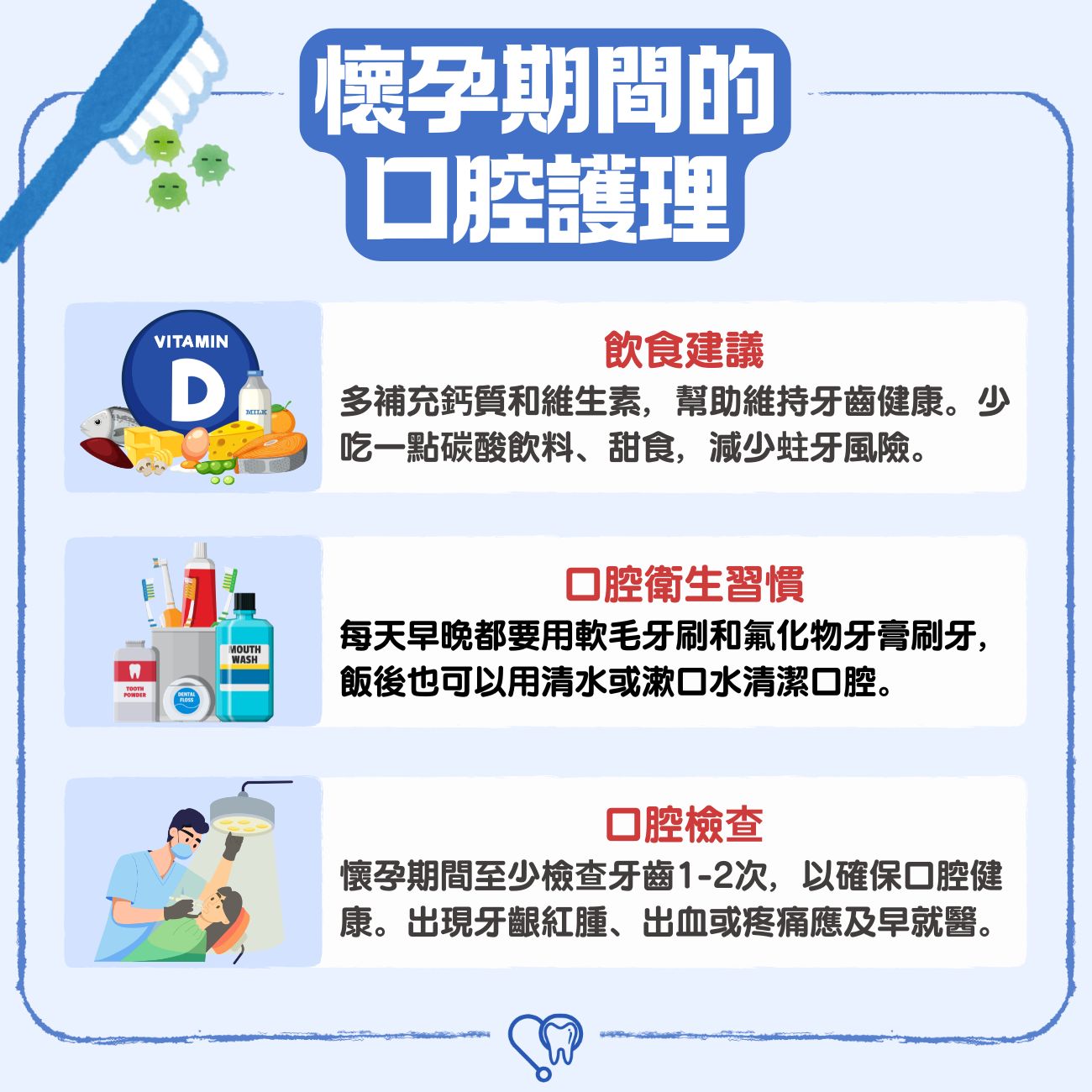
dietary advice
Many pregnant women like to eat sweet or sour foods, but these easily let bacteria multiply, and the chance of tooth decay or tooth sensitivity may increase.
It is advisable to take in more calcium and vitamins, for example milk, cheese, almonds and leafy green vegetables, to help maintain dental health. Eat less sweet food such as fizzy drinks, sweets and cake, to reduce the risk of tooth decay.
oral hygiene habits
Brush every morning and evening with a soft-bristled toothbrush andfluoridetoothpaste, and after meals you can also rinse with water or mouthwash to help clean the mouth.
Dental floss is also very important and helps clean between the teeth and prevent plaque biofilm build-up. If your teeth feel sensitive, you can choose a gentledesensitising toothpasteto reduce discomfort.
Oral Check-up
Dental treatment should be completed before pregnancy, such as root canal treatment,wisdom tooth extractionand so on, laying a good foundation of healthy teeth for the baby about to be born.
Have your teeth checked at least 1-2 times during pregnancy to make sure your oral health is good. If you have red, swollen or bleeding gums, or pain, seek medical attention early, to avoid affecting the health of mother and baby.
FAQ
How can the damage that morning sickness does to the teeth be reduced?
During morning sickness, stomach acid enters the mouth, and over time it slowly erodes the enamel on the tooth surface, making the teeth more sensitive and even increasing the risk of tooth decay.
Many people want to brush their teeth straight after vomiting, but this actually lets the stomach acid wear away the enamel faster. The best way is to rinse first with water or a fluoride mouthwash and wait 30 minutes before brushing, which reduces the damage to the teeth.
Can I take anti-inflammatory drugs or painkillers for toothache during pregnancy?
If the gums are inflamed ortoothacheit is best to consult a doctor first and not take medicine on your own.
If a painkiller is really needed, you can choose paracetamol, which has no effect on the baby when used in appropriate amounts. But medicines such as "ibuprofen", especially late in pregnancy, may affect the baby's development and should be avoided.
As for anti-inflammatory medicines, some antibiotics such as amoxicillin or cephalosporins are generally considered relatively safe for pregnant women, buttetracycline antibioticsaffect the development of the baby's teeth and may cause tooth discolouration, so they must be avoided.
Before taking any medicine during pregnancy, always ask a doctor first, to make sure it will not affect the baby.
Summary
Because of the hormonal changes during pregnancy, the gums become more prone to inflammation and the risk of tooth decay also rises, so regular scaling and polishing is the best way to ensure oral health. As long as you have scaling and polishing at the right time and pay attention to oral hygiene, both you and your baby can stay healthy.
Do not neglect the health of your teeth because of pregnancy. After all, having good teeth lets a mother eat happily, and the baby can also grow up healthier!
Disclaimer
This article is for information only and does not contain any invitation or solicitation. Patients should seek a professional dentist for diagnosis and treatment according to their own circumstances. To find out more or book a service, we recommend contacting the relevant clinic directly. Please choose suitable dental services and clinics carefully yourself.



