

Opens in a new tab
Same-day Scaling and Polishing
Teeth Cleaning

Same-day Scaling and Polishing

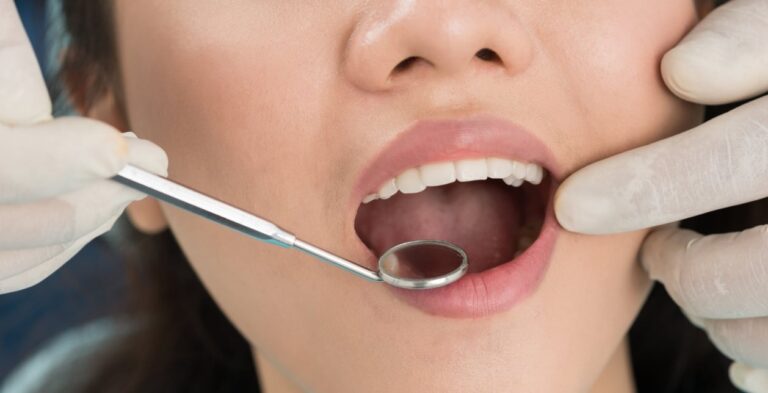
Regular removal of tartar and plaque reduces the chance of periodontal disease and keeps your mouth healthy

  • Ultrasonic + manual cleaning
  • Elderly Health Care Voucher Accepted

Common concerns

  • Plaque between the teeth and along the gum margin is generally hard to remove completely by brushing
  • May be caused by plaque and tartar building up for too long
  • Bacteria irritating the gums, which may mean gum inflammation is already present
  • Scaling and polishing and a check-up once every six months is generally recommended
Teeth Cleaning

Do you need scaling and polishing?

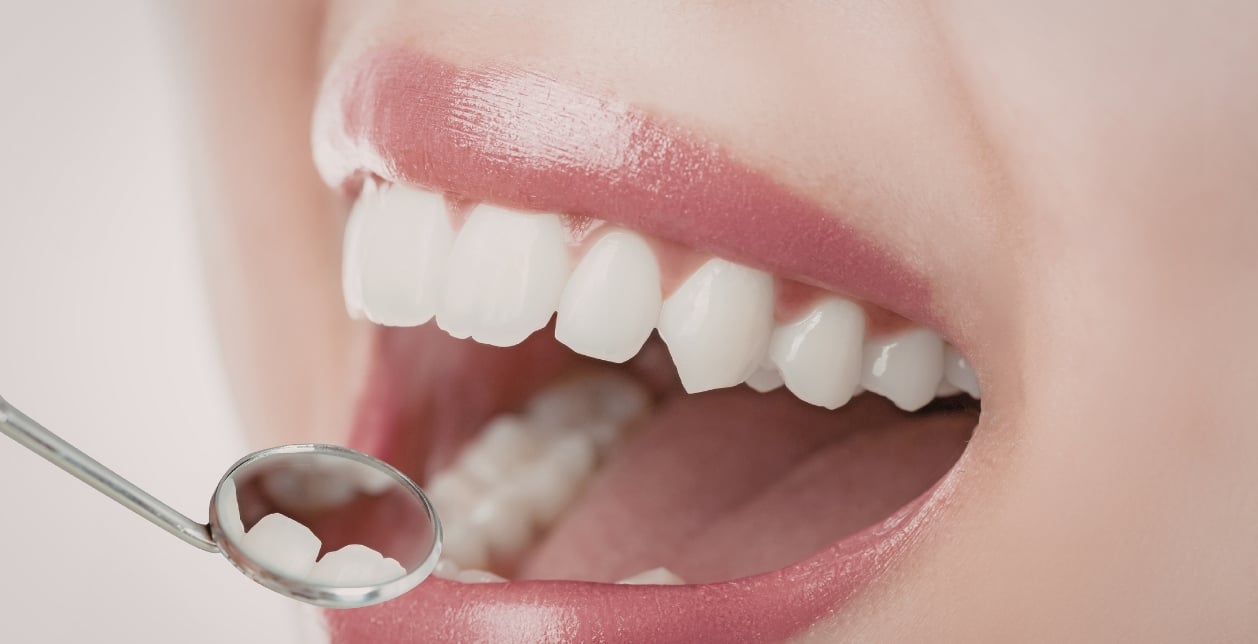
Do you feel you can never brush your teeth clean, that your teeth feel sticky, and that you have a little bad breath? These are very likely signs that plaque and tartar have built up for too long, and it is time for scaling and polishing!
At TruCare Dental, the dentist will first assess the condition of your teeth and gums, and after scaling and polishing give you care advice and daily oral health guidance.

We recommend booking scaling and polishing if you have any of the following

Compare with your recent condition

  • ✓
    Can Never Brush CleanPlaque between the teeth and along the gum margin is generally hard to remove completely by brushing
  • ✓
    Sticky Teeth, Bad BreathMay be caused by plaque and tartar building up for too long
  • ✓
    Red, Swollen Gums, Bleeding When BrushingBacteria irritating the gums, which may mean gum inflammation is already present
  • ✓
    Over Six Months Since Last Scaling and PolishingScaling and polishing and a check-up once every six months is generally recommended
  • ✓
    Smoking or Periodontal DiseaseTartar builds up more easily; scaling and polishing once every 3–4 months is recommended
The dentist examines you before scaling and polishing; same-day appointments availableBook Now
Same-day Scaling and Polishing
3–4 monthsRecommended for those who build up tartar easily
Why Regular Cleaning

Why is regular scaling and polishing needed?

Ordinary brushing cannot remove plaque completely, especially along the gum margin and between the teeth, where it easily builds up into tartar. Once tartar has formed, it cannot be removed by daily cleaning and must be dealt with by professional scaling and polishing.
If tartar build-up is ignored for a long time, bacteria irritate the gums and cause gingivitis, which may develop further into periodontal disease, leading to gum recession and loose teeth.

Fresher BreathPrevent Periodontal DiseaseMore Attractive Teeth
Process

The 6 Steps of Scaling and Polishing

  1. 01

    Assess Your Teeth

    We check the health of your teeth and gums and see whether there is tartar build-up and periodontal problems.

  2. 02

    Plaque Disclosing Check

    A disclosing solution shows where plaque is distributed, so we can see the areas that are hard to clean and strengthen oral health education.

  3. 03

    Ultrasonic Scaling

    Ultrasonic vibrating instruments are used to remove tartar and plaque quickly.

  4. 04

    Manual Touch-up Cleaning

    Fine manual scaling is carried out in the gaps between teeth and in detailed areas.

  5. 05

    Gum Care

    There may be some bleeding during scaling and polishing; the dentist will help rinse and stop the bleeding and check that you are recovering.

  6. 06

    Oral Health Advice

    We explain correct brushing and flossing so that the cleaning results last longer.

Teeth Cleaning

Does Not Wear Down Your Teeth

Ultrasonic vibration + fine manual scaling, without harming tooth structure

Does scaling and polishing hurt? How often should it be done?

Will it harm my teeth?No. Professional scaling and polishing does not harm tooth structure, and instead helps protect the gums and prevent periodontal disease.
Will it hurt or cause bleeding?If the gums are already inflamed or there is a lot of tartar, the first scaling and polishing may cause brief sensitivity or bleeding, which usually improves once the gums have recovered.
How often?Generally once every six months; if you build up tartar easily, smoke or have periodontal disease, every 3–4 months is recommended.
Elderly Health Care Voucher Accepted
Available Same Day
TruCare Dental clinic interior
Central Dental Clinic
FAQ

Scaling and Polishing FAQ

If the gums are already inflamed or there is a lot of tartar, the first scaling and polishing may cause brief sensitivity or bleeding, but this usually improves once the gums have recovered, so there is no need to worry too much.

No. Professional scaling and polishing uses ultrasonic vibration and fine manual scaling, which does not harm tooth structure, and instead helps protect the gums and prevent periodontal disease.

Scaling and polishing once every six months is generally recommended; if tartar builds up easily, you smoke or you have periodontal disease, scaling and polishing and a check-up every three to four months is recommended.

There may be some bleeding during scaling and polishing; the dentist will help rinse and stop the bleeding and check that you are recovering.

Yes. The Elderly Health Care Voucher is accepted at all 5 TruCare Dental clinics.

Yes. Ordinary brushing cannot remove plaque completely, especially along the gum margin and between the teeth, where it easily builds up into tartar; once tartar has formed, it cannot be removed by daily cleaning and must be dealt with by professional scaling and polishing.

You can book a consultation via WhatsApp, or call the free consultation hotline +852 6414 6847.

Yes, but it depends on the situation. If the swelling and pain are only mild, scaling can help reduce the inflammation; if the swelling is severe or there is an abscess, the dentist will bring the infection under control first before treating it.

Booking

Book TruCare Dental

Monday–Sunday 10:00 am – 8:00 pm · Open on public holidays

Find Us

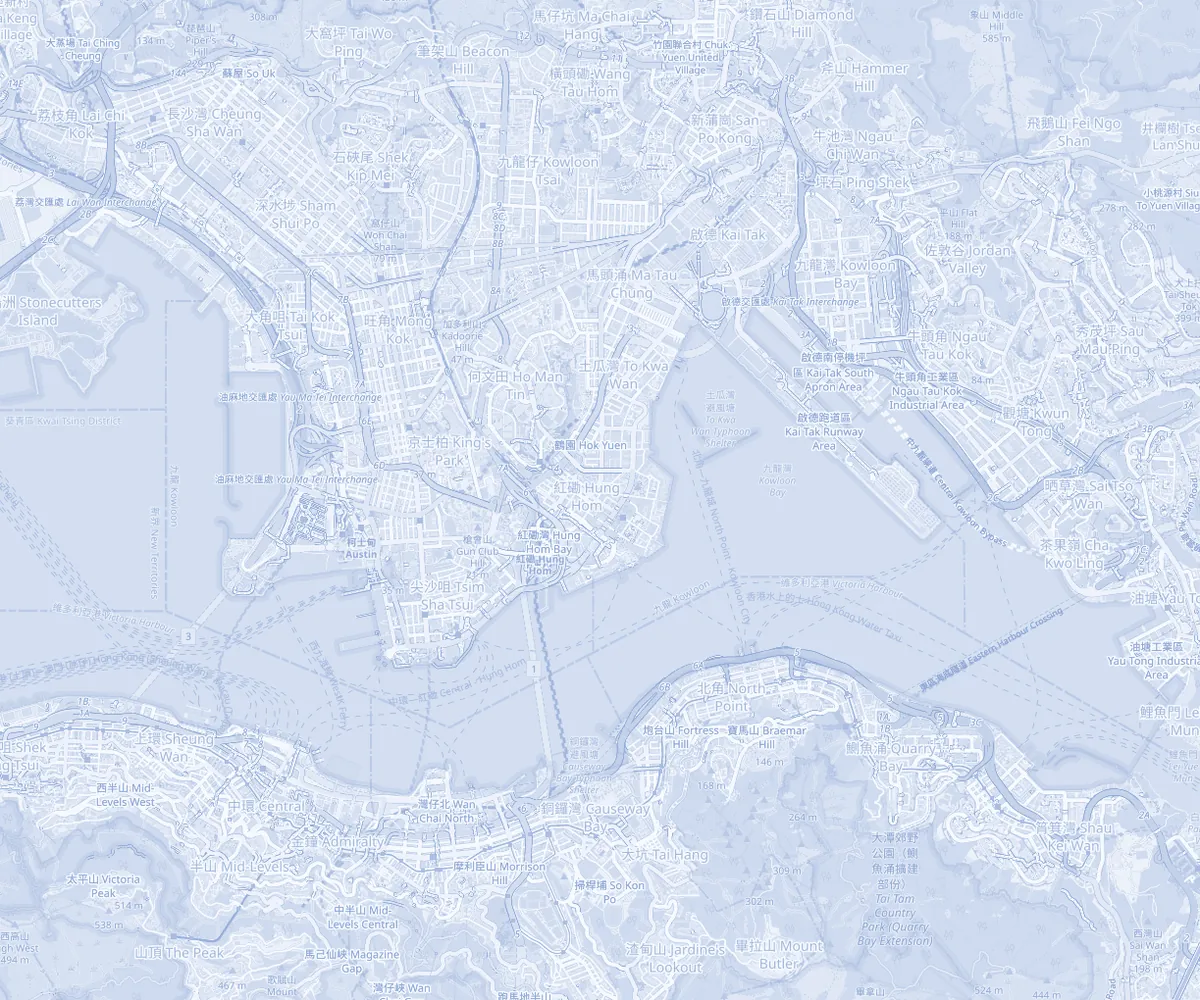
Scaling and polishing can be booked at all 5 clinics

Click a clinic on the map to see its address and how to book.

Map of TruCare Dental's 5 clinics (open in Google Maps)
Map data © OpenStreetMap contributors