
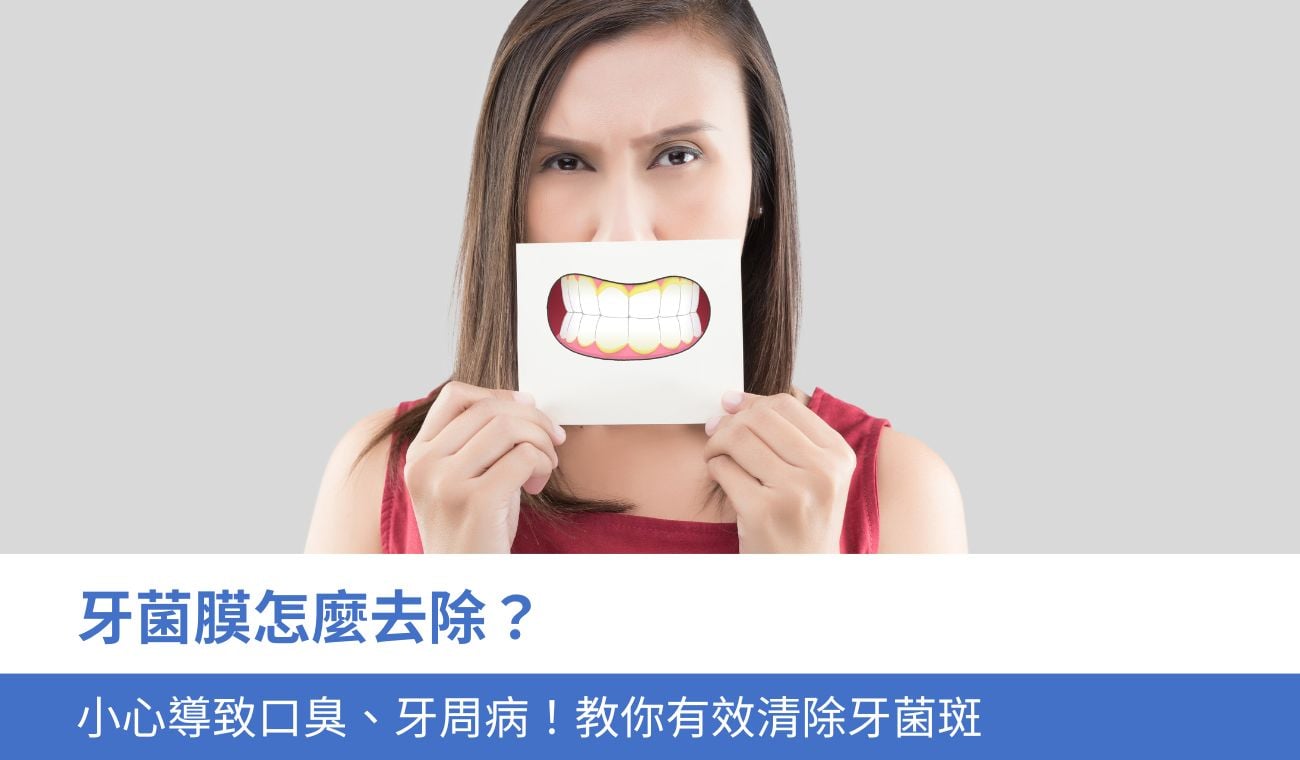
If you do not brush your teeth clean, plaque biofilm may build up and may lead toperiodontal disease,,tooth decayand bad breath. This article sets out information about plaque to help you avoid tartar build-up, remove plaque biofilm effectively and keep your mouth healthy!
What is plaque?
Plaque is a biofilm made up of tiny bacteria. These bacteria stick to the tooth surface and keep forming, and work closely together to ensure each other's survival.
As a sticky layer of biofilm, plaque is hard to remove by ordinary brushing. This biofilm is made up of more than 700 species of oral bacteria, and some of them can turn the carbohydrates in food into acid, which erodes the tooth enamel and leads to gum problems of varying degrees.
plaqueCauses and effects of plaque
Plaque forms mainly because of poor oral hygiene habits. When daily oral cleaning is not done well, food debris, shed oral epithelial cells, saliva and bacteria accumulate on the surfaces of the teeth and gums and form plaque.
The presence of plaque attracts more bacteria to attach and multiply. If it is not cleaned regularly, the types of bacteria become more complex and do greater harm to the gums and teeth.
More than 300 species of bacteria are present in the mouth. When bacteria gather on the tooth surface, they damage the teeth and release toxins, leading togum inflammationand possibly even tooth decay or periodontal disease.
What does plaque look like?
In its early stage, plaque is a sticky, colourless or white thin layer. If it is not removed in time, it slowly thickens and hardens intotartar, and its colour turns light yellow or brown. It usually accumulates easily between the teeth, in the gum crevice at the gum margin, at the base of fixeddenturesrestorations (such as Dental Implants,Dental Bridge), on removable dentures and on orthodontic appliances.
Harm caused by plaque biofilm
Plaque biofilm is a colourless film of bacteria that easily grows on the tooth surface and, over time, causes a variety of oral problems.
tooth decay
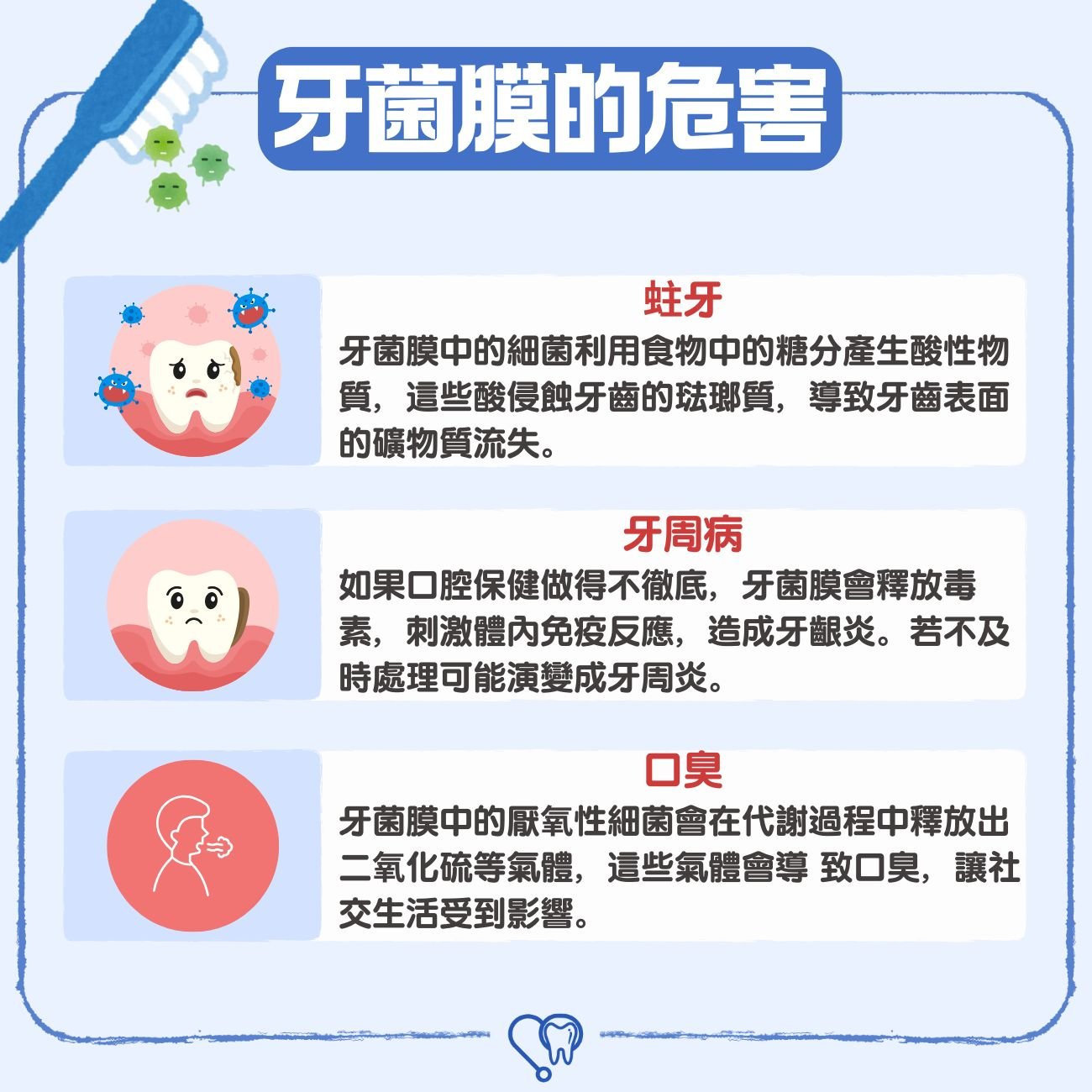
Tooth decay is one of the most common effects of plaque biofilm. The bacteria in plaque biofilm use the sugars in food to produce acidic substances, and these acids erode the tooth enamel, causing loss of minerals from the tooth surface and eventually tooth decay.
periodontal disease
Plaque biofilm is also the main culprit behind periodontal disease. If oral care is not thorough, plaque biofilm releases toxins that stimulate the body's immune response and cause gingivitis, which in mild form shows as red, swollen gums,gum recession, and teeth that look longer.
If it is not dealt with promptly, gingivitis may develop into periodontitis (severe periodontal disease), further affecting the health of the bone and tissues that support the teeth.
bad breath
Bad breath is another problem caused by plaque biofilm. The anaerobic bacteria in plaque biofilm release gases such as sulphur dioxide during metabolism, and these gases cause bad breath and affect social life.
How to remove plaque?
Although some bacteria are always present in our mouths, the key is to clear these colonies promptly and prevent the bacteria from multiplying and causing harm. To prevent and remove plaque biofilm effectively, the following steps can be taken:

Brush regularly
Brushing morning and evening is the foundation of keeping the mouth healthy.
Use at least twice a dayfluoride toothpastefor brushing, paying particular attention to the gum line, the cheek side of the molars and the tongue side of the front teeth. Each brushing session should last at least two minutes, to ensure thorough cleaning.
use dental floss
usedental flossor interdental brushis an effective way to clean the sides of the teeth, because these places are hard to reach with a toothbrush. Using antibacterialmouthwashto rinse after brushing can also further inhibit the growth of plaque.
Regular Check-ups
Regular dental check-ups, and removing plaque and tartar through professional scaling and polishing, are an indispensable part of this. A professional dentist can spot problems in good time and provide targeted solutions.
FAQ
plaqueCan plaque be brushed off?
Plaque can be brushed off, and removing it is not difficult. The most effective way is to develop the oral care habit of brushing every day.
Note, however, that some parents instil in their children the idea that "the harder you brush, the cleaner it gets". This is actually incorrect. As long as you use a soft-bristled toothbrush orelectric toothbrushand brush gently, you can remove the plaque attached to the teeth. Brushing too hard, on the contrary, easily damages the gums and causes gum recession.
Why does tartar smell so bad?
Tartar is formed by the long-term mixing and build-up of food debris, bacteria and saliva, like a small rubbish dump inside the mouth.
Built-up tartar damages the gums and periodontal tissues and causes acute or chronic periodontitis. Under long-term corrosion and fermentation, an enzyme is broken down and carbon dioxide gas is formed, which is given off together with the breath exhaled from the mouth with a particular odour. This is the cause of bad breath.
Summary
To prevent plaque from forming effectively, you need to combine correct brushing habits with dental floss and mouthwash. Regular dental check-ups and professional cleaning are also important. They not only protect the teeth but can also greatly reduce the risk of all kinds of oral disease. Of course, if you notice any warning signs when brushing, such as bleeding while brushing, please consult a dentist as soon as possible.
Disclaimer
This article is for information only and does not contain any invitation or solicitation. Patients should seek a professional dentist for diagnosis and treatment according to their own circumstances. To find out more or book a service, we recommend contacting the relevant clinic directly. Please choose suitable dental services and clinics carefully yourself.



