

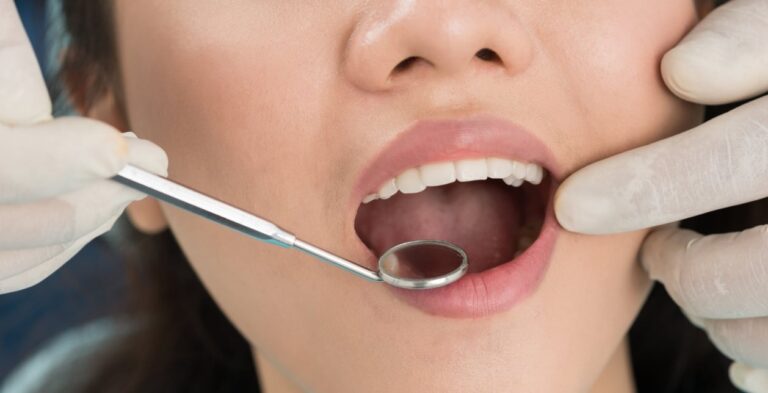
General Dentistry
General DentistryFrom routine check-ups to basic treatment, comprehensive protection for your oral health
Prevention FirstRegular MonitoringPersonalised Advice

Improves bleeding gums, bad breath and loose teeth
Common concerns
Do you have bleeding gums, discomfort when brushing, or bad breath? These may not be simple cleaning issues, but early warning signs of periodontal disease.
Compare with your recent condition

Periodontal disease is a chronic inflammatory oral disease. Early symptoms are mild and often overlooked. The most common early signs are bleeding, redness and discomfort of the gums, known as "gingivitis", which can develop into "periodontitis" if left untreated.
We check whether the gums are red, swollen or bleeding or the teeth are loose, and learn about your cleaning habits
A full-mouth X-ray image is used to examine the health of the gums and jawbone
A periodontal probe is used to measure the depth of the periodontal pockets and to stage the periodontal disease
Deep cleaning of plaque and tartar on the tooth surfaces and beneath the gum line
We regularly check how the gums are recovering, and arrange more advanced treatment if needed
We give toothbrushing techniques and care advice, and arrange regular scaling and polishing
Periodontal TreatmentPeriodontal Treatment
Improves bleeding gums, bad breath and loose teeth
Bleeding, redness and discomfort of the gums are known as "gingivitis". In the early stage there is almost no obvious pain.
It may lead to gum recession, loose teeth and even tooth loss.
Deep cleaning / scaling and root planing, periodontal flap surgery and periodontal regeneration surgery, tailored to each patient's condition.
Most treatment can be carried out under local anaesthesia, so the treatment itself is not painful. It is more common to have slight soreness and discomfort in the gums for a few days afterwards, which is usually tolerable.
Initial treatment is usually scheduled intensively over a short period, about once every 1 to 2 weeks. Once the periodontium is stable, follow-up visits every 3 to 6 months are recommended during the maintenance phase, adjusted by the dentist according to your condition.
Bacteria associated with periodontal disease can pass from person to person through saliva, for example by sharing utensils or toothbrushes. Whether it develops into periodontal disease also depends on factors such as personal oral hygiene, smoking and individual susceptibility. Family members are advised to avoid sharing toothbrushes and other oral care items.
Periodontal disease does not always lead to tooth loss. The gingivitis stage can be reversed. For periodontitis, if treatment is received before bone loss becomes severe and maintenance is continued, most teeth can still be kept. Tooth loss usually occurs in the advanced stage, when a large amount of bone has already been lost.
In a broad sense, periodontal disease includes the two stages of gingivitis and periodontitis. Gingivitis is the early stage of periodontal disease, mainly red, swollen and inflamed gums, but deeper tissues have not yet been damaged. Periodontitis is a further development, where the structures supporting the teeth have begun to be affected.
From routine check-ups to basic treatment, comprehensive protection for your oral health
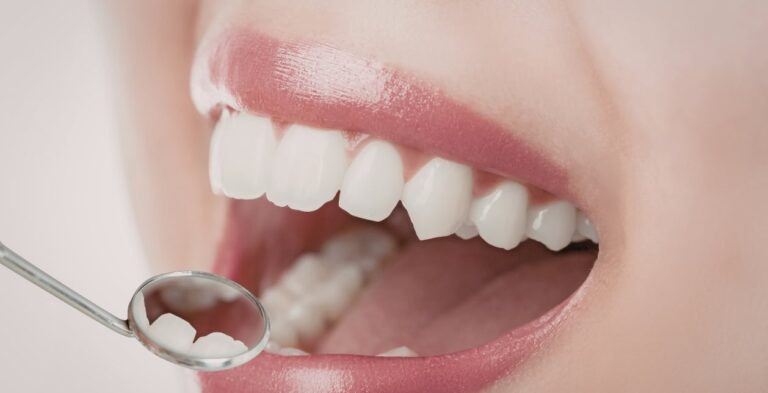
Regular removal of tartar and plaque reduces the chance of periodontal disease and keeps your mouth healthy
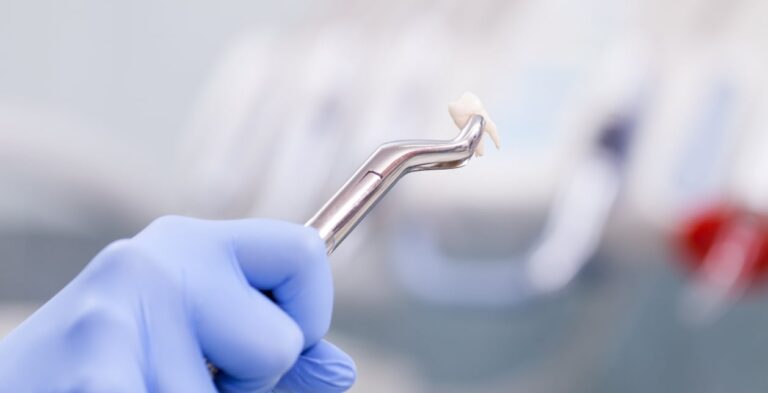
Severe tooth decay, infection and pain: find out whether extraction is needed
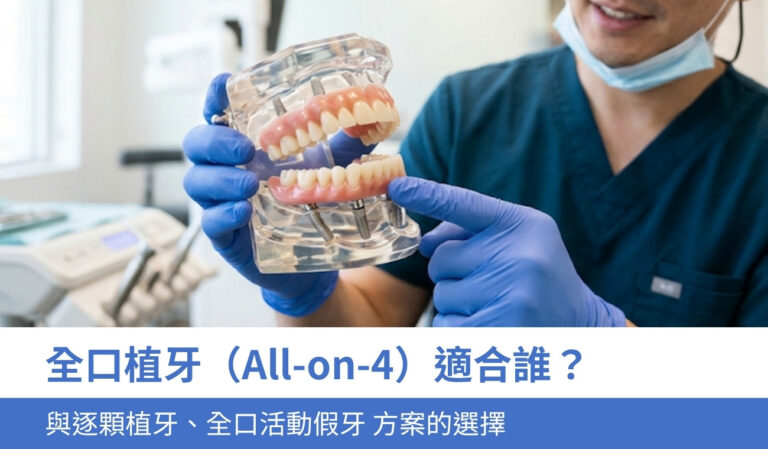
When all or most teeth are missing, the choice between full-arch implants (A…

Having gum disease, diabetes, a smoking habit or insufficient bone usually…

Gum disease and diabetes affect each other, and managing gum health…

Monday–Sunday 10:00 am – 8:00 pm · Open on public holidays
Click a clinic on the map to see its address and how to book.

 Flagship Clinic
 Branches
 Branches
 Branches
 Branches