

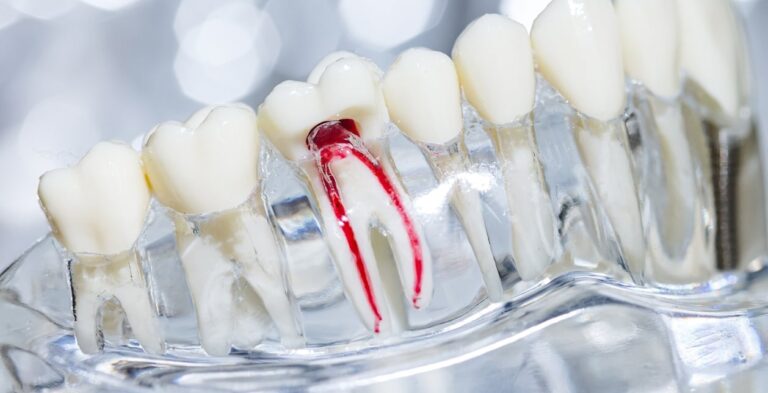
Root Canal Treatment
Root Canal TreatmentToothache Doesn't Always Mean Extraction
Pulp InflammationRoot Canal TreatmentEarly Treatment
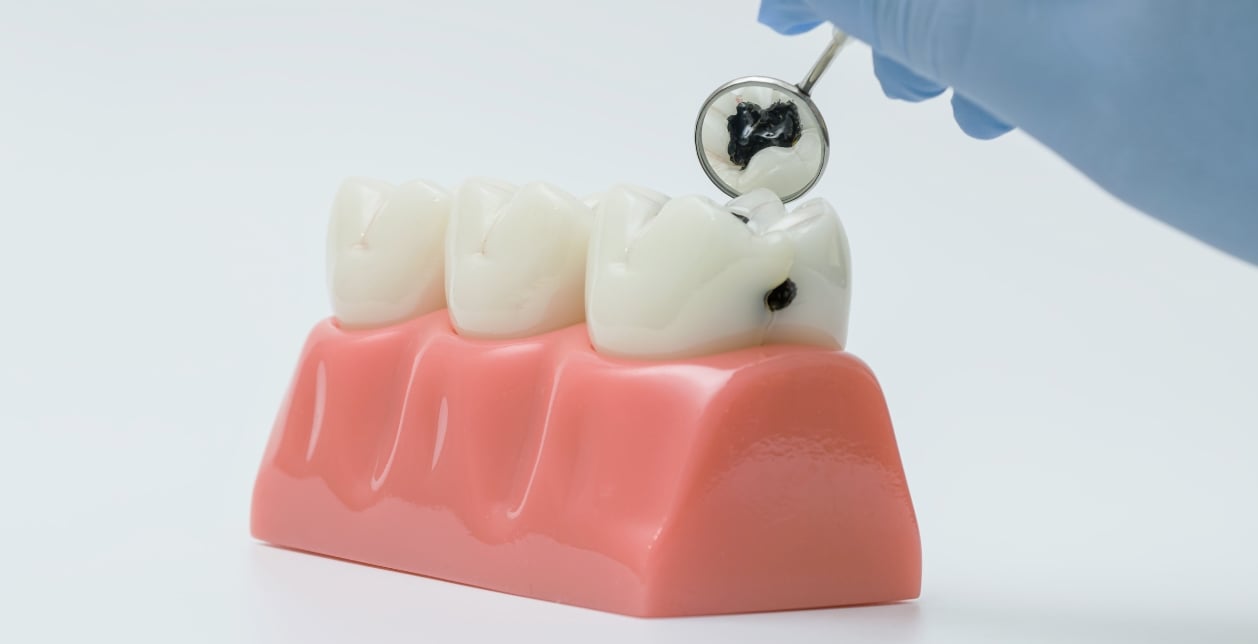
Improves tooth decay pain and damaged teeth
Common concerns
Recently noticed tooth sensitivity, discomfort when chewing, or dark spots on a tooth? These can all be signs of tooth decay!
Compare with your recent condition

A filling does more than repair decay; it is also key to stopping a tooth from getting worse. When decay has not yet reached the dentine and nerve, a filling can seal off the affected area and repair the damaged structure, preserving the tooth's original shape and function.
We learn about your toothache and past history of tooth decay to assess your overall dental health
An X-ray shows the depth of the decay and whether it has reached the pulp
Under local anaesthesia where appropriate, we remove the diseased tissue from the decayed area
The filling method and material are chosen according to the extent and location of the decay
The cavity is filled, and the shape and bite are adjusted to restore a natural appearance
We confirm the filling is stable, and give oral care advice and arrange regular check-ups
Dental FillingsDental Fillings
Improves tooth decay pain and damaged teeth
The earlier it is treated, the more healthy tooth structure can be kept, and the simpler the treatment.
Resin fillings, ceramic inlays and full ceramic crown restorations, chosen according to the extent and location of the decay.
Tooth decay may become more and more serious, damaging the dental nerve and causing severe pain or the need for a root canal treatment, and in the most serious cases the tooth may need to be extracted.
The results of dental filling treatment usually do not affect appearance or chewing function. Appropriate filling treatment not only improves the function of the teeth, but can also boost the patient's confidence and quality of life. If a patient is concerned about the look and bite after a filling, they can discuss it fully with the dentist before treatment and choose the most suitable treatment plan according to their needs.
Sometimes teeth develop cracks or chips due to wear, trauma or uneven bite force, and may also need a filling. Tooth sensitivity is also one of the reasons for a filling. Some patients' teeth are especially sensitive to hot and cold food, which may be caused by damage to the tooth's protective layer. A filling is then also recommended to cover the exposed area and so reduce the symptoms of sensitivity.
If a crown becomes loose or falls out, do not try to stick it back on yourself; we recommend a follow-up visit straight away. If there is a crack, it depends on how deep the crack is: some can be repaired, while others need a new crown.
Generally speaking, a carefully made and well-maintained bridge lasts 10 to 15 years on average, but every person's situation is different. Some patients' bridges may last more than 20 years, while others may need replacing within 10 years. The main factors affecting how long a bridge lasts include oral hygiene habits, the health of the abutment teeth, eating habits, bite force (teeth grinding) and material quality, all of which affect the bridge's lifespan.
Many patients worry that having a bridge will affect their eating habits. The good news is that a bridge is designed to restore the chewing function of your teeth, so in most cases you can eat normally with a bridge. However, to ensure the long-term use of the bridge and good oral health, after a bridge has just been fitted you can start with soft foods to adjust, and gradually move on to a normal diet. Try to chew evenly on both sides, and avoid relying on only one side of the bridge. Avoid very hard foods such as nuts and hard sweets, sticky foods such as toffee, and extremely cold or hot foods, as these may damage or pull on the bridge.
Toothache Doesn't Always Mean Extraction

Severe tooth decay, infection and pain: find out whether extraction is needed
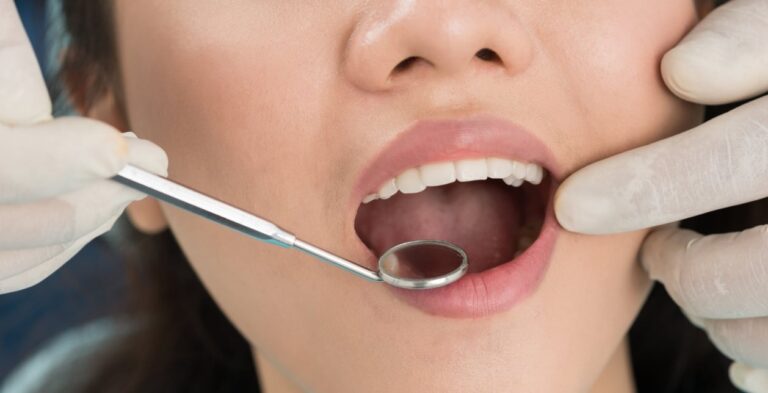
From routine check-ups to basic treatment, comprehensive protection for your oral health
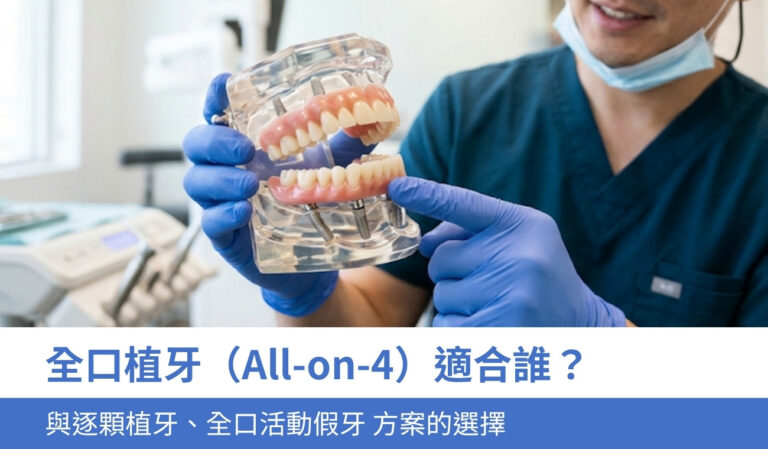
When all or most teeth are missing, the choice between full-arch implants (A…

Having gum disease, diabetes, a smoking habit or insufficient bone usually…

Gum disease and diabetes affect each other, and managing gum health…

Monday–Sunday 10:00 am – 8:00 pm · Open on public holidays
Click a clinic on the map to see its address and how to book.

 Flagship Clinic
 Branches
 Branches
 Branches
 Branches