
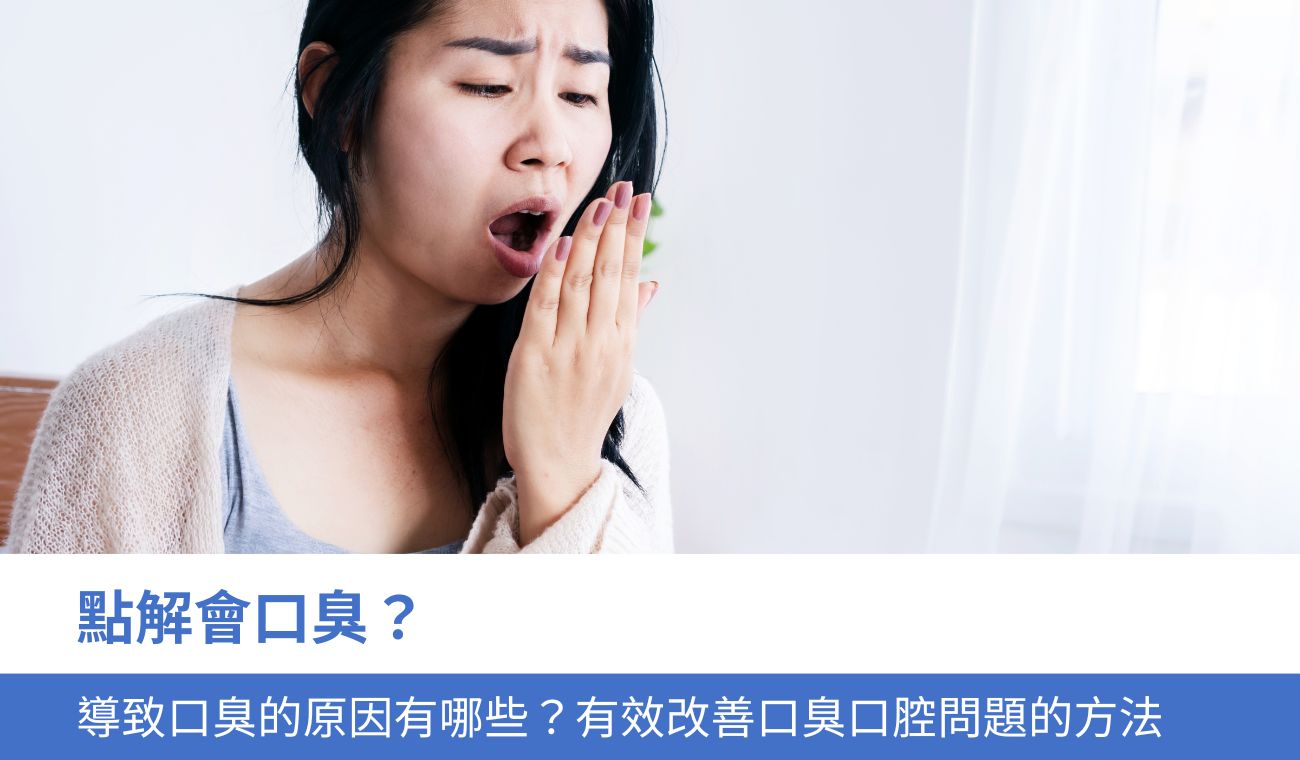
It is rumoured that being "heaty" causes bad breath. Bad breath may be one of the signs ofperiodontal disease. This article sets out the common causes of bad breath and suggestions for effectively improving it, to help you deal with the problem, restore a fresh mouth and stop feeling self-conscious about bad breath!
Want to improve bad breath? First understand breath problems
Bad breath often makes people feel embarrassed and uneasy, and when severe it can even affect personal and social life.
Although many people think bad breath is mainly caused by eating particular foods such as spring onion, ginger and garlic, if the problem persists you should consider whether the body is giving a health warning.
How to test your own breath
Many people may not easily notice whether they have a breath problem, because after being exposed to a smell for a long time, our sense of smell gradually tires and we can no longer detect it.
If you feel it is not convenient to ask other people, you can use the following methods for self-testing, to get a preliminary idea of whether you have a breath problem.
- Tongue-lick test: lick the back of your hand with your tongue, wait until the saliva has dried completely, then smell it to see whether there is a strong odour.
- Tongue-scraping test: gently scrape the tongue coating with an odourless metal or plastic spoon, then smell it.
- Interdental test: gently put an interdental brush or toothpick between the teeth, then smell it to see whether the smell is abnormal.
What causes bad breath? 6 main causes of long-term bad breath
Why does the mouth still smell even though I brush every day? Bad breath is in fact a common problem, usually caused by volatile sulphur compounds produced when bacteria in the mouth break down food debris. Here are the main causes of bad breath:
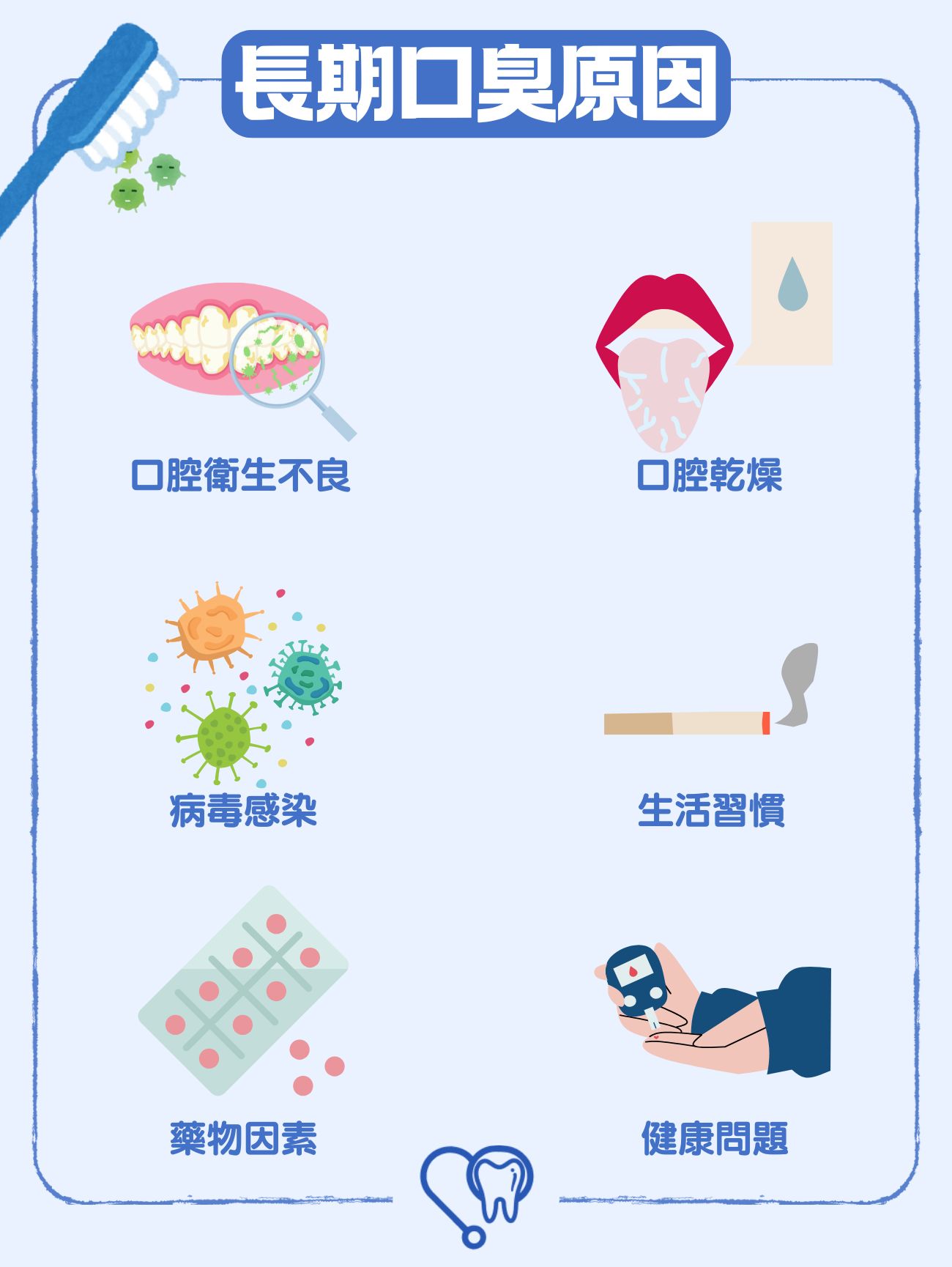
poor oral hygiene
Incorrect brushing method, brushing for too short a time ordenturesincomplete cleaning can all lead to plaque biofilm ortartarbuilding up, and residual plaque biofilm is often the root cause of bad breath, accounting for 80-90% of the causes of bad breath.
dry mouth
Saliva helps clear food debris and bacteria from the mouth. When saliva secretion is insufficient, bacteria multiply more easily, and the dead cells build up in the mouth and produce bad breath. This often occurs during sleep or in people who breathe through the mouth because of a blocked nose.
Just as when we get up in the morning, having not taken in enough fluids, bad breath is more easily noticed.
viral infection
Upper respiratory tract infections such as tonsillitis; nasal infections such as sinusitis, rhinitis and post-nasal drip; and oral infections such as gum problems,tooth decay, mucosal ulcers orExtractionpost-operative infection can all cause bad breath.
lifestyle habits
Eating too much meat or strongly flavoured food produces more sulphur compounds after digestion in the body and causes bad breath.
Excessive smoking, chewing betel nut and drinking alcohol increase the number of bacteria in the mouth and worsen oral odour. They affect not only the breath but also overall health adversely.
Medication factors
Certain medicines, such as antihistamines, antidepressants, psychiatric medicines and diuretics, can causedry mouth, which in turn leads to bad breath.
Health problems
Certain systemic diseases, such as indigestion and gastro-oesophageal reflux, affect the respiratory tract and lead to poor breath.
Some more serious health problems, such as diabetes, liver and kidney failure and nasopharyngeal cancer, also affect the body's metabolic processes and produce an odour in the mouth.
How can bad breath be dealt with? 5 ways to treat bad breath
Bad breath often causes distress, but with some simple adjustments to daily habits, the problem can be effectively improved. The following methods help improve your breath:
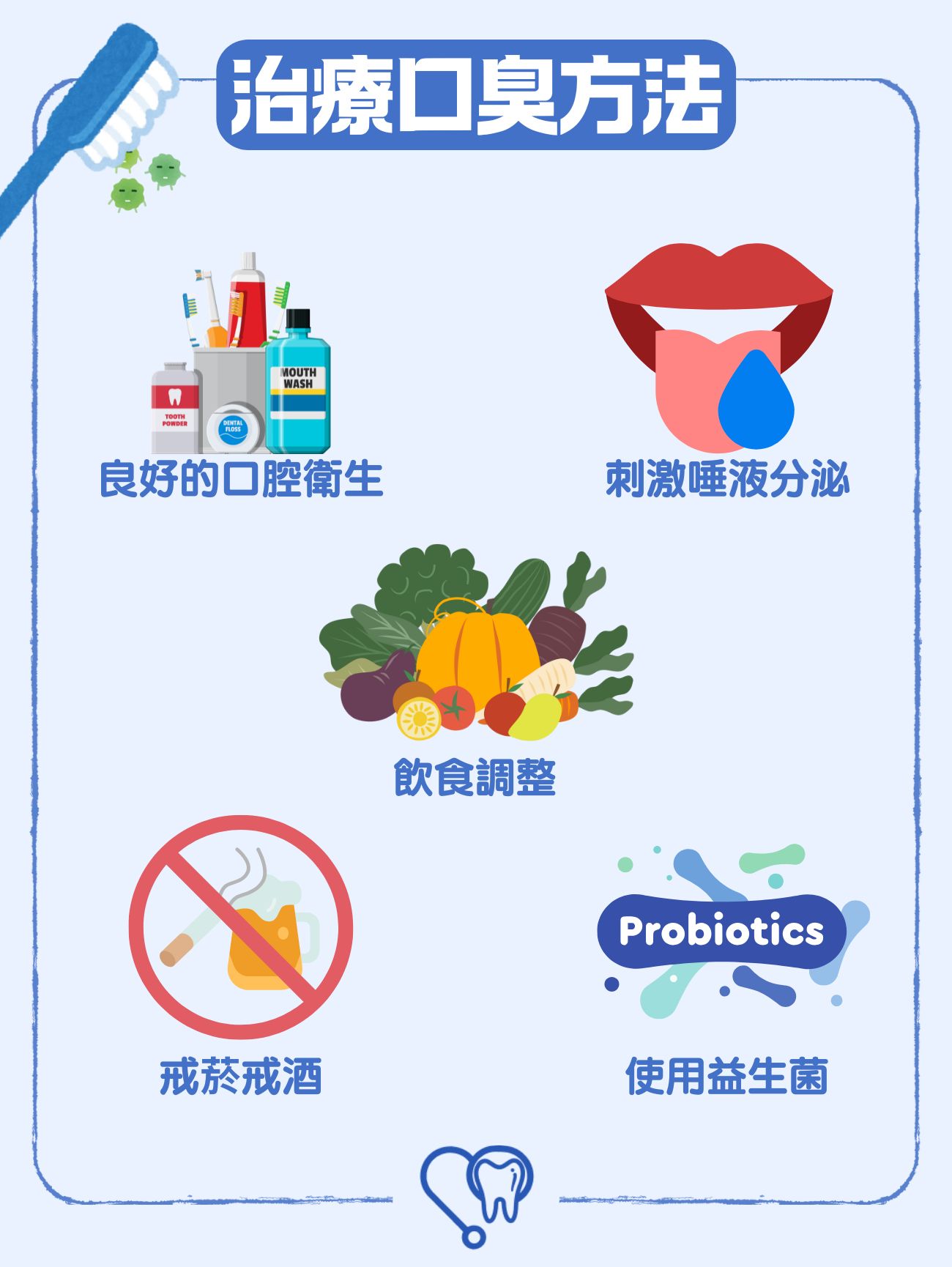
good oral hygiene
Maintaining good oral hygiene is the most basic step in dealing with bad breath: brush at least twice a day with fluoride toothpaste, and clean the sides of the teeth with dental floss and interdental brushes. Make sure to clean the tongue coating, using a dedicated tongue cleaner so as not to hurt the mucous membrane of the tongue.
Where circumstances allow, it is advisable after each time you eat strongly flavoured food to try brushing with toothpaste, rinsing with mouthwash or chewing gum to clean the mouth.
Keeping up the habit of regularScaling and Polishingis also important, especially for people with periodontal disease, as it can effectively remove plaque and tartar from between the teeth.
Stimulate saliva secretion
Saliva helps clear bacteria and food debris from the mouth and reduces bad breath. You can stimulate the salivary glands by chewing sugar-free gum and drinking more water.
Gently biting the teeth together up and down, or pressing the tongue against the back of the upper front teeth and sliding it from side to side, can also promote saliva flow and keep the mouth moist.
diet adjustments
Try to avoid strongly flavoured and fried food and keep the diet light, which reduces the sulphur compounds produced in the body and lowers the chance of bad breath.
Eat more fibre-rich foods such as fruit and vegetables, which not only freshen the breath but also promote digestive health.
Quit smoking and drinking
Excessive smoking and drinking have a negative effect on oral health. Quitting smoking and drinking not only improves bad breath but also benefits overall health.
Drinking more water and tea is also a good choice. Some studies show that green tea may help oral health and can inhibit the growth of bacteria in the mouth.
Use probiotics
Probiotics help balance the bacterial community in the mouth. Taking probiotics appropriately can reduce the number of harmful bacteria and lower the chance of bad breath.
Summary
By understanding why bad breath occurs and taking effective measures to deal with it, you need not fear that bad breath will damage your self-esteem and confidence.
Good oral habits, a healthy diet and lifestyle are all the key to effective improvement. If bad breath persists and cannot be improved on your own, it is advisable to consult a professional dental practitioner, to make sure no potential health problem is overlooked.
Disclaimer
This article is for information only and does not contain any invitation or solicitation. Patients should seek a professional dentist for diagnosis and treatment according to their own circumstances. To find out more or book a service, we recommend contacting the relevant clinic directly. Please choose suitable dental services and clinics carefully yourself.



