

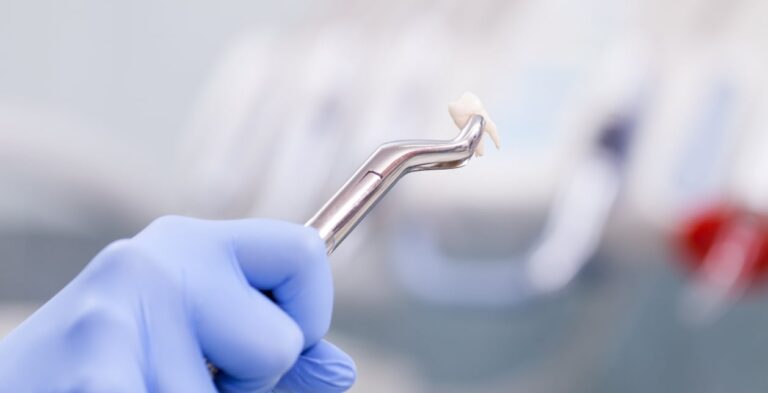
Tooth Extraction
Tooth ExtractionSevere tooth decay, infection and pain: find out whether extraction is needed
Fillings / DenturesDental BridgeDental Implants
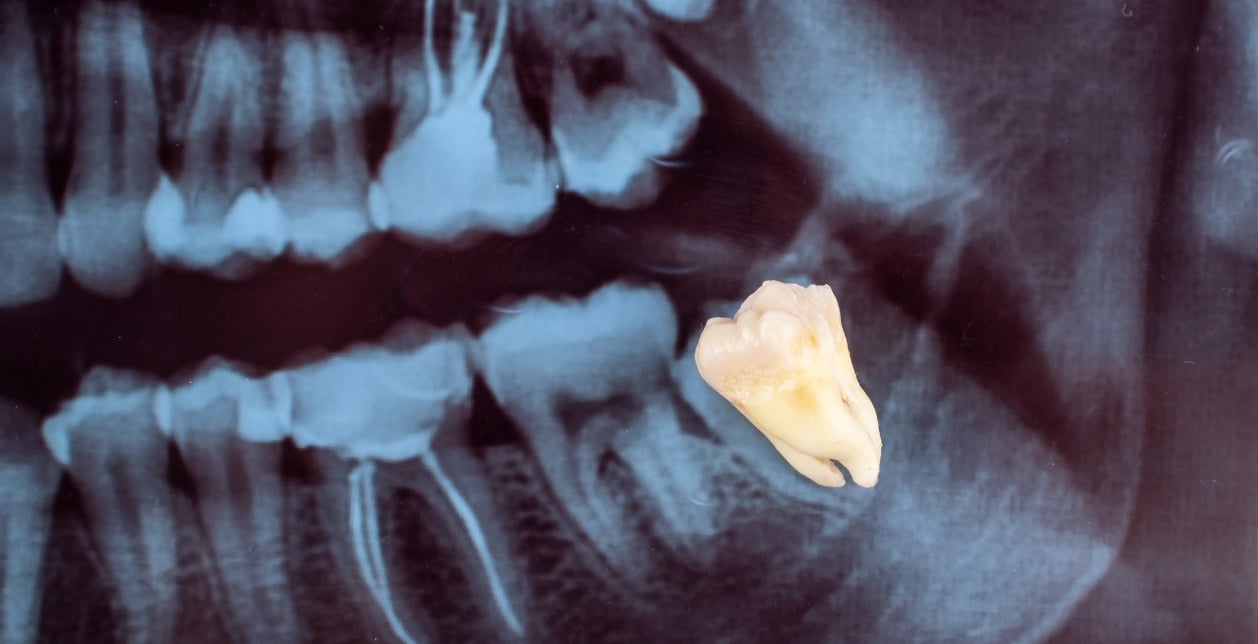
Relieves pain and swelling, protects neighbouring teeth and prevents decay and inflammation
Common concerns
When a wisdom tooth begins to become inflamed, the body usually gives early warning signs. If you have pain or the dentist judges there is a risk, we recommend treating it early to avoid it becoming more serious later.
Compare with your recent condition
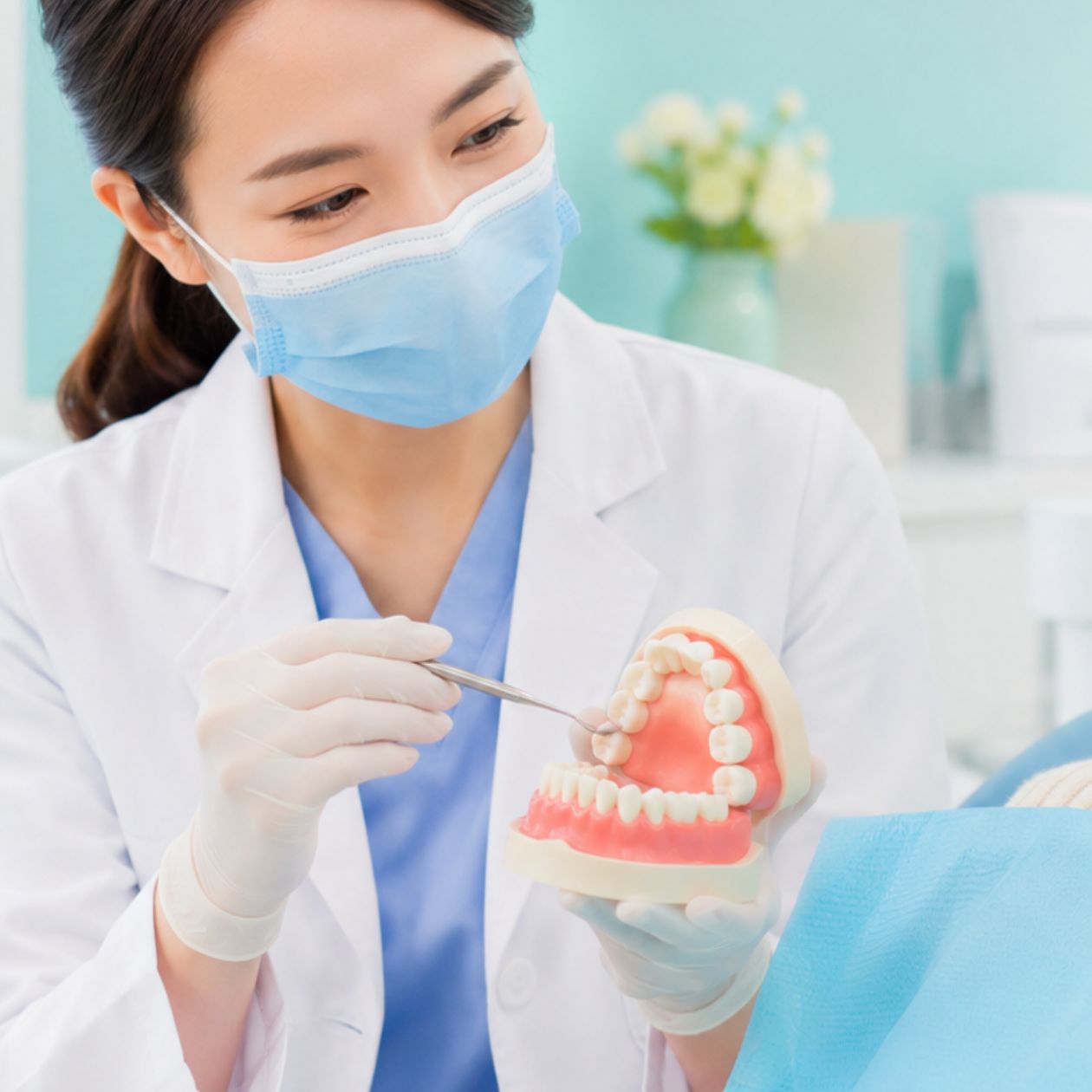
Wisdom teeth are the third molars at the very back, and usually come through between the ages of 17 and 25. Most people today do not have enough space in the lower jaw, so wisdom teeth fail to come through or grow at an angle, forming "impacted wisdom teeth".
We check whether the wisdom tooth is impacted, and observe any gum swelling, pain or inflammation
X-rays or a 3D scan show the position of the wisdom tooth
Based on the imaging, the surgical risk is assessed and the extraction method and timing are recommended
Local anaesthesia is used throughout to reduce pain
Simple extraction or surgical extraction is chosen depending on the condition of the tooth
Post-operative precautions and care are explained in detail
Wisdom Teeth RemovalWisdom Tooth Extraction
Relieves pain and swelling, protects neighbouring teeth and prevents decay and inflammation
Not every wisdom tooth needs to be extracted, but if you have pain or the dentist judges there is a risk, we recommend treating it early.
Simple extraction, surgical extraction and sectioning technique, arranged according to the position and shape of the wisdom tooth.
Local anaesthesia is used throughout to reduce pain.
We explain the post-operative precautions and care methods in detail, to help the wound heal and recover.
With local anaesthesia, there is no need to fast and you can eat normally. If the procedure uses intravenous sedation or general anaesthesia, you will usually need to fast for a period beforehand as instructed by your doctor; the actual requirements are as advised by your dentist.
It depends on the condition of each tooth, the degree of impaction and the type of anaesthesia. Clinically, several teeth can be removed in one visit, or the procedure can be carried out in stages. Where the roots are close to a nerve or the procedure is more complex, teeth are sometimes removed in separate visits to reduce risk.
Not necessarily. Pain within the first 3 days after wisdom tooth extraction is normal and gradually lessens afterwards. If pain persists or even worsens after a full week, apart from dry socket, it may also be a wound infection or food debris trapped in the wound. Please return for a follow-up so the dentist can examine the wound, and do not try to work out the cause yourself.
This is normal. Swelling usually appears only on the side where the surgery was done, because the body's inflammatory response is concentrated around the affected tissue, and the side where no tooth was removed will not have the same reaction. If wisdom teeth were removed on one side only, swelling on that side of the face is expected and does not indicate a problem.
Severe tooth decay, infection and pain: find out whether extraction is needed

Immediate treatment for toothache, dental trauma and swelling or infection
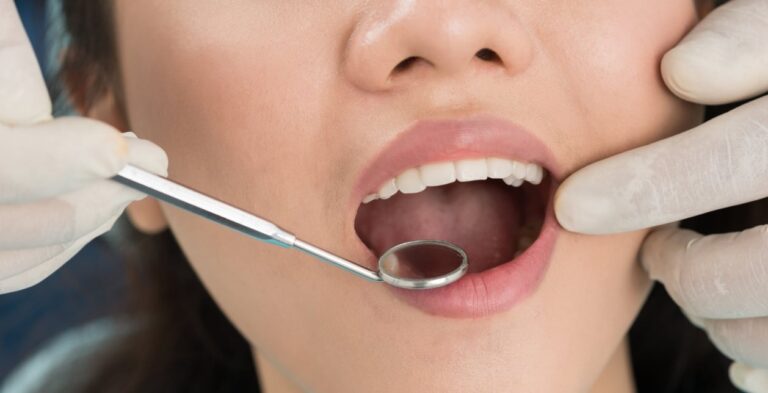
From routine check-ups to basic treatment, comprehensive protection for your oral health
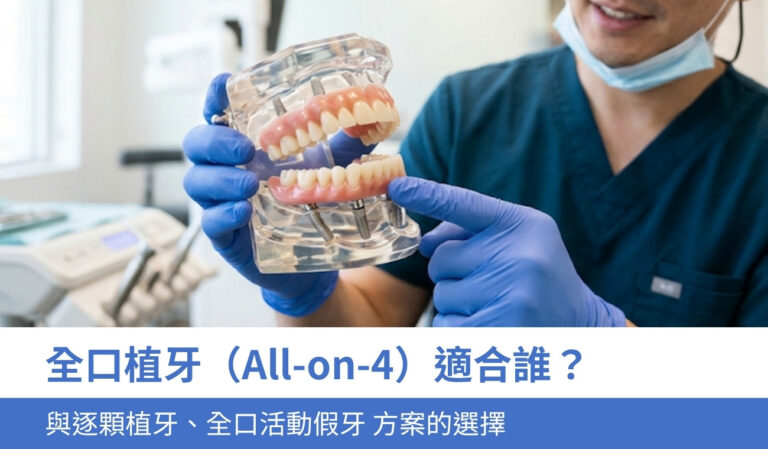
When all or most teeth are missing, the choice between full-arch implants (A…

Having gum disease, diabetes, a smoking habit or insufficient bone usually…

Gum disease and diabetes affect each other, and managing gum health…

Monday–Sunday 10:00 am – 8:00 pm · Open on public holidays
Click a clinic on the map to see its address and how to book.
 Flagship Clinic
 Branches
 Branches
 Branches
 Branches