
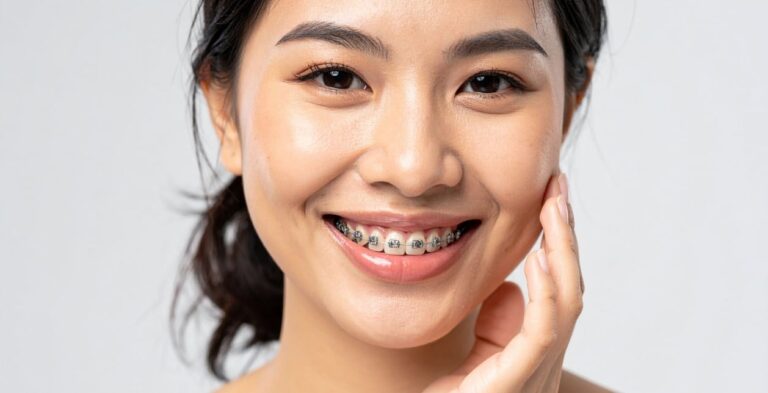
Orthodontics (Braces)
OrthodonticsImproves problems such as crooked teeth and misaligned bite
Metal bracesCeramic bracesClear Aligners

Improves crowded teeth and bite problems
Common concerns
Crowded teeth, teeth that are uneven front to back, and bite problems not only affect appearance, but may also make brushing hard to do thoroughly and cause gum inflammation.
Compare with your recent condition
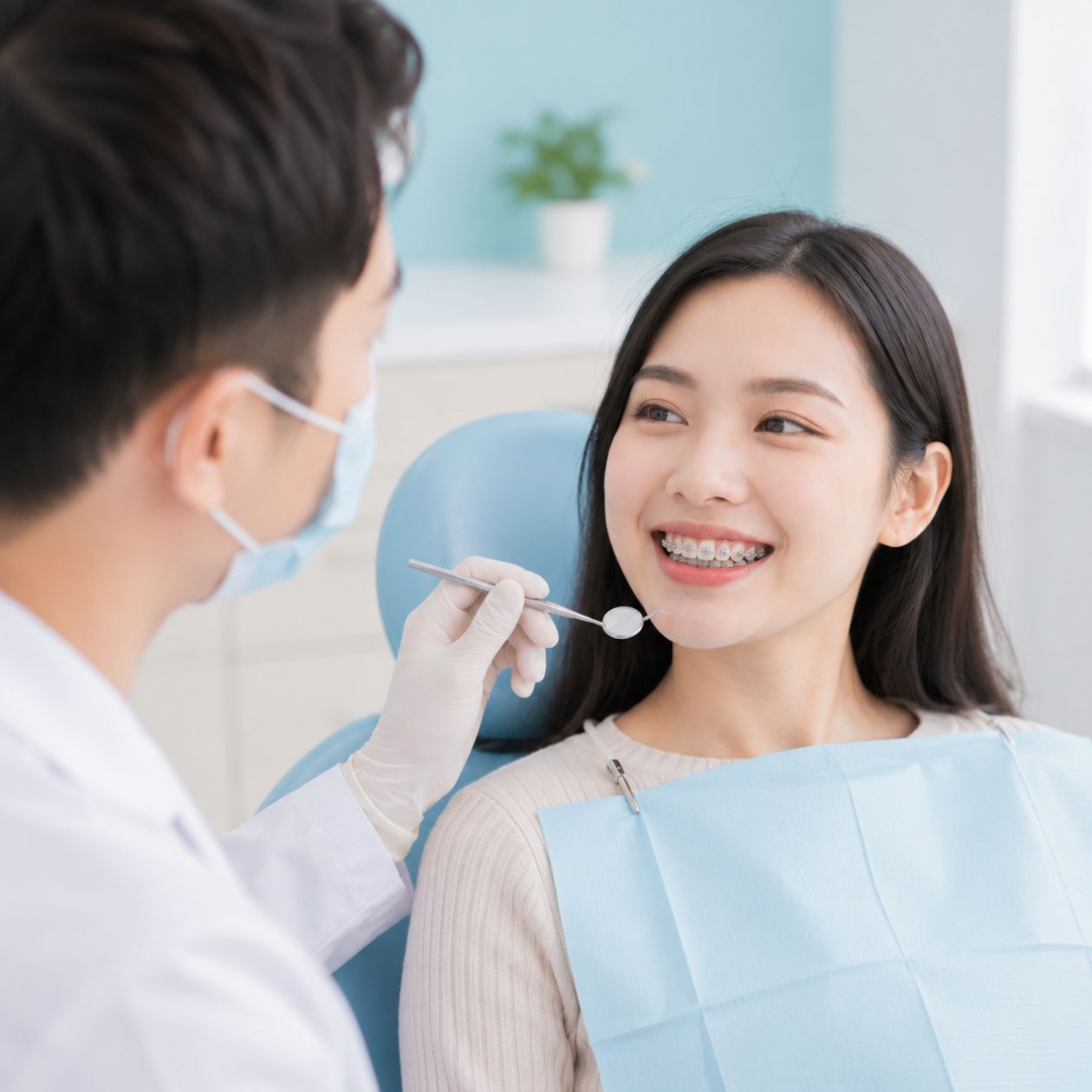
Also known as metal braces treatment, this uses metal brackets and archwires to gradually adjust the position of the teeth. Regular adjustments are needed during treatment, and the course takes about 1.5 to 2.5 years, depending on the individual.
We learn about your tooth alignment problems and the results you hope for, and assess whether orthodontic treatment is suitable
X-rays and dental models are used to analyse the roots and bite and make a plan
The direction of tooth movement and the length of treatment are planned
Braces are bonded to the teeth and archwires fitted to start moving the teeth
Regular follow-ups to adjust the wires and force and monitor orthodontic progress
A retainer is worn after the braces are removed to prevent the teeth from moving back
Traditional BracesTraditional Braces
Improves crowded teeth and bite problems
The course takes about 1.5 to 2.5 years, depending on the individual, with regular adjustments during treatment.
Metal braces have strong orthodontic force but are more noticeable; ceramic braces are close to the colour of the teeth and less noticeable, but are more brittle and slightly higher in cost.
A retainer is worn after the braces are removed to prevent the teeth from moving back.
Pain tolerance differs from person to person, but in general the most noticeable pain occurs in the 1 to 3 days after the braces are first fitted or after each adjustment, and most people feel better within a week.
If a bracket or wire comes loose, contact your dentist as soon as possible to arrange for it to be refixed, to avoid delays that affect orthodontic progress or irritate the lining of the mouth; before your follow-up visit you can cover the loose part temporarily with orthodontic wax to reduce discomfort.
Rubbing in the early stage is a normal part of adapting. You can use orthodontic wax to ease the discomfort, or ask your dentist to adjust the angle of the brackets.
When playing contact sports or doing activities with a risk of collision, it is advisable to wear a dedicated mouthguard to protect the lips and the inside of the cheeks, so that the brackets or wire do not cause injury in a collision.
In fact, braces are not the root cause of demineralisation; the problem is that cleaning is more difficult. Dirt and plaque easily collect around the braces, and if you do not brush thoroughly, white spots will appear on the teeth. So people with braces need to pay extra attention to oral cleaning.
Improves problems such as crooked teeth and misaligned bite
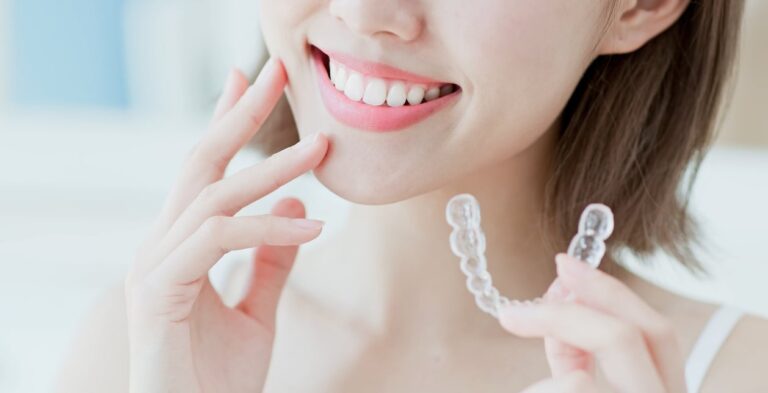
Clear removable aligners, so eating and brushing are no trouble

Help children stop fearing the dentist and build good dental care habits from a young age
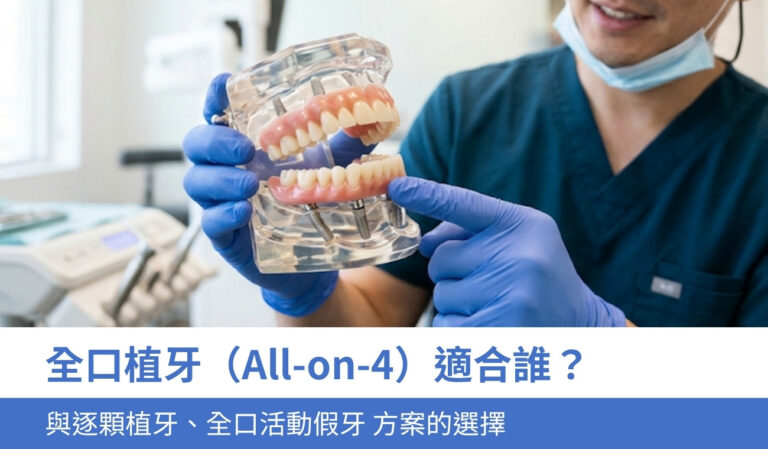
When all or most teeth are missing, the choice between full-arch implants (A…

Having gum disease, diabetes, a smoking habit or insufficient bone usually…

Gum disease and diabetes affect each other, and managing gum health…
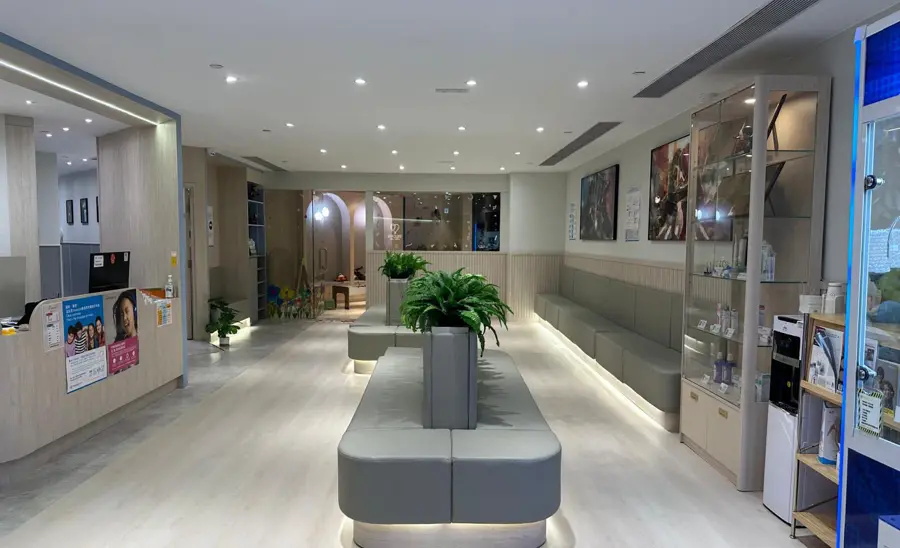
Monday–Sunday 10:00 am – 8:00 pm · Open on public holidays
Click a clinic on the map to see its address and how to book.

 Flagship Clinic
 Branches
 Branches
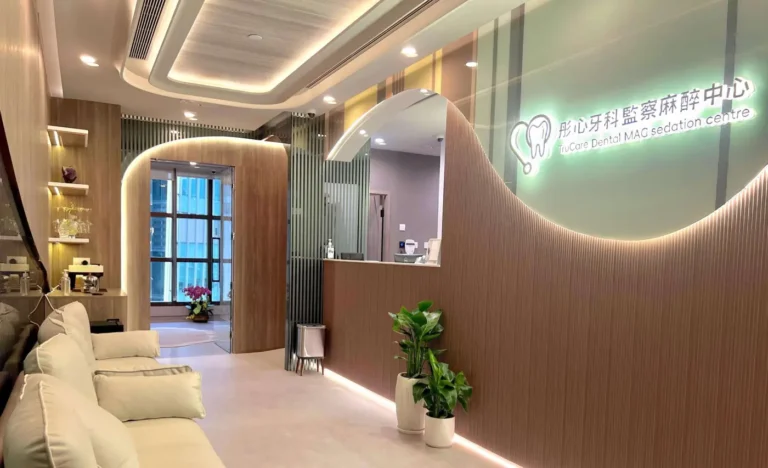 Branches
 Branches