
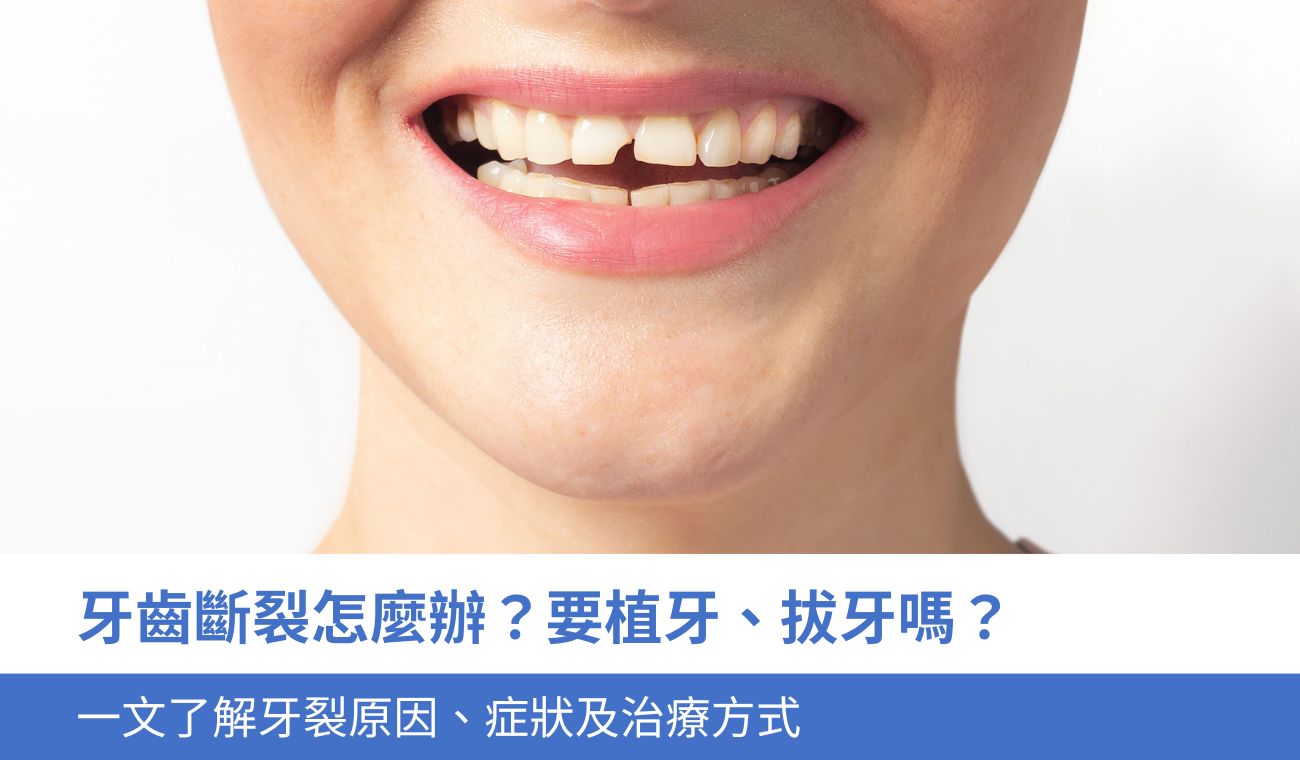
Do not panic if you have a cracked tooth. Below we explain in detail the causes, symptoms and treatments of cracked teeth, to help you understand when a tooth extraction, filling,Dental Implantsor root canal treatment is needed!
cracked tooth(chipped tooth)
A cracked tooth means that cracks appear in the tooth. These cracks may extend from the enamel surface to the dentine, and may even affect the pulp. This most often occurs in the lower molars and the upper premolars.
Does a "small piece chipped off a tooth" count as a cracked tooth?
Whether a "small piece chipped off a tooth" counts as a cracked tooth depends on the depth and extent of the crack. If it is only a surface crack in the enamel, the effect is usually small, but if the crack goes deep into the dentine or even close to the tooth nerve, pain or even more serious problems may occur.
Cracked tooth syndrome
When a tooth is subjected to excessively concentrated pressure, fine cracks form on its surface. This is called a cracked tooth.
If the crack keeps extending towards the pulp chamber, it may cause pulpitis, leading to symptoms such as pain on chewing and particular sensitivity to hot and cold. This is called cracked tooth syndrome. It most often occurs in the back teeth, especially the molars, because these teeth bear greater biting forces over a long period.
The five classifications of fractured teeth
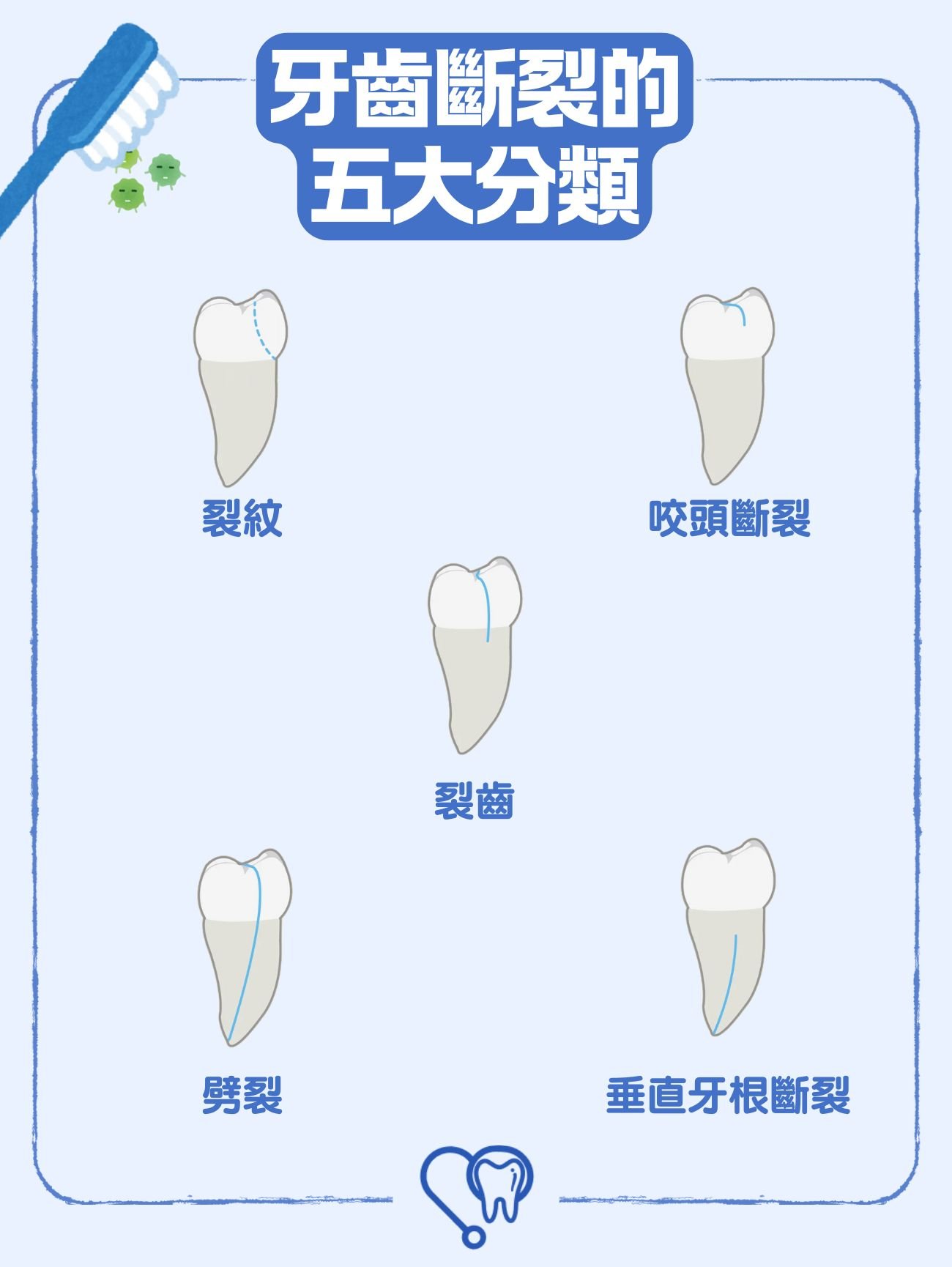
Craze lines
This is the mildest type of tooth crack, referring to fine cracks on the enamel surface. It usually has no symptoms and does not affect everyday eating. No special treatment is needed, but it still needs to be monitored regularly in case it deepens.
Fractured cusp
This type of crack occurs on the biting surface of the tooth and usually affects the part that has been filled. Although sometimes it causes no obvious discomfort, sensitivity or pain may be felt when chewing. If the crack has not affected the pulp, it can be repaired with a filling orCrownrestoration; but if the tooth nerve has already been affected, it may be necessary to carry outRoot Canal Treatment.
Cracked tooth
When a crack extends to the tooth root, it counts as a cracked tooth. In the early stage there may be no discomfort, but as the crack widens, the tooth may become painful or sensitive when eating. A mild cracked tooth can be protected with a crown, but if the pulp is affected, root canal treatment is needed, and in severe cases may even requireTooth Extraction.
Split tooth
The tooth splits completely lengthways, usually as a result of a cracked tooth that was not treated in time and got worse. A split tooth causes marked pain and affects eating. Most split teeth have to be extracted, but in some special situations there is still a chance of keeping part of the tooth through root canal treatment.
Vertical root fracture
This type of crack occurs in the tooth root and is common in teeth that have previously had root canal treatment. The patient may feel pain when biting, sometimes with swollen gums, and in severe cases it leads to death of the pulp. As cracks in the root are not easy to repair, in most cases the root has to be extracted, but in some cases part of the tooth can be kept through an apicoectomy.
Why do teeth crack? 3 main causes 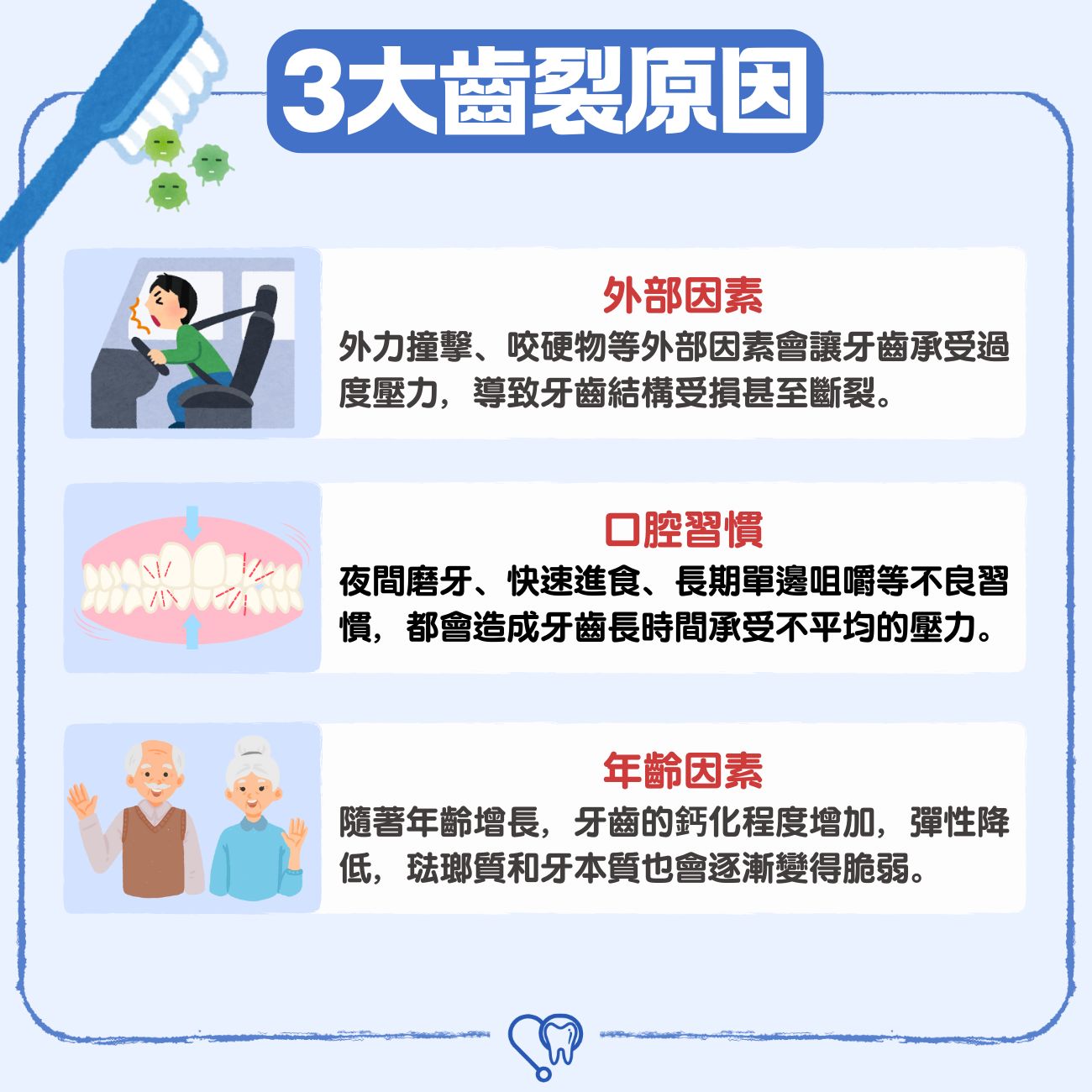
Cracked teeth are a very common problem in dental clinics, ranging from slight cracks in the tooth to a whole tooth splitting in two. The main causes of tooth cracks fall into the following 3 categories:
external factors
External factors such as impact from external force and biting hard objects put excessive pressure on the teeth, damaging the tooth structure or even fracturing it. For example, falls, traffic accidents, or biting on hard substances such as bone fragments and ice cubes can all cause cracks in the teeth.
Oral habits
at nightteeth grinding, eating too quickly and long-term chewing on one side are all bad habits that make the teeth bear uneven pressure for a long time, raising the risk of tooth fracture.
Age factors
With age, the degree of calcification of the teeth increases, their elasticity decreases, and the enamel and dentine also gradually become more fragile.
After many years of use, the structure of the teeth may develop cracks because of accumulated tiny damage, and middle-aged and older people are especially more likely to be affected.
Symptoms of cracked teethWhat are they? Can a cracked tooth heal by itself?
Mild tooth cracks are sometimes not easy to diagnose clinically, because the biting surfaces of teeth naturally have many grooves that are easily confused with acquired cracks, and current microscopes and X-ray equipment cannot always show tiny cracks.
A cracked tooth does not heal by itself. As teeth, unlike bone, have no ability to repair themselves, once a crack forms it may gradually widen, especially with continued chewing or the effect of external force.
Therefore, once the following symptoms are noticed, it is advisable to seek medical attention as soon as possible, so that appropriate treatment can prevent the condition from getting worse.
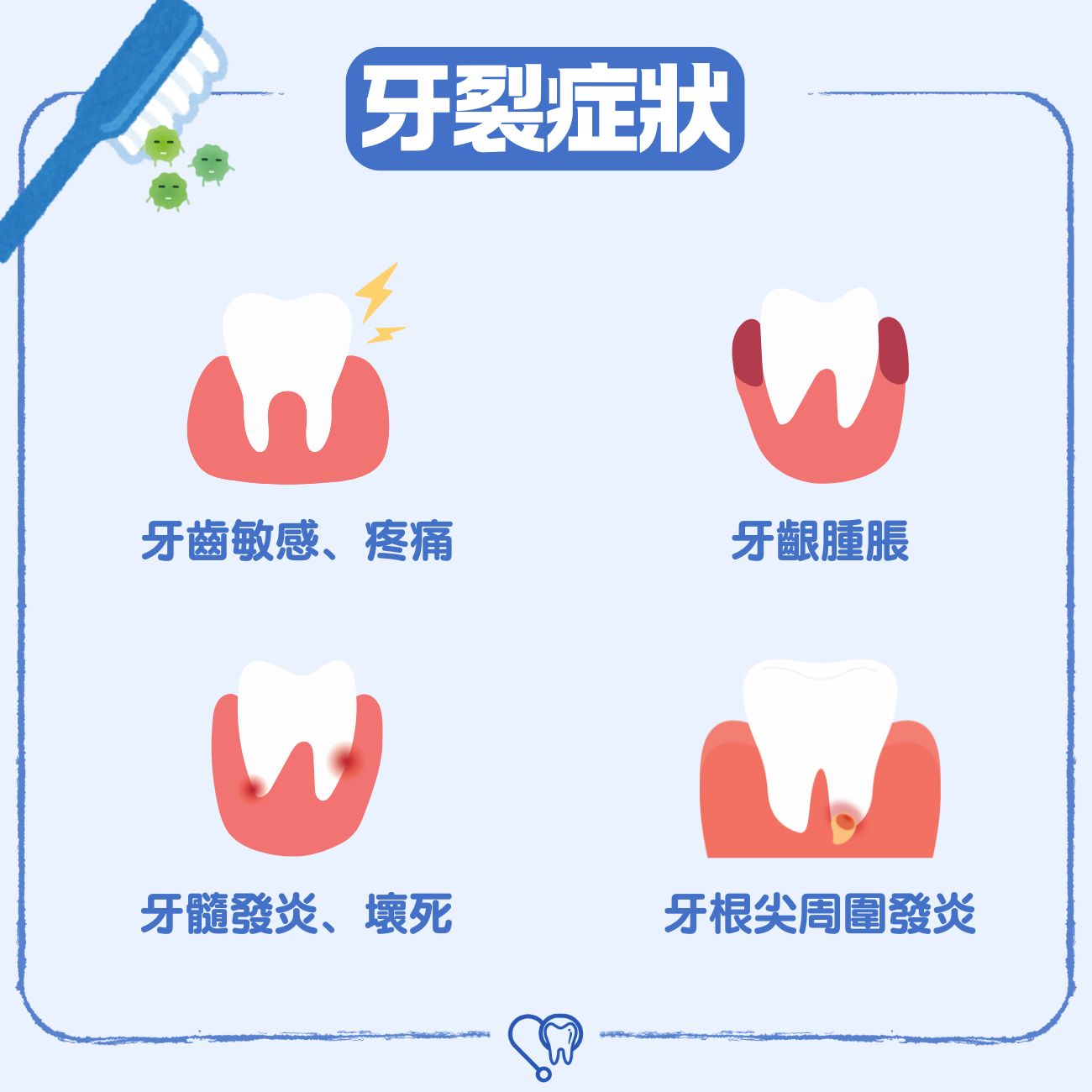
Tooth sensitivity and pain
When a tooth crack exposes the dentine, the tooth becomes sensitive to stimuli such as cold, heat, sourness and sweetness, and a sore feeling occurs on biting. But if the crack keeps widening, it is quite likely to develop into long-lasting pain, with discomfort even when not biting anything.
Gum swelling
A crack may affect the tissues around the gums and cause inflammation, leading to gum swelling or discomfort. This symptom is easily confused with tooth decay,periodontal diseaseand the like.
Pulp inflammation and death
When the crack extends to the dentine or the tooth nerve, it may cause sensitivity and pain, and may even worsen into inflammation or death of the pulp, causing severe pain and affecting overall oral health.
Inflammation around the root tip
If the crack affects the tooth root, it may cause inflammation around the root tip, so that the patient easily feels the tooth is weak and sore when eating, and may even develop an abscess.
Common treatments for cracked teeth
Different treatment options are available depending on where the fracture is. The further down the tooth the crack goes, the lower the chance of keeping the tooth and the higher the risk of infection.
Several common treatments are listed below:
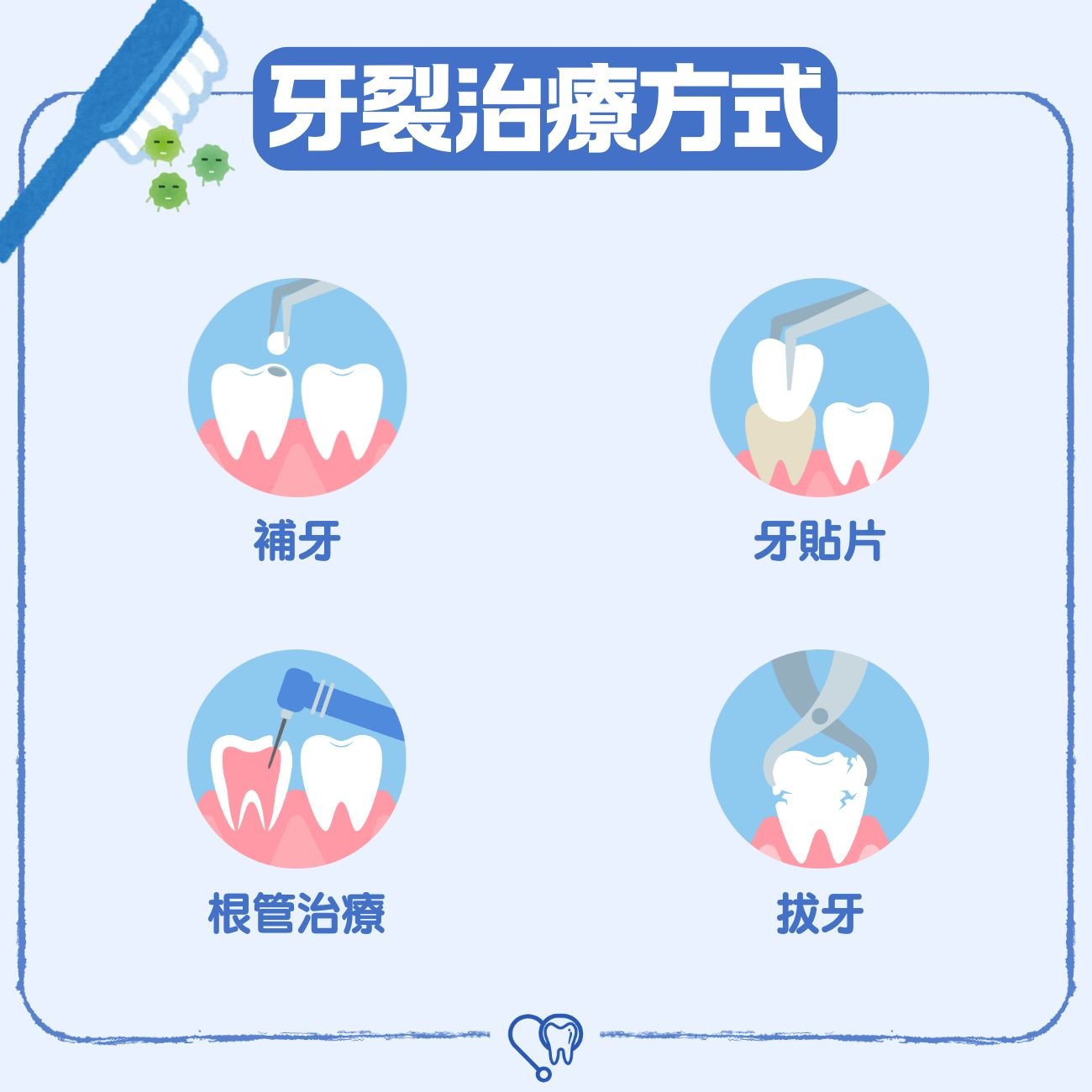
Dental Fillings
If the cracked tooth is limited to the enamel,Dental Fillingsis a simple and effective method that can fill the crack and restore the tooth's shape and function.
veneers
For repairing small cracks in front teeth or aesthetic areas, you can consider using veneers.
Root Canal Treatment
When the crack affects the tooth nerve, or there is even inflammation or death of the pulp, root canal treatment is needed to remove the infection, and the remaining tooth is protected by wearing a crown to prevent further cracking.
Implant after tooth extraction
If the crack has extended to the tooth root, causing too much loss of tooth structure, tooth extraction may be needed to prevent the infection from spreading. After the tooth is extracted, you can choose to haveDental Implants,Dental Bridgeordenturesto rebuild the biting function of the teeth.
Summary
If you find you have symptoms of a cracked tooth, you should seek medical attention early, find out the problem through professional diagnosis, and choose an appropriate treatment. Regular dental check-ups are also important, as the dentist can spot and deal with problems early, avoiding worsening that causes more serious damage to the teeth, and helping you maintain oral health.
Disclaimer
This article is for information only and does not contain any invitation or solicitation. Patients should seek a professional dentist for diagnosis and treatment according to their own circumstances. To find out more or book a service, we recommend contacting the relevant clinic directly. Please choose suitable dental services and clinics carefully yourself.



