Losing baby teeth is an important developmental stage in a child's growth. But when a child is losing teeth, parents sometimes may not know how to handle it. At what age do children start losing teeth? What should parents pay attention to? How should you care for the teeth while baby teeth are lost and permanent teeth come through? This article covers the key points about children losing teeth to help your child grow up healthy.
At what age do children start losing baby teeth?
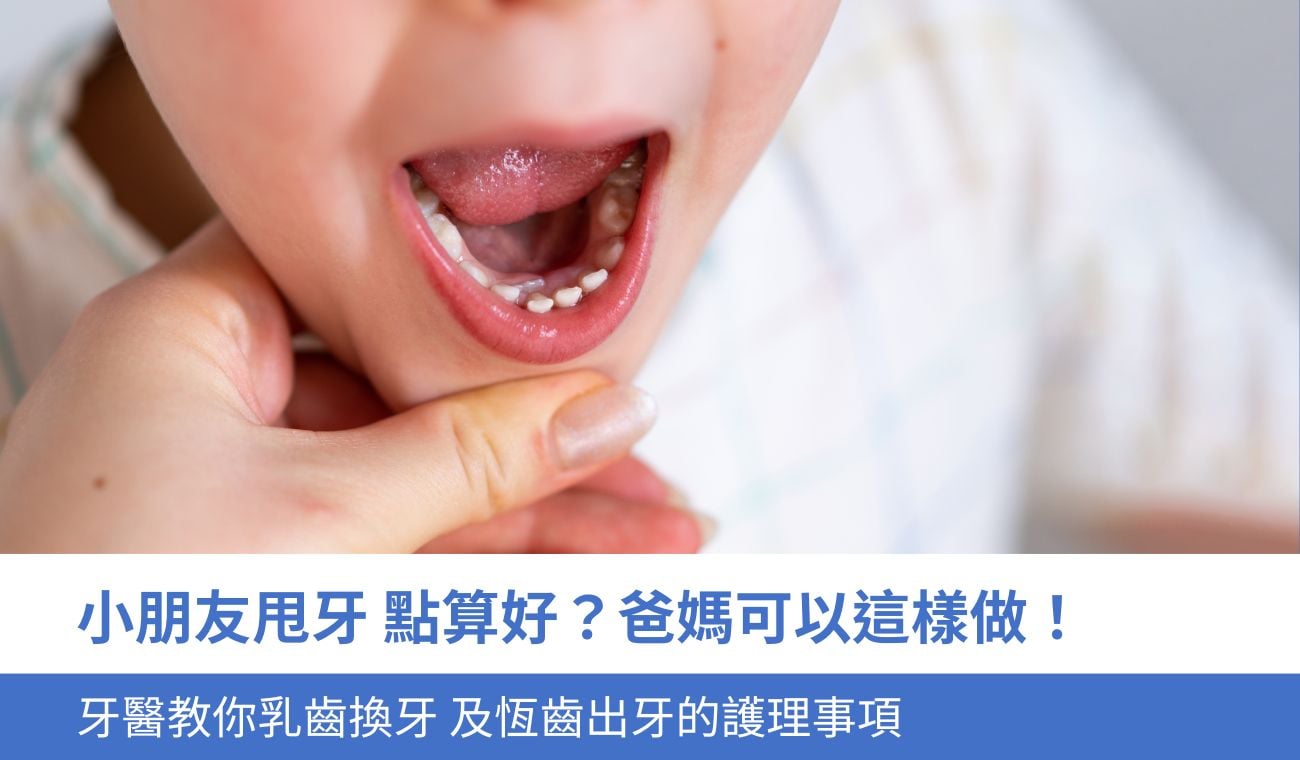
teeth changingmarks the start of a new stage of growth for the child and also means their oral health will face new challenges and changes. This process usually starts at 6 years old and continues until around 12 to 13 (not including wisdom teeth), and this stage is calledtooth-changing period.
If your child has not started losing teeth by around 6 years old, or if there is anything unusual in the process, we suggest consultinga paediatric dentistto make sure the child's oral health is developing normally.
Dealing with a child losing baby teethprocess
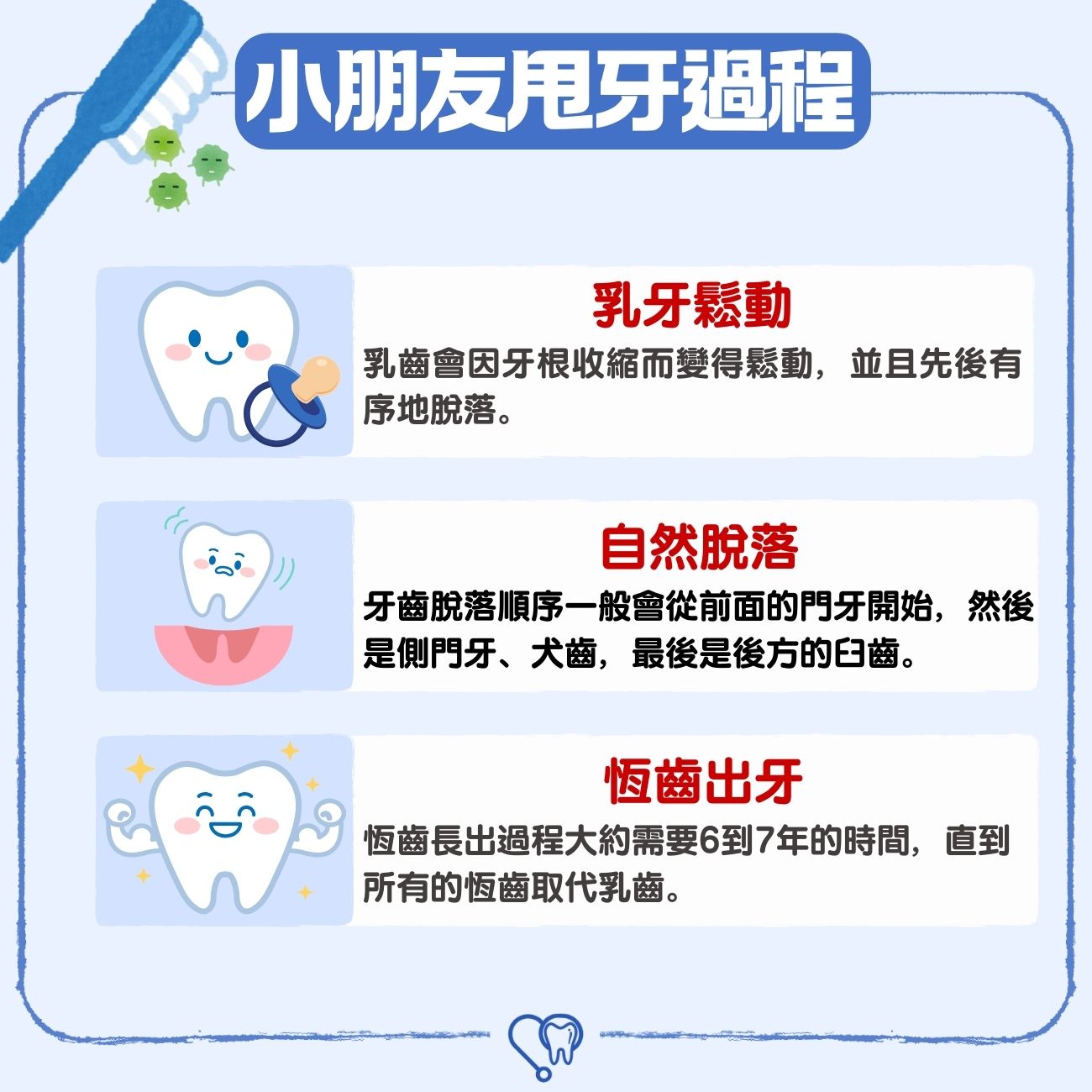
Losing baby teeth is a gradual, natural process, which includes baby teeth becoming loose, falling out naturally and permanent teeth coming through. Here are the features of each stage and points to note.
Baby teeth become loose and fall out naturally
During the process, baby teeth become loose as their roots shrink and fall out one after another in order. This is a normal physiological process that prepares for the growth of the incoming permanent teeth. At this stage, a child may feel some discomfort or slight pain, but it usually does not cause much trouble.
Teeth usually fall out starting from the front incisors, then the lateral incisors,canine teeth, and finally the molars at the back.
Knowingordercan help parents roughly judge how far along the child's tooth change is. Traditional methods such as tying the tooth with thread or pulling out a baby tooth with a door handle are neither scientific nor safe, and parents should not force out a baby tooth that is not yet fully loose, as this may cause infection or injury.
Permanent teeth coming through
After baby teeth fall out, permanent teeth come through one by one in the gaps. This process takes about 6 to 7 years, until all the permanent teeth have replaced the baby teeth.
The enamel of newly erupted permanent teeth is more translucent than that of baby teeth, so permanent teeth look yellower than baby teeth. As people get older, dentine keeps thickening, and teeth therefore become yellower.
Does extracting baby teeth affect permanent teeth?
Many parents may worry whether extracting baby teeth too early, or not extracting them in time, will have a negative effect on how future permanent teeth come through and line up.
Ideally, baby teeth fall out naturally, making room for the permanent teeth about to come through. This process is usually regulated naturally by the body, but in reality there may be situations in which a baby tooth needs to be extracted early, such asSevere Tooth Decayor tooth injury. In these situations, extracting a baby tooth too early may have some effect on the growth path of the permanent tooth.
In fact, however, the growth and alignment of permanent teeth are affected by many factors and do not depend only on whether baby teeth are extracted. They also include the size of the dental arch, whether there is enough space available, genetic factors and overall oral health.
If a baby tooth really needs to be extracted, the dentist may suggest using a space maintainer, to prevent other teeth from shifting and keep enough space for the permanent tooth about to come through.
What should parents pay attention to during the tooth-changing period?
The health and natural loss of baby teeth have a great effect on the normal development of permanent teeth. We suggest that parents pay more attention to whether the child keeps good oral hygiene habits during the tooth-changing period, and to the points below, and see a professional dentist for an examination when necessary.
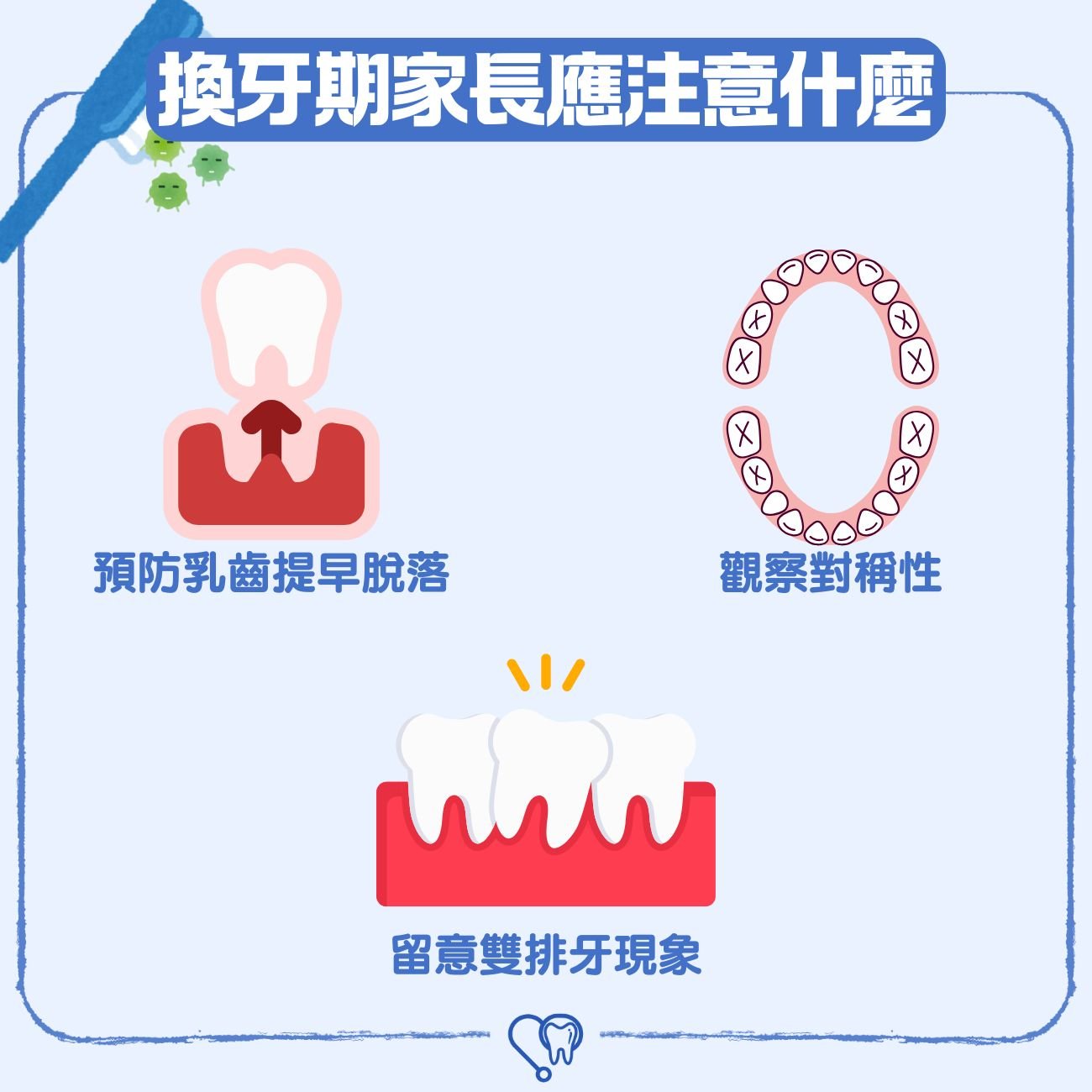
Preventing baby teeth from being lost too early
When baby teeth are lost early for various reasons, a series of potential problems may follow:
- Not enough space: if a baby tooth falls out too early while the permanent tooth is not yet ready to come through, the surrounding teeth may tilt or move towards the gap. This may reduce the space the permanent tooth needs to come through and increase the risk of misaligned or crowded permanent teeth later on.
- Delayed eruption of permanent teeth: in some cases, extracting a baby tooth too early may affect the normal timing of the permanent tooth's eruption, leading to delayed eruption.
- Effect on oral function: if several baby teeth fall out early, this may temporarily affect the child's chewing and speaking, and even the development of the jaw bone.
- Poor development of the dental arch: long-term missing baby teeth may affect the normal development of the dental arch and the growth of the facial bones.
However, in most cases, appropriate intervention and follow-up treatment can effectively reduce or avoid these problems.
Observe symmetry
Pay attention to how the teeth on the left and right sides are changing. If you find that one side has changed teeth while the other side is slow to change, this may be something to watch, and we suggest consulting a dentist to rule out any underlying problem.
Watch for a double row of teeth
During the tooth-changing period, a new permanent tooth may start to come through before the baby tooth has fallen out, commonly known as "double row of teeth".
In most cases, this is temporary and does not need immediate intervention. But if it lasts too long, we suggest consulting a dentist.
Replacing baby teeth with permanent teethhow should you care for the teeth during this period?
The change from baby teeth to permanent teeth is an important stage in every child's growth. Oral care in this period is related not only to current oral health but also affects the future development and alignment of the teeth. At this stage, parents can also give more guidance to help children build good habits:

keep the mouth clean
Brushing every morning and evening is an essential routine. Choose a soft-bristled toothbrush suitable for children and use it with fluoridetoothpaste, which can clean the teeth effectively while avoiding irritation to sensitive gums.fluoridecan strengthen tooth enamel and increase resistance to decay.
Parents should patiently guide the child oncorrect toothbrushing method, including brushing time (at least 2 minutes), brushing angle and force. You can consider using a timer or playing music to make brushing more fun and help the child build a good brushing habit.
Sensible eating habits
Reducing sugar and acidic food is the key to protecting newly erupted permanent teeth. Taking in too much sugar or acidic food increases the risk of tooth decay and causes tooth damage.
Eating more calcium-rich foods, such as milk, yoghurt and leafy green vegetables, can promote the healthy development of permanent teeth.
Parents can make healthy eating fun in creative ways. For example, prepare slices of fruit and vegetables in various colours and make fun shapes, or let the child take part in making healthy snacks to increase their interest.
regular dental check-ups
We suggest taking your child for a full oral check-up every six months. It not only lets problems that may arise, such as tooth decay or baby teeth that fail to fall out naturally, be found and dealt with in time, but also lets the dentist monitor the progress of tooth loss and make sure the permanent teeth come through normally.
Parents can explain a dental check-up as an adventure or exploration, making the whole process fun rather than frightening. This helps the child build a positive impression of the dental clinic and reduces fear of seeing the dentist.
Emotional support and encouragement
Losing teeth may make some children feel nervous or scared, and at this time parents' emotional support and encouragement are very important. If your child is also afraid, you can try the following methods:
- Patiently explain that losing teeth is a natural part of growing up that everyone goes through.
- Share your own experience of losing teeth, so that the child feels it is a normal and interesting experience.
- Set up a small reward plan, such as a small gift each time a baby tooth falls out, so the child looks forward to losing teeth.
- Encourage the child to record their tooth-losing journey, such as by taking photos or writing a diary, so they feel the joy of growing up.
Summary
Losing baby teeth is a key period in oral development. By sticking to good oral hygiene habits, having regular check-ups and giving appropriate support and encouragement as parents, you can help your child get through this important stage smoothly. Create a healthy and happy tooth-changing experience for your child and look forward to a bright smile!
Disclaimer
This article is for information only and does not contain any invitation or solicitation. Patients should seek a professional dentist for diagnosis and treatment according to their own circumstances. To find out more or book a service, we recommend contacting the relevant clinic directly. Please choose suitable dental services and clinics carefully yourself.