Parents are paying more and more attention to their children's dental health, but how do you choose a paediatric dentist?How should decay in baby teethbe treated? We have set out the common services of paediatric dentistry and points to note for care, to help you look after your child's dental health.
Common paediatric dental services
Many dental clinics have dedicated paediatric dental services. These services provide not only baby toothtooth decaytreatment but also treatment of various oral problems, decay prevention and education on correct oral care. Through a range of paediatric dental services, they help parents protect their children's oral health together. Common services are as follows:

Routine regular check-ups
Regular dental check-ups are the basis of paediatric dental care. Through check-ups the dentist can find potential oral problems early and give necessary treatment and advice. This not only helps keep the child's teeth healthy but also lets parents understand their child's oral condition right away and take suitable preventive measures.
We suggest a check-up every six months, so that any tooth problem can be followed up and dealt with in time.
Scaling and Polishing
Scaling and polishing helps remove plaque and tartar from the tooth surface. It not only prevents gum problems, tooth decay andperiodontal diseasebut also keeps the mouth fresh. The process usually includes cleaning and polishing the teeth, which makes the child's teeth brighter and healthier.
Orthodontics
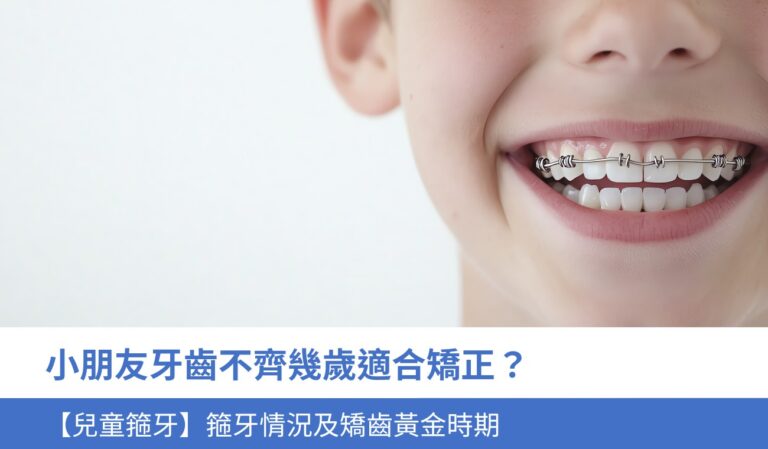
A child's teeth may become misplaced or have a poor bite because of heredity or factors such as long-term use of a dummy or thumb sucking. Correcting teeth early can not only improve the oral structure but also promote normal development of the facial bones.
The problem parents worry about most is a child's teeth not being neat. Paediatric dentistry can address each child's needs, and the dentist will draw up a personalised orthodontic plan to make sure the best result is achieved during correction.
Fluoride Application
Applying fluoride to the tooth surface is an effective way of preventing tooth decay. Fluoride strengthens enamel and further resists erosion by acids.
We suggest a fluoride treatment every 6 to 12 months, together with fluoride toothpaste or mouthwash, to help the teeth stay in the best condition.
Fissure sealants
The deep grooves on the biting surfaces of teeth easily hold food and bacteria. Fissure sealants provide an effective protective measure for children. This sealing technique reduces the build-up of food debris and lowers bacterial growth.
The treatment is painless and quick and can greatly reduce a child's risk of decay, and is especially effective for the biting surfaces of the back teeth.
Dental treatment for decay in baby teeth
Tooth decay is the most common problem in children and one of the main daily treatment services in paediatric dentistry.
When baby teeth have decayproblems, many parents may think baby teeth will eventually be replaced when the teeth change and there is no need to worry too much. But in fact baby teeth play a very important role in a child's growth, including helping with correct chewing and speech and guiding the permanent teeth into the correct position when they come through.
Here are the most common treatments paediatric dentistry offers for such decay:

Fillings for baby teeth
Filling baby teeth is one of the most common ways of treating decay in baby teeth.When decay is at an early stageand not yet severe, the dentist removes the damaged tooth tissue and uses filling material to restore the shape and function of the tooth, preventing the decay from getting worse.
Because baby tooth structure is more fragile, the filling material chosen must have greater flexibility and adaptability.
Root canal treatment for baby teeth (endodontic treatment)
When decay damages the pulp of a baby tooth, there may be severe toothache or discomfort, and a more complicatedRoot Canal Treatmentis needed. The aim of the treatment is to remove the infected pulp tissue, then fill and seal the root to preserve the structure of the baby tooth. To strengthen the tooth structure, it may be necessary to place aCrown.
Keeping baby teeth is very important for maintaining a normal bite, because they ensure the permanent teeth have enough space and the right position to come through, avoiding problems such as crooked teeth caused by losing baby teeth too early.
Extraction of baby teeth
If decay is so severe that evenDental Fillings,Root Canal Treatmentcannot repair it, or the baby tooth has reached the time for natural loss, the dentist may suggest extracting the baby tooth.
Although extracting a tooth may sound a bit frightening, it can prevent infection from spreading to the surrounding teeth and tissues and make room for the permanent teeth about to come through. It not only ensures oral health but also keeps the child's oral development unaffected.
Extraction in children is usually more complicated than in adults, because children's teeth and gum tissue are not yet fully developed, and the dentist needs to work more gently.
How do you choose a paediatric dentist?
With so many dental clinics on the market, how do you pick a good paediatric dentist for your child?
The biggest difference between treating children's teeth and oral problems and treating adults is that children need more comfort and encouragement.
When choosing a paediatric dentist, parents need to consider many factors. Besides the dentist's skills, there is also whether the child feels relaxed and happy at the dentist's. You may refer to the following factors when choosing a suitable paediatric dentist:
Professional qualifications and experience
A dentist with a good educational background and rich clinical experience can provide children with high-quality dental care.
Make sure the dentist holds a paediatric dentistryspecialistqualification, which shows that they have received specialised training and can deal with dental problems specific to children.
Rich experience in treating children's teeth helps a dentist respond better to children of different ages, especially children with special needs or anxiety.
A friendly dental clinic environment
A friendly and comfortable clinic environment helps children feel more at ease and relaxed when seeing the dentist.
The clinic should have a play area or entertainment facilities for children, and use colourful decorations to attract the child's attention. But parents should also make sure the clinic has proper safety facilities, such as emergency equipment and a monitoring system, to protect children's safety.
Patient communication and interaction
Patient communication and good interaction with the child can greatly reduce a child's fear of the dentist.
An excellent paediatric specialist will take time to build a trusting relationship with the child, explain the treatment process in language suited to the child's age, let the child understand and take part in managing their own oral health, and patiently answer questions from parents and the child.
3 key points of paediatric dental care
While making sure your child receives professional dental care, parents also need to know some basic paediatric dental care techniques, to help the child build good oral hygiene habits.

Correct oral care techniques
Teaching childrencorrect toothbrushingand how to floss is the foundation of maintaining oral health.
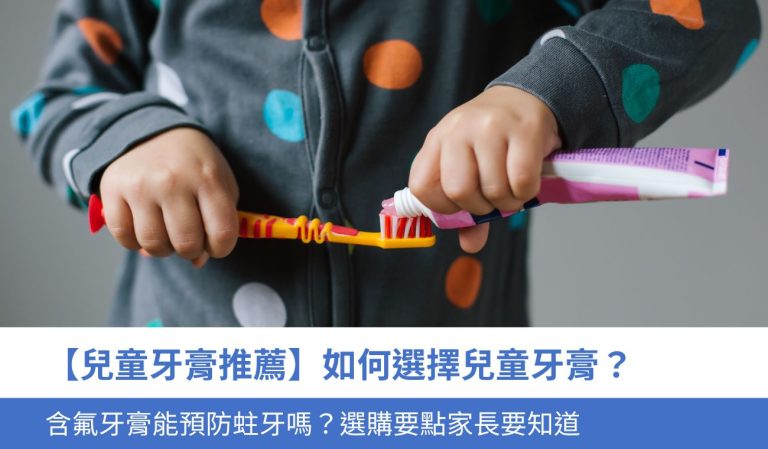
Parents should guide the child to brush at least twice a day, for two minutes each time, with a toothbrush and toothpaste suited to the child's age. Using dental floss regularly can also effectively remove food debris and plaque from between the teeth.
Healthy and balanced eating habits
There are too many temptations of sweets and biscuits in modern life, which easily increase a child's risk of tooth decay.
Parents should encourage children to take in more foods rich in calcium and vitamins, such as milk, fruit and vegetables, to help promote dental health. Moderately limiting sugar and acidic drinks can effectively prevent tooth decay and reduce damage to the teeth.
Regular dental check-ups
Even with good oral cleaning habits at home, regular oral check-ups are still necessary. Taking your child for a check-up and cleaning every six months can effectively prevent tooth and gum disease and let the dentist find potential oral problems early.
Summary
Parents have a great influence on how their child's teeth grow. Choosing a suitable paediatric dentist and understanding basic dental care knowledge can help children build good oral health habits. Consult a professional paediatric dentist regularly for professional advice and guidance on oral health, and have healthy teeth and a confident smile together with your child.
Disclaimer
This article is for information only and does not contain any invitation or solicitation. Patients should seek a professional dentist for diagnosis and treatment according to their own circumstances. To find out more or book a service, we recommend contacting the relevant clinic directly. Please choose suitable dental services and clinics carefully yourself.