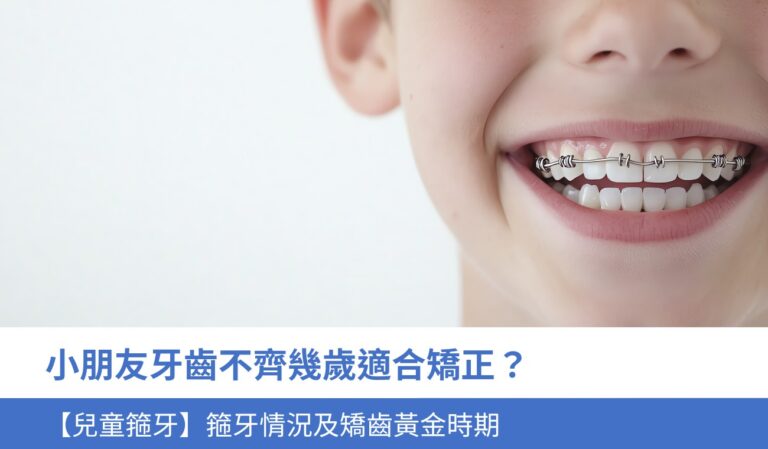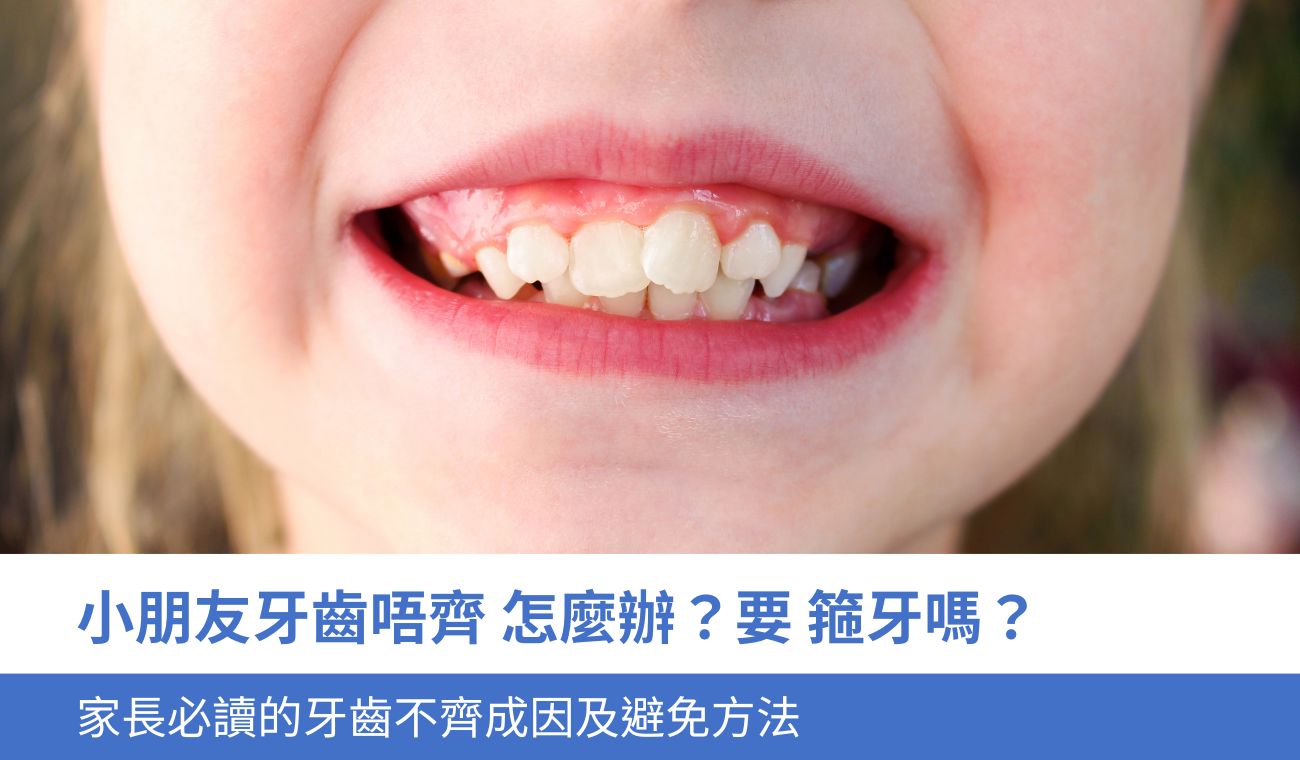
Crooked teeth not only affect appearance but may also bring other oral problems. Do crooked teeth always need braces? TruCare Dental dentists explain the causes of children's crooked teeth and how to avoid them, to help you keep your child's teeth straight!
Do crooked teeth affect appearance?
Crooked teeth are a common oral problem. For children, they not only affect personal appearance but may also affect the child's psychological well-being and, more seriously, may cause other oral problems, so parents must pay attention!
buck teeth
buck teethalso commonly known as protruding teeth, refers to a clear protrusion of the upper front teeth and can be divided into congenital and acquired types.
Congenital factors mainly include teeth that are too large because of genes or poorly developed jaw bones. Acquired factors are mostly related to bad habits, such as long-term use of a dummy or thumb sucking.
Buck teeth not only affect a person's confidence in their appearance but may also stop the mouth from biting together normally, and may even causeteeth grinding,periodontal disease, difficulty chewing and speaking and other effects, which over the long term may lead to temporomandibular joint pain.
underbite
underbiterefers to a situation in which the lower front teeth sit too far forward relative to the upper front teeth. Common causes include underdeveloped upper jaw bone or overdevelopment of the lower jaw bone. As with buck teeth, bad oral habits such as long-term thumb sucking or pen biting may also lead to a reverse bite.
A reverse bite leads to an imbalance in facial muscles and bone structure, affecting the bite, chewing and oral health, causing an asymmetrical facial appearance and affecting personal image.
Other conditions
Besides buck teeth and reverse bite, there are other dental cases worth noting. These problems not only affect appearance but may also affect children's oral health and psychological development, causing difficulties in chewing and speaking and affecting confidence.
- Crowded teeth: not enough space because the teeth are too large or the jaw is too small.
- Gappy teeth: usually caused by teeth that are too small or a jaw that is too large.
- Early loss of baby teeth: if baby teeth are lost too early, permanent teeth may not come through in the expected position.
Why children's teeth grow crookedWhat are they?
As a parent, to decide whether to have your child undergo orthodontic treatment, you first need to understand what causes teeth to grow crooked. The causes of crooked teeth mainly include lifestyle habits, features of the stage of tooth growth, genetic factors and oral health problems.
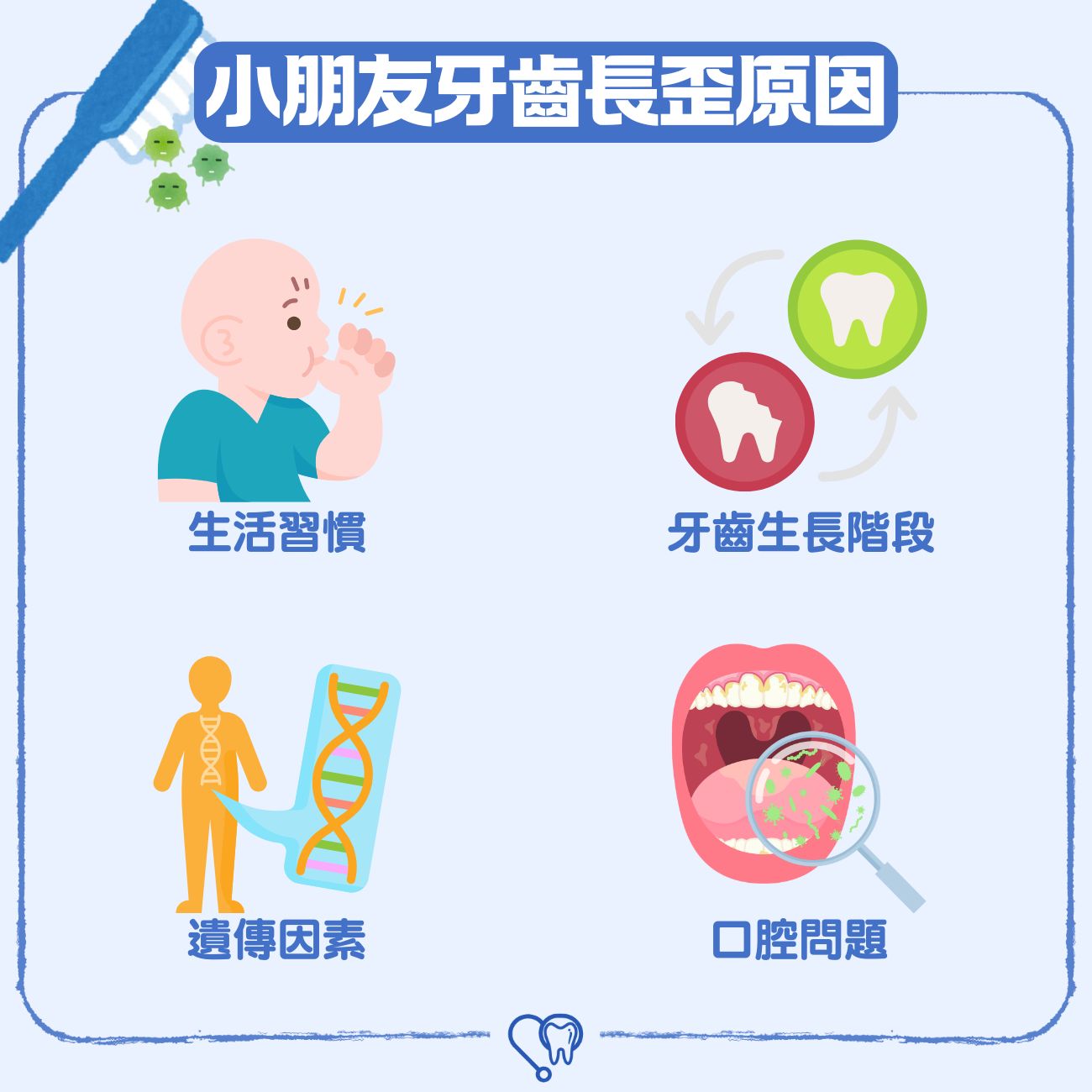
lifestyle habits
Long-term thumb sucking or use of a dummy may narrow the upper dental arch into a "V" shape while the lower jaw stays "U"-shaped, leaving the upper and lower teeth misaligned.
In addition, a habit of long-term mouth breathing because of allergies or other reasons will also affect the development of the facial muscles and the shape of the dental arch, leading to crooked teeth.
Stages of tooth growth
Teeth grow and develop through different stages, and not every stage of crooked teeth needs correction. Each stage has its own features:
Before 6 years old, because baby teeth have not yet been fully replaced by permanent teeth, the alignment of the teeth may be unstable, and during this period regular observation is all that is needed.
From 8 to 12 years old, permanent teeth gradually come through. If bite problems appear in this period, we suggest orthodontic treatment can be considered, and this is generally regarded as the golden period for wearing braces.
After 16 years old, wisdom teeth slowly come through. If they do not come through in the right position, they can easily affect the neighbouring teeth and cause the teeth to tilt, and orthodontic treatment can also be considered at this stage.
genetic factors
If there are family members with crooked teeth, the child may also inherit similar problems, affecting the growth and alignment of the teeth.
Oral problems (tooth decay, periodontal disease)
tooth decay, periodontal disease and other oral diseases may also lead totooth shifting, and even gaps left by extractions will affect the overall bite and alignment.
uneven teeth Is correction needed?
After understanding the causes of crooked teeth, the next step is to assess whether correction is needed. This decision usually depends on several factors, including how the teeth are lined up, bite problems, and the child's age and stage of development.
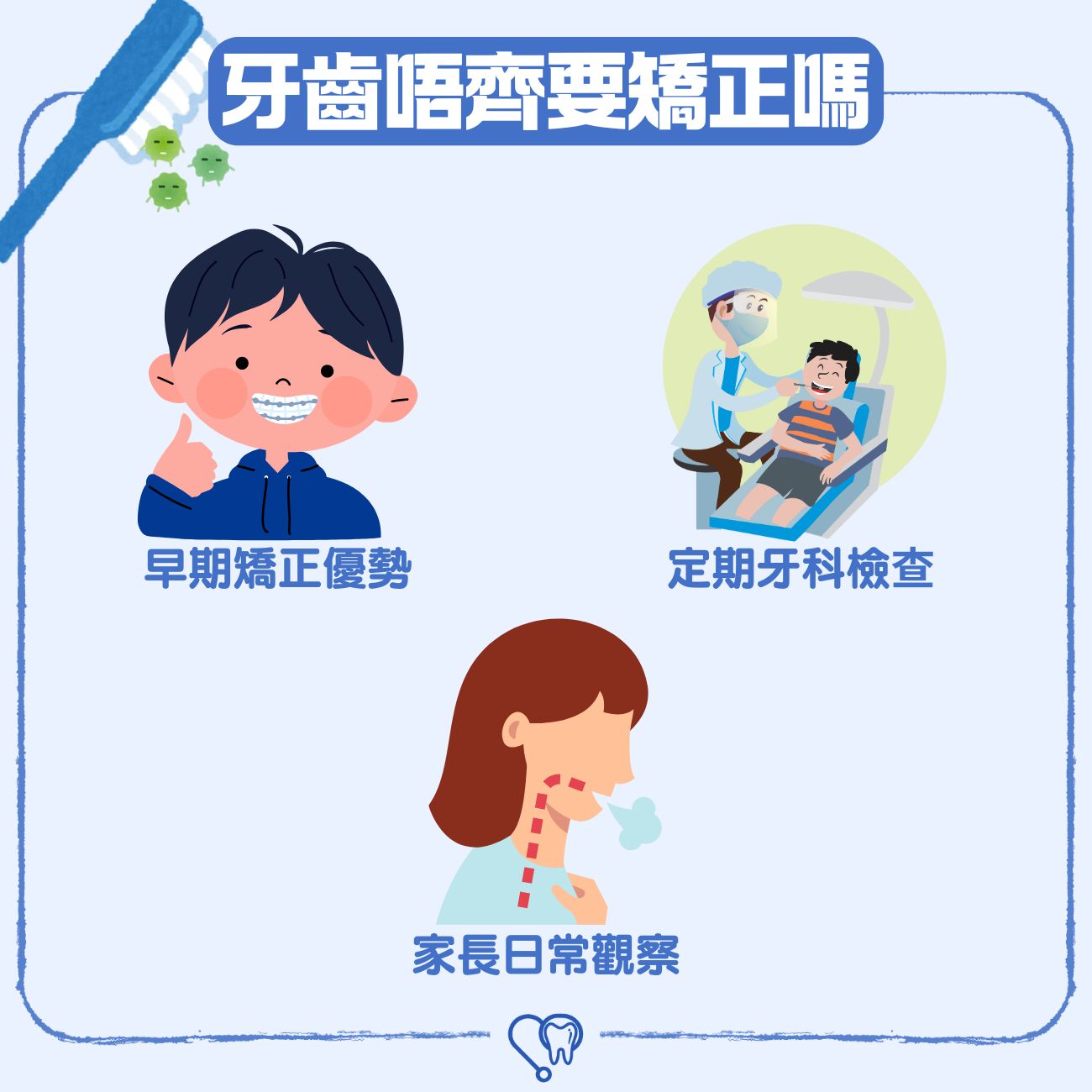
Advantages of early correction
Early correction can assess and address problems related to tooth alignment, bite relationship or jaw development while a child's bones and teeth are still developing. Depending on the case, early intervention may help reduce the complexity of later orthodontic treatment, and some patients may also see improvements in speech or oral function.
Clear aligners are one of the common orthodontic methods today. They are removable and less noticeable, but whether they are suitable still needs to be assessed by a dentist or orthodontist based on tooth alignment, bite problems and how consistently you can wear them.
regular dental check-ups
Children should have regular oral check-ups before the age of 6, so that a professional dentist can assess the condition of the teeth. Regular check-ups not only detect problems early but also allow a suitable treatment plan to be drawn up. If teeth are not straight and there are potential problems, the dentist will suggest starting to wear braces at the right time.
Parents' daily observation
It is also important to observe a child's oral habits day to day, such as whether the child breathes through the mouth or sucks their thumb, as these habits may affect normal tooth development. Spotting and correcting these habits in time can prevent or reduce crooked teeth.
How to avoid crooked teeth
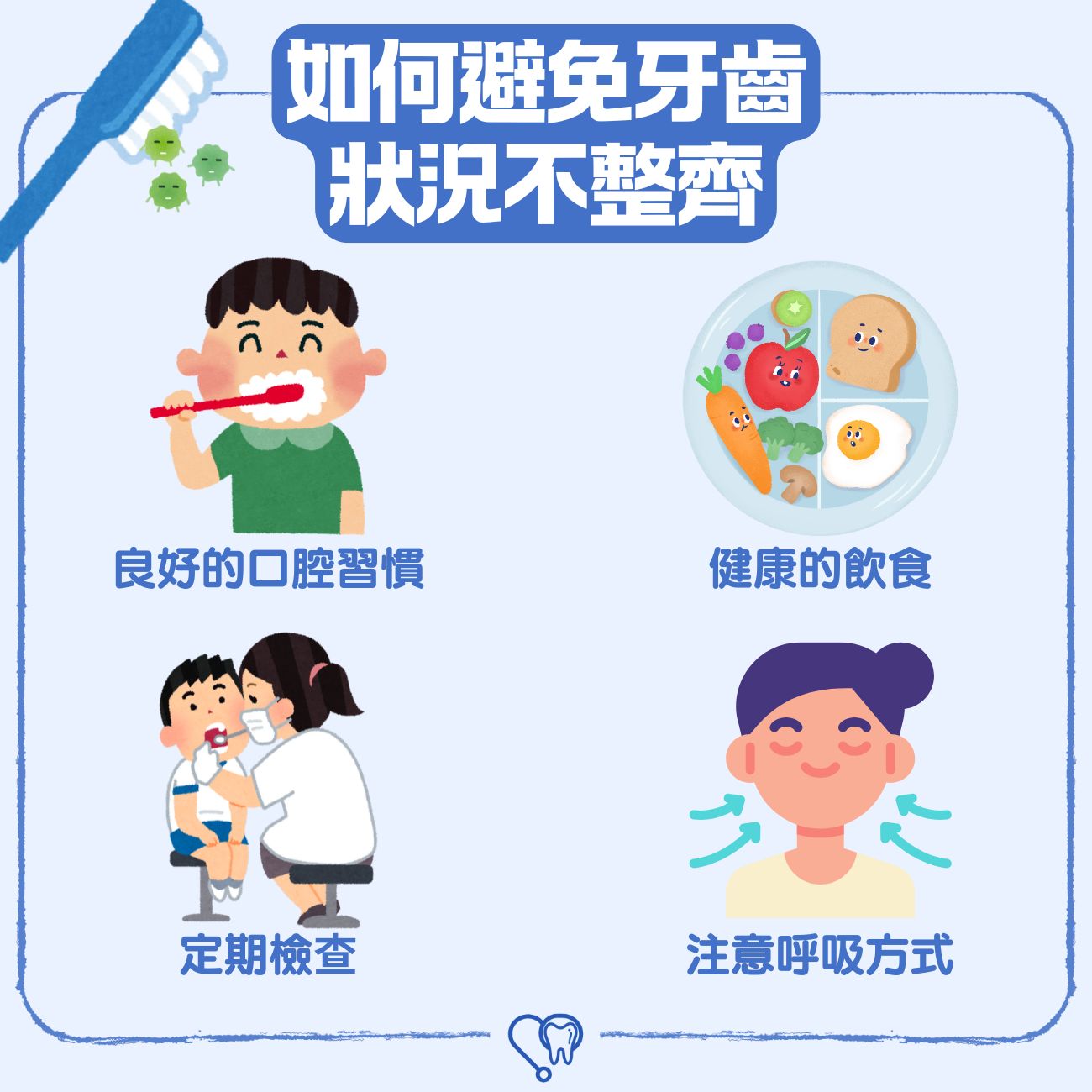
To avoid or reduce crooked teeth, parents can start from the following areas to help their child build good habits:
Good oral habits
Choose a toothbrush and toothpaste suited to the child's age, and teach the child to brush once in the morning and once in the evening. A soft-bristled toothbrush cleans the teeth effectively without hurting the gums. For younger children, a children's toothpaste with a lower fluoride content can be chosen,correct toothbrushing methodand we recommend brushing gently in the direction from the gums towards theCrownbiting surface, to make sure every tooth surface is thoroughly cleaned.
Thumb sucking or long-term use of a dummy may push the teeth forward, affecting tooth alignment and jaw development. Parents can help children gradually give up these habits through patient guidance and positive encouragement. In some cases, using a harmless bitter-tasting finger coating or specially designed gloves can also help children stop thumb sucking.
A healthy diet
A healthy diet is not only good for overall health but also plays a key role in the development of the teeth and jaw bones. Encouraging children to eat more fresh fruit and vegetables not only provides the necessary nutrition but also helps clean the teeth.
Parents should give their children foods rich in calcium and vitamins, such as milk, cheese and leafy green vegetables, to promote the healthy development of the jaw bones and teeth.
Limit sugary foods. A long-term high-sugar diet not only increases the risk of tooth decay but may also affect the normal development of the jaw bones. Pay special attention to limiting sticky sweets and sugary drinks, because these foods easily stick to the tooth surface and increase the risk of tooth decay and gum disease.
Regular Check-ups
We suggest taking your child to the dentist once every six months, so that any potential tooth problems can be found and dealt with early. A professional dentist can assess the child's tooth development through a thorough examination and give timely intervention when necessary.
At these regular check-ups, the dentist will suggest a professional cleaning and can also give personalised oral care advice according to the child's specific situation, such as preventive treatments like fluoride mouthwash or fissure sealants.
Pay attention to how your child breathes
It is important to encourage children to build a habit of breathing through the nose, because long-term mouth breathing may lead to underdevelopment of the upper jaw and affect how the teeth line up.
Through professional diagnosis and treatment, children can be helped to improve how they breathe, promoting normal jaw development and neat tooth alignment.
Parents can help children strengthen the muscles around the mouth and improve their breathing pattern through some simple facial muscle exercises.
FAQ
Baby teeth coming through crooked: should they be extracted or straightened?
The alignment of baby teeth has a great effect on how permanent teeth come through later. Unless baby teeth seriously affect the eruption of the permanent teeth or cause other oral problems, extraction is not recommended.
Suitable correction may be a better choice. Correcting baby teeth can create good space and an environment for the later growth of the permanent teeth. This kind of early intervention can reduce the need for more complex orthodontic treatment in future.
However, every child's situation is unique, and we still suggest consulting a professional paediatric dentist to draw up a suitable treatment plan based on the child's specific situation.
Is it better if baby teeth are neat?
Neat baby teeth have a positive effect on a child's appearance, function and the eruption of permanent teeth,However, sometimes baby teeth coming through neatly is not necessarily a good thing: if baby teeth are lined up too tightly, it may mean the jaw bone is small, which means there will not be enough room for the permanent teeth to grow in future, causing crowding or misalignment.
Is it true that eating hard food helps teeth line up?
This claim has some truth to it, but it needs to be understood correctly.
Eating nuts, apples and similar foods in moderation can indeed promote jaw development, strengthen teeth and improve chewing muscle function. These all help stimulate jaw development and tooth alignment, but eating too many very hard foods may damage the teeth.
We suggest moderately increasing foods that need chewing in the daily diet, but avoiding foods that are too hard, such as ice cubes or hard sweets.
What is the ideal tooth alignment?
Ideal tooth alignment should have the following features:
- Upper and lower teeth bite together in harmony: the upper teeth slightly cover the lower teeth, forming a slight overlap.
- Suitable spacing between teeth: there should be suitable gaps between the teeth, neither too crowded nor too spread out.
- Neat tooth alignment: every tooth should be in the right position, with no obvious rotation or tilting.
- Facial symmetry: the position of the teeth should suit the facial contour and keep the face symmetrical.
- Normal function: ideal tooth alignment should support normal chewing, speaking and breathing.
It is worth noting that everyone's facial structure and tooth shape differ, so the ideal standard also differs.
Summary
When a child has crooked teeth, we can start by finding out which cause is behind it. Not all crooked teeth need braces, and a professional paediatric dentist can help us judge and draw up a better treatment approach!
Disclaimer
This article is for information only and does not contain any invitation or solicitation. Patients should seek a professional dentist for diagnosis and treatment according to their own circumstances. To find out more or book a service, we recommend contacting the relevant clinic directly. Please choose suitable dental services and clinics carefully yourself.