
Why is your mouth dry even though you drink plenty of water? What should you do if you often feel very thirsty? This article explores the causes, symptoms and solutions of dry mouth, to help you maintain oral health and stay away from dryness problems!
dry mouth and tongueIs it an illness? Understanding the definition of dry mouth (xerostomia)
A dry mouth does not necessarily mean illness, but if you have dry mouth, a sore throat and similar symptoms for a long time, to the point of affecting speaking, eating or oral health, it should not be ignored.
This may be "dry mouth" (Xerostomia), meaning insufficient saliva production that leaves the mouth dry for long periods. Saliva does more than keep the mouth moist; it also has antibacterial and digestive functions and protects the teeth. If saliva production decreases, it not only makes the mouth uncomfortable, but may also cause other health problems.
Why does the mouth feel dry?
According to doctors, the most likely causes of a dry mouth are dehydration inside the body (after intense exercise, illness with fever, diarrhoea from bad food, polyuria and so on) and reduced saliva. Let us look at several common main factors:
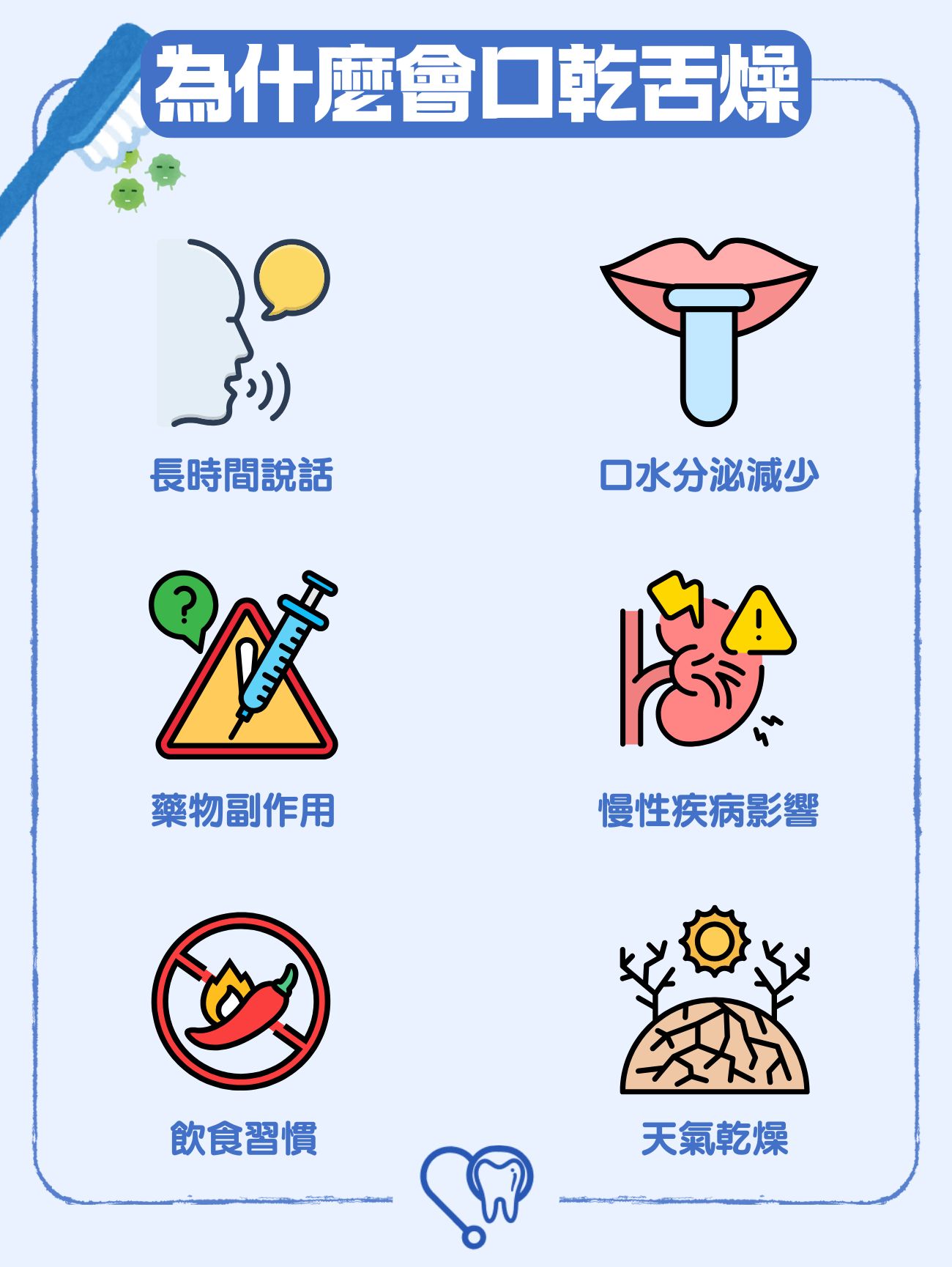
Prolonged talking and life stress
Some occupations require a lot of talking, such as teachers, customer service staff and salespeople. Saliva evaporates quickly and the mouth gets dry easily.
Or when work or study stress is high, the sympathetic nervous system is activated and the body enters "fight mode", which also reduces saliva secretion.
Reduced saliva production
With age, the function of the salivary glands may weaken. Especially in women, menopausal hormonal changes and irregular periods may affect saliva secretion, making the mouth drier.
medication side effects
Certain medications affect saliva secretion, such as antihistamines, blood pressure medication, antidepressants and diuretics. If you take them long term and find your mouth becomes very dry, you may wish to ask your doctor whether there are alternatives.
Effects of chronic illnesses
Some endocrine disorders affect the function of the salivary glands and lead to a dry mouth. For example:
- Diabetes: because blood sugar is too high, the body needs to excrete excess sugar, so water intake rises and urine output increases; the cells keep losing water, which leads to thirst.
- Hyperthyroidism: because the body's metabolism is faster, water evaporates faster, worsening dry mouth.
Others, such as rheumatoid arthritis, Sjögren's syndrome (also known as sicca syndrome), or cancer patients receiving radiotherapy (especially radiotherapy to the head and neck), may have damaged salivary glands, causing long-term or permanent dry mouth.
Dietary habits and insufficient nutrition
Drinking too little water, drinking alcohol, coffee, tea and other diuretic drinks often, or eating food that is too spicy or too salty may all cause a temporary lack of water in the body, so that you feel thirsty and dry.
Insufficient nutrients in the daily diet, such as a lack of vitamin B2, B12, vitamin C and folate, can also cause a dry mouth or mouth ulcers.
Dry weather or long periods in air-conditioned rooms
Spending a long time in an air-conditioned room, or in dry winter weather, means low air humidity and fast evaporation of moisture from the mouth, which easily makes the mouth dry and rough.
What symptoms does dry mouth cause?
Dry mouth causes more than discomfort; it can also bring other oral health problems:
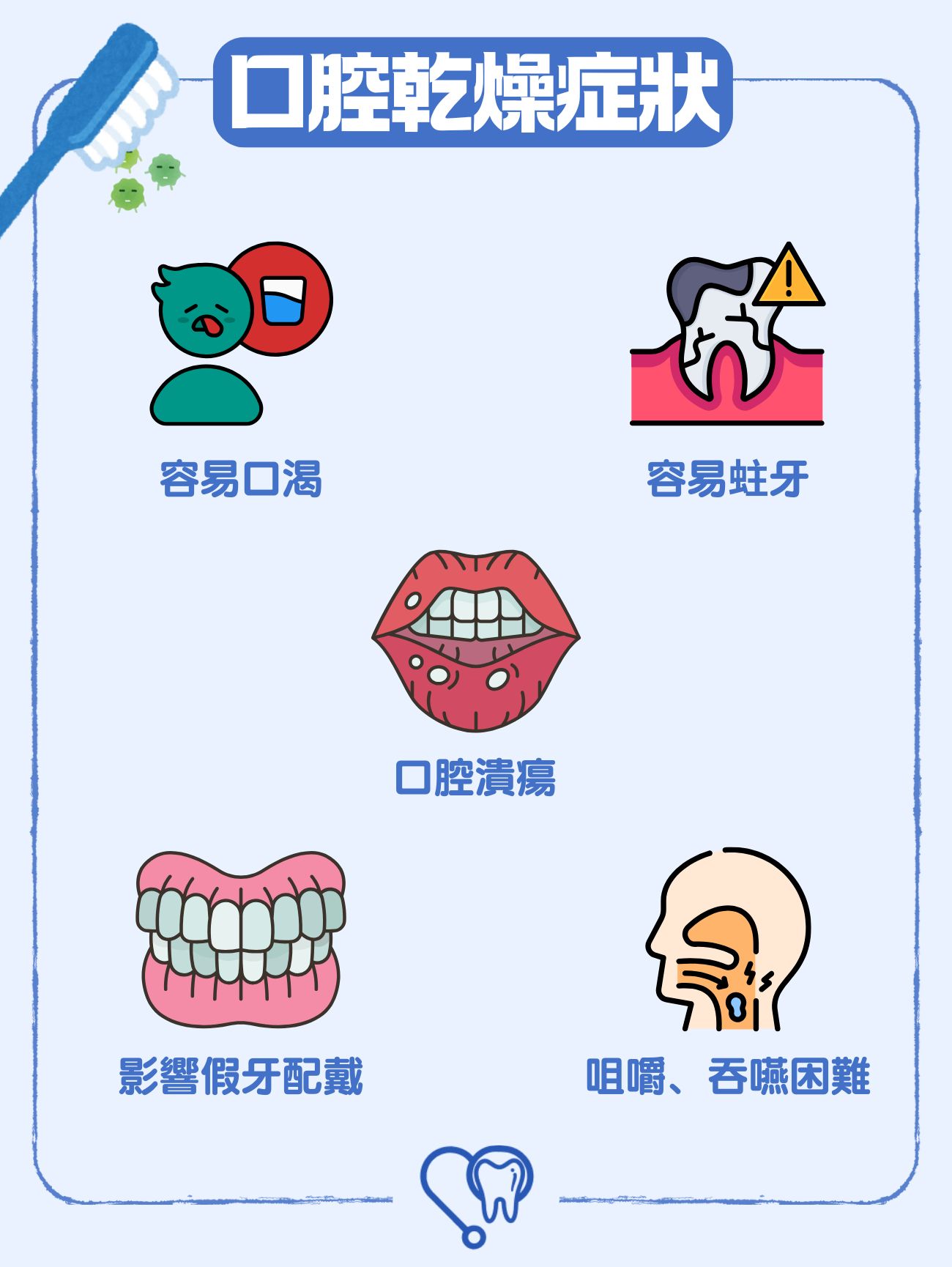
Easily thirsty
Always feeling a dry mouth that drinking water cannot fully relieve.
Prone to tooth decay
Saliva protects the teeth. Without saliva, bacteria can attack the teeth more easily.
mouth ulcer
When the mouth is dry, the oral mucosa is more easily damaged, leading to inflammation,ulcer.
Affects wearing of dentures
A dry mouth can makedenturesfit less snugly, leading to discomfort or pain.
Difficulty chewing and swallowing
Without enough saliva to lubricate food, eating becomes difficult.
When do you need to see a doctor? Signs and warnings of dry mouth
If dry mouth is already affecting your daily life, for example:
- A dry mouth for a long time that drinking water cannot relieve
- Frequent mouth ulcers and dental problems
- Difficulty eating, swallowing or speaking
- Having a chronic illness or taking medication that may affect saliva production
These situations may point to a more serious problem, and you need to consult a dentist or an ENT (ear, nose and throat) doctor.
How to improve dry mouth? 6 practical solutions for dry mouth
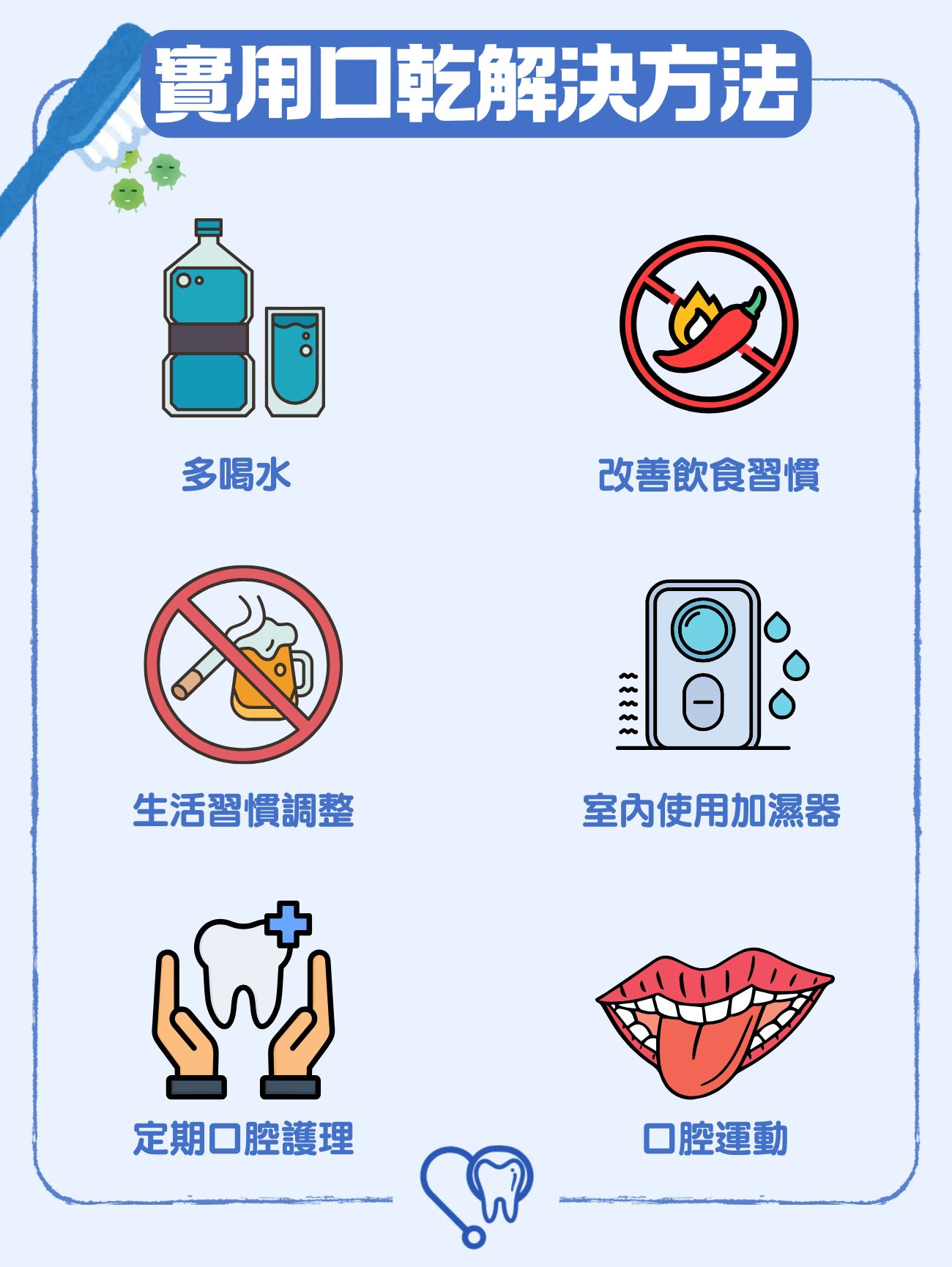
drink more water
It is recommended to drink enough water every day, in small amounts and often, instead of waiting until you are thirsty. Sip slowly so that the body can absorb the water more easily.
Some people also find that warm water stimulates saliva secretion better than cold water. Especially in dry weather, warm water can moisten the mouth and promote blood circulation.
Improve eating habits
- Eat more foods with high water content: such as cucumber, watermelon and oranges, which all help replenish fluids.
- Chew gum: gum containing xylitol, or sugar-free chewing gum, can be used to stimulate saliva secretion and help reduce the feeling of dryness.
- Get vitamin A, B complex and C: these vitamins help maintain oral health and are best obtained from fruit, vegetables and wholegrains.
- Avoid overly salty or spicy foods: these foods easily make the mouth drier and worsen dry mouth.
- Drink less coffee, alcohol and tea: these drinks have a diuretic effect, speed up water loss and cause dry mouth.
lifestyle adjustments
Some people breathe through the mouth out of habit because of nasal allergies or because their nose easily becomes blocked during sleep. This should be avoided as far as possible; breathing through the nose more helps reduce evaporation of moisture from the mouth.
For smokers, it is recommended to quit smoking or cut down, because nicotine in tobacco irritates the oral mucosa and affects the normal function of the salivary glands.
Use a humidifier indoors
If you spend a long time in an air-conditioned room, it is recommended to use a humidifier to increase air humidity and reduce evaporation of moisture from the mouth. You can also place a glass of water in the room or keep indoor plants to raise humidity.
Regular oral care
Brush regularly and use dental floss to keep your mouth healthy and reduce the risk oftooth decay. Choose alcohol-free mouthwash to avoid over-irritating the mouth.
When choosing toothpaste, watch out for ingredients that may irritate the oral mucosa, such as some foaming agents or flavourings. If you have dry mouth or a sensitive mouth, it is recommended to choose a suitable fluoride toothpaste or other oral cleaning products after assessment by your dentist.
Mouth exercises to stimulate the salivary glands
- Gently bite the tongue: Gently bite the tip of your tongue for about 5 seconds, then let go, and repeat a few times to stimulate saliva flow.
- Massage the cheeks: Gently massage the parotid glands (the cheeks beneath the ears) with your hand to promote salivary gland activity.
- Stretch the tongue: Stretch your tongue forward for 10 seconds and then pull it back. Repeat a few times to help promote saliva flow.
FAQ
dry mouth and tongueWhich specialty should you see?
It depends on what is causing the dry mouth. If it is only an occasional dry mouth, you usually do not need to see a doctor. But if dry mouth persists for a long time, or comes with other symptoms such as dental problems, mouth ulcers or difficulty swallowing, it is advisable to consult a dentist first to check for oral health problems, such asperiodontal diseaseor abnormal salivary gland function.
If you suspect that dry mouth is related to medication or a systemic illness (such as diabetes or sicca syndrome), you can make an appointment with an ENT doctor or an internal medicine doctor, who may arrange further tests or even refer you to rheumatology or endocrinology.
What nutrients is the body lacking when the mouth is dry?
Dry mouth may be a sign of dehydration, but sometimes it is also related to insufficient nutrients. The following are several nutrients that may affect saliva production:
- B vitamins(B2, B6, B12): help maintain nervous system and mucosal health; a deficiency may cause dry mouth or oral inflammation.
- Zinc: affects the sense of taste and the immune system; a deficiency may make the mouth dry and lower taste sensitivity.
- Omega-3 fatty acids: have an anti-inflammatory effect and help maintain mucosal health; a deficiency may worsen dry mouth.
- Vitamin A: essential for maintaining the health of the mucous membranes of the mouth and skin; a deficiency may make the mouth dry and prone to cracking.
If you often feel a dry mouth, besides drinking more water, you are advised to review your daily diet to see whether you are getting enough of the nutrients above.
What to drink for a dry mouth?
Suitable drinks not only quench thirst but also help keep the mouth moist and reduce the discomfort caused by dry mouth. The following drinks are for reference:
- Warm water: the simplest and most direct method, which helps with hydration and stimulates saliva production.
- Coconut water: contains natural electrolytes and can replenish fluids quickly; suitable after sweating in hot weather or exercise.
- Goji berry and chrysanthemum tea: In Traditional Chinese Medicine, goji berries are believed to nourish the kidneys and promote body fluids, while chrysanthemum clears heat and soothes the throat; suitable for people with a "hot and dry" constitution.
- Honey water: honey soothes the throat and has antibacterial properties, and can ease the discomfort caused by dry mouth.
- Soya milk or almond milk: these plant-based milks are rich in nutrients and fairly gentle.
- Winter melon tea or sugar cane juice: common "heat-clearing" drinks that help bring down internal heat and moisten the mouth.
Summary
Dry mouth is a common symptom that not only affects daily life but may also have adverse effects on oral health. Through appropriate dietary adjustments, lifestyle changes and daily care, dry mouth can be improved. But if the symptoms persist or affect your quality of life, it is advisable to seek medical attention early, to ensure the health of your mouth and body!
Disclaimer
This article is for information only and does not contain any invitation or solicitation. Patients should seek a professional dentist for diagnosis and treatment according to their own circumstances. To find out more or book a service, we recommend contacting the relevant clinic directly. Please choose suitable dental services and clinics carefully yourself.



