Is the "dished face / crescent face" that people so often talk about a reverse bite? In fact, a reverse bite is a fairly common oral problem. It affects not only appearance and confidence, but may also make a patient's speech unclear, and may even cause a range of oral functional disorders. This article sets out the causes and effects of reverse bite to help you improve the bite and appearance early, and shares everyday care and prevention to maintain oral health!
What is a reverse bite?
Lower teeth protrude more than upper teeth
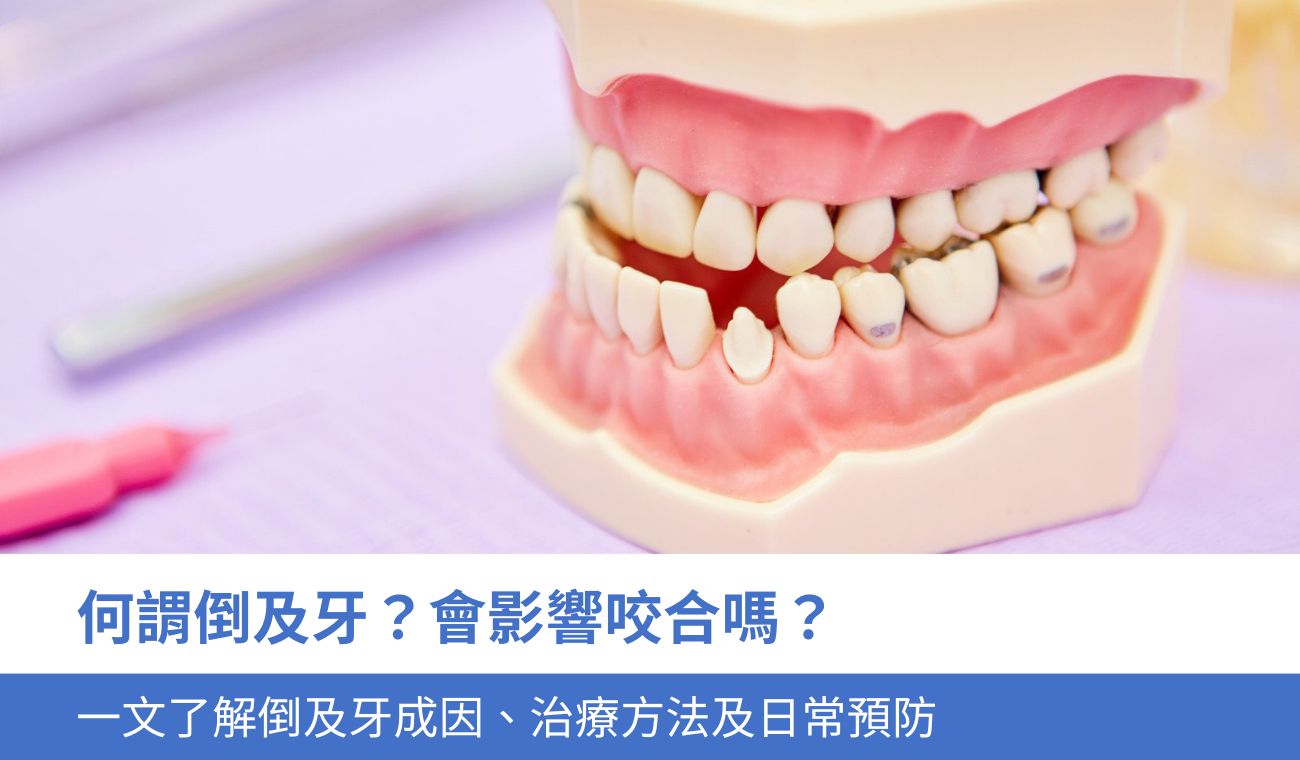
A reverse bite means that when the teeth are fully closed, the lower teeth protrude further than the upper teeth, or even cover the upper teeth; or, seen from the side, the chin protrudes much more than the upper jaw, and a "flat mouth" appearance may also occur.
This may result from an abnormal skeletal structure or tooth alignment, which throws the whole bite system out of balance and may cause abnormal chewing function, speech problems, tooth wear and oral disease.
Reverse bite in face reading
In physiognomy, a reverse bite is regarded as an "underbite", signifying "an excess of earth and a lack of heaven", and is considered an inauspicious facial feature. It is usually associated with an unsmooth love life, many setbacks in romance and poor marriage prospects. These explanations, however, are based mainly on traditional physiognomy and are not scientifically proven.
In real life, a reverse bite is mainly an oral problem that may affect chewing function and appearance, and is not directly related to fortune or personality.
underbiteThree main types
According to the causes and forms of reverse bite, we can roughly divide it into the following three types:
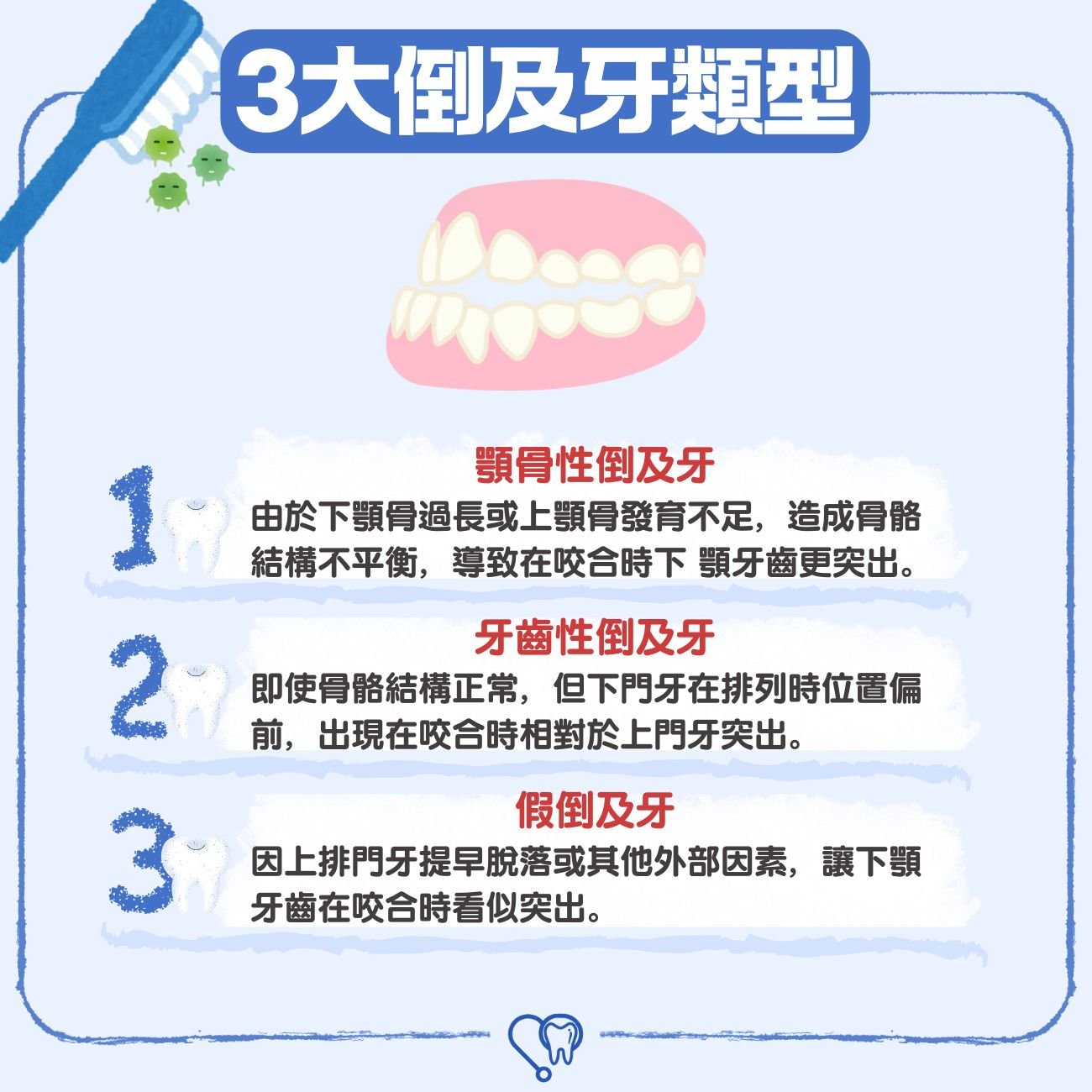
Skeletal reverse bite
Because the lower jaw bone is too long or the upper jaw bone is underdeveloped, the skeletal structure is unbalanced, so that the lower teeth protrude more when biting. It is usually related to a congenital skeletal structure.
Treatment recommendation: orthodontic treatment combined with surgery, with a comprehensive treatment plan drawn up according to the individual's constitution.
Dental reverse bite
Even though the skeletal structure is normal, the lower front teeth are positioned too far forward, so that they protrude relative to the upper front teeth when biting.
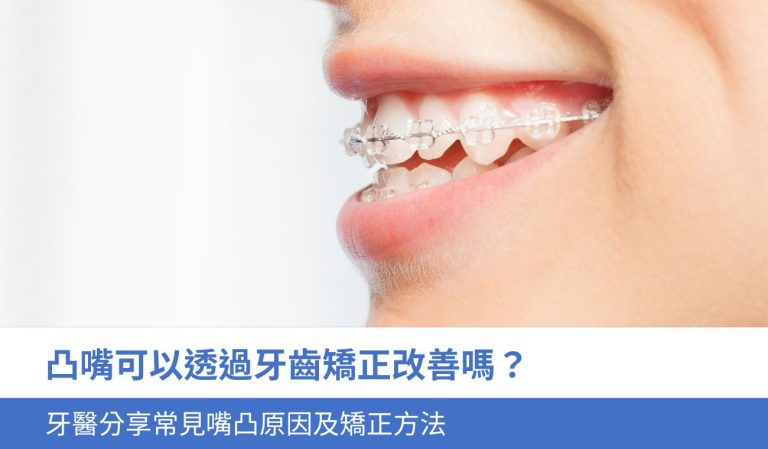
Treatment recommendation: may need to rely mainly onOrthodonticstreatment, such asTraditional metal bracesorClear Aligners, to realign the teeth.
False reverse bite
Because the upper front teeth fell out early or because of other external factors, the lower teeth look as if they protrude when biting. This is not a real problem of the teeth or skeletal structure, but a visual effect caused by the lack of support from the upper teeth.
Treatment recommendation: for this situation, usually it is enough to restore or rebuild the teeth to bring back the normal proportion and bite relationship between the upper and lower teeth.
underbiteCauses
A reverse bite is usually caused by the teeth'sgrowthangle and position, but it is often more complicated and harder to handle, because the more common root problem lies in the jaw bone rather than the teeth. The main causes fall into the following two categories:
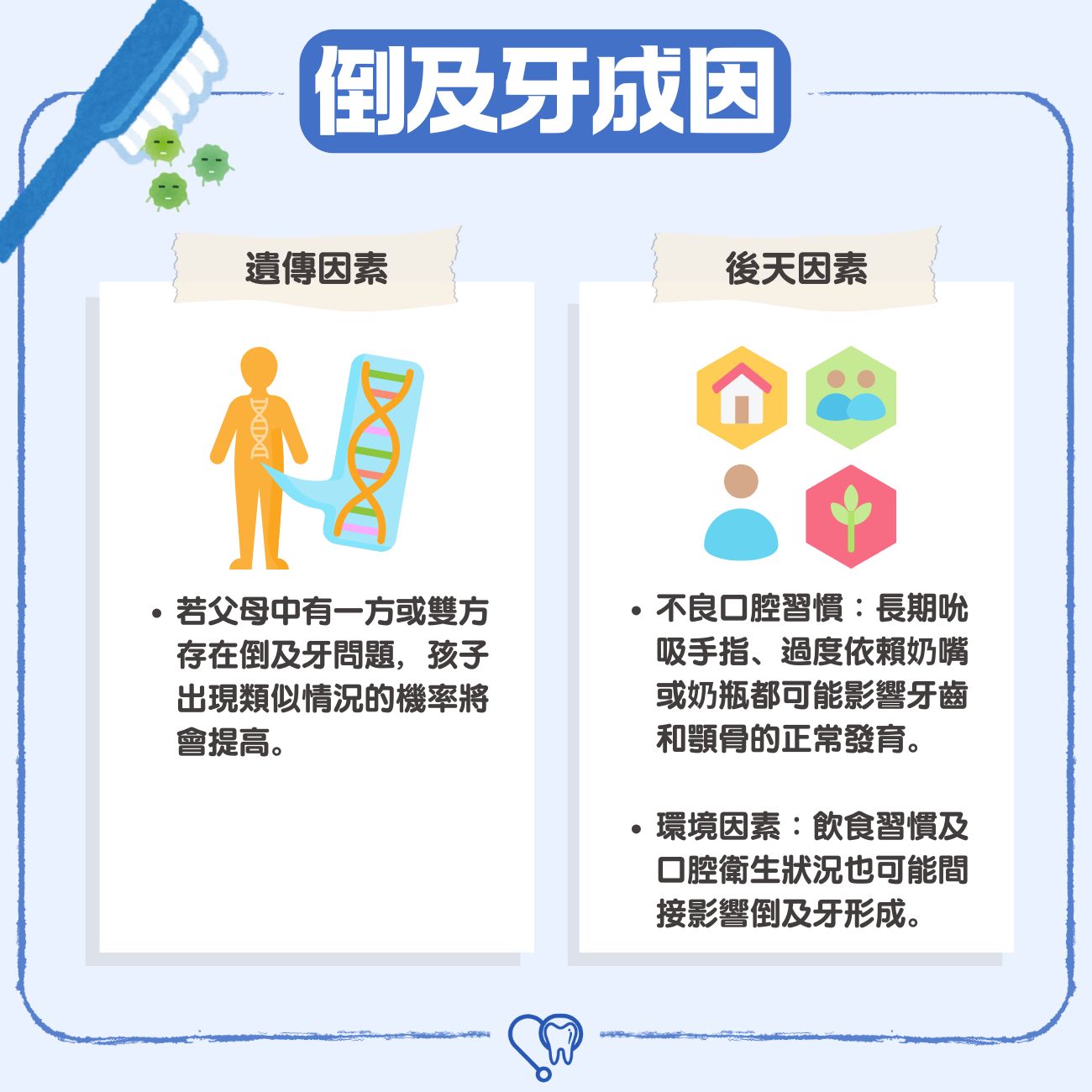
genetic factors
If one or both parents have a reverse bite, the chance of a child having a similar condition is higher.
Acquired factors
- poor oral habits: habits such as long-term thumb sucking and over-reliance on a dummy or feeding bottle may affect the normal development of the teeth and jaw bones and increase the chance of a reverse bite.
- environmental factors: eating habits and oral hygiene may also indirectly affect the formation of a reverse bite.
underbite– how does it affect oral health?
A reverse bite is related not only to appearance but also affects overall oral health in many ways:
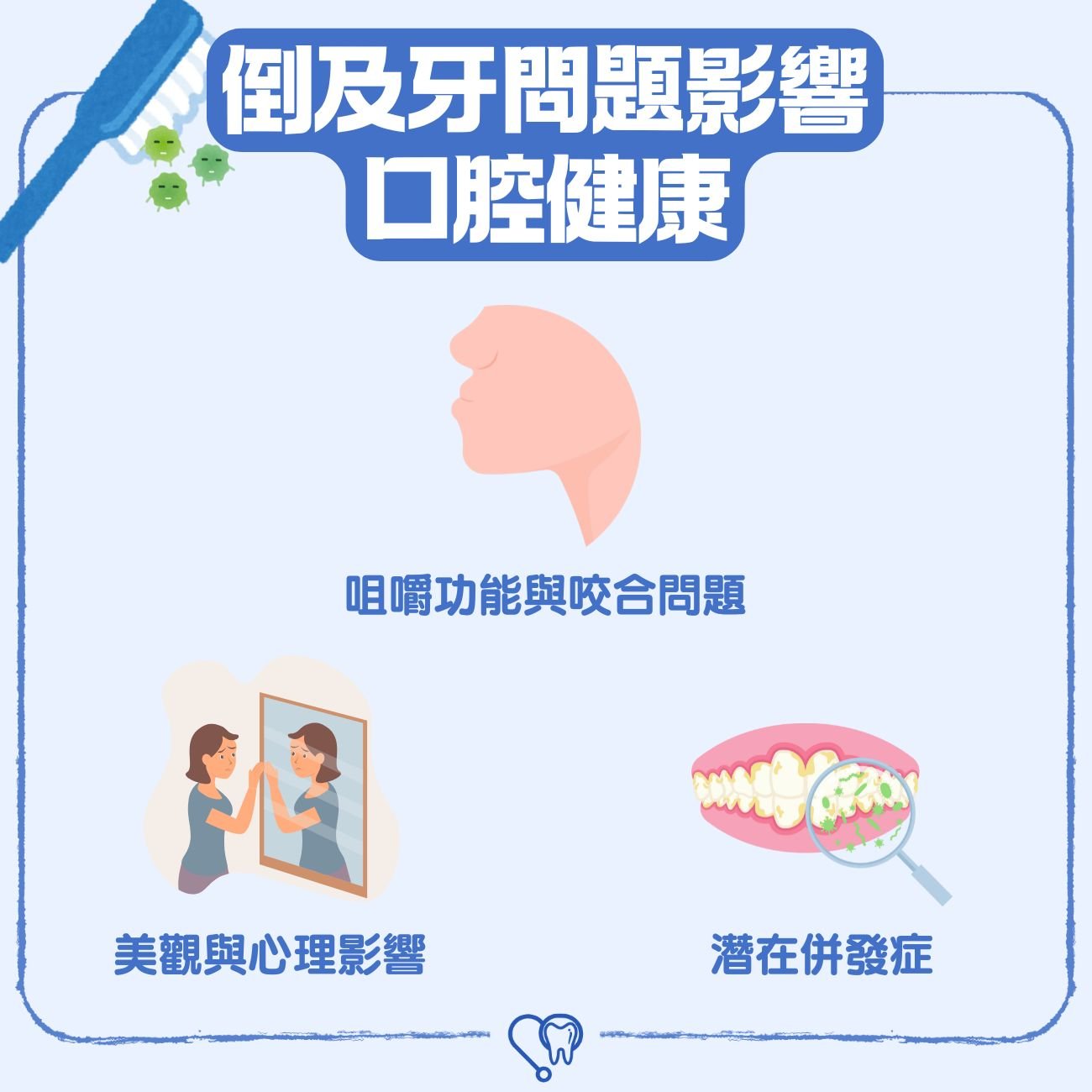
Chewing function and bite problems
Because the teeth are not properly aligned, the upper and lower teeth often cannot share the chewing pressure evenly when biting. This greatly reduces chewing function and causes difficulty eating, affecting digestion and overall nutrient absorption, and over the long term may lead to abnormal development of the jaw bones and chewing muscles.
Effects on appearance and psychology
Uneven teeth affect a person's smile and the overall attractiveness of the face. For young people who care about their image, this may reduce self-confidence and affect social performance.
Potential complications
An incorrect bite may also cause excessive wear of the teeth and may even raise the risk ofperiodontal diseaseortooth decay, increasing the difficulty and cost of future treatment.
Protruding lower jawOrthodontic treatment methods
Depending on the severity and cause of the reverse bite, the treatment also differs. Dental clinics today can already offer a variety of effective orthodontic options, commonly including:
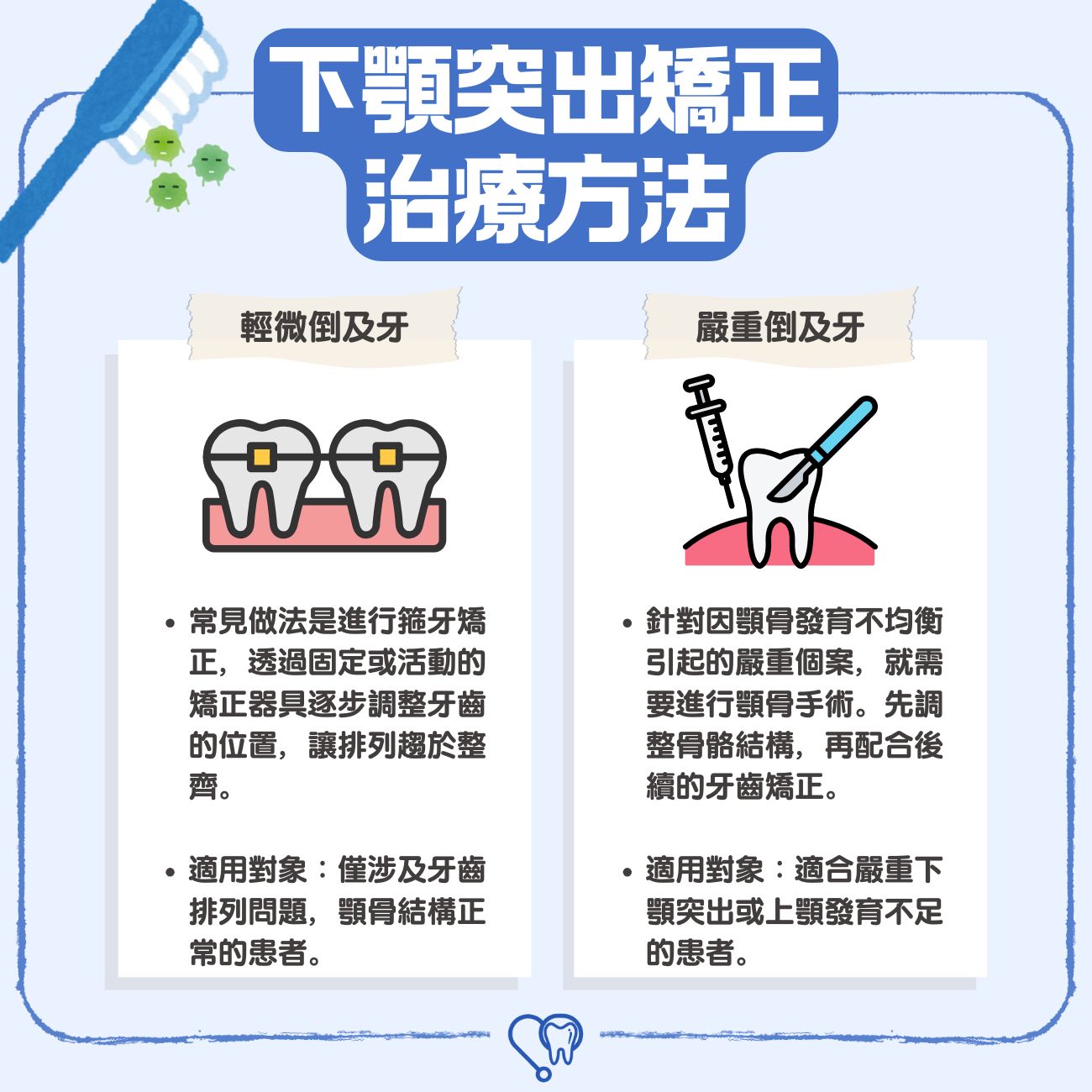
Mild reverse bite: orthodontic treatment with braces
For a mild reverse bite, the common approach is an orthodontic treatment course, gradually adjusting the position of the teeth with fixed or removable appliances so that they become neatly aligned.
The golden period for treating a child's reverse bite is usually around six to eight years old, because the bones are still developing and correction is easier. But a skeletal reverse bite usually has to wait until development is complete (around 18-20 years old) before surgical treatment can be carried out.
Suitable for: results are better for patients whose problem involves only tooth alignment and whose jaw bone structure is normal.
Severe reverse bite: jaw correction surgery
For severe cases caused by uneven development of the jaw bones, jaw surgery (also called orthognathic surgery) is needed. Corrective surgery usually needs a professional dental team working together throughout, first adjusting the skeletal structure and then following with orthodontic treatment, and the treatment takes longer.
Suitable for: suitable for patients with a severely protruding lower jaw or underdeveloped upper jaw, to be decided after detailed assessment by a professional dental team.
Whichever method of correcting a reverse bite you choose, it is advisable to consult a dentist first to assess your specific situation, and then draw up a treatment plan for you.
Daily care and prevention
Besides receiving professional treatment, daily oral care and preventive measures are equally important and can effectively prevent the problem from getting worse.
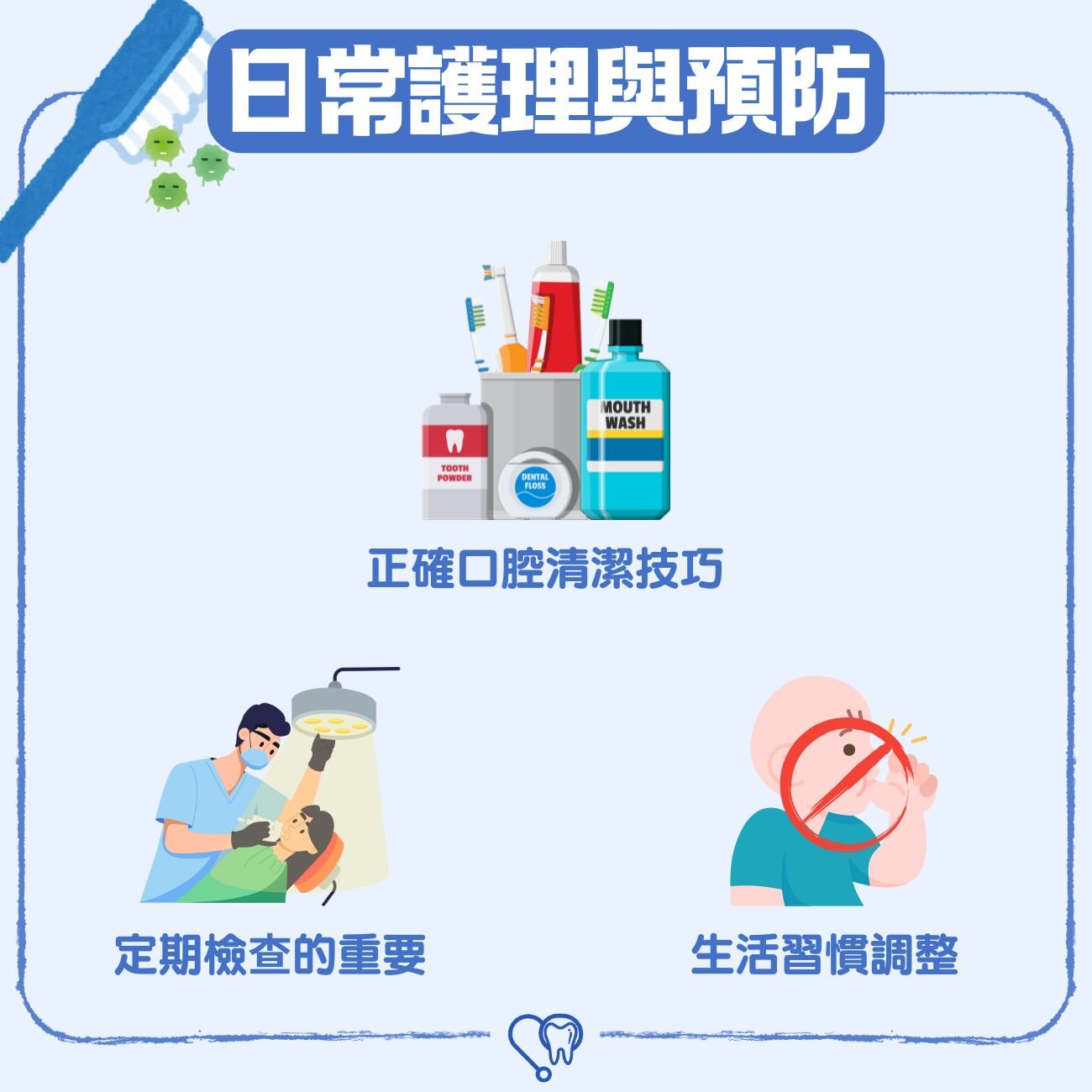
Correct oral cleaning techniques
Keeping good oral hygiene habits is the foundation of preventing all kinds of dental problems.
Using a toothbrush and toothpaste that suit you every day, brushing for at least two minutes each time, and using dental floss to clean every gap between the teeth and the gum margin thoroughly are very helpful for protecting the teeth.
The importance of regular check-ups
Going to a dental clinic every 6 months to 1 year for professional cleaning and examination, removing tartar and plaque, allows problems with tooth alignment and other potential diseases to be found early. A professional dentist can give targeted advice on prevention and care, lowering the difficulty of treatment.
lifestyle adjustments
For bad habits formed from childhood, such as thumb sucking or over-reliance on a dummy, we should also correct them in good time.
In diet, moderately avoiding food that is too sweet, too sour or too hard can also reduce excessive wear on the teeth. These seemingly simple everyday details in fact have a far-reaching effect on maintaining long-term oral health.
Summary
Although a reverse bite is a common oral problem, its effects should not be underestimated. But through correct daily care, regular check-ups and professional orthodontic treatment, we can still regain health and confidence. If parents suspect their child has a reverse bite, or have any concerns about the condition of their own teeth, it is worth consulting a professional dentist to obtain personalised treatment advice and plans.
Disclaimer
This article is for information only and does not contain any invitation or solicitation. Patients should seek a professional dentist for diagnosis and treatment according to their own circumstances. To find out more or book a service, we recommend contacting the relevant clinic directly. Please choose suitable dental services and clinics carefully yourself.