When it comes to buck teeth, we always think of the comic characters "Buck-Tooth Jane" and "Turkey Sister". But is it really as simple as buck teeth just affecting appearance? This common dental problem not only affects looks, but can even have a negative effect on quality of life and oral health. This article sets out the causes, effects and correction methods of buck teeth.
buck teethdefinition
Buck teeth (protruding teeth), protruding front teeth
Buck teeth are in fact protruding teeth, meaning the upper front teeth stick out too far, so that the upper and lower teeth cannot line up normally.
Mild buck teeth may only slightly affect appearance when smiling, but severe buck teeth interfere with oral function, such as chewing, biting and even speech.
Buck teeth are usually accompanied by an imbalance in the development of the upper and lower jawbones, or by not enough space for the teeth to line up, causing the teeth to jut forward.
Protruding teeth may also take different forms. The most common is the upper front teeth tilting outwards and sticking out, so that the gap between the upper and lower front teeth becomes larger.
In some cases, the lower front teeth may also protrude because of their position, so that the upper and lower jaws'Misaligned Bite.
Protrusion of either the upper or lower jaw may cause buck teeth, and if the teeth are not corrected in time, the condition may gradually get worse with age.
A simple self-check for buck teeth
Want to know whether you have a buck teeth problem? A simple self-test helps you judge the severity of the problem more accurately.
Face a mirror and observe whether the upper front teeth stick out too far over the lower ones. If the upper front teeth cannot cover the lower front teeth smoothly, or there is an obvious gap between the upper and lower teeth, it may be a sign of buck teeth.
If the upper front teeth stick out by more than 2 to 3 mm, or cannot touch the lower front teeth at all when closed, it indicates a possibility of buck teeth.
You can also try covering the upper front teeth with the lower lip. If the upper front teeth cannot be completely covered, this is also an indicator that buck teeth are present.
The methods above are for preliminary reference only. If you want a more accurate diagnosis and corrective treatment, it is recommended to seek the opinion of an orthodontic specialist.
buck teeth: causes
The formation of buck teeth usually involves two broad types of factors, congenital and acquired. These factors can act alone or together, causing abnormal tooth alignment and bite.

Congenital and hereditary factors
Hereditary factors show up mainly in the shape and size of the jawbone, the space for the teeth to line up and the size of the teeth. If parents or immediate family members have an abnormal jawbone structure or protruding front teeth, the child is more likely to have tooth alignment problems while growing up.
The influence of genes makes the teeth too large or the dental arch too narrow, limiting the space the teeth need for normal growth, so that they can only overlap one another, leading to buck teeth and crooked canines.
When the upper and lower jawbones develop out of balance, or the proportion between the teeth and jawbone is out of proportion, buck teeth are more likely to appear.
Acquired habits
Some children's behaviour habits, such as long-term thumb sucking, using a dummy or chewing pencils, may affect the alignment of the teeth during tooth development. These behaviours put continuous external force on the upper front teeth, causing the front teeth to gradually stick out.
Mouth breathing is also a common cause, because when the mouth is kept open for a long time, the development of the jawbone may be affected, causing the proportion of the upper and lower jaws to be out of balance.
Parents should pay more attention to their children's behaviour habits and correct incorrect behaviours when necessary, to reduce the risk of buck teeth.
Crooked teeth and a misaligned bite
When baby teeth are lost too early or there is not enough space for the teeth to grow, the teeth tend to crowd outwards or inwards, formingcrooked alignmentand the front teeth are then more easily affected and stick out. A misaligned bite between the upper and lower jaws can also cause the front teeth to extend too far outwards.
buck teeth: potential effects
Buck teeth are not just a matter of the upper teeth sticking out in appearance, but may also have far-reaching effects on every aspect of life, bringing other problems that are not easy to notice.

Appearance and confidence
Appearance is the most obvious effect of buck teeth. With buck teeth, the smile may become asymmetrical, and the front teeth look especially prominent even when not smiling. These changes not only affect the harmony of the whole face, but also easily attract other people's attention and comments.
For some people, this difference in appearance may bring feelings of low self-esteem, especially on social occasions or when having photos taken, when worry about their looks makes them shy or even avoid social situations.
The teenage years are often the time of greatest sensitivity to appearance, and buck teeth may affect their self-identity and mental health. Over time, a lack of confidence may even affect school performance, career development and relationships.
oral health problems
When the front teeth stick out too far oruneven alignment, the contact area between the teeth is reduced, increasing the risk of food debris staying behind and leading totooth decayor even periodontal disease becoming more likely. Because the teeth are in an abnormal position, cleaning is relatively more difficult, and it is hard to remove plaque completely when brushing, so oral problems occur more easily.
Buck teeth may also cause a misaligned bite, which in turn leads to other complications, such as tooth wear,loose teethor gum recession. When the upper and lower teeth cannot bite together normally, chewing force is unevenly distributed and excessive pressure is put on particular teeth.
A long-term misaligned bite also puts excessive pressure on the jaw joint, increasing the risk of jaw joint pain and joint abnormalities.
Speech problems
The clarity of speech is closely related to the position of the teeth. Buck teeth may interfere with the pronunciation of certain sounds, and it is especially difficult to make sounds such as "s", "z" and "th" that need the tongue to touch the front teeth.
When the front teeth stick out too far, the space for the tongue to move is limited, so the airflow cannot pass correctly between the teeth and tongue, causing unclear or incorrect speech.
How can protruding teeth be improved?
Faced with the trouble of buck teeth, many people may feel helpless and self-conscious. Fortunately, with advances in dentistry, there are now many ways to effectively improve these problems.

Orthodontic Treatment with Braces
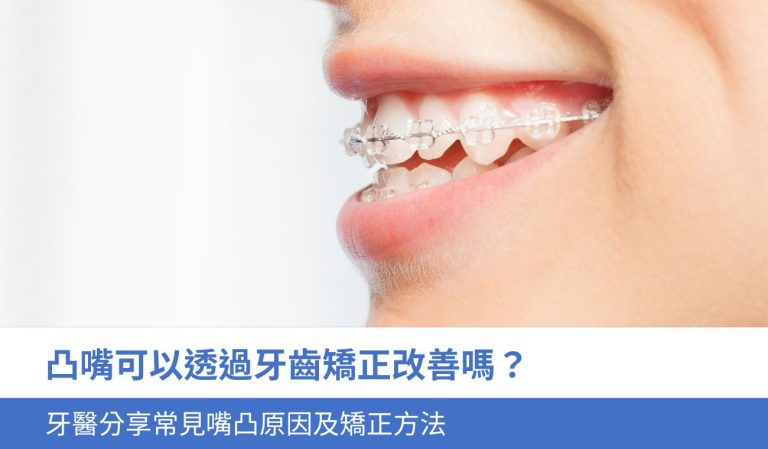
Orthodontic Treatment with BracesThis non-invasive method suits all age groups, whether teenagers or adults. During the process, the orthodontist draws up a treatment plan tailored to the patient's teeth and uses braces to slowly adjust the position of the teeth.
Early treatment may use a palatal expander to increase the size of the jaw to make room for crowded teeth, making it easier for braces to move the teeth into the correct position.
Traditional metal braces apply force effectively to gradually move teeth into the ideal position. For people who care more about appearance,Clear Aligners are a better choice, because correction can be carried out without affecting appearance, letting you stay confident during treatment.
Wearing braces usually requires regular follow-up visits so the orthodontist can adjust the pressure and position of the braces. Treatment may take from several months to several years, depending on the condition of the teeth.
surgery
When the problem stems from an abnormal jaw structure, or ordinary braces cannot achieve the correction needed, surgery may be the only option.
Surgery is commonly known as "orthognathic surgery", and it mainly improves tooth alignment and bite problems by adjusting the position of the bite. The procedure usually needs to be carried out under general anaesthesia, and a certain recovery time is needed after surgery. Although surgery may cause worry, for those whose oral function is affected by severe buck teeth it is the most effective long-term solution.
Before surgery, it is recommended to consult a dentist in detail to understand the possible risks, expected results and recovery period. The dentist will give professional advice according to your situation.
Avoiding buck teeth: build good habits from an early age
The best strategy for preventing buck teeth is to build good oral habits from an early age. Parents should watch their children's tooth development, find possible problems early, take children to see the dentist regularly for check-ups and any necessary correction. Remind children to avoid bad habits that may affect tooth development, such as thumb sucking or lip biting.
Keeping up good oral care habits is also the key. Brushing morning and night and using dental floss can effectively remove plaque and food debris and lower the risk oftooth decay. Good oral hygiene helps the teeth develop normally and fundamentally reduces the chance of buck teeth.
FAQ
Will mild buck teeth get worse and worse if you don't get braces?
Mild buck teeth are usually caused by tooth alignment problems or a misaligned bite. Without treatment, the teeth may move further under the influence of external forces, causing the buck teeth to gradually get worse.
Tooth wear and changes in the bones may also affect the stability of the teeth as you age, making originally mild buck teeth more obvious. It is still recommended to have an early check-up and treatment to prevent more serious situations in the future.
When is the best time to correct buck teeth?
The best time to correct buck teeth depends on the individual's age and tooth development.
Generally speaking, the teenage years are the golden period for correction, because at this time the bones and teeth are more adaptable, and the correction result is more noticeable and lasting.
The ideal time for correction is usually after the child's permanent teeth have fully come through, at around 12 to 14 years old.
Do "mild buck teeth" need braces?
This depends on each person's tooth condition and the dentist's professional assessment. Mild buck teeth can sometimes be improved by wearing clear aligners or using other non-invasive methods, but if the dentist assesses that the movement of the teeth needs more definite force or the case is more complicated,traditional bracesmay be a better choice.
Summary
When facing the problem of buck teeth, tooth condition can be effectively improved and confidence boosted through early check-ups and suitable treatment. At any age, regular oral check-ups and listening to professional advice are the key to maintaining dental health in the long run.
Disclaimer
This article is for information only and does not contain any invitation or solicitation. Patients should seek a professional dentist for diagnosis and treatment according to their own circumstances. To find out more or book a service, we recommend contacting the relevant clinic directly. Please choose suitable dental services and clinics carefully yourself.