

Have you ever felt pain in your teeth when eating ice or drinking hot soup? This is a common sign of "sensitive teeth". Many people think this is normal, but sensitive teeth may in fact be a warning sign for oral health, and even affect daily life.
So will sensitive teeth get better? This article puts together the causes of tooth sensitivity and solutions, and teaches you how to choose a suitable anti-sensitivity toothpaste, to help improvetooth decayand periodontal disease, so you are no longer troubled by sensitive teeth!
What are sensitive teeth?
Sensitive teeth simply means teeth that are especially sensitive to cold, heat, sour and sweet stimuli, and even brushing or breathing in cold air may trigger discomfort. This problem is usually related to damaged enamel or exposed dentine.
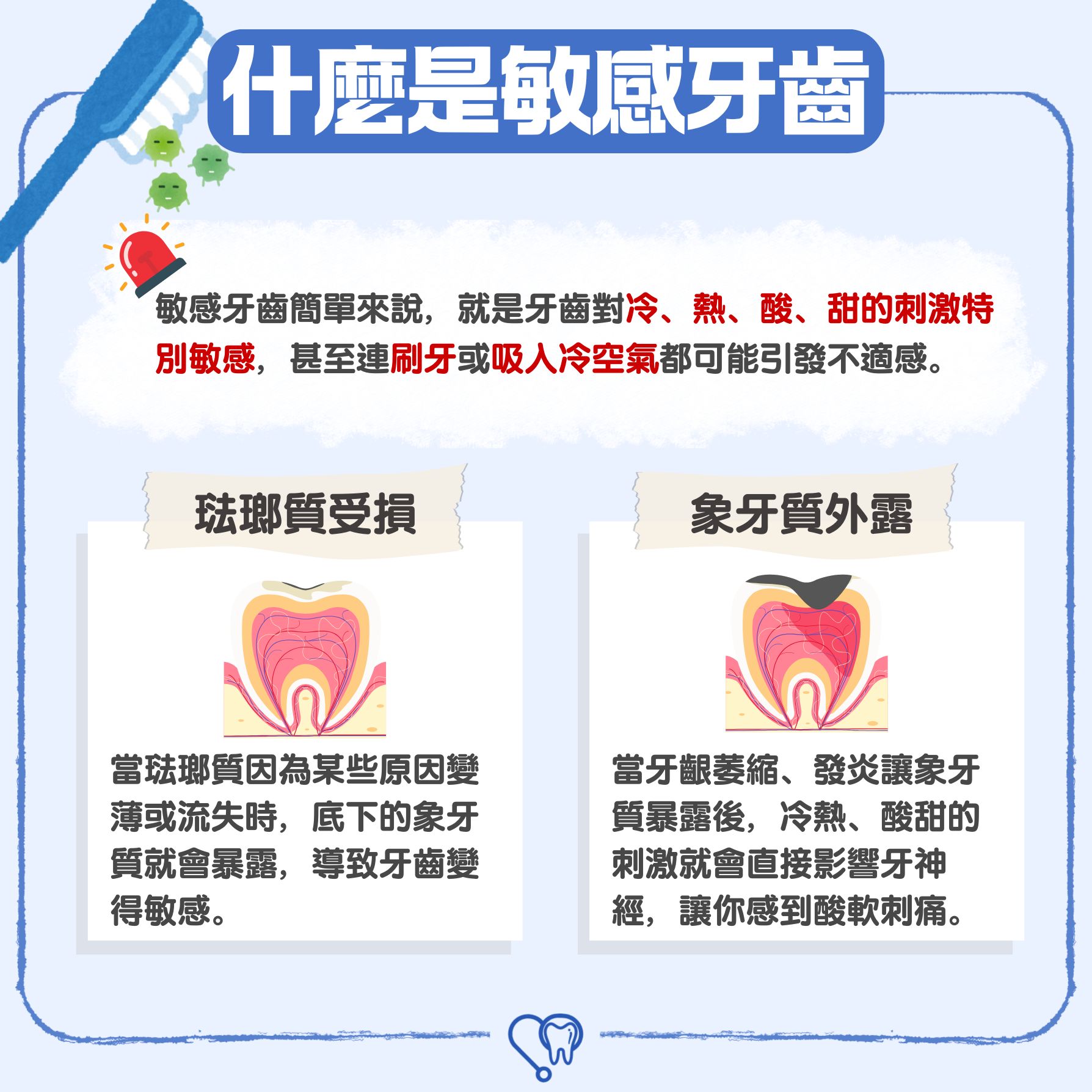
Damaged enamel
Enamel is the outermost protective layer of the tooth, like armour, and can resist outside stimuli. But when enamel becomes thinner or is lost for some reason, the dentine underneath is exposed, making the teeth sensitive.
Exposed dentine
Dentine lies beneath the enamel and contains many tiny channels (dentinetubules). These tiny pores and channels connect with the pulp. When gum recession, inflammation and so on expose the dentine, cold, hot, sour and sweet stimuli directly affect the dental nerve, making you feel aching and sharp pain.
If your teeth are especially sensitive to temperature changes, or you feeltoothachewhen biting certain foods, it may be a warning sign of exposed dentine.
sensitive teethwhat are the symptoms?
The degree of tooth sensitivity varies from person to person. Some people only feel discomfort occasionally, while others are troubled by it almost every day. The following common symptoms of tooth sensitivity are for you to compare:
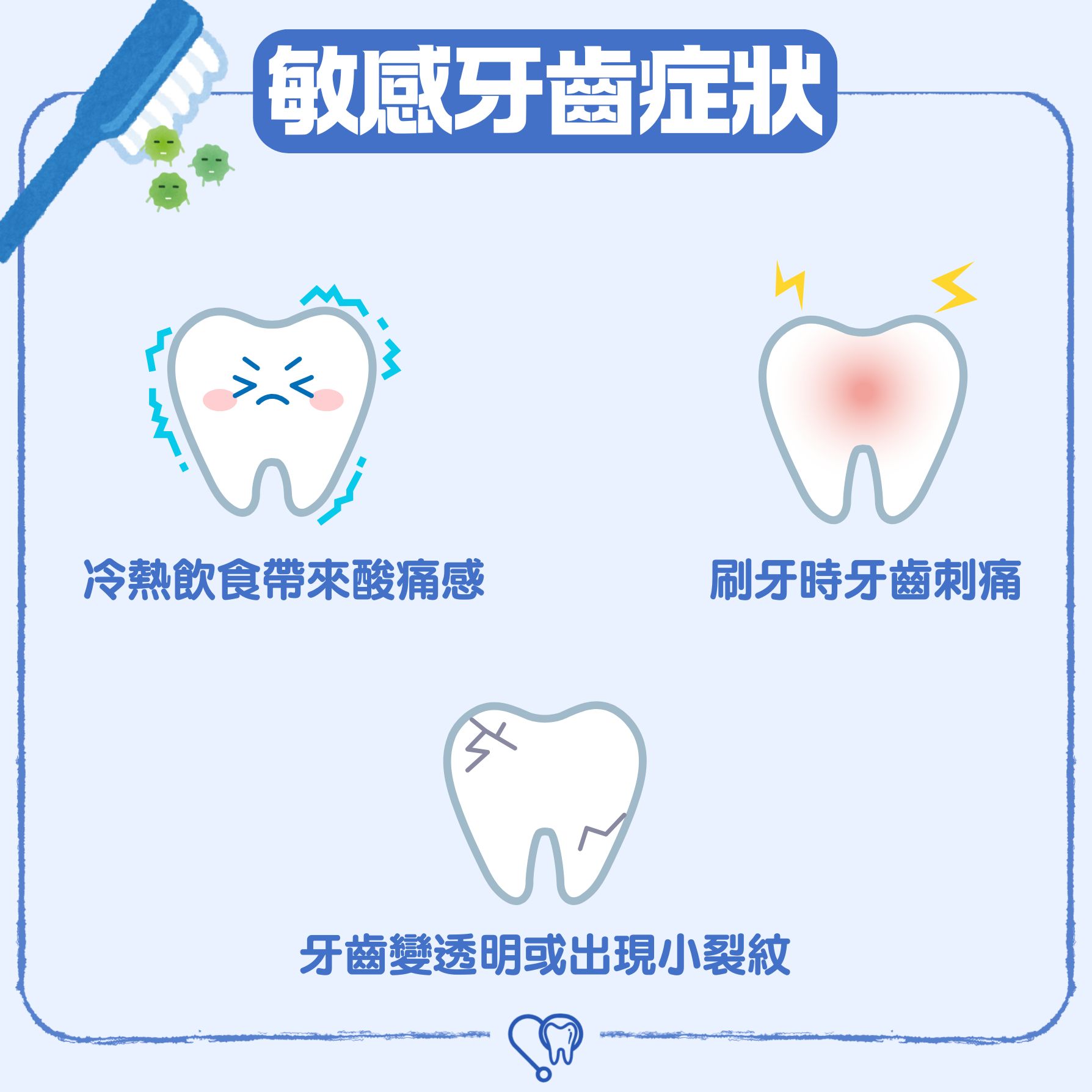
Aching from hot and cold food and drink
A sip of hot tea or an iced drink and suddenly a sharp pain in the teeth? This is the most typical sign of sensitive teeth, especially when the enamel has become thinner and the dentinal tubules are directly exposed, immediately stimulating the fluid in the tubules to move and reach the nerve, causing discomfort.
Sharp pain in teeth when brushing
If certain parts of the teeth feel especially sensitive when brushing, with even an instant of pain, it may mean the tooth root is partly exposed, or the enamel is damaged, making the dentine more easily stimulated.
Teeth becoming translucent or showing tiny cracks
When enamel becomes thinner, the edges of the teeth may become translucent and even show tiny cracks, which are signs of enamel damage. If not dealt with in time, it may worsen further, leading to more serious tooth sensitivity problems.
sensitive teethCommon causes
There are many causes of sensitive teeth. Lifestyle habits, diet and oral health conditions may all be the culprits. A few common causes are listed below so you can see how many apply to you:
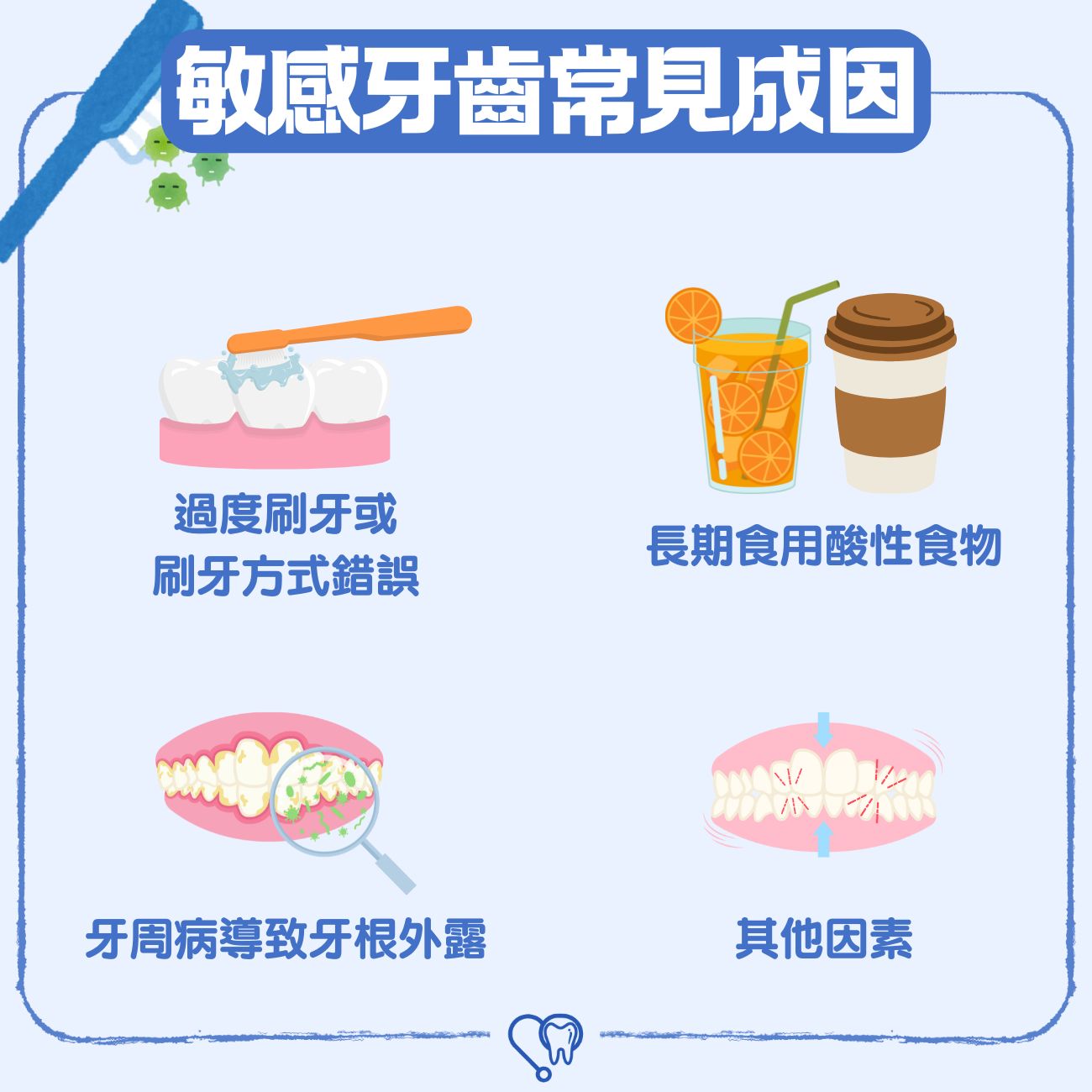
Over-brushing or incorrect brushing technique
Many people brush too hard or use a toothbrush that is too hard, which accidentally damages the enamel and exposes the dentine.
In addition, incorrect brushing technique easily leads to insufficient oral hygiene and causes the build-up ofplaqueandstones . Plaque is made up of bacteria mixed with saliva, food debris and acidic substances, and can also cause sensitive teeth.
Long-term consumption of acidic foods
Do you often drink fizzy drinks, coffee or fruit juice? Or often eat acidic fruits such as lemons and grapefruit?
Although some acidic foods and drinks are healthy, excessive intake may also cause enamel to be slowly lost, making the teeth more fragile and worsening sensitivity.
Periodontal disease causing exposed tooth roots
When enamel is lost or the gums recede, exposing the tooth roots, they are easily affected by hot and cold stimuli, causing sensitive teeth.
other factors
Habitual teeth grinding, or uneven force on the teeth caused by a misaligned bite of the upper and lower jaws, can wear the enamel down excessively and cause sensitivity problems.
Somewhiten teethproducts contain more irritating chemical ingredients, such as whitening toothpastehave a higher abrasivity coefficient, which can likewise damage the enamel.
Will sensitive teeth get better? Solutions for sensitive teeth
If you have sensitive teeth, there is no need to worry too much! With correct care, most cases can improve, and your teeth may even become stronger. The following methods help reduce sensitivity:
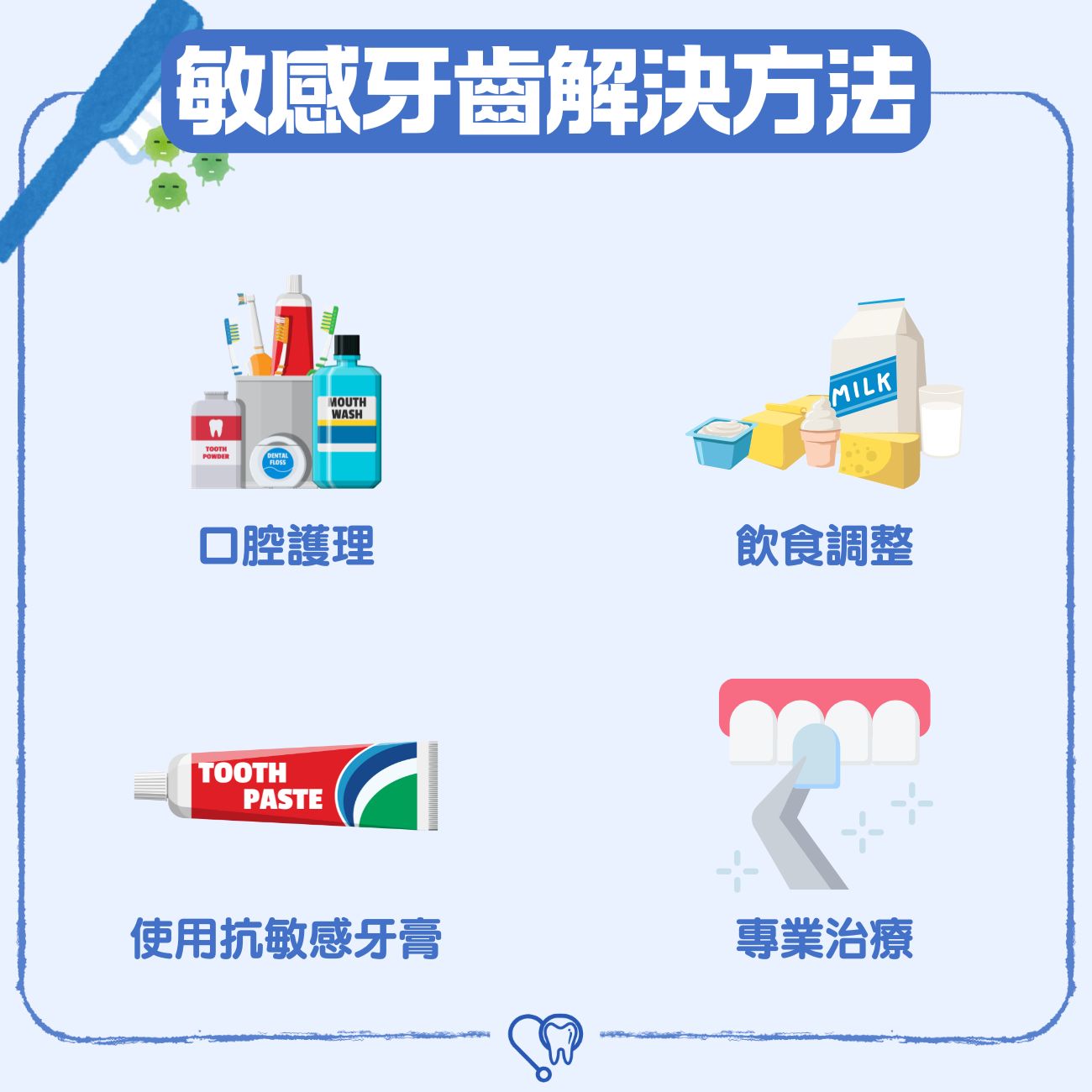
Oral care
- Brush twice a day using a soft-bristled toothbrush orelectric toothbrushand use a gentle, correct technique with small movements, to avoid excessive wear of the enamel.
- usefluoride toothpasteand fluoride-containingmouthwash, which help strengthen enamel and reduce sensitivity.
- Use dental floss every day to keep the teeth and gums healthy and reduce the risk of periodontal disease.
diet adjustments
- Drink less fizzy drinks, fruit juice and alcohol; these acidic substances all speed up enamel loss.
- Eat more calcium-rich foods, such as milk, yoghurt and cheese, which help strengthen the teeth.
- After drinking acidic drinks, you can first rinse your mouth with water to reduce the effect of the acid on the teeth.
use sensitivity toothpaste
Many toothpastes on the market are designed for sensitive teeth, and the ingredients usually containPotassium nitrateor fluoride, which can help seal the dentinal tubules, repair enamel and soothe sensitivity at the dental nerve endings. After continuous use ofAnti-sensitivity toothpastefor a few weeks, the situation usually improves.
However, with such a wide variety of toothpastes on the market, consumers should also watch the ingredients, effects and directions carefully. If you are not sure, it is recommended to consult a dentist before buying.
Professional treatment
- Regular fluoride application: the dentist applies a high concentration offluorideto the tooth surface, helping to strengthen the enamel and reduce sensitivity.
- Fillings or veneers: if the enamel is severely worn, dental filling materials orceramic veneerscan be used to protect the teeth and reduce sensitivity problems.
- Periodontal treatment: if the sensitivity is caused byperiodontal disease, the dentist may carry out periodontal treatment to help restore the health of the teeth.
Summary
Although sensitive teeth are troublesome, most cases can improve as long as you develop correct oral care habits and avoid further damage to the enamel. If your tooth sensitivity does not ease, it is recommended to seek help from a dentist to find the most suitable solution, so you can eat and drink more comfortably!
Disclaimer
This article is for information only and does not contain any invitation or solicitation. Patients should seek a professional dentist for diagnosis and treatment according to their own circumstances. To find out more or book a service, we recommend contacting the relevant clinic directly. Please choose suitable dental services and clinics carefully yourself.



