

Worried that toothache during pregnancy will affect your baby? Expectant mothers often have to face oral problems such as gum inflammation, red swelling and toothache. Why does pregnancy easily cause toothache? How can it be relieved? What are the prevention methods? This article answers them one by one, so that you can see a dentist with peace of mind and welcome your baby calmly!
Why does pregnancy easily cause toothache? 3 main causes of toothache in pregnant women
Pregnancy is a wonderful stage of life, but with the changes in the body, many expectant mothers find their teeth become especially sensitive, and may even start to have toothache, swollen gums or bleeding. These problems are not only uncomfortable but may also affect overall health.
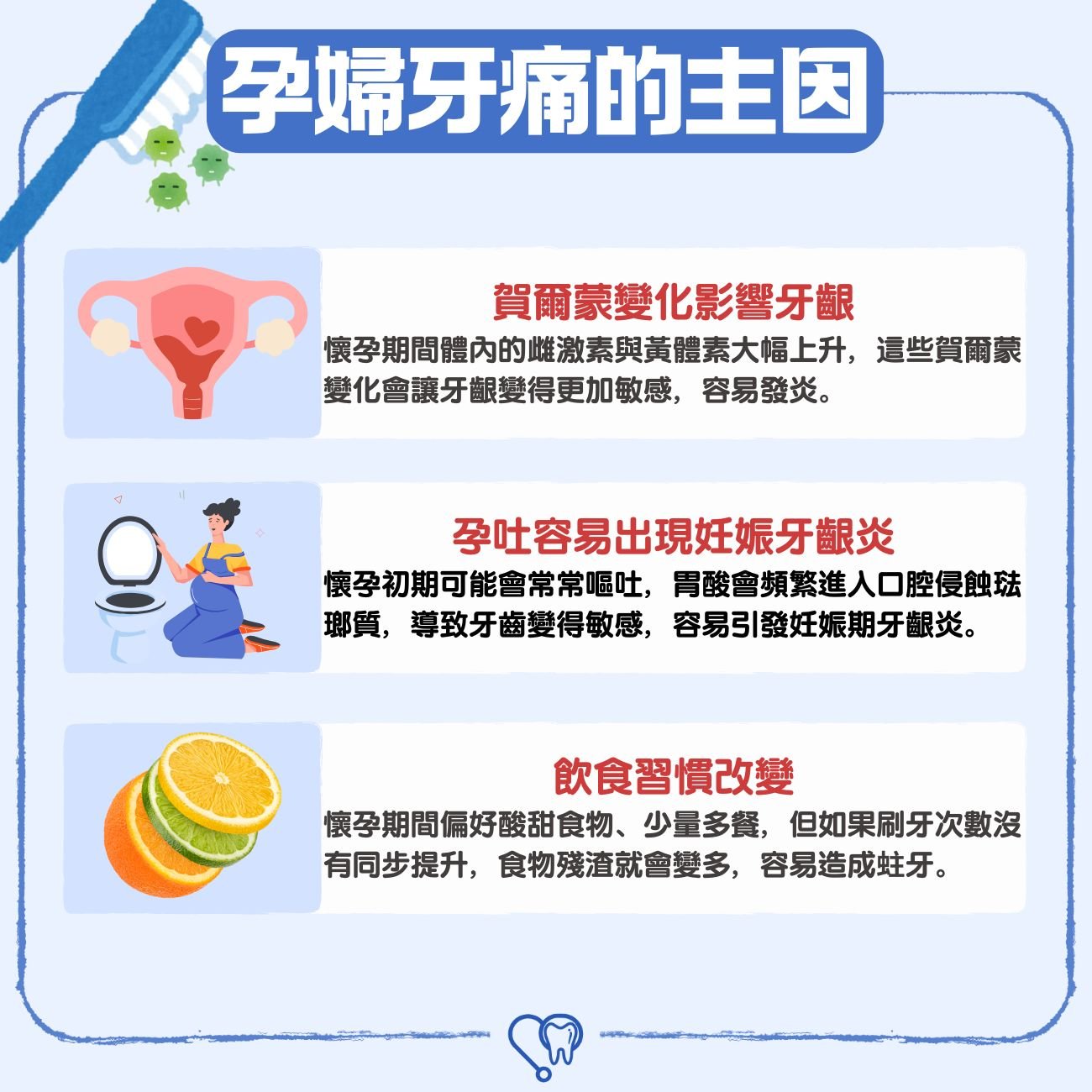
Hormonal changes affect the gums
During pregnancy, theoestrogenandand progesteronein the body rise sharply, and these hormonal changes make the gums more sensitive and prone to inflammation.
You may find that your gums bleed when brushing, orGum swelling, red swelling and heat. These are all caused by the oral tissues becoming more fragile and their resistance to bacteria falling.
Morning sickness easily leads to pregnancy gingivitis
In early pregnancy, many expectant mothers may often vomit, and stomach acid frequently enters the mouth and erodes the tooth enamel, which may make the teeth sensitive and fragile.
In this situation the gums easily become red, swollen and inflamed, and may even developPregnancy gingivitis. When the lining of the mouth is damaged, bacteria multiply more easily, further increasing the risk oftooth decay (dental caries)and periodontal disease.
Changes in eating habits
Many women start to prefer sour and sweet foods, eat small meals often, and even cannot resist the urge to snack during pregnancy.
But if the frequency of eating rises while the number of times of brushing does not rise with it, food debris in the mouth increases and gives bacteria plenty of nutrients, easily leading to tooth decay,plaquebuild-up, gum inflammation and other problems. This is also one of the reasons why oral problems are more serious than usual during pregnancy.
Toothache in pregnancysymptoms
Dental discomfort during pregnancy usually shows in several ways. If you find you have the following symptoms, it is advisable not to delay and to seek professional advice from a dentist as soon as possible, so that the condition does not get worse and affect your health during pregnancy.

sensitive teeth
Discomfort or even a stabbing pain when meeting cold, hot or sour foods.
Swollen, inflamed and bleeding gums
As many as 60~70% of pregnant women have suffered from pregnancy gingivitis. Gums bleed easily when brushing or flossing during pregnancy, and may even feel swollen, with redness, swelling, bleeding and similar problems.
Pain or discomfort
Occasional soreness in mild cases, and in severe cases it affects eating and sleeping.
tooth decay
Black spots or pits on the tooth surface, possibly accompanied by toothache.
periodontal disease
If gum inflammation is left untreated, the inflammation may spread to the surrounding tissues and progress further toPeriodontitis, and may even affect the stability of the teeth. That is why the saying goes: "have a child, lose a tooth".
What to do about toothache in pregnancy? Make the most of the mid-pregnancy window for treatment
What should you do about toothache after becoming pregnant? The timing of dental treatment during pregnancy is important, and it is advisable to handle it appropriately according to the stage of pregnancy:
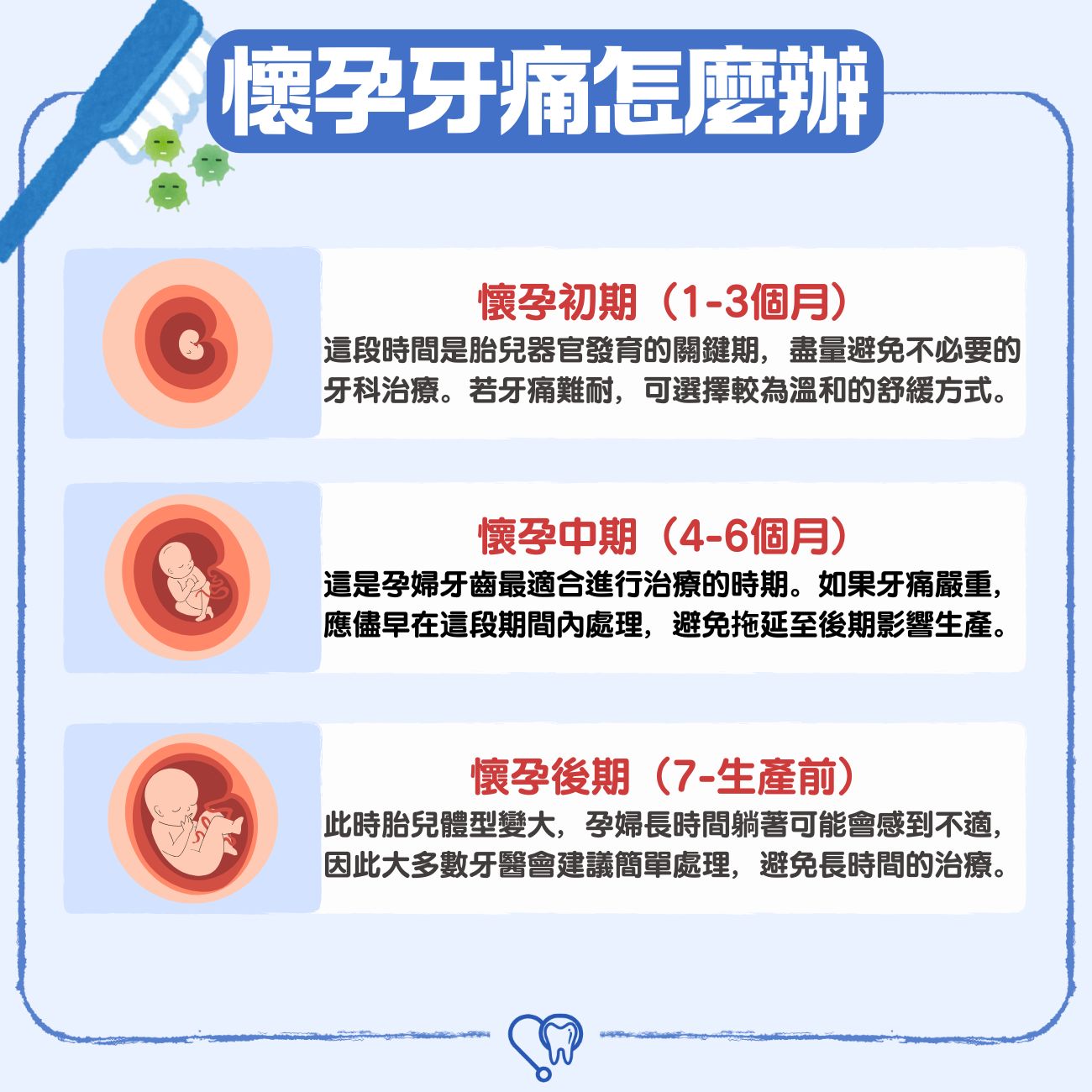
Early pregnancy (months 1-3)
This is the critical period for the development of the baby's organs, so avoid unnecessary dental treatment as far as possible. If the toothache is unbearable, you can choose gentler ways of relief, such as rinsing with warm salt water and cold compresses.
Mid-pregnancy (months 4-6)
This is the most suitable time for pregnant women to have dental treatment; for exampleTeeth Cleaning,Dental Fillings, gingivitis treatment and so on are all relatively safe. If the toothache is severe, it should be dealt with early within this period, to avoid delaying until late pregnancy and affecting the delivery.
Late pregnancy (month 7 until before delivery)
By this time the baby has grown larger, and pregnant women may feel uncomfortable lying down for a long time, so most dentists will advise simple treatment and avoid long treatment sessions. If there is acute toothache, you should still seek help from a professional dentist.
Ways to relieve toothache in pregnant women
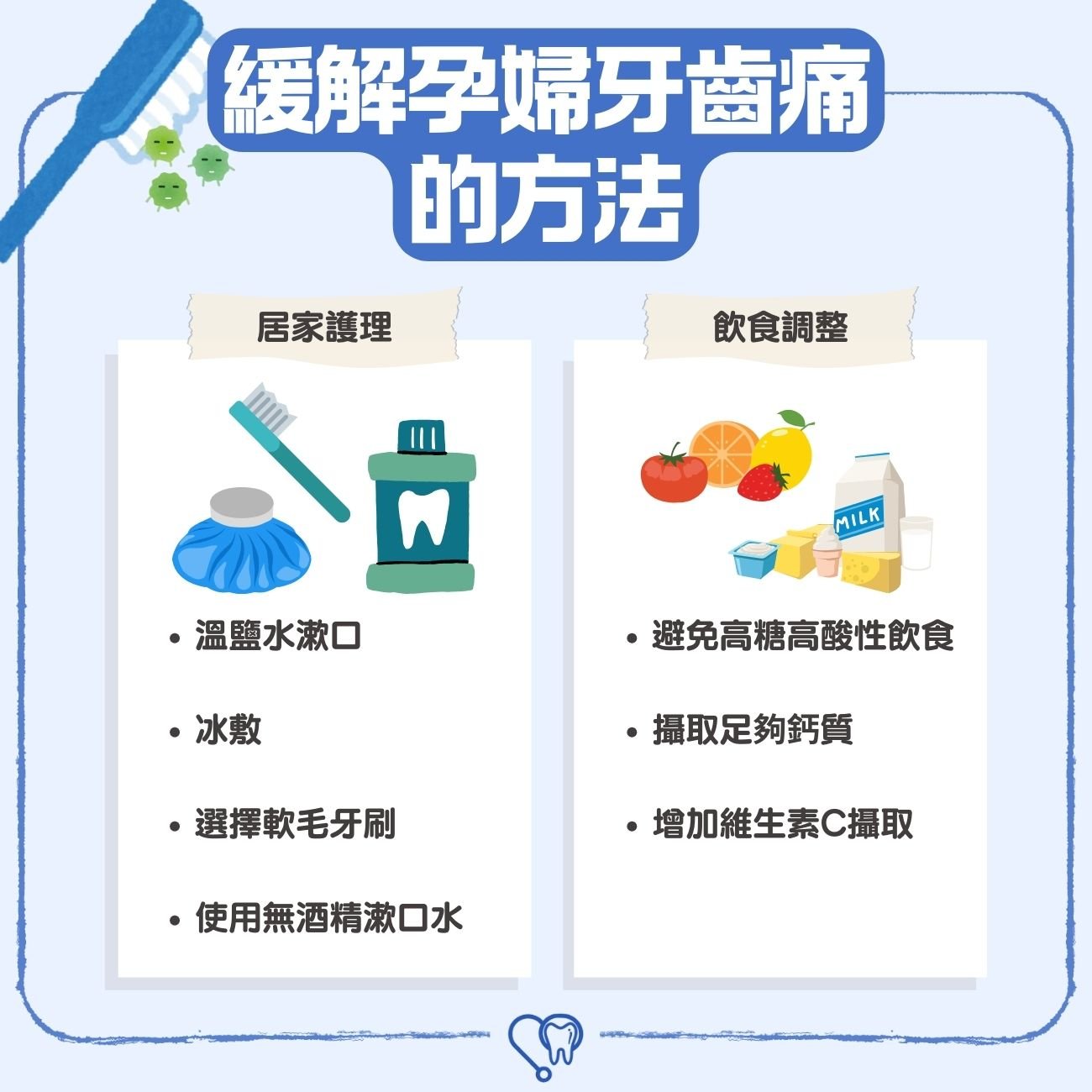
Home care
- Rinse with warm salt water: helps reduce bacteria and soothe gum inflammation.
- Cold compress: applying it to the cheek can reduce swelling and pain.
- Choose a soft-bristled toothbrush: reduces gum irritation and bleeding.
- Use an alcohol-free mouthwash: helps clean the mouth and lowers the risk of inflammation.
diet adjustments
- Avoid a high-sugar, highly acidic diet: such as fizzy drinks and sweets, to reduce the risk of tooth decay.
- Take in enough calcium: eat more milk, cheese, dried small fish and the like, which helps strengthen the teeth.
- Increase vitamin C intake: such as citrus fruits, which helps gum health.
3 tips to prevent toothache in pregnant women
To avoid toothache during pregnancy, the key isprevention is better than cure!
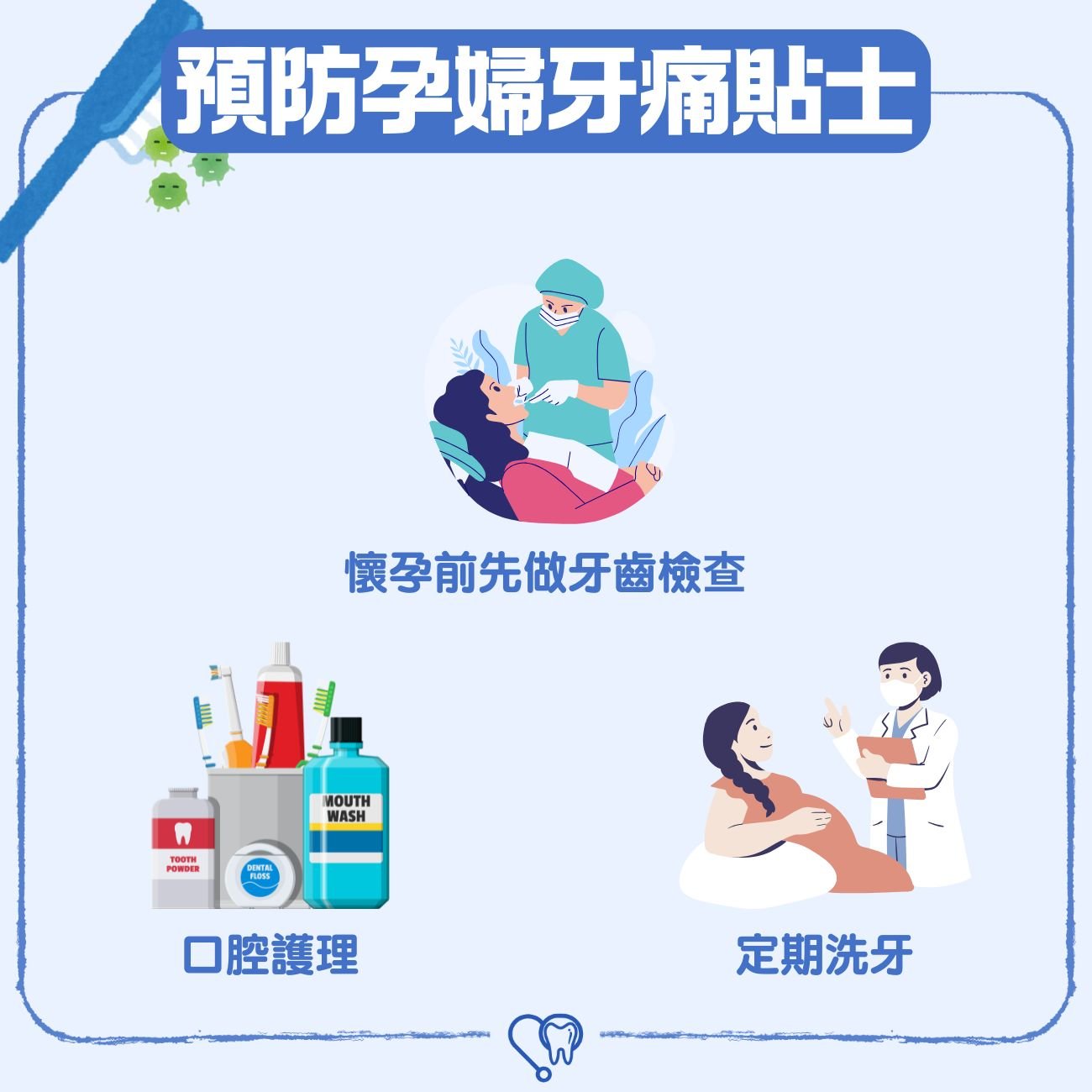
Have a dental check-up before planning a pregnancy
If tooth decay, periodontal disease, wisdom teeth or other problems need to be dealt with during pregnancy, it is best to deal with them before planning a pregnancy, reducing discomfort and treatment risks during pregnancy.
Oral care (brushing, dental floss, mouthwash)
Brush at least 2 times a day with fluoride toothpaste, and clean between the teeth with dental floss before going to bed. Avoid brushing too hard, so as not to harm the gums.
If possible, try to brush 3 times a day and develop the habit of brushing after meals, together with a gentle, non-irritating mouthwash, to clean blind spots that the toothbrush cannot reach and maintain the environment inside the mouth.
regular scaling and polishing
Scaling and polishing can remove plaque andtartar, reducing the chance of gum inflammation. It is recommended to have scaling and polishing before pregnancy or in mid-pregnancy, to keep the mouth healthy and make pregnancy easier!
Common oral problems during pregnancy
Oral problems during pregnancy often trouble expectant mothers, who do not dare to take medicine or see a dentist lightly for fear of affecting the baby's health. Some common questions are set out below. Let us take a look!
Can I take painkillers for toothache in pregnancy?
Yes, but choose safe medicines and take them under a doctor's instructions.
In general, pregnant women can, on a doctor's advice, takeparacetamolto relieve pain, which is a relatively safepainkillerspainkiller. However, anti-inflammatory painkillers such as aspirin and ibuprofen should be avoided, especially late in pregnancy, because they may affect the baby's development or increase the risk of miscarriage.
If it is not necessary, it is advisable to use physical methods of relief first, such as cold compresses and rinsing with warm salt water, and to see a dentist early to deal with the root of the problem.
Can I see a dentist during pregnancy?
Yes! And regular dental check-ups are recommended to ensure oral health.
Pregnancy does not mean you cannot see a dentist. On the contrary, you should pay even more attention to oral care, to avoid dental problems affecting overall health. Before the dental visit, however, be sure to tell the dentist how many weeks pregnant you are and whether you have had a miscarriage or premature birth, so that the dentist can adjust the treatment according to the stage of pregnancy.
Will toothache and having X-rays affect the baby?
With proper protection, the effect of X-rays on the baby is extremely low.
The radiation dose of modern dental X-rays is very small, and the dentist will provide a lead apron to protect the abdomen and prevent radiation from affecting the baby. If the situation is urgent and an X-ray is necessary to diagnose a dental problem, pregnant women can rest assured. As long as the protective measures are followed, the risk is very low.
Non-essential X-rays that can be postponed can wait until after delivery, but for severe toothache or infection, early diagnosis and treatment are recommended.
Can I have anaesthesia when seeing a dentist during pregnancy??
Yes, but an anaesthetic that is safe for pregnant women must be used.
Dental treatment such as fillings,Extractionand so on may need local anaesthesia. In general, low-dose local anaesthesia (such as lidocaine) is safe, but it is advisable to avoid anaesthetics containing adrenaline, so as not to affect blood pressure or placental blood flow.
Can I have fillings or a tooth extraction during pregnancy?
Yes, but it is advisable to choose appropriate handling for the stage of pregnancy.
- Dental Fillings: the middle of pregnancy is generally the most suitable time for fillings. Avoid unnecessary treatment in early pregnancy, and in late pregnancy avoid lying flat for a long time, which affects blood circulation.
- Tooth Extraction: if there is serious wisdom tooth inflammation, infection or similar conditions, extraction may be needed, and the dentist will choose the safest way of handling it. But in non-urgent situations, the extraction can wait until after delivery.
adviceNon-urgent treatment can wait until after delivery, but if health is affected, you should discuss a suitable treatment plan with your dentist early.
What can I do about bad breath after becoming pregnant?
bad breathIt is usually related to plaque, a dry mouth or hormonal changes, and can be reduced by improving oral hygiene and diet. Keeping the mouth clean, drinking more water, avoiding high-sugar foods and eating more vegetables and fruit all help clean the mouth and stimulate saliva secretion.
If the bad breath is severe, it is advisable to check whether there is periodontal disease or an odour caused by acid reflux from the stomach.
Swollen gums in pregnancy:which specialty to see?
For swollen gums in pregnancy, it is advisable to seea periodontal specialist..
During pregnancy, swollen gums are mostly related topregnancy gingivitis, plaque build-up or periodontal disease. If there issevere inflammation, bleeding or pain, it is advisable to see a dentist for a detailed examination and to receive treatment and care advice. Do not ignore oral problems because of pregnancy. Early treatment can avoid more serious dental disease!
Summary
Although pregnancy can bring dental discomfort, most problems can be effectively avoided through correct care and prevention. If you have toothache symptoms during pregnancy, never delay, as early treatment is what ensures the health of you and your baby! We hope every expectant mother can have a healthy set of teeth and welcome the new life smoothly.
Disclaimer
This article is for information only and does not contain any invitation or solicitation. Patients should seek a professional dentist for diagnosis and treatment according to their own circumstances. To find out more or book a service, we recommend contacting the relevant clinic directly. Please choose suitable dental services and clinics carefully yourself.



