
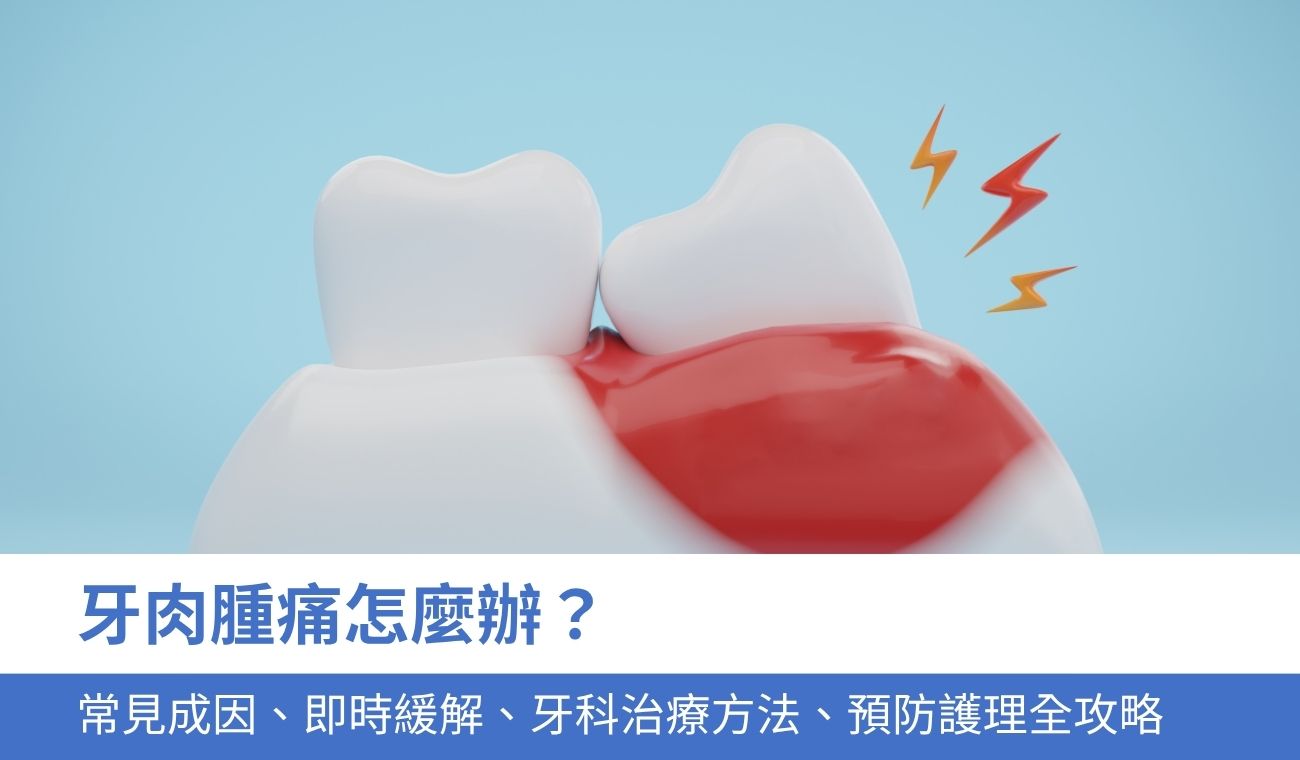
Swollen, painful gums usually come from gum inflammation, periodontal problems or irritation from food debris. You can first rinse with salt water and use a cold pack for relief, but if it lasts more than 2–3 days or there is an abscess, fever or similar, it is advisable to consult a dental professional.
Key Points
- Swollen, painful gums are mostly caused by gingivitis or periodontal disease and should be treated early
- Rinsing with warm salt water and cold packs can relieve pain temporarily
- Persistent swelling and pain or pus discharge needs prompt medical attention
- Scaling and root canal treatment can effectively improve inflammation
- Regular scaling and correct cleaning can prevent swollen, painful gums
What are swollen, painful gums?
Swollen, painful gums refers to redness, swelling, pain or tenderness in the gum tissue. The pain may be limited to around one tooth, or the whole row of gums may be uncomfortable.
Sometimes it only hurts when chewing or brushing, and sometimes it is a persistent aching pain, and may even come with bad breath, a feeling of heat or difficulty biting.
Swollen, painful gums vs swollen gums (swollen but not painful)
Some people find their gums swollen but not necessarily painful. In this case it may only be temporary irritation of the gums, for example caused by food getting stuck or brushing too hard.
If the swelling is only slight, it usually goes down slowly with rest; but if the swelling lasts more than two or three days or gradually becomes painful, be alert to it being the start of inflammation. Conversely, if there is obvious pain, severe swelling, or bad breath and pus, the infection may be spreading and a dentist should check it as soon as possible.
common symptoms

Common symptoms of swollen, painful gums include red, swollen gums, bleeding, pain on touching, gum recession, bad breath, bite discomfort or slight swelling of the cheek.
If the infection is deeper, there may also be fever, difficulty swallowing or a tight jaw, which are all warning signs that the inflammation is spreading.
Common causes of swollen, painful gums

Gum inflammation / plaque biofilm build-up
The most common cause of swollen, painful gums is too much plaque biofilm. When daily brushing is not thorough enough, food debris builds up at the junction of the teeth and gums, and bacteria breed there and trigger an inflammatory reaction.
In the early stage the gums are red and swollen and bleed when brushing, and if untreated this gets worse and becomes periodontal disease.
Further reading:What to do about inflamed gums? What can you eat to ease gingivitis swelling and pain? A full guide to symptoms, causes and care methods
periodontal disease
Periodontal disease is the advanced stage of gingivitis, and besides inflaming the gums, it also gradually causes loss of the bone that supports the teeth.
At this point the gums are not only swollen and painful, but the teeth may become loose, gaps between the teeth widen and it may even hurt to bite, and if neglected for a long time it may lead to tooth loss.
tooth decay
When tooth decay reaches deep near the gum, it can also make the gums swollen and painful. Bacteria in the cavity affect the gum tissue and cause local redness, swelling and pain.
If it is not treated in time, the bacteria will go on to infect the pulp and develop into the more serious apical periodontitis.
Root infection
When the tooth nerve is infected by bacteria, the tissue at the end of the root also swells, and when the pressure pushes towards the gum, it looks as if a lump has formed on the gum. This kind of pain is usually severe and persistent, and may even hurt at night.
Further reading:What to do about dental nerve pain? Causes of toothache, relief methods and treatment all in one place!
wisdom tooth pericoronitis
Wisdom teeth coming through is a common cause of swollen, painful gums for many people. When a wisdom tooth erupts at the wrong angle, the gum is partly covered, and food and bacteria easily get stuck in the gap, causing local infection and swelling, and even affecting the cheek or jaw. Besides pain, this situation is often accompanied by difficulty swallowing or limited mouth opening.
Further reading:What causes "ear pain when swallowing saliva" and cheekbone pain in the face? Beware of the 9 main causes of cheekbone pain
Irritation or injury (brushing too hard, irritation from appliances, injury from food)
A toothbrush that is too hard, brushing too hard, or improper use of toothpicks or floss may also cause tiny wounds in the gums, leading to pain and inflammation.
Sharp foods such as fish bones and nut fragments stuck between the teeth can also cause local swelling and pain. If the painful spot is fixed and the pain starts suddenly, it is very likely to be this kind of problem.
Systemic factors / physiological changes
Pregnancy, hormonal changes, diabetes and low immunity also make the gums more prone to inflammation.
In pregnant women in particular, because of changes in hormones in the body, the blood vessels in the gums become sensitive, and slight irritation can cause swelling and pain.
Misconceptions: "heatiness", herbal tea and traditional Chinese medicine beliefs
Many people, as soon as they have swollen, painful gums, think it is "internal heat" or "heatiness", and so drink lots of herbal tea or take heat-clearing medicine.
Although some people feel better for a while, this only relieves surface symptoms. The real cause is often a bacterial infection or a periodontal problem, and if delayed for a long time, the condition may even get worse.
How can swollen, painful gums be relieved? When should I see a dentist?
After understanding the common causes of swollen, painful gums, let's look at when you can relieve it yourself and when you should seek medical help straight away.

Emergency steps: rinse, cold pack and stop the irritation
If your gums suddenly become swollen and painful, you can first rinse gently with warm salt water several times to help disinfect and reduce bacterial growth.
If the cheek is clearly swollen, you can apply a cold towel to the outside for about 10 minutes and then rest for 10 minutes, and repeating this a few times can reduce the swelling. At the same time avoid eating food that is too hot or too spicy, to give the gums a chance to settle.
Using painkillers / anti-inflammatory medication
If the pain is unbearable, you can use a common painkiller such as ibuprofen or paracetamol for a short time, but be sure to follow the instructions on the packet and not exceed the dose. But if the symptoms are frequent or keep recurring, it means the tenderness has only been eased temporarily without treating the underlying problem, and you should seek medical attention as soon as possible.
Further reading:How to choose toothache painkillers? Learn about the 2 main types of toothache painkillers in one article, to help you relieve pain quickly
Everyday ways to relieve it
Normally you can switch to a soft-bristle toothbrush and clean more thoroughly with floss to reduce plaque biofilm build-up.
Keep up a daily habit of rinsing, eat fewer sweet or irritating foods, and drink more water to keep the mouth moist. If food gets stuck in the gum, remember to remove it with floss rather than picking at it with a toothpick or sharp object.
Further reading:What to do about toothache in the middle of the night? A dentist tells you the causes of toothache and 7 ways of quick toothache relief
Judging by self-observation
If the pain is slight and not getting continually worse, you can observe for 1 to 2 days to see whether it improves with cleaning and rest.
But if the symptoms become more and more obvious, the swelling gets larger, or there are pus spots, bad breath or fever, it is no longer simple irritation but an infection, and you must seek medical attention.
Situations where you must see a dentist
If any of the following signs appear, do not delay any longer:
- Swelling and pain that has not gone down after more than three days
- Pus discharge or fever
- Obviously loose teeth
- Swollen cheek
- Difficulty swallowing
- Waking at night with pain
These all mean the inflammation may be spreading and needs professional treatment by a dentist.
Professional diagnosis and dental treatment methods
Dentist consultation and oral examination + X-ray imaging
The dentist will first ask about when the pain started and its nature, and then examine the colour of the gums, the degree of swelling, the build-up of tartar and how loose the teeth are.
If a deep infection is suspected, an X-ray is taken to judge whether the tooth root or bone is affected, and a suitable treatment plan is chosen once the cause of the swelling and pain is confirmed.
Deep cleaning / root planing
If the inflammation is caused by plaque and tartar, scaling or deep cleaning is recommended.
Scaling removes tartar on the surface, and if the build-up in the periodontal pockets is deeper, root planing is needed to help the gums reattach to the tooth surface.
Root canal treatment / treating chronic infection
When the infection has gone deep into the pulp, root canal treatment must be carried out.
In this procedure the infected pulp is removed and disinfected, and the root is then sealed with filling material to prevent bacteria from entering again. After treatment the pain gradually eases and the tooth can continue to be used.
Wisdom tooth extraction
If swollen, painful gums are caused by pericoronitis or a wisdom tooth growing crooked, the dentist will usually control the infection first and then, depending on the situation, remove the problem tooth. After removal the pain improves quickly, and repeated inflammation can also be avoided.
Other orthodontic support
If crowded teeth make cleaning difficult and food gets trapped, orthodontic treatment may be recommended to bring the teeth back into neat alignment and lower the risk of gum inflammation.
Further reading:What should I do about pain when biting? A dentist tells you the 5 main causes of biting pain and how to deal with them
How can I prevent swollen, painful gums? Long-term care strategies
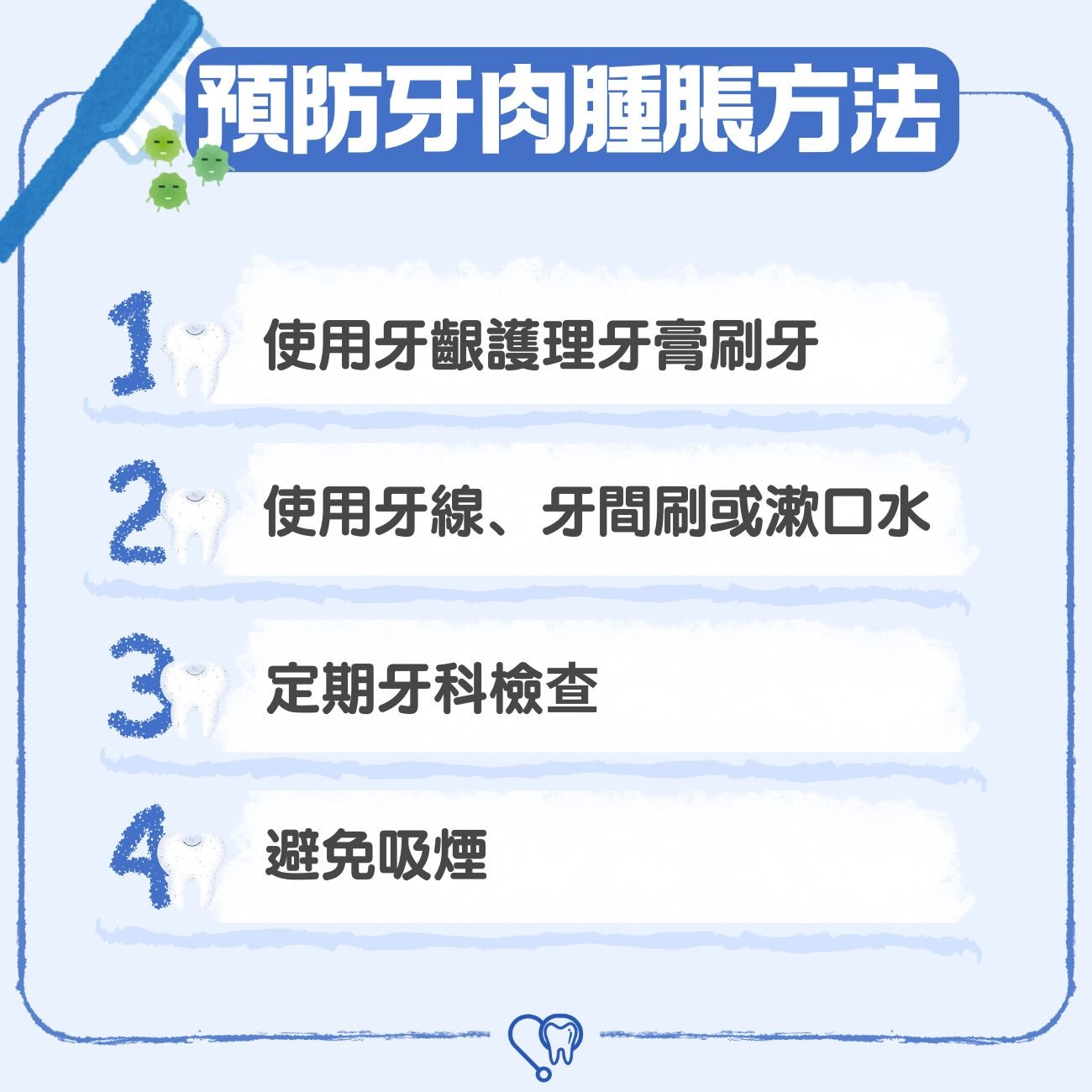
Correct oral cleaning
Clean your teeth at least twice a day, morning and night, and choose a soft-bristle toothbrush and replace it every three months. Use floss or interdental brushes to clean between the teeth, and when brushing use small circular movements rather than scrubbing sideways with force, so as not to injure the gums.
Regular check-ups and scaling
Having a dentist check your teeth and carry out scaling every six months is the most effective way to prevent swollen, painful gums. It removes tartar that cannot normally be reached by brushing and spots early periodontal problems.
Diet control and lifestyle habits
Eating fewer foods that are too sweet, too hard or too spicy, and taking in more vegetables and vitamin C, helps oral health.
Quitting smoking is also very important, because smoking weakens blood circulation in the gums and makes periodontal disease more likely.

Notes for special groups
Pregnant women, people with diabetes and people with weaker immunity should pay special attention to oral hygiene, and if they find their gums bleed or swell easily, they should seek medical advice early to prevent the infection from getting worse.
FAQ
Will swollen, painful gums get better on their own?
If it is only slight irritation, it usually goes down on its own within a few days. But if it is an infection or periodontal disease, it will not heal itself and will only get worse.
Do anti-inflammatory drugs work for swollen, painful gums?
Painkillers or anti-inflammatory drugs only relieve it temporarily and cannot clear the bacteria. If the cause is periodontal disease or a root infection, professional dental treatment is still needed.
What should I eat for swollen, painful gums? Which foods should I avoid?
You can eat gentle, soft foods such as congee, steamed egg or noodle soup. Avoid spicy, fried, hard or very hot foods, so as not to irritate the inflamed gums.
How do I reduce gum swelling?
In the early stage you can rinse with an antibacterial mouthwash or warm salt water, use a cold pack and keep the mouth clean. If there is no improvement, seek help from a dentist to confirm whether there is tartar or an infection.
Can I have my teeth scaled if my gums are swollen and painful?
Yes, but it depends on the situation. If the swelling and pain are only mild, scaling can help reduce the inflammation; if the swelling is severe or there is an abscess, the dentist will bring the infection under control first before treating it.
Which type of dentist should I see for swollen, painful gums?
It is advisable to see a general dentist or a periodontal specialist, who can judge whether it is caused by gingivitis, periodontal disease or another infection, and then arrange suitable treatment.
Summary
Swollen, painful gums may seem a minor problem, but it is the body reminding you that "your mouth needs help". Remember to keep good oral cleaning habits and have regular scaling and check-ups, so that your gums stay healthy and firm and pain no longer disturbs your life.
Disclaimer
This article is for information only and does not contain any invitation or solicitation. Patients should seek a professional dentist for diagnosis and treatment according to their own circumstances. To find out more or book a service, we recommend contacting the relevant clinic directly. Please choose suitable dental services and clinics carefully yourself.



