
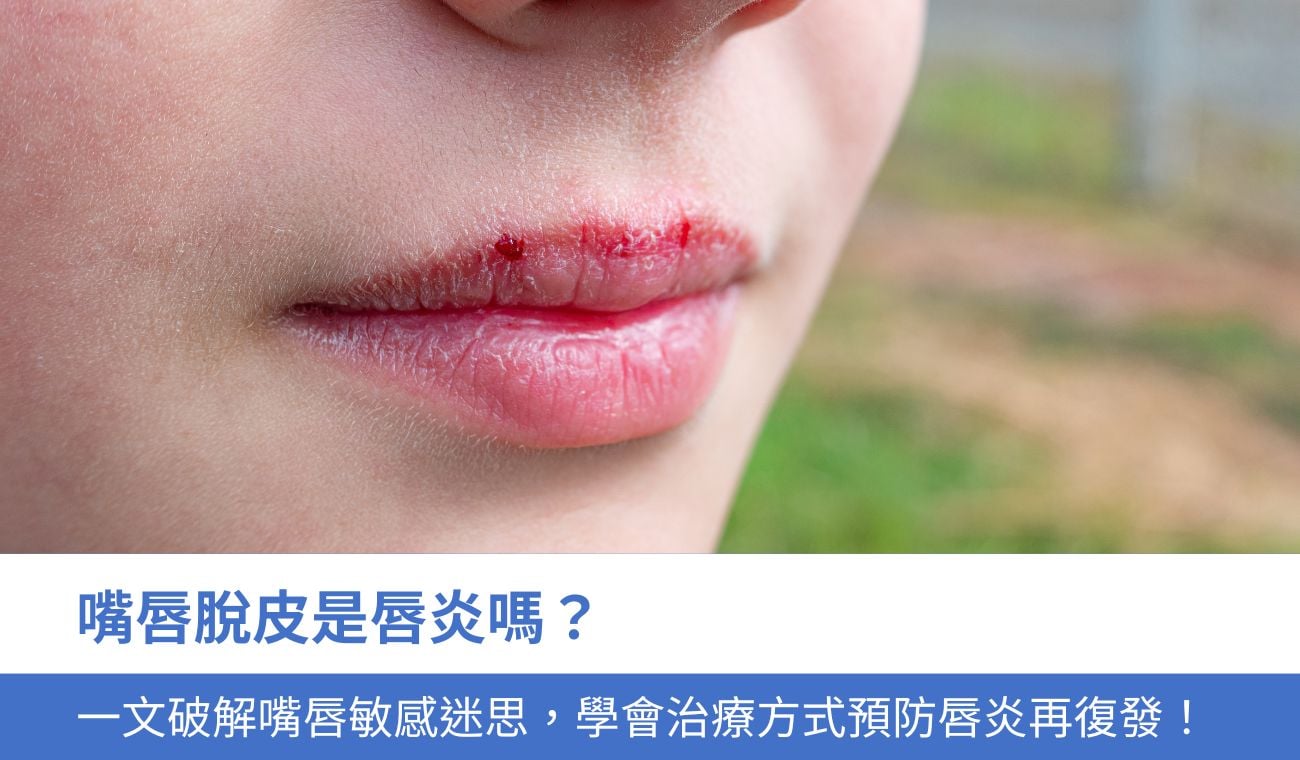
Do your lips often peel, and feel red and swollen? What if lip balm still does not help? This article helps you understand the causes, symptoms and treatments of cheilitis, to prevent dry, cracked lips and recurrence and give you healthy lips!
Cheilitiswhat are they?
Cheilitis is a condition in which the lips become inflamed. It may involve dryness, redness and swelling, peeling or even cracking and bleeding, and in a few cases extends to the lining of the mouth.Depending on how infection is involved, it is mainly divided into the following two categories:
Infectious cheilitis
Caused by bacterial, viral or fungal infection, commonly seen in people with lower immunity, or when germs attack because of broken lips. For example:
- Viral cheilitis: mainly caused byherpes simplex virus (HSV), with blisters appearing, similar to a "cold sore".
- Bacterial cheilitis: usually caused by infection with group A streptococcus or Staphylococcus aureus, which may lead to cracked and inflamed corners of the mouth.
- Fungal cheilitis: caused by candida infection, with symptoms of red patches, painful swelling or dry cracks on the lips.
- Parasitic cheilitis: caused by parasite infection, with common symptoms of swollen lips and hard lumps, and in severe cases the lips may ulcerate.
Non-infectious cheilitis
This type of cheilitis is mainly related to lifestyle habits, allergy or external environmental factors. Common types include:
- Contact cheilitis: irritation caused by an allergy to lip balm, cosmetics, toothpaste or food.
- Actinic cheilitis: a kind of actinic keratosis, caused by long-term exposure to ultraviolet rays. Actinic keratosis is also a precancerous lesion of squamous cell carcinoma.
- Exfoliative cheilitis: chronic inflammation caused by long-term lip licking and peeling.
- Drug-induced cheilitis:caused by taking oral retinoic acid or retinol, with symptoms of dry, cracked lips and corners of the mouth, red patches and peeling.
- Granulomatous cheilitis:the lips swell persistently without pain and granulomas form, sometimes causing swelling (oedema) of the lips.
- Glandular cheilitis: a rare chronic cheilitis caused by chronic inflammation of the salivary glands, with common symptoms of swelling or suppuration of the salivary glands in the lower lip.
Lip-licker's eczema vs cheilitis
Lip-licker's eczema is also a skin inflammation, usually related to atopic dermatitis or an allergic constitution, and there may be peeling, itching, redness, swelling and weeping around the lips.
By comparison, cheilitis is usually related to the environment or habits, and its symptoms are concentrated on the lips themselves rather than on the skin around the lips.
What causes cheilitis? 4 main causes of dry lips
Cheilitis can be caused by various reasons. The four most common factors are as follows:
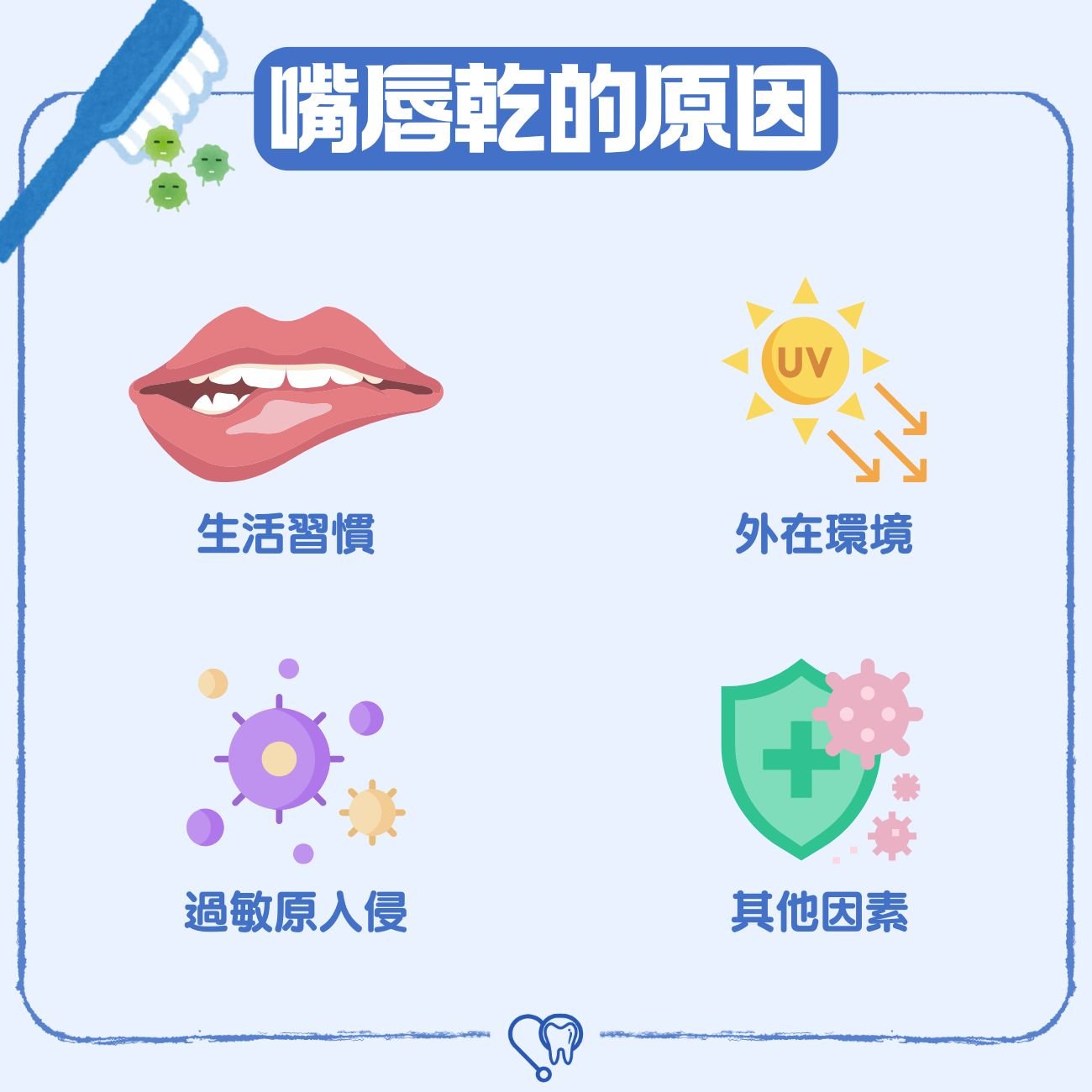
lifestyle habits
Frequently licking the lips
Many people lick their lips unconsciously when they feel dry, thinking this moistens the lips. In fact, when saliva evaporates it takes away even more moisture, making the lips drier. This vicious circle weakens the natural barrier of the lips, making them more likely to peel, become inflamed and even crack.
Biting the lips and tearing the skin of the lips
Many people have the habit of biting their lips, tearing the skin or picking at it, especially when the lips feel dry. These behaviours damage the stratum corneum of the lips, making the lips more fragile and letting bacteria invade easily, leading to infected wounds and worse inflammation.
Liking irritating foods
Spicy and acidic foods (such as chilli, lemon and vinegar), alcohol and coffee may all irritate the lips and easily cause the skin to have an allergic reaction. Eating such foods over the long term may keep the lips in an inflamed state and even increase the chance of cheilitis coming back.
External environment
Dry climate
The humidity in the air affects the moisture content of the lips. In autumn and winter, or after long periods in an air-conditioned room, the moisture in the lips evaporates easily and they become dry. When the lips lack moisture, they crack and peel easily.
Ultraviolet exposure
The skin of the lips is thinner than that of other parts of the body and has no sebaceous gland secretion,,and lacks enough melanin to resist ultraviolet rays. If the lips are exposed to sunlight for a long time, actinic cheilitis may develop, making the lips dry, red and even painful.
Allergens
Unsuitable lip balm ingredients
Some lip balms contain irritating ingredients, such as mint, camphor, fragrance and preservatives, which may cause an allergy on the lips or make dryness worse.
Toothpaste and cosmetics
Sometoothpastecontain sodium lauryl sulphate (SLS), an ingredient that may irritate the lips and cause cheilitis. Some lipsticks, lip glosses and other cosmetics may contain heavy metals or preservatives, which also affect the health of the lips.
other factors
Lack of B vitamins and iron in the body
B vitamins are important nutrients for maintaining the health of the skin and the lining of the mouth. When intake is insufficient, the lips easily become dry, cracked, peeling, red and swollen, and even painful. Among them,vitamin B2 (riboflavin)andand B6 (pyridoxine) are the most critical.
The main role of iron in the body is to help red blood cells carry oxygen to the tissues. When iron is lacking, blood circulation may become poorer, leading to pale, cracked lips and even easily to cheilitis or ulcers at the corners of the mouth.
If the lips are often cracked and accompanied by easy tiredness, a pale complexion and the like, it is advisable to check whether there is an iron deficiency.
immune system problems
When the immune system is abnormal or weak, the lips become more sensitive and even easily inflamed. Some chronic diseases or autoimmune problems may make the lips more prone to problems such as cracking, redness and itching.
CheilitisWhat are the symptoms?
The symptoms of cheilitis vary with severity, so how do you know whether you have it? Here are the commonly seen signs:
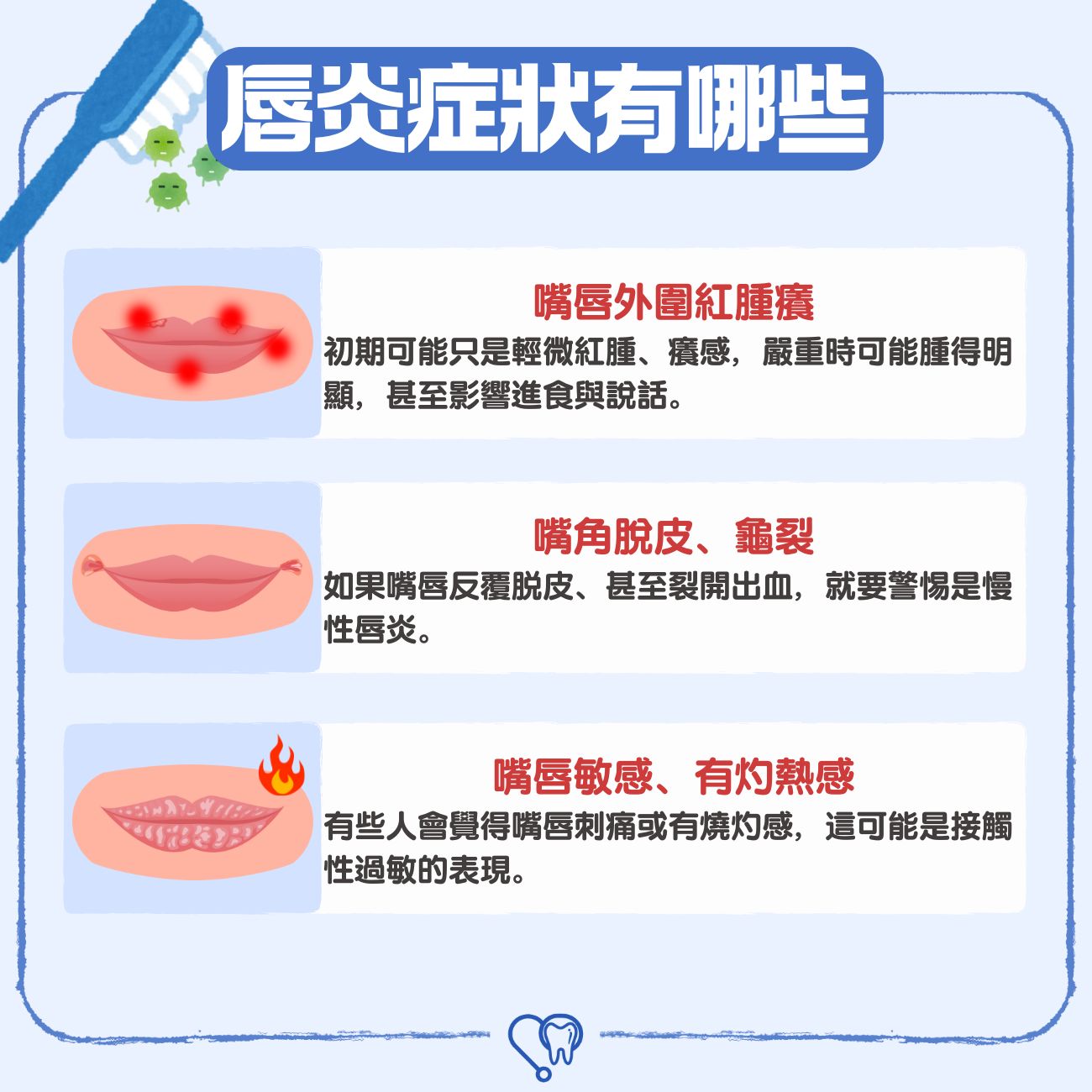
Redness, swelling and itching around the lips
In the early stage there may be only slight redness, swelling and itching, and when severe the swelling may be obvious and even affect eating and speaking.
Peeling and cracking at the corners of the mouth
If the lips repeatedly peel or even crack and bleed, be alert to the possibility of chronic cheilitis.
Sensitive lips, with a burning sensation
Some people feel a stinging or burning sensation in the lips, which may be a sign of contact allergy.
When should you see a doctor? Warning signs that cheilitis is getting worse
If any of the following occur on the lips, it is advisable to seek medical attention as soon as possible:
- A wound that does not heal and even forms pus.
- Blisters appear around the lips, suspected to be a cold sore (herpes labialis) infection.
- Long-term peeling and repeated cracking that affect quality of life.
- A clear ulcer, suspected to be a possibleoral cancerwarning sign.
Will cheilitis get better by itself? Common treatments
Mild cheilitis may recover by itself after irritants are avoided, but if the symptoms persist, active treatment is needed. To treat cheilitis you must first find the cause, and then give different treatments according to the cause.
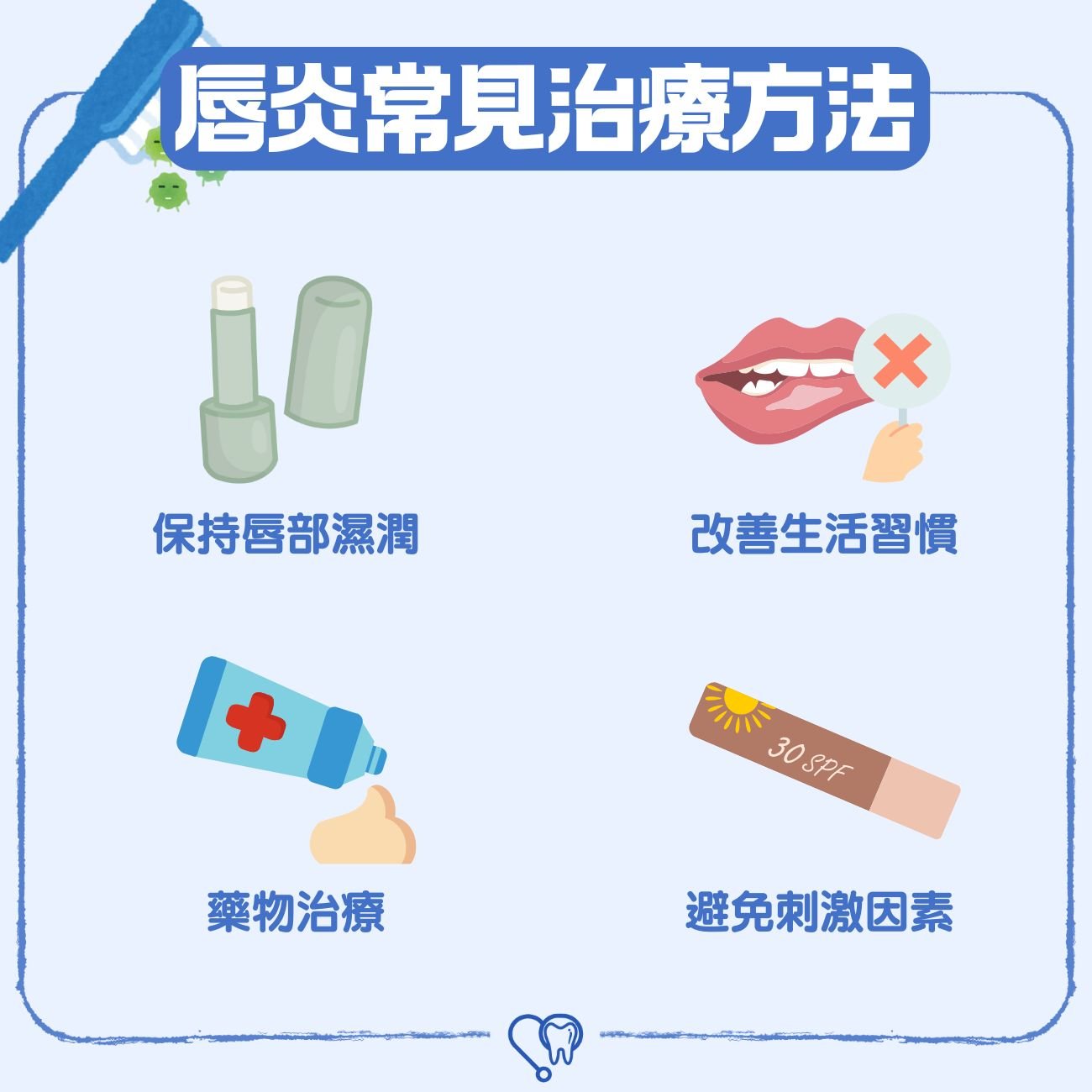
Keep the lips moist
If you find that your lips become drier or itchier after using lip balm, it is advisable to switch to a pure natural lip balm with no fragrance and no irritating ingredients, such as petroleum jelly, beeswax or shea butter, which help the lips lock in moisture and reduce cracking.
Drink more water to replenish fluids. When the body has enough water, the lips will naturally look more moist.
Improve lifestyle habits
Avoid licking the lips, peeling the skin of the lips or wiping the mouth hard, so as not to worsen the inflammatory reaction, and use lip balm to moisturise instead.
Eat less acidic or spicy irritating food, and take in more B vitamins and iron, such as milk, eggs, lean meat, pork liver, dark green vegetables, nuts, wholegrains and pulses, all of which help the lips stay healthy.
medication treatment
If there is allergic cheilitis, a topical steroid ointment can be used in appropriate amounts to reduce inflammation. If it is a bacterial or herpes infection, antibiotics or antiviral drugs may be needed to treat the infection. If the inflammation is severe, however, please seek a doctor's help immediately.
Avoid irritating factors
Choose care products free of SLS and artificial fragrances (toothpaste,mouthwash). When going out, use a lip balm with sun protection to prevent ultraviolet damage.
FAQ
What is the difference between cheilitis and angular cheilitis?
Inflamed or painful lips may be "cheilitis" or may be "angular cheilitis". Although both conditions affect oral health, their causes, symptoms and treatments are in fact quite different.
Cheilitis means that the lips themselves are inflamed, and the area affected usually covers the whole lip area, sometimes even extending to the skin around the lips.
Angular cheilitis mainly affects the corners of the mouth, and is characterised by redness and cracks at the corners of the mouth, and may even form painful ulcers or scabs.
| Comparison Items | cheilitis | angular cheilitis |
| Area affected | The whole lips (upper and lower lips) | The corners of the mouth (one side or both) |
| common symptoms | Dryness, peeling, redness and swelling, cracking, sensitivity and itching | Redness, cracks, scabs and weeping at the corners of the mouth |
| Main causes | Product allergy, dry climate, lip licking, sun exposure, bacterial infection | Moist corners of the mouth, cracks that do not heal, fungal infection (candida) |
| Whether it affects eating and speaking | Not in mild cases, but may be painful when severe | May do so, because the corners of the mouth easily crack open when the mouth is opened, making symptoms worse |
Is cheilitis contagious?
This depends on the type of cheilitis.
Non-infectious cheilitis caused by environmental factors, allergy or lifestyle habits is basically not contagious. For example, dry climate leading tochapped lips, or inflammation due to product allergy. None of these cases is contagious to others.
But some types of cheilitis, such as herpetic cheilitis, are highly contagious.
Summary
Although cheilitis is common, it may recur repeatedly if not dealt with in time. Avoiding irritants, caring for the lips correctly and paying attention to diet are what let the lips return to health! If the symptoms persist, remember to seek professional medical help in good time.
Disclaimer
This article is for information only and does not contain any invitation or solicitation. Patients should seek a professional dentist for diagnosis and treatment according to their own circumstances. To find out more or book a service, we recommend contacting the relevant clinic directly. Please choose suitable dental services and clinics carefully yourself.



