
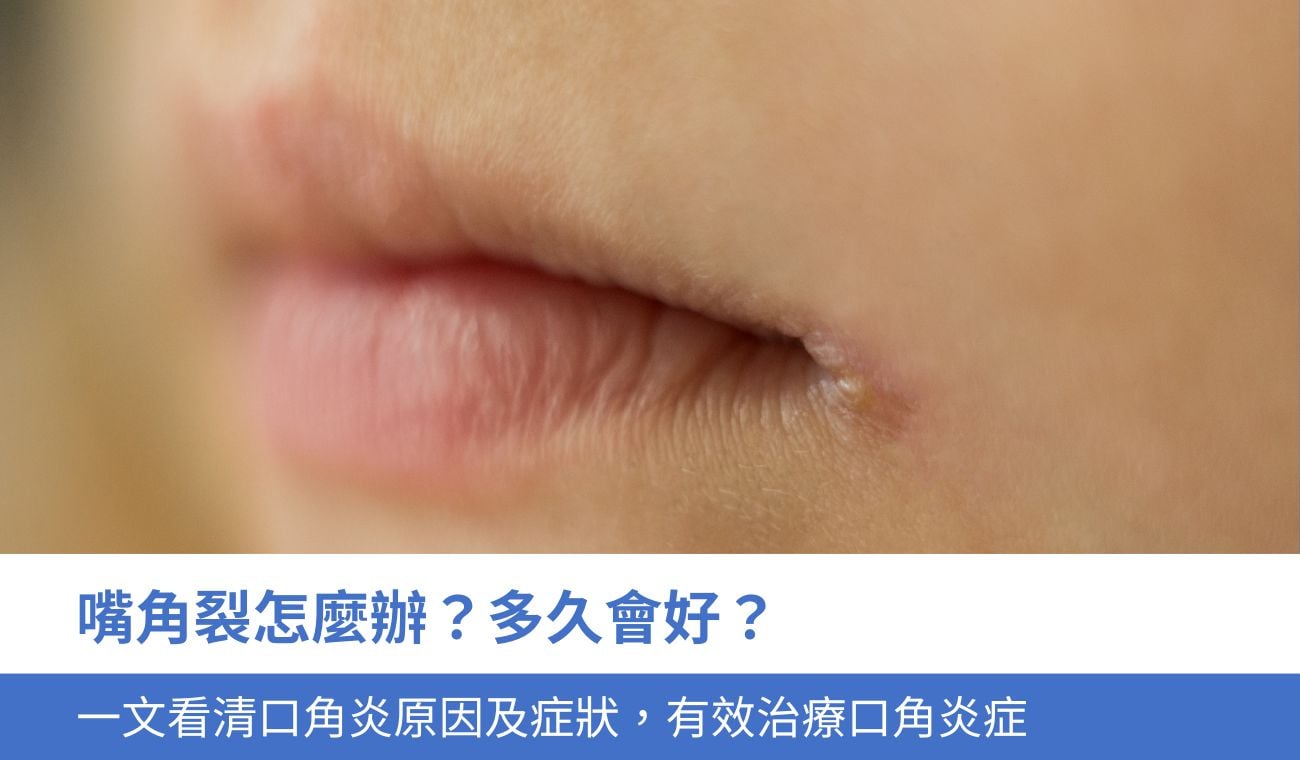
What should you do if the corners of your mouth become red, swollen, with white patches or sores? Be careful, it may be angular cheilitis or cheilitis! This article analyses the causes and symptoms of angular cheilitis, its treatment and how to boost immunity to prevent it.
angular cheilitiswhat are they?
Commonly known as "sore mouth corners"
Angular cheilitis is a form ofcheilitis. It may occur at one or both corners of the mouth, but in most cases both corners are inflamed at the same time.
Because angular cheilitis usually occurs at the corners of the lips and the mouth corners easily crack, it is also called "sore mouth corners" or "smelly mouth corners".
Common symptoms include redness, swelling and pain at the corners of the mouth, eroded and cracked skin, moist or dry and peeling mouth corners, and crust formation. In serious cases it may even affect speaking and eating. These symptoms may last for days or even years.
Angular cheilitis may be caused by many factors. According to the cause, it can be divided into infectious angular cheilitis, nutritional-deficiency angular cheilitis, traumatic angular cheilitis and contact angular cheilitis.
angular cheilitisIs it the same as a cold sore?
Although angular cheilitis andcold soreboth affect the lips area, the two are actually different.
Angular cheilitis is concentrated at the corners of the mouth, showing as redness, swelling, peeling and bleeding, but it does not produce blisters and is not spread by kissing or sharing items.
Cold sores (herpes labialis)) can appear on any part of the lips. They show as redness, swelling and pain around the lips, form blisters that then burst and crust over, and are contagious.
Causes of angular cheilitisWhat are they?
Is it true, as rumoured, that sore mouth corners come easily because of excess internal heat? Not really. Angular cheilitis is mostly caused by immunity and nutrition problems, or by the corners of the mouth being in a damp environment for a long time. Here are some common triggers:
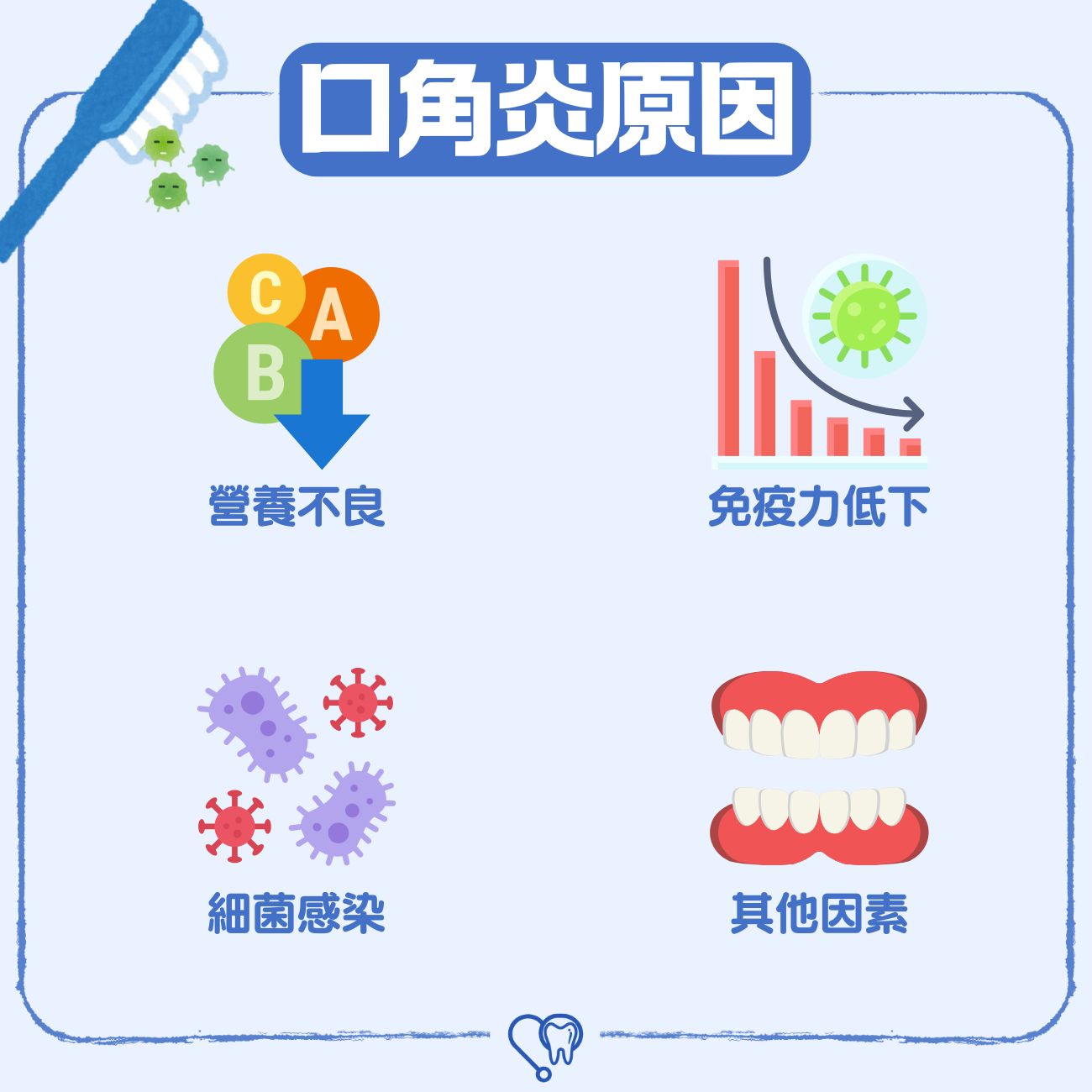
Poor nutrition
When there is a lack of nutrients such as B vitamins, iron, zinc and folic acid, symptoms of angular cheilitis easily appear, and vitamin B2 deficiency is the most common.
Vitamin B2 is a nutrient essential for growth and development and for cell regeneration. It promotes the formation of red blood cells, maintains the function of the nervous system and helps metabolism. A lack of it may lead to fragile tissue that is more easily affected by infection and inflammation.
Low immunity
Low immunity is one of the most common causes of angular cheilitis. People whose immunity has dropped because of long-term stress, irregular routines or chronic illness (diabetes, HIV) are more prone to angular cheilitis than others. Low immune function may also increase the risk of herpes virus or fungal infection.
bacterial infection
There are many microorganisms in our mouth, and when environmental conditions change, some bacteria and fungi may overgrow and cause infection.
In people with angular cheilitis, common sources of infection includeStaphylococcus aureus(bacteria) andCandida albicans(fungus). These microorganisms may take the opportunity to invade damaged skin and worsen the inflammatory response.
other factors
Some people have sunken facial contours because of missing teeth or ill-fittingdenturesthat cause the mouth corners to be constantly rubbed; in older people the facial skin becomes loose and sagging, and deeper skin folds easily form near the nasolabial folds, causing saliva to collect at the corners of the mouth; and having eczema-prone conditions such as seborrhoeic dermatitis or atopic dermatitis may all contribute to angular cheilitis flare-ups.
Symptoms of angular cheilitis
Although angular cheilitis is not a big problem, the discomfort caused by the symptoms can be small or large. Here are the main symptoms of angular cheilitis:
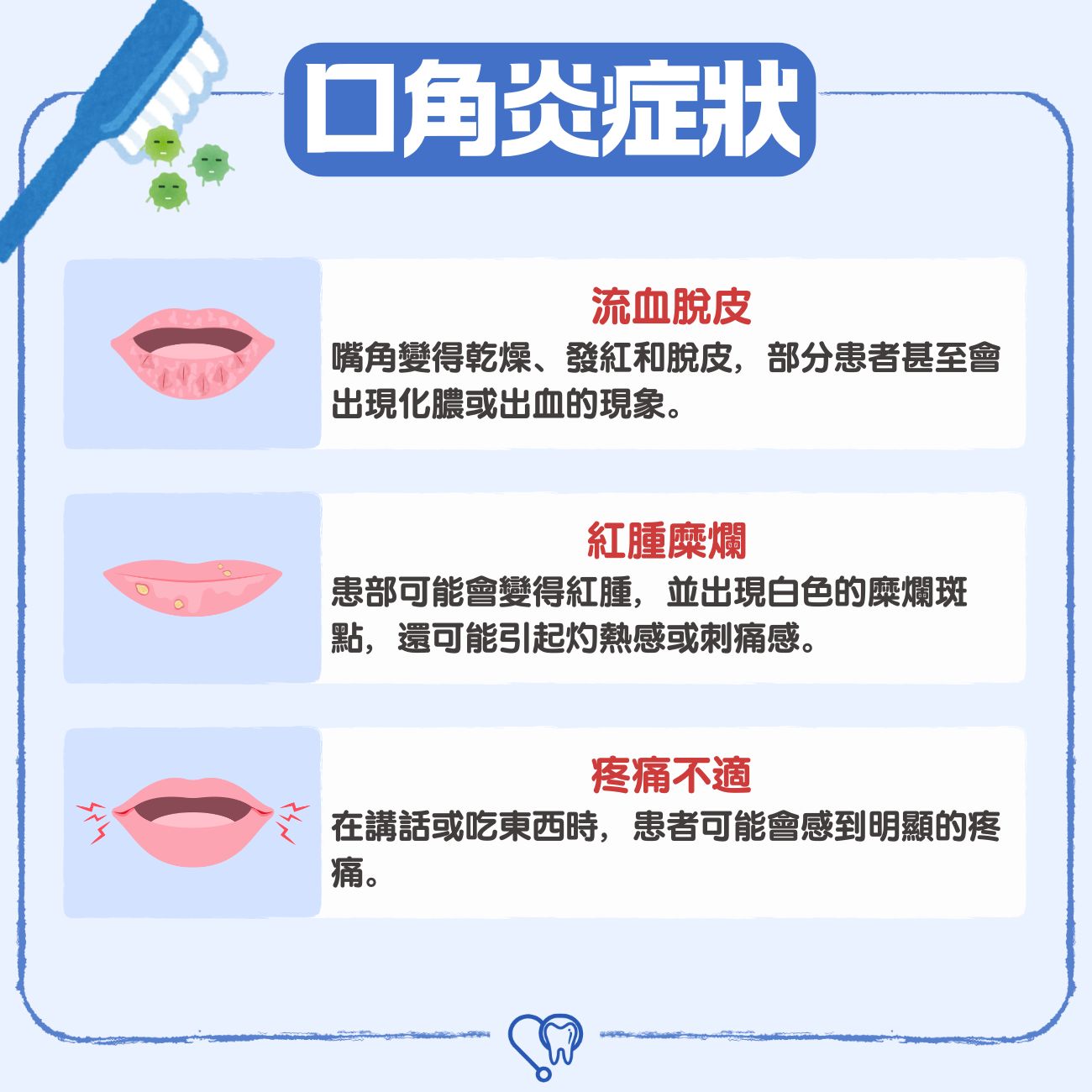
Bleeding and peeling
Patients may notice the corners of the mouth becoming dry, red and peeling, which is the most obvious symptom of mild angular cheilitis. In severe cases cracks appear at the corners of the mouth, and some patients may even have pus or bleeding.
Redness, swelling and erosion
The affected area usually shows redness, swelling and erosion. The affected part may become red and swollen with white eroded spots. It not only looks unsightly but may also cause a burning or stinging feeling.
Pain and discomfort
Angular cheilitis may also cause pain and discomfort. Patients may feel clear pain, especially when talking or eating.
What should you do about angular cheilitis? 3 effective ways to treat angular cheilitis
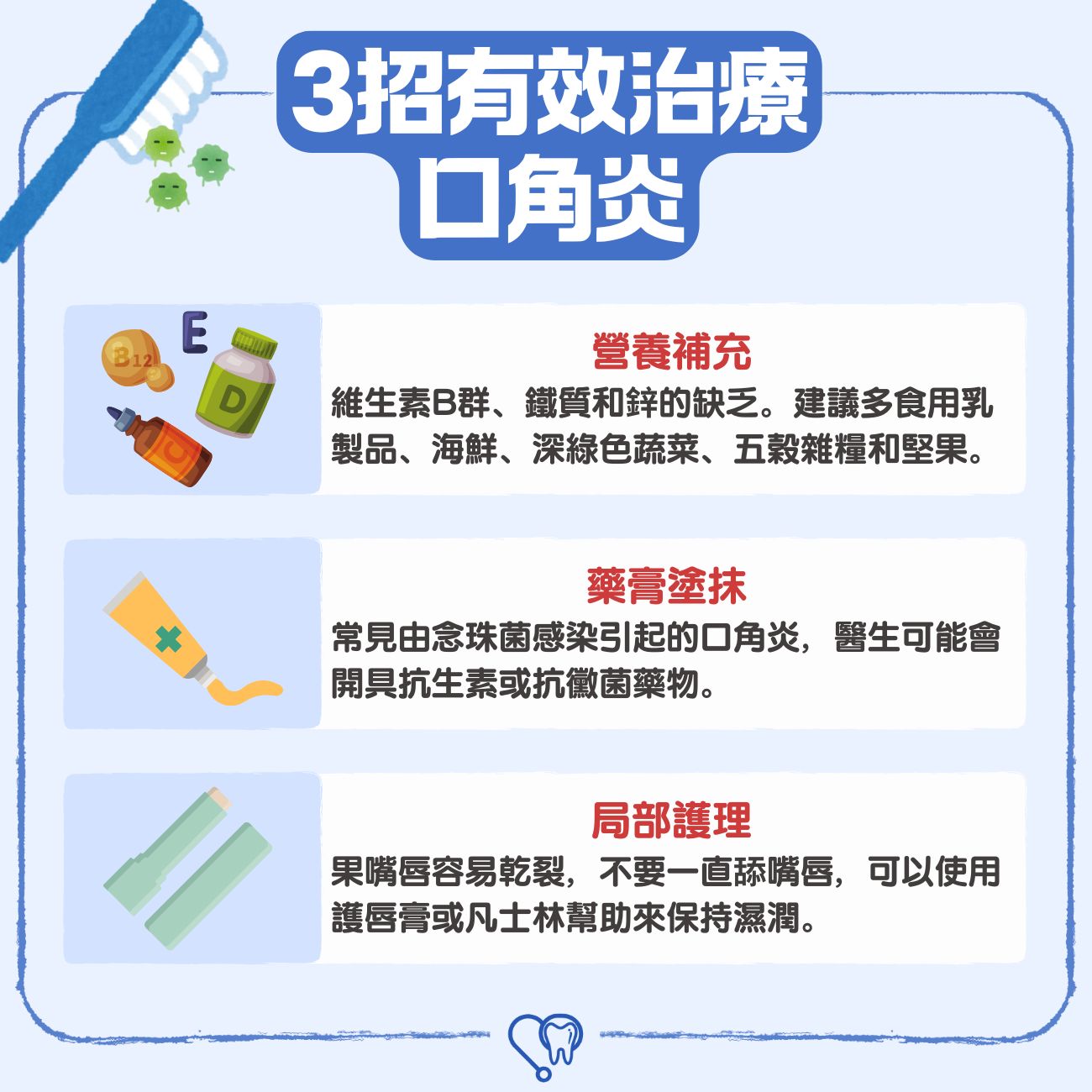
Angular cheilitis is acute or chronic inflammation of the corners of the mouth. Although it is not a very serious condition, correct treatment can also speed up wound repair and reduce discomfort. Learn the following 3 effective treatment methods:
Nutritional supplements
Angular cheilitis is often linked to poor nutrition, especially a lack of B vitamins, iron and zinc. We suggest eating more foods such as dairy products, seafood, dark green vegetables, whole grains and nuts, which help treat current angular cheilitis and also prevent future recurrence.
Applying ointment
For angular cheilitis commonly caused by Candida infection, the doctor may prescribe antibiotics or antifungal medication. These ointments act directly on the affected area and usually bring improvement and healing within a week. Remember to use them strictly as directed by the doctor.
Local care
IfLips dry and crack easily, so do not keep licking your lips. You can use lip balm or petroleum jelly to help keep them moist. We suggest applying it regularly, especially in dry or cold weather.
If angular cheilitis is caused by ill-fitting dentures, correcting the bite position is also an important treatment. Adjusting the bite height of the dentures can prevent saliva collecting at the corners of the mouth and reduce the risk of infection.
FAQ
Angular cheilitis that will not go away?
If angular cheilitis is slow to improve, possible causes include continued poor nutrition, a chronic infection that has not been effectively controlled, long-term low immunity, improper oral habits (licking the lips or using irritating products) or ill-fitting dentures.
If symptoms last more than two weeks, we suggest seeking a dentist's professional advice for a full examination and targeted treatment.
What foods are good for angular cheilitis?
To speed up recovery from angular cheilitis, eat more foods rich in vitamin B2 (milk, eggs, whole grains, leafy green vegetables), vitamin C (citrus fruits, strawberries, sweet peppers), iron (red meat, spinach, beans, nuts), zinc (oysters, lean meat, pumpkin seeds), protein (fish, chicken, tofu) and probiotics (yoghurt).
At the same time, avoid spicy, acidic and overly salty foods, so as not to irritate the wound. Drinking enough water also helps keep the mouth moist. A balanced diet together with suitable oral care can speed up the healing of angular cheilitis.
Summary
Understanding how angular cheilitis forms can help us prevent and manage it better. Good nutrition, a strengthened immune system and attention to oral hygiene are all effective ways of preventing angular cheilitis. But if symptoms persist or keep recurring, we suggest consulting a doctor for suitable diagnosis and treatment advice.
Disclaimer
This article is for information only and does not contain any invitation or solicitation. Patients should seek a professional dentist for diagnosis and treatment according to their own circumstances. To find out more or book a service, we recommend contacting the relevant clinic directly. Please choose suitable dental services and clinics carefully yourself.



