

Toothache is not always caused by tooth decay. It may be related to tooth sensitivity, pulp inflammation, periodontal disease, bite problems or sinus problems, and we recommend seeing a dentist early for an examination.
Toothache but the dentist says there is no tooth decay? 8 possible causes of toothache
Have you also had toothache so bad you could not stand it, only to be told by the dentist that "there is no tooth decay"? In fact toothache does not always mean tooth decay, and there may be different causes hidden behind it.
If you simply put up with it, the problem often gets worse more easily. Here are 8 common possible causes:
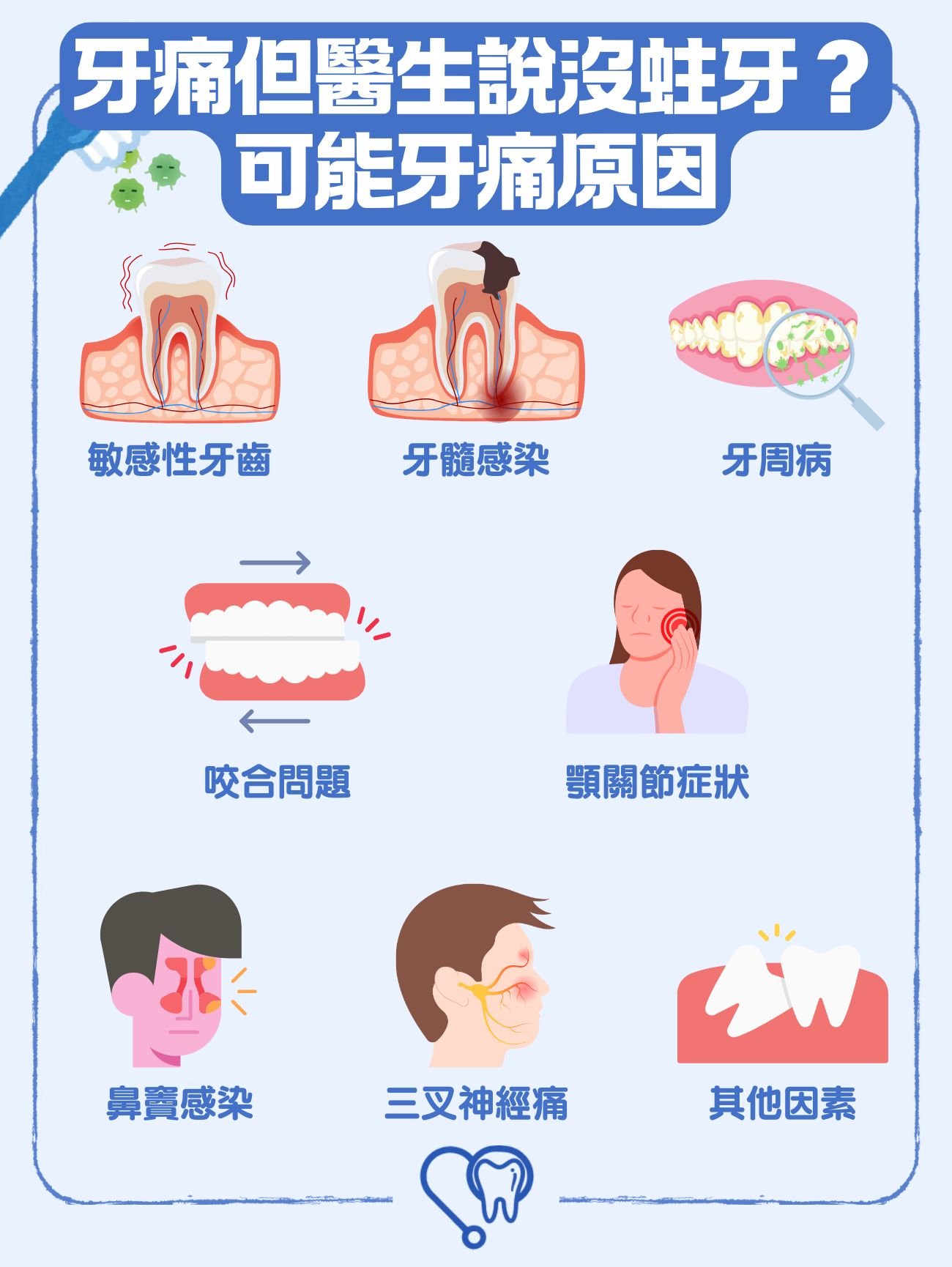
sensitive teeth
If your teeth feel a sharp pain when they meet hot or cold, or sweet or sour food, it is very likely sensitive teeth. This is usually related to the tooth surfaceenamelwear, for example brushing too hard often, using a hard-bristled toothbrush, or gum recession exposing the tooth root.
Pulp infection and inflammation
When bacteria enter through the gaps between teeth or tiny cracks, they can cause inflammation or even infection of the pulp tissue.
This pain is usually more severe, may throb continuously and may even affect sleep. Although the tooth looks free of decay from the outside, the nerve inside is already affected and needs early treatment, otherwise it can develop into more serious pulp necrosis or an abscess.
periodontal disease
Periodontal disease not only makes the gums red, swollen and bleeding, but can sometimes make the teeth hurt as well.
When the gums become inflamed from bacterial infection and the bone supporting the teeth gradually decreases, the teeth become loose or ache dully. This kind of pain often comes with bad breath and gum inflammation, and even discomfort when biting. If left untreated, in the worst case the tooth may even fall out.
bite problems
For some people the toothache is not caused by bacteria but by uneven distribution of biting force.
Biting too tightly, uneven tooth wear or long-term teeth grinding can all cause excessive pressure on parts of the teeth, which over time triggers pain and may even lead to cracks in the tooth.
Temporomandibular joint symptoms
Temporomandibular joint problems are often overlooked, but they can in fact involve toothache.
When the temporomandibular joint is inflamed or the muscles are tense, you may feel your teeth are sore, and even have a headache or facial aching along with it. This kind of pain is often related to stress, and may also be made worse by long-term clenching or grinding of the teeth.
Sinus infection
Some toothaches are actually caused by the "nose"! When the sinuses are inflamed or blocked, the pressure is transmitted downwards to the upper teeth, making people mistake it for toothache.
This pain usually comes together with a cold or a blocked nose, especially in the teeth under the cheeks and the palate. In this case, seeing a dentist may not help, and treatment from an ear, nose and throat doctor may be needed.
trigeminal neuralgia
Trigeminal neuralgia is a nerve-related condition that gives a sudden, intense stabbing pain like an electric shock, usually lasting from a few seconds to a few minutes. Although this is not a problem with the teeth themselves, because the pain is in the face and tooth area, many people mistake it for toothache.
other factors
Besides the above, there are some other situations that can also cause toothache. For example, hidden cracks in the teeth, inflamed wisdom teeth, oral injuries, and even long-term stress or calcium deficiency can all cause abnormal sensations in the teeth.
If toothache keeps recurring, we recommend not relying on painkillers alone, and getting it checked out clearly as soon as possible.
Throbbing teeth, gum pain so bad you cannot sleep? Here is what to do to ease the pain
When pain from the teeth affects your life, just waiting for an appointment can be agonising. Although the root cause still needs to be dealt with by a dentist, in daily life you can first do the following to ease the discomfort:
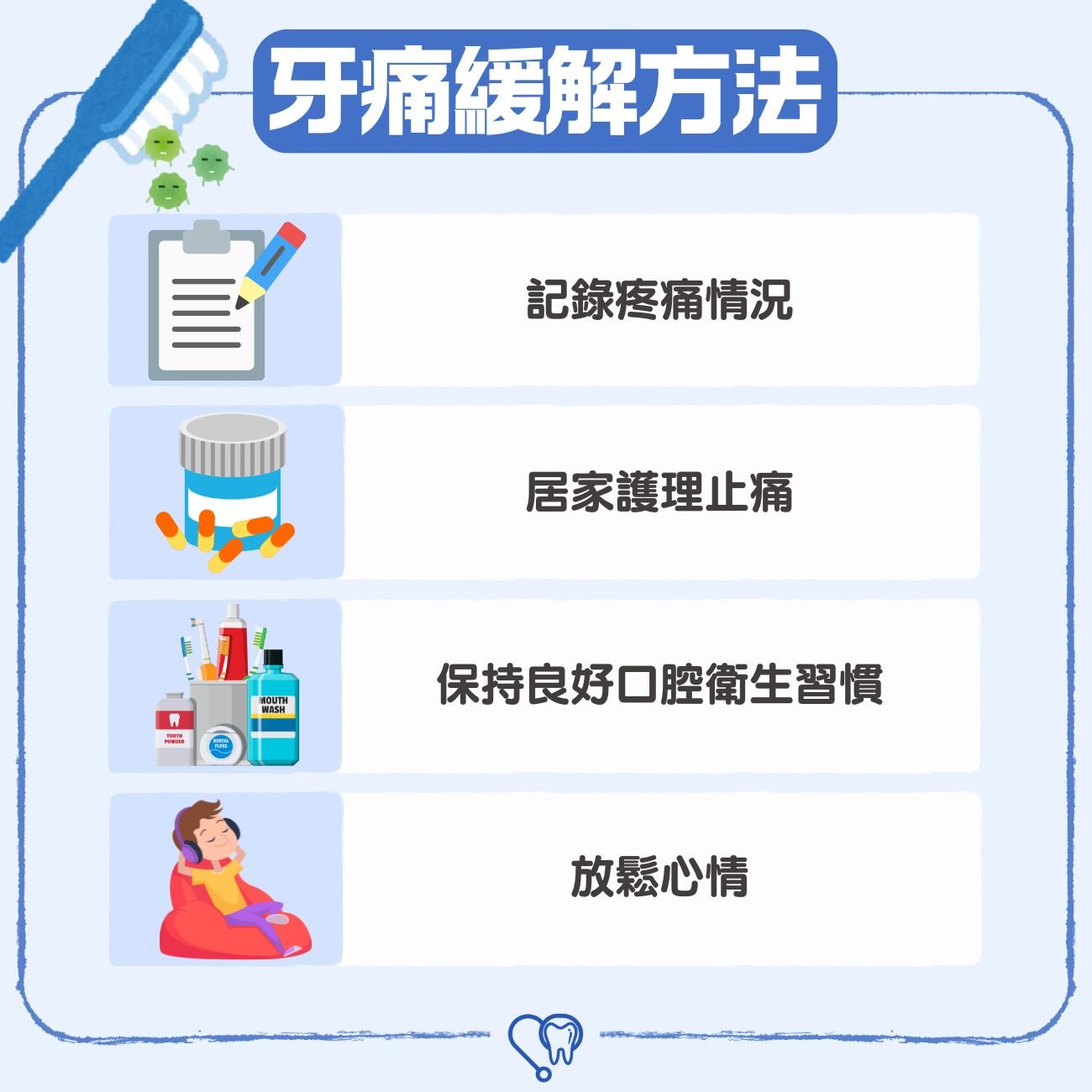
Record the pain
First observe when the pain appears and what it is like, for example whether it hurts when biting, when meeting hot or cold stimuli, or especially before bed. This information can help the dentist work out the cause faster and shorten the time to diagnosis.
Home care for pain relief
You can first rinse with warm salt water to help reduce bacterial irritation. If there is facial swelling, you can apply a cold pack to reduce discomfort. Painkillers (paracetamol or ibuprofen) can give temporary relief, but remember they are only for short-term emergency use and should not be relied on long term.
maintain good oral hygiene habits
When they have toothache, many people are afraid to brush because of the pain, but this actually makes it easier for bacteria to grow and cause more serious infection.
We recommend cleaning gently with a soft-bristled toothbrush, together with dental floss or a water flosser to keep the mouth clean. Of course, regular check-ups and scaling and polishing are also a part of oral health that must not be overlooked!
Relax
Too much stress can also make toothache more noticeable. Try deep breathing, listening to music or doing some relaxation exercises before bed. Keeping calm not only helps reduce the pain but also avoids making the pain worse by clenching your teeth from tension.
Do not delay toothache: see a dentist early for diagnosis
Many people choose to put up with toothache or take painkillers, but this often only masks it temporarily, and in serious cases it may affect not only the teeth but even general health.
Toothache may signal an underlying disease. If it is not treated promptly, at best the golden window for treatment is delayed, and at worst the chance of keeping the tooth may be lost. Whenever there is persistent or severe toothache, you should have a dentist examine it as soon as possible, to find the real cause and carry out the appropriate treatment.
FAQ
Why do my teeth hurt when there is no tooth decay?
As mentioned above, toothache has many sources and may be tooth sensitivity, periodontal disease, pulp inflammation, or even sinusitis or nerve pain. We recommend having a professional dentist examine and treat it, so that the correct cause can be found.
How can I tell whether it is a tooth or the gums that hurt?
Tooth pain is usually a deep throbbing pain or an aching pain when biting, while gum pain mostly comes with redness, bleeding or local swelling. If you are not sure, it is best to have a dentist check clearly, to avoid a misjudgement.
How can I tell whether tooth pain is caused by tooth decay?
Pain from tooth decay is often related to food, and especially when eating sweet things or drinking hot or cold drinks it is clearly uncomfortable. If the cavity is already deep, there may be continuous throbbing. If there is toothache without an obvious cavity on the tooth surface, other possible causes need to be considered.
Summary
Toothache does not necessarily mean tooth decay, and there may be many causes behind it, from tooth sensitivity to nerve problems. When pain occurs, first take simple measures to relieve it, and see a dentist early for an examination. Only by determining the true cause can it be treated effectively, preventing a small problem from turning into a big one.
Disclaimer
This article is for information only and does not contain any invitation or solicitation. Patients should seek a professional dentist for diagnosis and treatment according to their own circumstances. To find out more or book a service, we recommend contacting the relevant clinic directly. Please choose suitable dental services and clinics carefully yourself.



