

Getting enough Vitamin C, calcium, Omega-3, protein, antioxidant-rich foods and B vitamins helps prevent and improve gum recession, and works best together with good oral habits.
What to eat for gum recession? 6 key nutrients to know
Gum recession is a problem many people come across. Besides paying attention to daily cleaning habits, getting the right nutrients in your diet can also help keep your gums healthy.
So what should you eat for receding gums? Here we have put together six key nutrients to help you lay a good foundation for your gums through your diet.
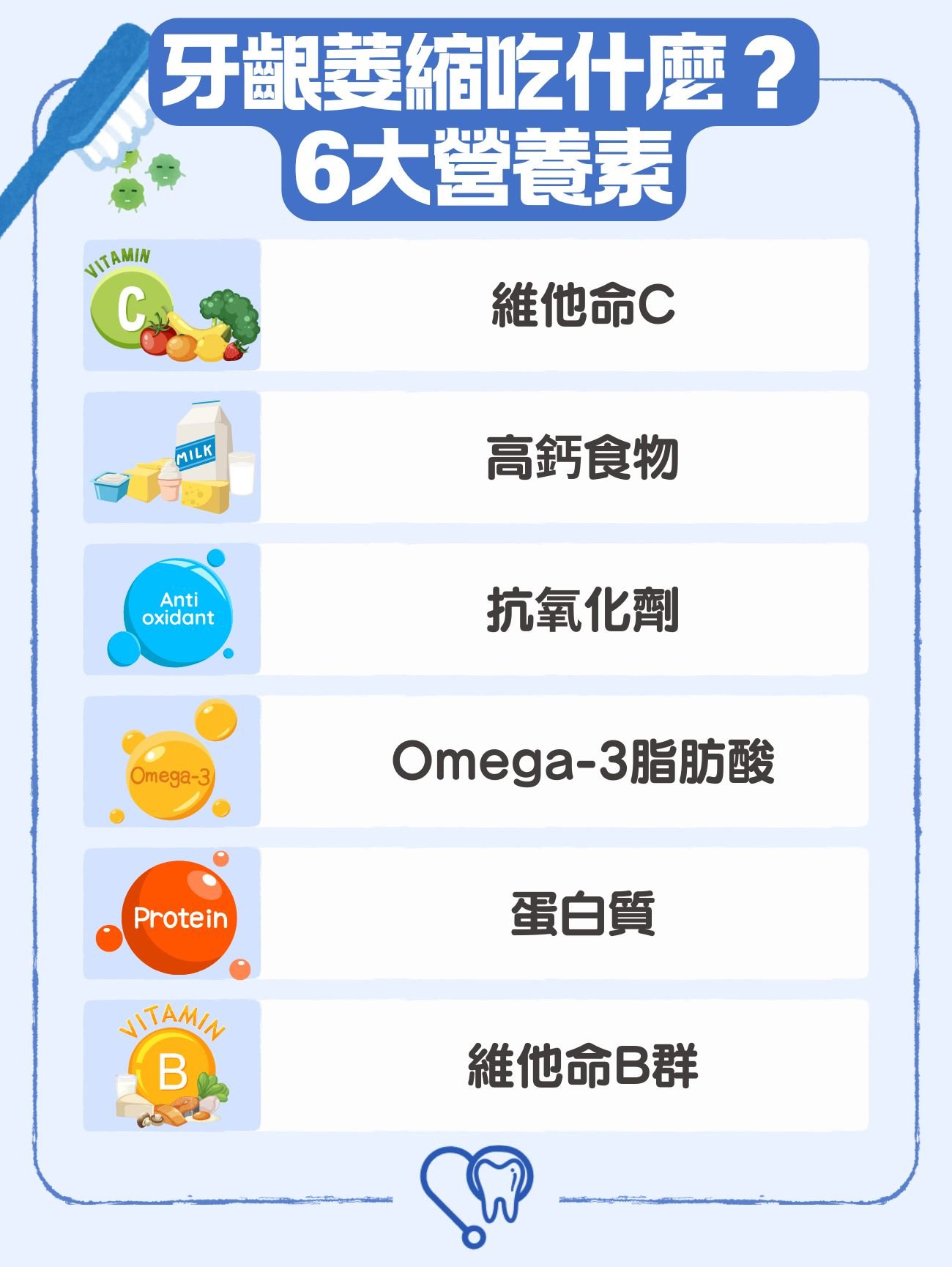
Vitamin C (promotes collagen production)
Vitamin C can be said to be the cornerstone of gum health, because the connective tissue of the gums needs a large amount of collagen, and Vitamin C is an important nutrient that promotes collagen synthesis. Without enough Vitamin C, the gums become prone to bleeding and inflammation, and may even recede faster.
Eating more kiwi fruit, oranges, strawberries, bell peppers and other foods rich in Vitamin C in your daily diet helps keep the gums more elastic and can also boost your resistance.
Calcium-rich foods (strengthen bone and enamel)
Calcium is important not only for the bones, but also for the alveolar bone around the teeth and for the enamel. Gum recession often comes with bone loss, and an insufficient calcium intake weakens the support of the teeth.
To boost calcium, you can choose foods such as milk, cheese, yoghurt, dried small fish and tofu, and absorption will be better when taken together with Vitamin D. Getting enough calcium over the long term can make the teeth more stable, and can also reduce the effects after gum recessionloose teethrisks.
Antioxidants (reduce free radical damage)
Antioxidants can reducefree radicaldamage to the gum tissue and slow down ageing and inflammation.
Green tea, blueberries, grapes and dark green vegetables are all good choices. These foods contain natural antioxidants such as polyphenols and anthocyanins, which not only protect the gums but also benefit cardiovascular health.
Omega-3 fatty acids (anti-inflammatory)
Omega-3 fatty acids have a strong anti-inflammatory effect and can have a protective effect on gum recession caused byperiodontal diseaseor chronic inflammation.
Salmon, mackerel, sardines, nuts, flaxseed and chia seeds can all provide plenty of Omega-3. Working these foods into your daily diet can help reduce gum inflammation and keep the tissue around the teeth healthier.
Protein (repairs gum tissue)
Damaged gums need to be repaired, and protein is an essential material for repairing tissue. If protein intake is insufficient, wounds heal more slowly and the gums find it harder to return to health.
In your daily diet, you can eat more eggs, chicken, beans and fish, or drink soya milk or milk, all of which provide good-quality protein.
B vitamins (repair the mucosa and help prevent ulcers)
B vitamins are especially helpful for repairing the oral mucosa. Many people developsoresor mouth ulcers once their gums are damaged, and B vitamins can help the tissue recover more quickly at such times.
Eating more wholegrains, nuts and dark-coloured vegetables, or choosing a B-complex supplement, is helpful for oral health.
Besides getting enough nutrients, also pay attention to the causes of gum recession
Food choices do have some influence on gum health, but if you only top up on nutrients and ignore the causes of gum recession, the effect is still limited. To genuinely improve gum problems, you need to start with daily habits and lifestyle factors.
Early symptoms of gum recession to watch for
At the beginning, gum recessionmay not have very obvious symptoms, and many people overlook it.
Common signs include the gum margin gradually pulling back so that the tooth roots become easier to see, and sensitivity when eating, drinking hot or cold drinks or brushing. If you notice that your teeth look longer than before, or your gums often bleed or look red and swollen, you need to pay particular attention.
poor oral habits
Brushing too hard, using a toothbrush with bristles that are too stiff, and using toothpicks the wrong way can all cause the gums to gradually recede. If these small habits are ignored for a long time, it is easy to causegum injuryand recession.
ageing
As we age, the gums and the tissue supporting the teeth also age naturally. Although this is an unavoidable process, we can still slow it down through good care and diet.
Misaligned Bite
If the bite is uneven, some teeth bear too much pressure, and over time the gums will recede as well. This situation usually needs dental intervention, such as orthodontic treatment or bite adjustment, to genuinely improve it.
other factors
Long-term smoking, hormonal changes, chronic illnesses (diabetes) or long-standing periodontal disease can all make gum health worse. If you suspect any of these factors, we recommend having a professional dentist examine you to find the real cause.
4 key points for preventing gum recession
Sincegum recessioncannot be ignored, prevention should be part of your daily routine so that damage is kept to a minimum.
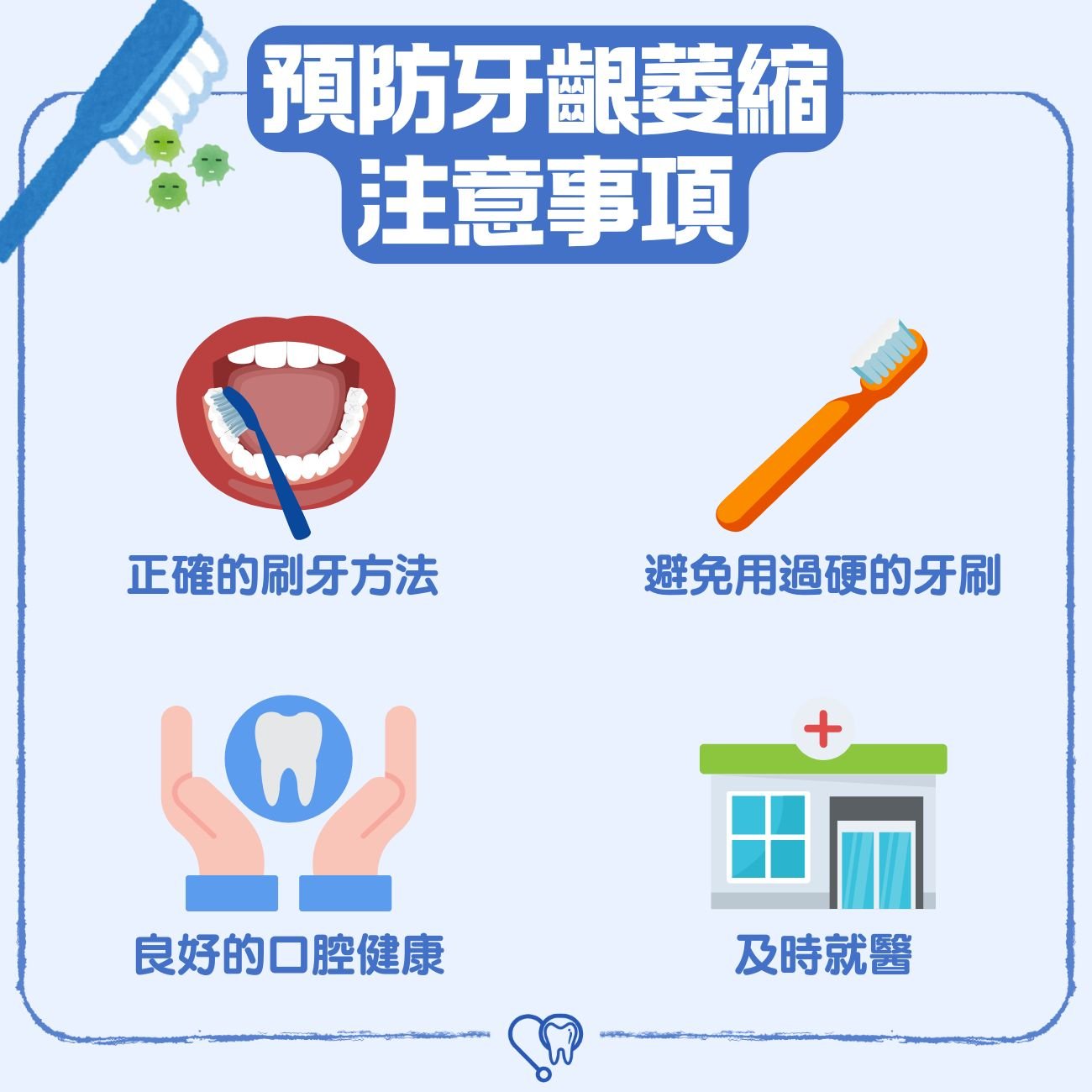
correct toothbrushing method
Brushing harder does not make teeth cleaner, and it can easily damage the gums instead. We recommend using the correct brushing technique with a soft-bristled toothbrush, cleaning the junction between the teeth and gums at a small angle and with a gentle motion.
Avoid using toothbrushes that are too hard
Hard-bristled toothbrushes may feel more effective at cleaning, but they can easily wear down the gums and enamel. Choosing a soft or medium-soft toothbrush and brushing correctly is the best protection for your gums.
Good oral health
Brush every morning and night, and use dental floss or a water flosser to clean between the teeth to avoid plaque build-up. Regular oral check-ups and scaling and polishing can remove tartar and lower the risk of periodontal disease.
See a dentist promptly
As soon as you notice tooth sensitivity or gum recession, do not delay. Early diagnosis by a dentist can prevent the problem from getting worse.
Depending on your condition, the dentist may carry out periodontal treatment, bone grafting or gum grafting to improve the recession.
FAQ
Will receding gums recover on their own?
Once the gums have receded, they basically do not grow back by themselves. However, improving your brushing technique, controlling inflammation, getting enough nutrients and, where necessary, dental treatment can slow down the worsening, and surgery can even achieve repair.
How can I help my gums grow back?
Besides getting enough nutrients such as Vitamin C, protein and B vitamins, you also need to maintain good oral hygiene. If the recession is severe, the dentist may recommend gum grafting surgery, using your own tissue or artificial gum material to cover the tooth root and improve the appearance of the teeth and the sensitivity.
What deficiency causes gum recession?
The most common deficiencies are Vitamin C and B vitamins, as these two nutrients are closely related to collagen production and tissue repair. A lack of calcium or Omega-3 can also make the gums worse, so a single nutrient is not enough, and a balanced diet is the most fundamental approach.
Summary
Gum recession is not simply a cosmetic problem, and it is closely related to the health of your teeth. To avoid gum recession, take a multi-pronged approach covering diet, lifestyle habits and oral care. Your gums need your care every day, so that they can be with you as you eat well, smile well and live more comfortably.
Further reading:What should I do about periodontal disease? A guide to the causes, symptoms and 3 main treatments of periodontal disease
Disclaimer
This article is for information only and does not contain any invitation or solicitation. Patients should seek a professional dentist for diagnosis and treatment according to their own circumstances. To find out more or book a service, we recommend contacting the relevant clinic directly. Please choose suitable dental services and clinics carefully yourself.



