
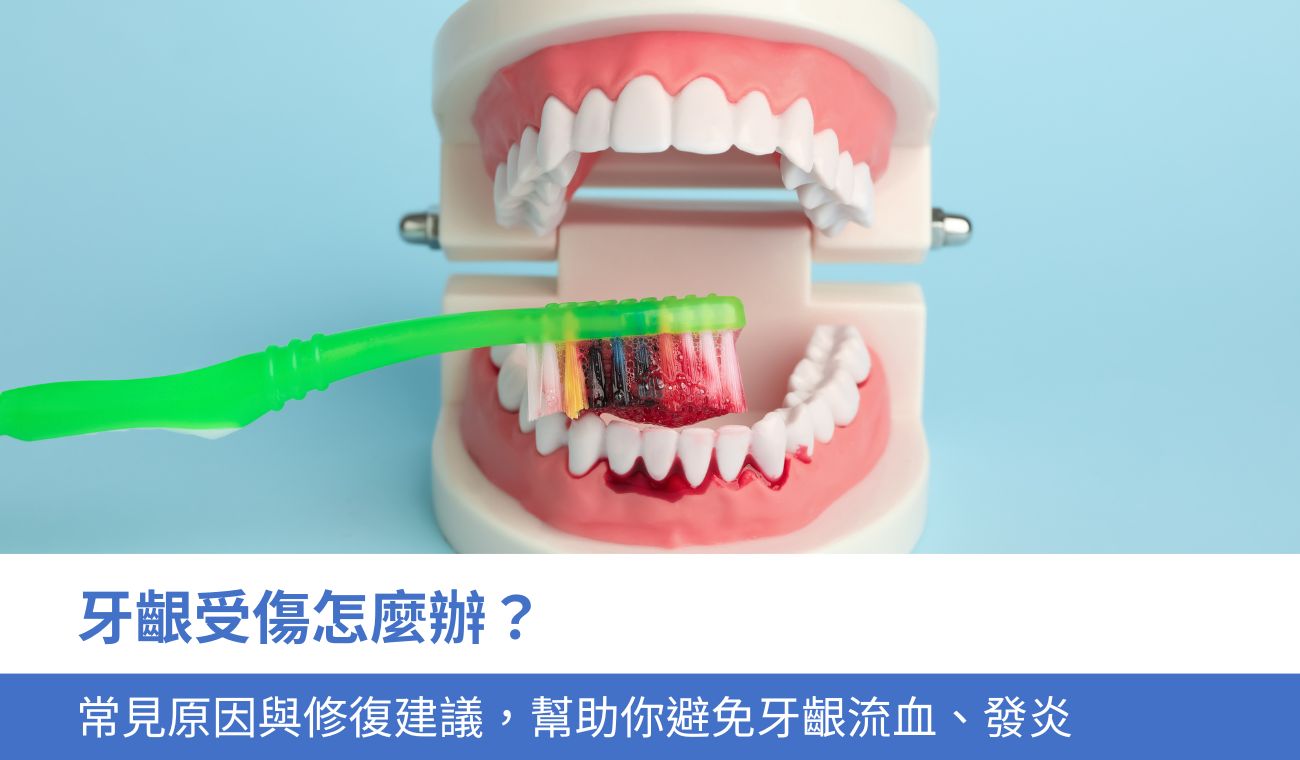
Gum injuries are mostly caused by brushing too hard, being scratched by floss or hard food, and may also be caused by friction from braces or oral diseases. Common symptoms are redness, swelling, bleeding and pain, and if untreated they can easily become infected.
gum injuryWhat is going on?
In fact the gums are a very delicate part of the mouth, and one careless moment can cause broken skin, redness, swelling, bleeding and even leave unsightly gum marks. These wounds may look small, but if they are not properly treated, once bacteria get in they can easily cause inflammation or ulcers.
What causes gum scratches?
The most common cause is brushing too hard or using the wrong toothbrush. Many people think that a hard-bristle brush cleans better, but this easily scrapes the gums raw instead.
Using floss too fast, biting on something hard when eating, and even accidentally knocking the mouth can all leave wounds on the gums, though they seem like ordinary small things.
Do gum marks mean inflammation?
Not necessarily. Whitish marks on the gum are sometimes just healing marks after damage to the surface layer, but if they come with red, swollen gums, bleeding or pain, they are very likely inflammation or a bacterial infection. In that case it is best to have a dentist check.
Common causes of gum injury
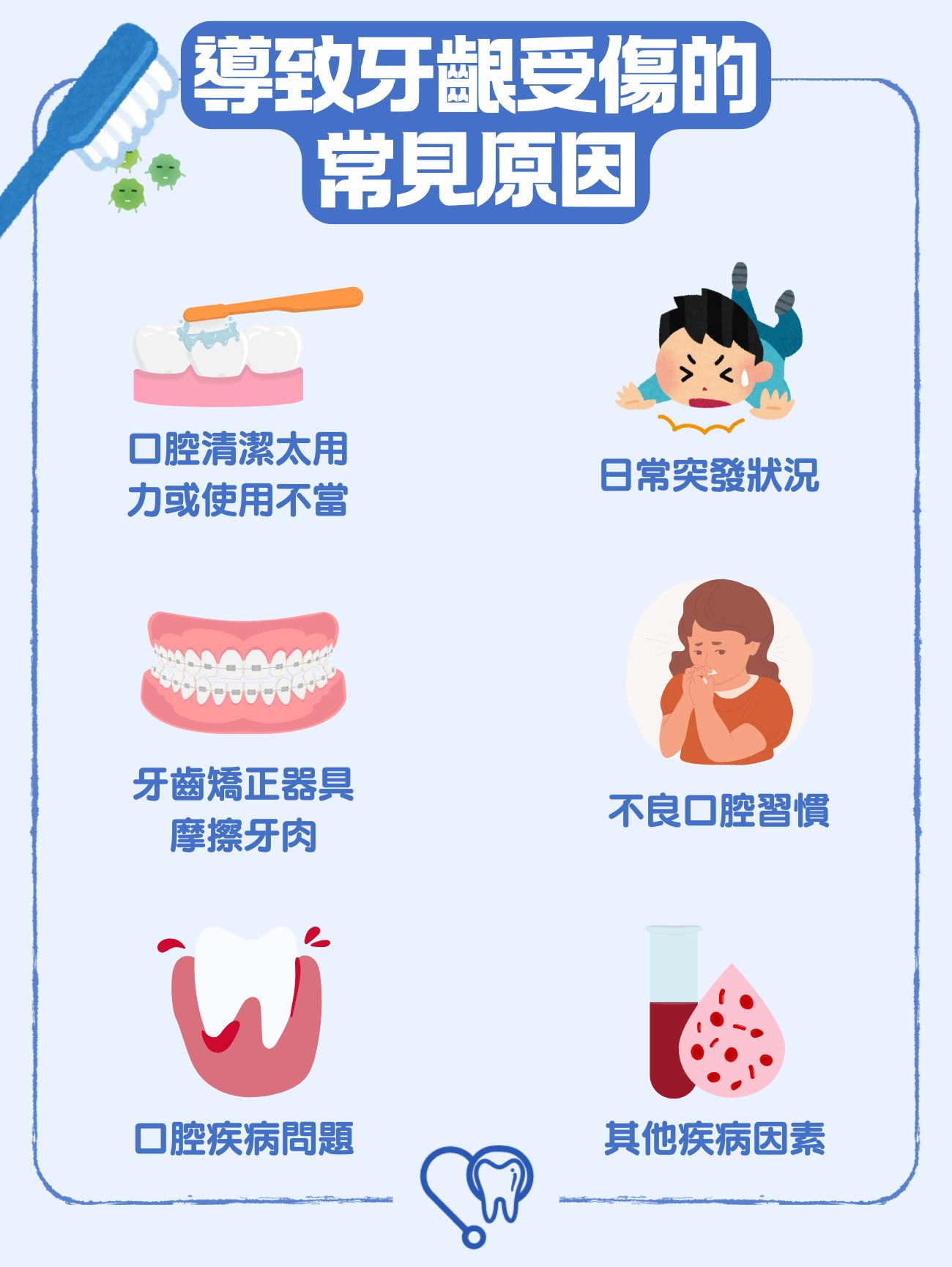
Brushing too hard or improper oral cleaning
Brushing too hard or using a toothbrush with bristles that are too hard can wear away the gum margin and cause slight scratches, and over time may even make the gums recede.
Using floss too roughly or at the wrong angle, or forcing a toothpick between the teeth, can easily cause accidental injury. If that stretch of gum happens to be fragile, it may even bleed directly or leave an opening for bacteria to enter.
Everyday accidents
In daily eating, things such as fish bones, prawn shells and nutshells can easily pierce the gums by accident while eating and cause small wounds. If you do not feel anything at the time and only suddenly feel pain while eating later, the wound may already be red, swollen or inflamed.
Sometimes a fall that knocks the lips or chin can also cause the gums to tear or bruise. Children and athletes in particular have a higher chance of injury.
Orthodontic appliances rubbing the gums
For people who wear braces,Retainer, and even dentures, if the design of the appliance does not fit, the edges may repeatedly rub against the gums, making the gum surface rough and even causing obvious gum marks or ulcers.
poor oral habits
Habits such as nail biting, biting pens and gnawing hard objects seem like small actions, but over a long time they may well cause chronic irritation to the gums and make healthy gums sensitive and fragile.
Oral disease problems
When plaque and tartar keep building up on the tooth surface, they irritate the gums and cause inflammation, such as periodontal disease, gingivitis, or mouth ulcers that appear when immunity is low. All of these can make the gums more fragile and easily injured with just a little irritation.
Other disease factors
A systemic disease such as leukaemia (blood cancer) makes the body produce large numbers of abnormal white blood cells. These abnormal white blood cells interfere with normal blood function, causing gums to bleed for no reason (even without brushing), nosebleeds, bruising on the skin, and heavier periods in women.
Thrombocytopenia means that the platelets in the blood that help clotting become too few. When platelets are too low, the gums bleed easily, the skin bruises easily, and there may even be a risk of internal bleeding.
What symptoms follow a gum scratch?
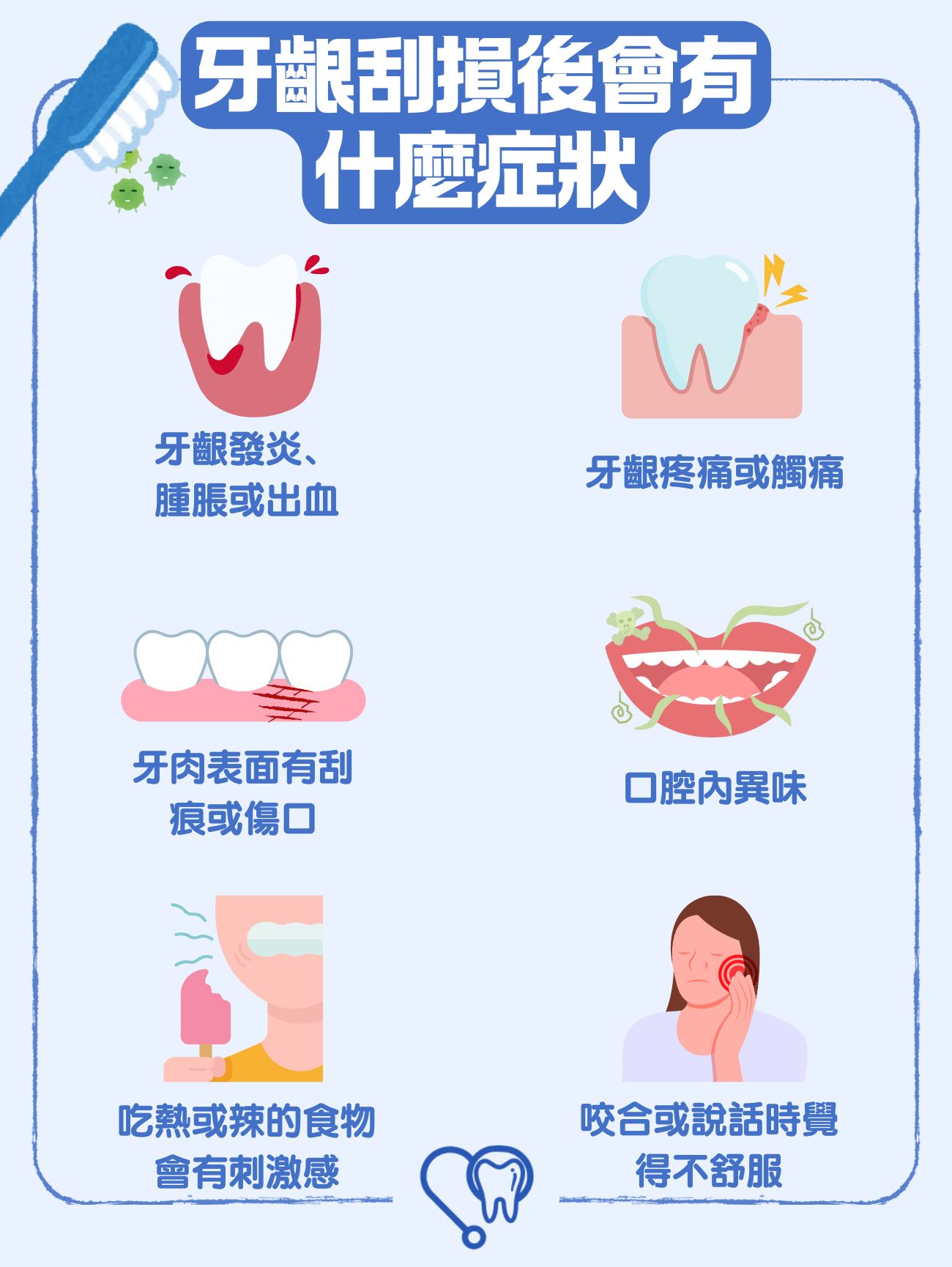
Gum inflammation, swelling or bleeding
This is the most common early reaction. Whenever the gum tissue is damaged, the body naturally sends out a warning, making you feelyour gums are puffyand have a dull ache, or the toothpaste turns red as soon as you brush.
Gum pain or tenderness
Injured gums feel especially sensitive to the touch, and there may be an obvious stinging feeling when eating or brushing, and even a light touch may feel uncomfortable.
Scratches or wounds on the gum surface
Some gum scratches leave small whitish or light red lines, which are what is called "gum marks". These usually fade slowly within a few days, but if the marks persist, it may mean the tissue has not fully repaired.
Unpleasant smell in the mouth
If the wound is not kept clean, bacteria may breed and cause bad breath. This smell is usually different from ordinary breath after eating, and is somewhat like a smell of decay.
Irritation when eating hot or spicy food
After the gum surface is broken, contact with irritating foods such as hot soup, chilli sauce and vinegar causes a stinging pain, and some people even feel a burning discomfort when drinking warm water.
Discomfort when biting or speaking
A serious gum injury can make you feel a pulling sensation or local discomfort when chewing, speaking or moving the tongue, especially when the wound is close to the gaps between teeth or the corner of the mouth.
What should I do about an injured gum?3 steps of emergency care

Rinse gently with clean water or mild salt water straight away
The first step after an injury is to clean the mouth. You can rinse with warm water or mild salt water (about 250ml of water + half a teaspoon of salt) to remove remaining blood stains and food debris and prevent bacteria from breeding. But take care to rinse gently, to avoid irritating the wound and making the bleeding worse.
Press on the wound with clean gauze to stop the bleeding
If the gum keeps bleeding, prepare a small piece of clean gauze and press lightly on the bleeding area for about 10 minutes, which helps speed up the stopping of the bleeding. If you have no gauze to hand, a clean tissue can be used instead.
Apply a cold pack to the outside of the cheek or lip
Applying a cold pack for 10 to 15 minutes to the cheek or lip area outside the gum wound can help constrict blood vessels and reduce swelling and pain. If needed, you can also take anti-inflammatory painkillers (such as ibuprofen) to ease the pain.
Never put ice directly into the mouth or against the wound itself, to avoid excessive irritation or frostbite of the tissue.
gum injurytreatment methods and care advice

Choosing the right toothbrush and floss
During the injury it is advisable to use a soft-bristle toothbrush, brush correctly with gentle movements, and avoid brushing directly over the wound. If you use floss, move slowly and steadily, and avoid pulling too fast and making the wound worse.
dietary points
Avoid foods that are too hot, too spicy or too hard. Drink more water and take in vitamin C. Natural foods such as kiwi fruit, oranges and red peppers all help wound healing.
oral cleaning
Keeping the gums clean is the key. You can rinse with mild salt water 2 to 3 times a day to help disinfect the wound. If the wound looks whitish, swollen or oozing, do not delay, and see a dentist straight away.
FAQ
Recovery from a gum injuryHow long does it take?
Most minor gum injuries heal naturally in about 3 to 7 days. But if the wound is larger, is repeatedly rubbed, or the person has weaker immunity, it may take 1 to 2 weeks to heal fully.
Do gum problems leave lasting effects?
If you find that the gums are persistently inflamed or repeatedly injured, it may cause gum recession, permanent gum marks and even affect the stability of the teeth. So if warning signs appear, be sure to get treatment early and do not delay!
How can I prevent gum injuries?
If you exercise regularly, wearing a mouthguard can effectively protect the teeth against impact. If you wear orthodontic appliances, be sure to have the dentist adjust the edges so that they do not rub the gums over a long period. Making a habit of regular dental check-ups and scaling is the most fundamental way to maintain oral hygiene!
Summary
A gum injury may seem a small matter, but it may reflect your brushing habits, eating habits and even your overall oral health. If you do accidentally injure it, there is no need to panic too much, and as long as it is handled properly the wound will usually heal smoothly. Start with daily habits: protect your gum health, pay attention to cleaning and have regular check-ups, and you can effectively lower the risk of injury!
Disclaimer
This article is for information only and does not contain any invitation or solicitation. Patients should seek a professional dentist for diagnosis and treatment according to their own circumstances. To find out more or book a service, we recommend contacting the relevant clinic directly. Please choose suitable dental services and clinics carefully yourself.



