
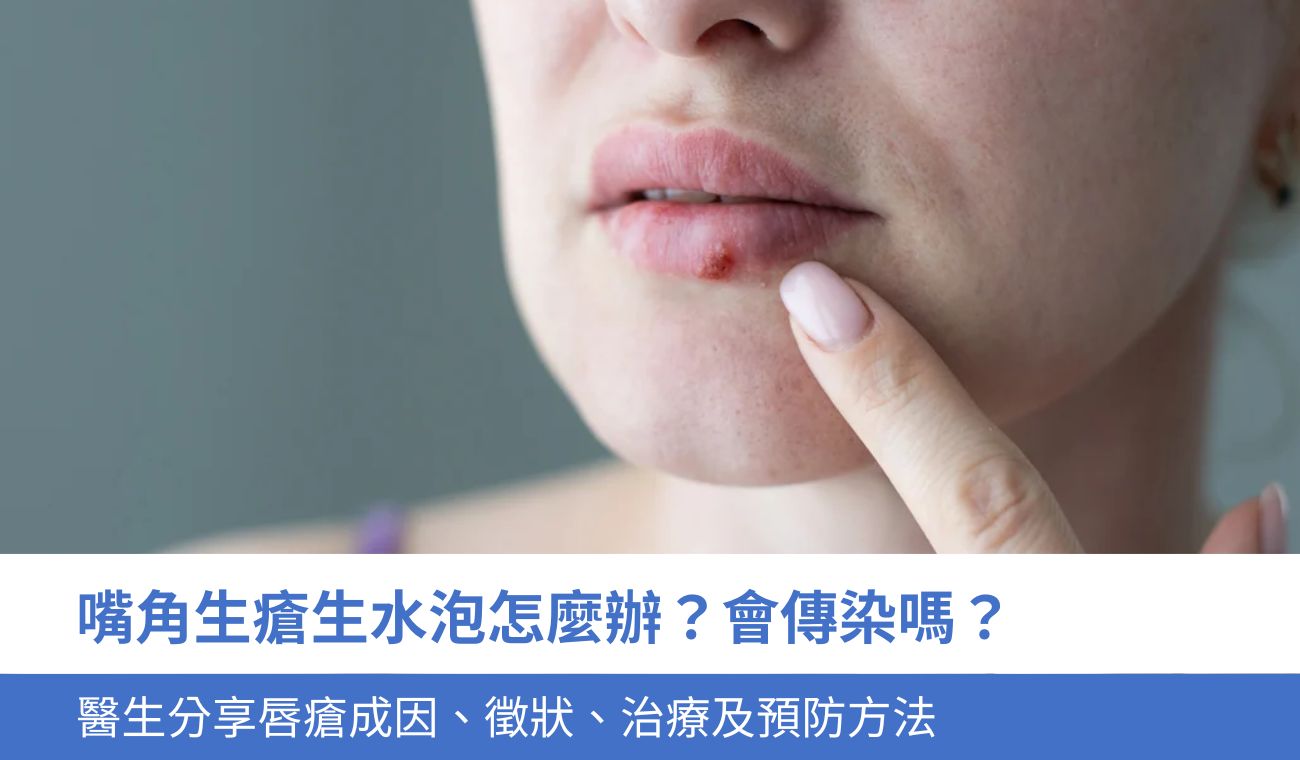
Are smallblistersat the corner of the mouth a sign of a cold sore? Are they contagious? Can recurrent herpes labialis cause pain? This article explains the causes, symptoms, treatment and prevention tips for cold sores, to help you fight the virus with ease!
cold sorewhat are they?
Cold sores, also called recurrent herpes labialis, are a common oral infection mainly caused by the herpes simplex virus, and there is currently no way to cure them completely.
Cold sores are mainly caused by infection with herpes simplex virus type 1 and usually appear on the lips and around the edge of the nostrils.
Are blisters at the corner of the mouth a cold sore?
A cold sore starts with itching and a burning feeling, followed by some small blisters. When the blisters burst, ulcers of varying shapes form, which is the most obvious visible feature of a cold sore.
However, not every blister at the corner of the mouth is a cold sore; it may also beangular cheilitisor other problems. If you suspect you may have a cold sore, we suggest seeing a doctor promptly for diagnosis.
Recurrent herpes labialis
For people who have been infected with herpes simplex virus type 1, the virus lies dormant in the body. Even after the symptoms disappear and heal, when the body's immunity drops, the dormant virus may become active again and cause a new cold sore to recur. This is why many people experience recurrent cold sores.
cold soreAre they contagious?
The fluid from a cold sore contains contagious herpes virus, which spreads in many ways, including kissing or close contact, sharing personal items (such as towels, cutlery or lip balm), and even touching a blister and then touching other parts of the body. The time when it is most contagious is when the blister is leaking fluid.
Location of cold soresand symptoms
Cold sores usually appear on the lips and around the edge of the nostrils. From onset to recovery usually takes 7 to 10 days, during which the sore goes through the following stages:
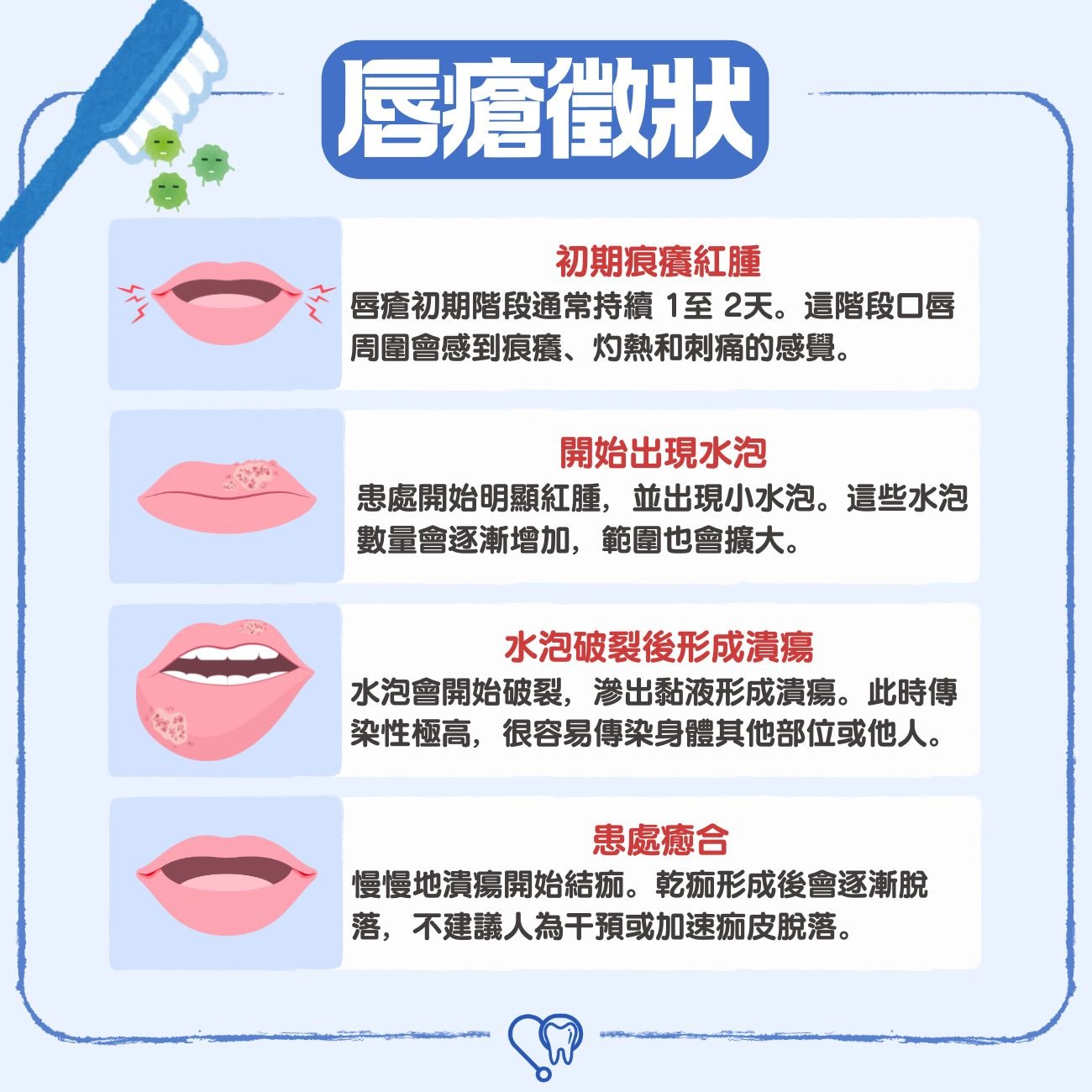
Early itching, redness and swelling
The early stage of a cold sore usually lasts 1 to 2 days. At this stage you feel itching, burning and a stinging sensation around the lips. Although the symptoms are mild, they are a signal that the virus is becoming active.
Blisters start to appear
As the condition moves into the second stage, the affected area becomes clearly red and swollen and small blisters appear. The number of blisters gradually increases and the area widens. At this stage the virus starts to become more contagious, so extra care is needed to avoid touching or squeezing the blisters, to prevent the infection from spreading.
Blisters burst and form ulcers
Finally the blisters begin to burst, oozing fluid (sometimes pus) and forming ulcers. At this point the sore is highly contagious and can easily infect other parts of the body or other people. It is not only the most noticeable in appearance, but the patient also feels clear pain and discomfort.
The affected area heals
Slowly the ulcers begin to scab over, and once the dry scab has formed it gradually falls off. Although it does not look attractive, this is the body's natural repair process, so it is not recommended to interfere or speed up the scab falling off artificially.
If it is your first cold sore, because the body is meeting the virus for the first time, the immune system needs time to recognise and fight it, and the whole process may last longer, taking 2 to 3 weeks to heal completely. The patient may feel stronger discomfort and may even have whole-body symptoms such as fever, muscle aches,swollen, painful gumsand other whole-body symptoms.
Why do sores form at the corner of the mouth? 4 main causes of cold sores
People today lead busy lives and may more or less have a constitution prone to cold sores. In particular, the cold sore virus does not necessarily cause disease straight away but instead lies dormant in the body. If you often keep irregular hours and stay up late, be careful, as you may get cold sores more easily than other people! Here are the four main factors that lead to cold sores:
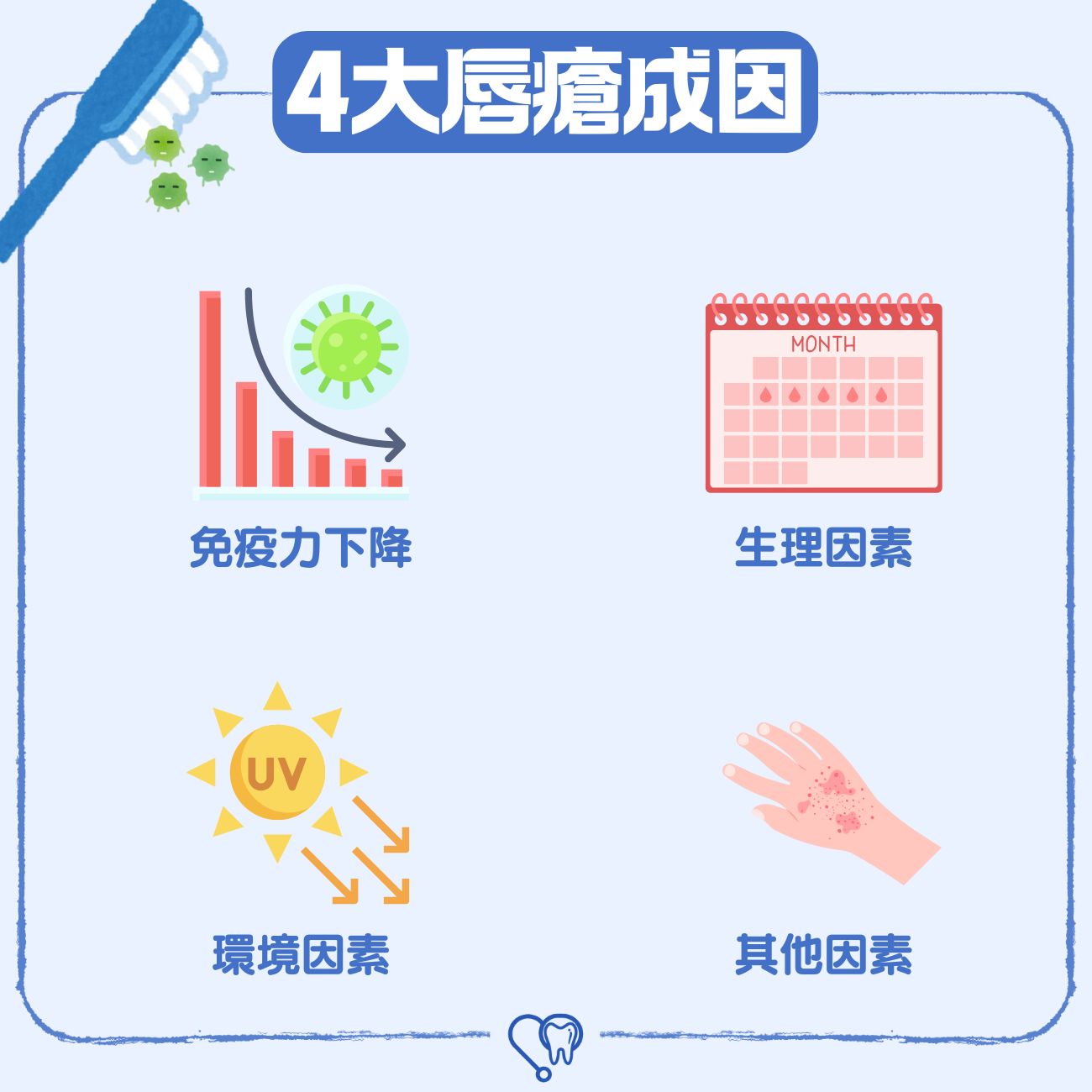
Lowered immunity
Lowered immunity is one of the most common causes of cold sores. When our body's resistance drops, the dormant virus easily becomes active.
Factors that weaken immune system function include lack of sleep, staying up late for long periods, overtiredness, heavy mental stress, and colds or other illnesses. These not only affect overall health but also become favourable conditions that trigger cold sores.
Physiological factors
Some physiological factors, especially in women, such as hormonal changes like the menstrual cycle, may affect the function of the immune system and increase the chance of a cold sore flaring up. This also explains why some women are more prone to cold sores during their menstrual cycle.
environmental factors
Excessive exposure to ultraviolet light, whether from sunlight or artificial light sources such as UV lamps, may trigger a cold sore flare-up. This reminds us to pay attention to sun protection in daily life, which of course includes protecting the lips.
other factors
Certain health conditions, such as chronic illness (HIV or eczema), undergoing chemotherapy or damaged skin, because the immune system is affected, give the virus an opportunity to invade and may also increase the risk of cold sores.
How a doctor recommends treating and preventing cold sores
Will a cold sore get better by itself? Although a cold sore usually heals naturally within two weeks, suitable treatment can speed up recovery and ease discomfort.
Some folk remedies suggest using alcohol to disinfect, drinking herbal tea or piercing the blister to treat a cold sore, but doing so may not only worsen the inflammation of the cold sore but also more easily cause infection. So how can a cold sore be got rid of quickly? Here are some effective suggestions for treating cold sores:
Treatment methods for cold sores
- Keeping the affected area clean and dry helps prevent bacterial infection and speeds up healing.
- In terms of diet, avoid spicy or hard foods, so as not to irritate the affected area and delay recovery.
- Avoid touching the affected area directly with your hands. If you touch it accidentally, wash your hands immediately to prevent the virus spreading to other parts of the body and causing a more serious infection.
- Socially, temporarily avoid close contact with other people, especially kissing, to prevent passing the virus on to others.
What ointment should you apply to a cold sore?
In fact, the main first-aid method for a cold sore is a cold sore ointment. Using an antiviral cold sore ointment can relieve discomfort more quickly.
Commonly used medications include Acyclovir, Famciclovir and Valacyclovir. These ointments work best when used at the start of an outbreak, and we suggest applying them to the sore with a cotton bud 5 times a day.
However, it is best to consult a doctor for professional advice before using these medications, to make sure they suit your situation. If the condition is serious, oral antiviral medication may be suggested, to control the symptoms more effectively and shorten the course of the illness.
Prevention methods
There is currently no medication or method that can completely eliminate the herpes virus. To prevent cold sores recurring, you need to strengthen your own resistance. You can try the following ways:
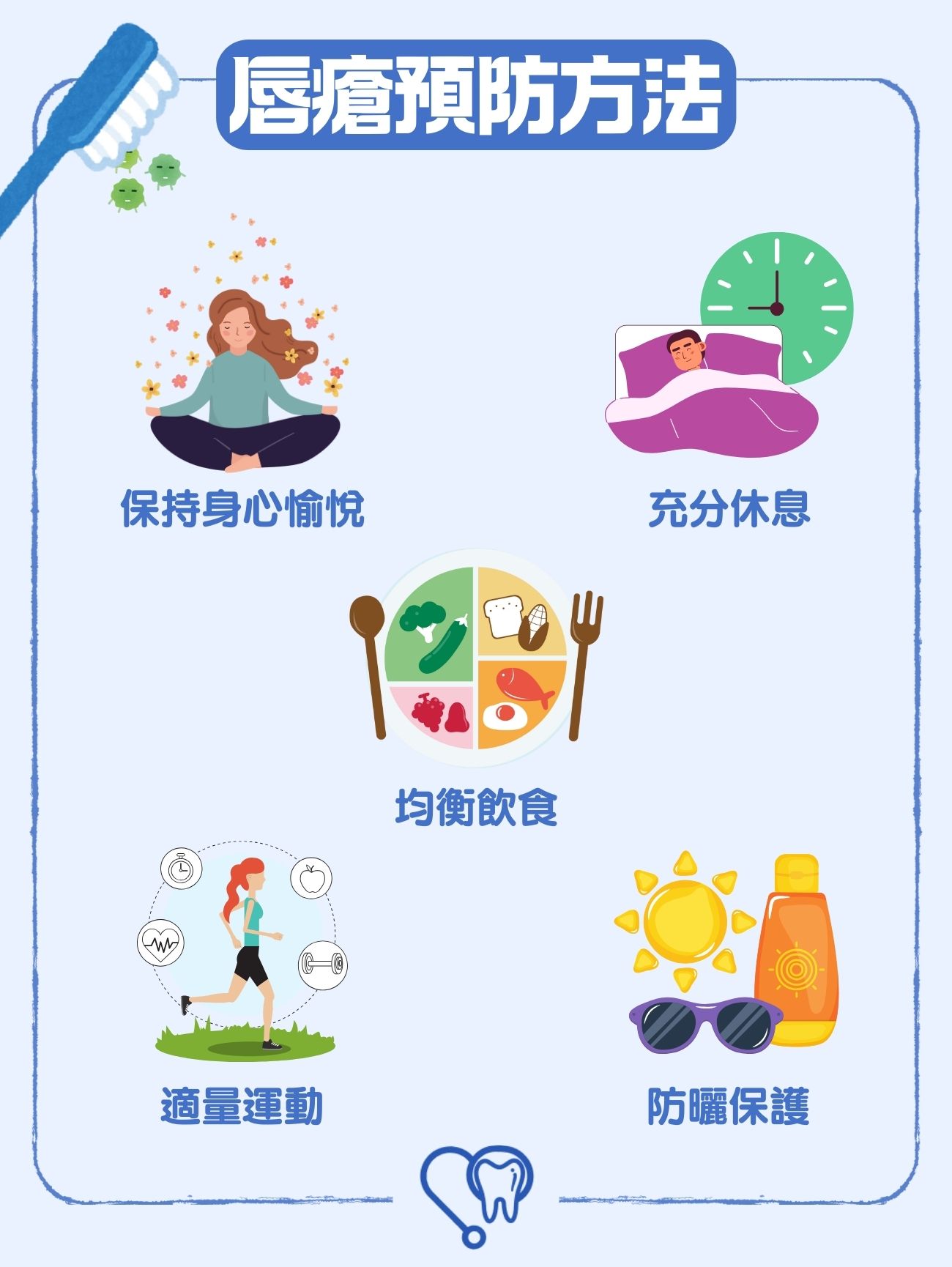
- Keep a happy mind and body: a positive attitude helps strengthen immune system function. You can relieve stress through meditation, yoga or other relaxation techniques.
- Rest well: make sure you get enough sleep every night, so that the body can recover fully.
- Balanced diet: take in plenty of vitamins and minerals, especially vitamins C and E, to give the immune system the nutritional support it needs.
- Moderate exercise: regular moderate exercise can raise the level of overall health and strengthen the body's resistance.
- Sun protection: when outdoors, use a lip balm containing SPF to protect the lips and reduce irritation of the skin from ultraviolet light.
In addition, building good hygiene habits in daily life, such as washing hands often and avoiding sharing personal items, can also effectively lower the risk of infection and spread.
For people who get them easily again and again, using antiviral medication straight away when you feel the early symptoms can be considered, which may help reduce symptoms or shorten the course of the illness.
Summary
Although cold sores are annoying, with correct preventive measures and suitable treatment we can effectively control their flare-ups and spread. Keep good living habits and a happy mind and body, and you need not fear cold sores coming back! Of course, if symptoms persist or get worse, be sure to seek medical attention for diagnosis and treatment promptly.
Disclaimer
This article is for information only and does not contain any invitation or solicitation. Patients should seek a professional dentist for diagnosis and treatment according to their own circumstances. To find out more or book a service, we recommend contacting the relevant clinic directly. Please choose suitable dental services and clinics carefully yourself.



