
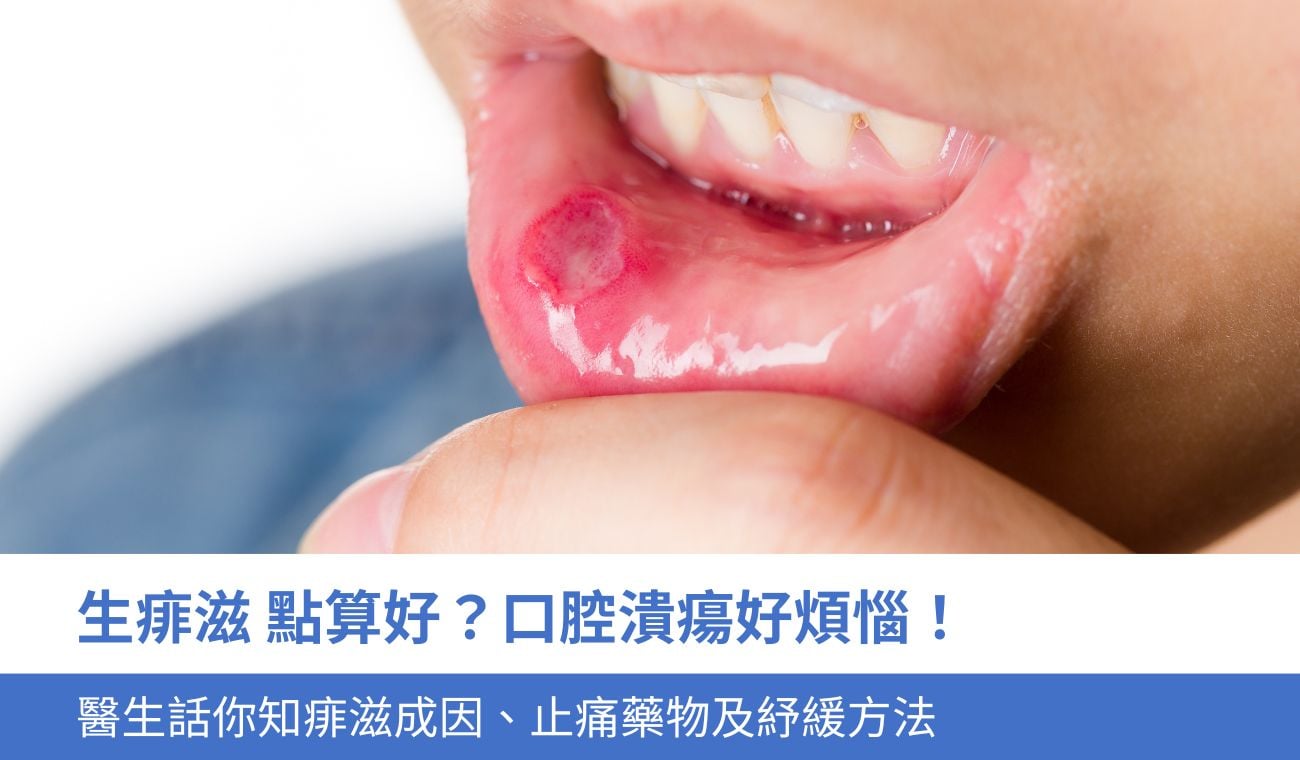
Why do mouth ulcers happen? Are they caused by internal heat or a lack of vitamins? In fact, mouth ulcers are a kind of recurrent canker sore that often causes pain and discomfort. This article breaks down the causes of mouth ulcers and how to relieve the pain and deal with them.
canker sorewhat are they?
Mouth ulcers, also called recurrent canker sores, are a common oral disease. They are ulcers that mainly appear on the soft tissues of the mouth, possibly on the cheeks, lips, tongue, and even extending to the lining of the throat.
Recurrent mouth ulcers
People with mouth ulcers usually experience swelling of the oral lining, accompanied by pain and discomfort, and increased saliva production may also occur. These symptoms are especially easily triggered in daily life, particularly when irritated by strongly flavoured foods such as spicy, sour or salty foods.
This condition is not contagious, and a single episode may heal by itself within one to two weeks, but the tendency to recur not only affects daily eating but may also have a negative effect on oral comfort and quality of life.
What is the white part of a mouth ulcer? What are the symptoms of mouth ulcers?
At first a mouth ulcer appears as a small oval or round blister. Within just a day, the edges of the blister turn red while the centre turns slightly yellow or greyish-white, forming a slightly sunken ulcer.
The ulcer is generally between 2 and 5 mm in diameter, and the wound is usually shallow. The white part in the centre is a white ulcer formed by bacterial infection.
Why do mouth ulcers happen? 5 main causes
Many people wonder why mouth ulcers happen. Although the exact cause is not completely clear, years of research have shown several possible underlying factors:
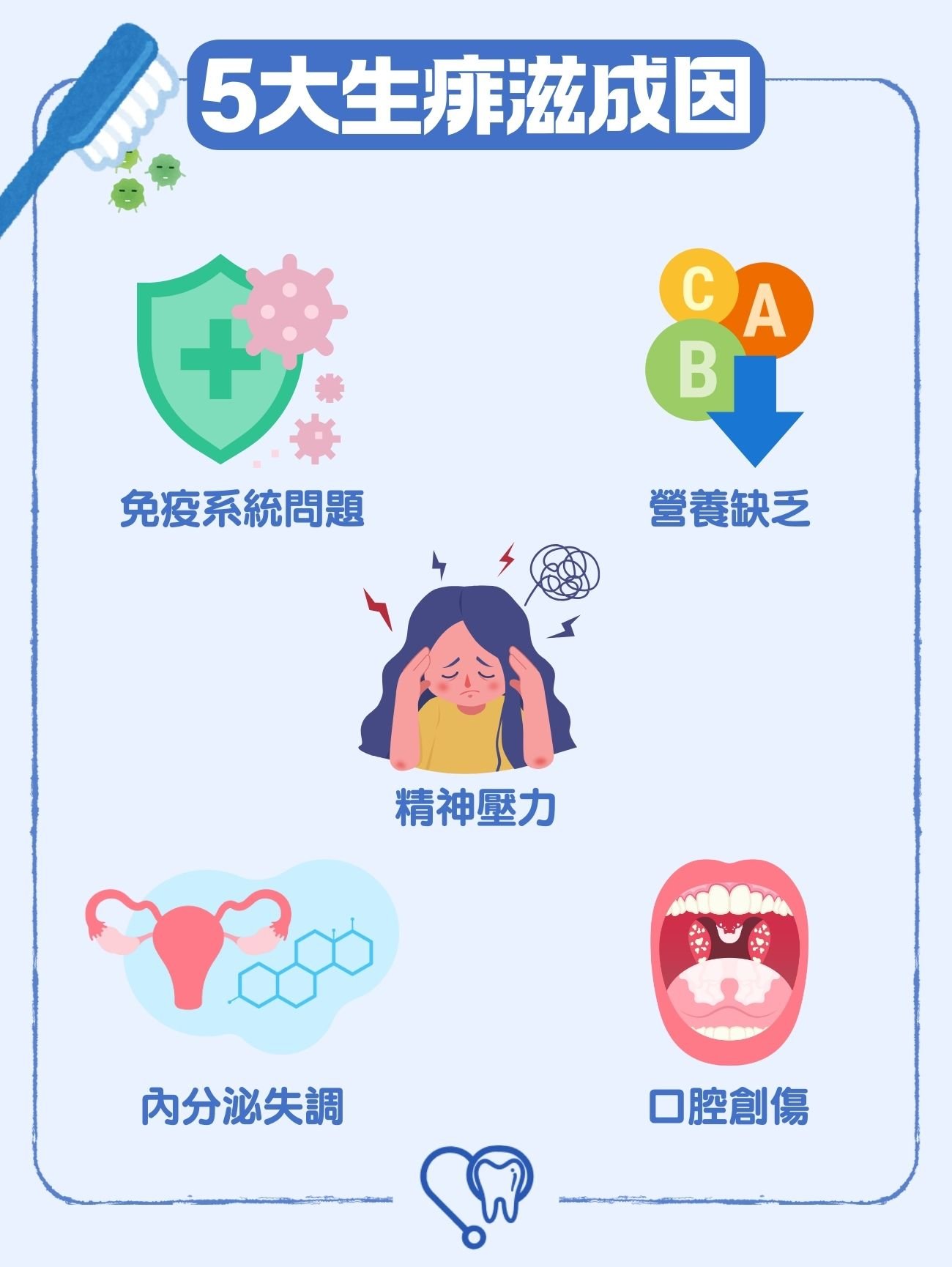
immune system problems
Immune system problems are considered one of the main causes of mouth ulcers. When the body's resistance drops or the immune system is out of balance, the oral lining is more easily attacked, leading to mouth ulcers. This also explains why we are more likely to get mouth ulcers during a cold or other illness.
Nutritional deficiency
Nutritional deficiency may also trigger mouth ulcers. A lack of nutrients such as vitamin B, vitamin C, folic acid, iron and zinc in particular may increase the risk of mouth ulcers.
mental stress
Mental stress is a cause of mouth ulcers that cannot be ignored in modern society. Long-term excessive stress, emotional tension or lack of sleep may all lower our immunity and increase the chance of mouth ulcers.
Endocrine imbalance
Endocrine imbalance may also be related to the occurrence of mouth ulcers. Some women are more prone to mouth ulcers during their menstrual cycle or pregnancy, which may be related to changes in hormone secretion.
Oral injury
Accidentally biting the inside of the mouth while eating, being pricked by coarse, hard food, wearing ill-fittingdentures,crooked teeth,teeth grindingor a wrong brushing method may all damage the oral lining and trigger mouth ulcers.
How to deal with mouth ulcers
What should you do about mouth ulcers? Folk tales say eating kiwi fruit, drinking herbal tea, or even rubbing salt on them can get rid of mouth ulcers quickly. Is that really true? Are there any risks?
How long does it take for a mouth ulcer to get better? Understanding the recovery process
Mouth ulcers usually recover in about 7 to 14 days, but if symptoms last more than three weeks or occur frequently, you should seek medical attention promptly, to determine whether it could be an early sign oforal canceror tongue cancer. If it is caused by wearing ill-fitting dentures, see a dentist promptly to adjust or replace the dentures to solve the problem.
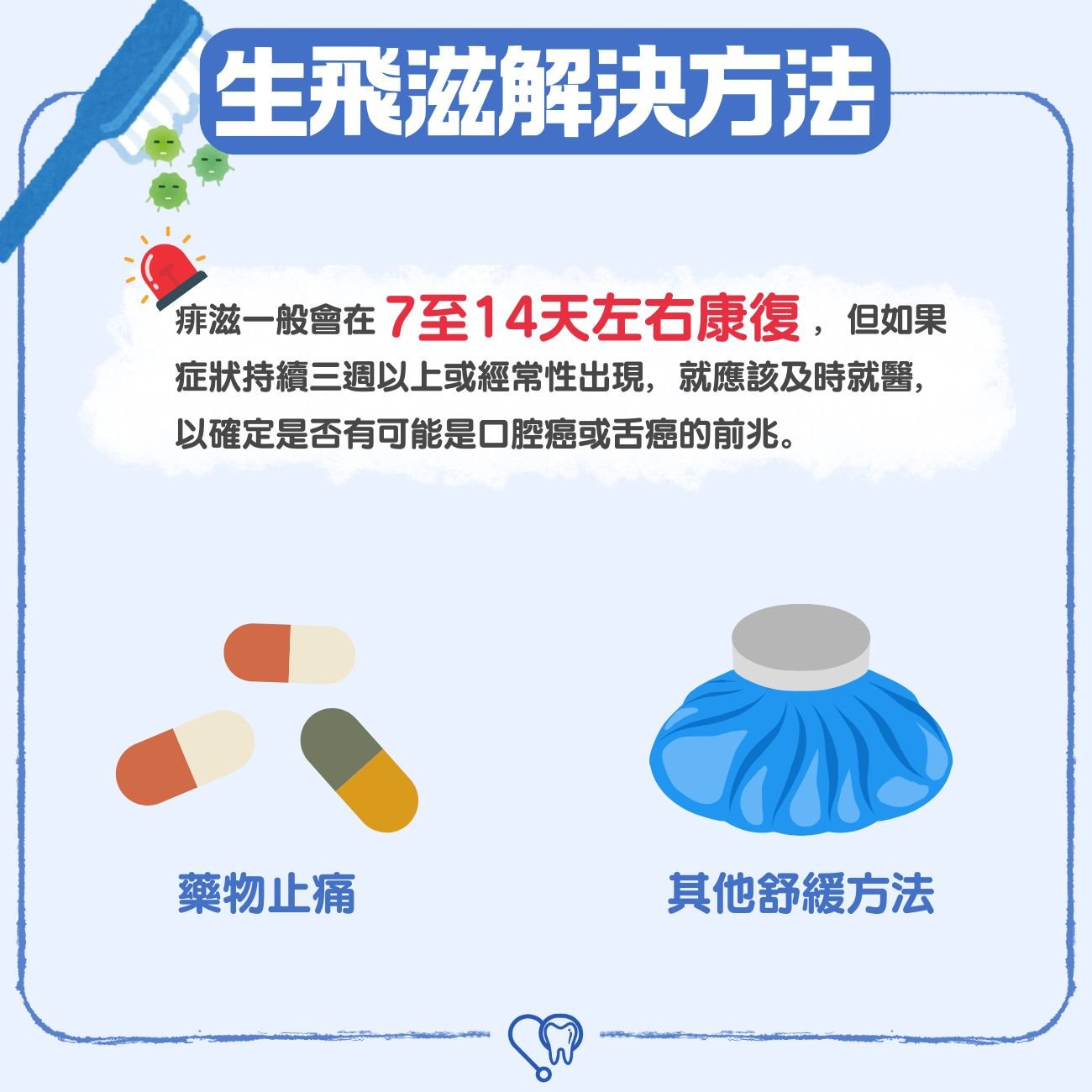
Pain relief with medication
Medication for mouth ulcers includes topical and oral forms. Different treatment methods can be chosen for different symptoms and severity to relieve pain.
- Antibacterial medication: such as mouthwash containing chlorhexidine gluconate, which can reduce bacterial irritation in the mouth, but long-term use may cause yellowing of the teeth and temporary loss of taste.
- Anti-inflammatory medication: divided into steroids and non-steroids, which can reduce inflammation and pain but need to be used with caution, especially in children.
- Painkillers: such as ointments containing salicylic acid, which can relieve pain but should be avoided in children under 12.
- Local anaesthetics: containing benzocaine or lidocaine, which can soothe pain and speed healing, but note the risk of absorbing too much.
- Oral medication: when topical treatment is not effective, oral medication such as steroids may be considered.
Before using any medication, be sure to consult a doctor and take it as prescribed. Do not buy mouth ulcer ointments on the market yourself, to ensure safe and effective treatment.
Other ways to ease the pain of mouth ulcers
Besides medication, there are some everyday methods that can stop the pain getting worse.
For mild mouth ulcer pain, holding crushed ice in the mouth or a cold compress is also a simple and effective way to relieve it. Avoid touching the sore area when brushing, and avoid coarse, hard, very hot or spicy foods, which can reduce irritation of the ulcer.
How can you prevent mouth ulcers?
Although mouth ulcers are common, they more or less bring inconvenience to daily life, but we can lower the risk through some methods. The key to prevention is to avoid factors that may trigger mouth ulcers and to build up the body's resistance through good lifestyle habits.

eat a balanced diet
Research shows that a lack of certain nutrients may increase the risk of mouth ulcers. Eat more foods rich in folic acid, iron and vitamin B. Leafy green vegetables, beans and grains are all good choices. These foods not only supply the necessary nutrients but also help boost immunity and lower the chance of mouth ulcers.
Reduce stress
Long-term accumulated stress may lower immunity and increase the risk of mouth ulcers.
You can manage stress through regular exercise and keeping good routines. Yoga, meditation and similar ways of clearing the mind can also help reduce stress and indirectly lower the incidence of mouth ulcers.
avoid irritating foods
Foods that are too sour, too spicy or fried and greasy may irritate the oral lining, worsen the pain and slow recovery.
If you are prone to mouth ulcers, we suggest choosing light, easily digestible foods, such as steamed vegetables and light soups.
FAQ
What should you eat when you have mouth ulcers?
When a mouth ulcer flares up, increasing your intake of foods with vitamin B12 and folic acid can promote repair of the oral lining and speed up wound healing.
Foods such as pig's liver, dairy products, oats and salmon are rich in vitamin B12, while green vegetables such as spinach, asparagus and broccoli are good sources of folic acid.
Keeping up a good water intake is also important. Drinking a moderate amount of water not only keeps the mouth moist but also helps wash away bacteria in the mouth and reduces the risk of infection.
Suddenly getting lots of mouth ulcerswhat should you watch out for?
If you suddenly find several mouth ulcers in the mouth, it may be a warning signal from the body and needs special attention.
You can try adjusting your diet and stepping up oral hygiene, gently rinsing with warm salt water to help clean the mouth and ease discomfort. If several mouth ulcers last a long time or come with other symptoms, we suggest seeking medical attention promptly. Let a doctor examine you and confirm whether another health problem is causing the large number of mouth ulcers.
Summary
After learning about mouth ulcers as an oral disease, we can start from everyday habits: keep a balanced diet, manage stress and pay attention to oral hygiene. If a mouth ulcer does flare up, you can also take preventive measures better and seek suitable treatment when necessary.
Remember that the mouth is also an important part of the body, and giving it enough attention and care is the key to long-term health.
Disclaimer
This article is for information only and does not contain any invitation or solicitation. Patients should seek a professional dentist for diagnosis and treatment according to their own circumstances. To find out more or book a service, we recommend contacting the relevant clinic directly. Please choose suitable dental services and clinics carefully yourself.



