
Sensitive teeth causing trouble? Do your teeth ache when you drink hot or cold drinks? Find out when to use anti-sensitivity toothpaste! Choosing the right formula helps repair teeth and relieve sensitivity and discomfort, and protects the gums while also preventing tooth decay!
What are sensitive teeth?
sensitive teethis a common nuisance in daily life. Just a sip of iced water, something sweet, or even brushing morning and night can bring a sharp or aching sensation.
This means the teeth have become especially sensitive to external stimuli. It is actually not uncommon; according to statistics, about one third of adults have experienced similar tooth sensitivity problems.
The feeling of sensitivity is like teeth without a coat: wind, hot and cold, and sour or sweet foods all irritate the nerve and bring discomfort.
Causes of sensitive teeth: from daily habits to tooth structure
There are many causes of sensitive teeth. Some are related to our lifestyle habits, while others are due to constitution or tooth structure.
For example, brushing too hard or using a toothbrush with overly hard bristles can wear down the enamel near the gums and expose the dentine; eating very acidic foods over a long period can also erode the tooth surface; and exposed tooth roots caused by gum recession are another cause of sensitivity.
Dentists also point out that tooth wear,cracked tooth, tooth decay,periodontal diseaseand other conditions can also make sensitivity worse. If your teeth have often felt achy recently, you really should pay attention to these details.
Do sensitive teeth affect daily life?
Yes, and the impact is greater than you might think.
Many people at first only feel an occasional tingle, and unexpectedly it later gets to the point where even room-temperature water makes the teeth ache. Sensitive teeth not only make you anxious when eating, but may also make you afraid to brush properly because of the pain, leading to worse oral health.
Over time, besides discomfort in the teeth, your smile, appetite and confidence may also be affected. If you start to feel discomfort when brushing, drinking or eating, do not keep putting up with it; it may be a warning sign of sensitive teeth.
Anti-sensitivity toothpasteWhat is it? Why can it help repair tooth sensitivity?
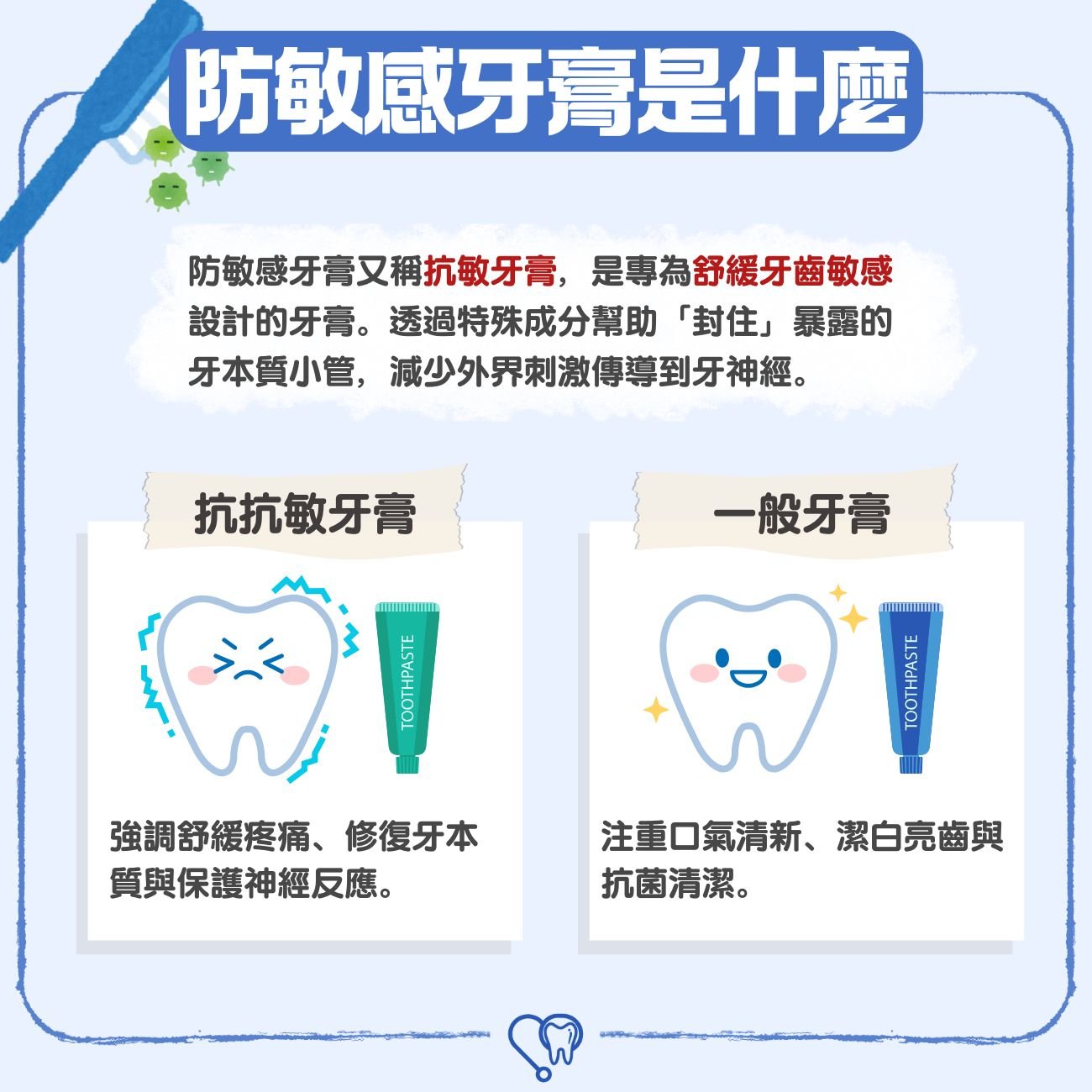
Anti-sensitivity toothpaste, also called desensitising toothpaste, is toothpaste designed to relieve tooth sensitivity. It does more than clean: through special ingredients, it helps to "seal" the exposed dentinal tubules, reducing the transmission of outside stimuli to the dental nerve and thereby easing the pain.
Some anti-sensitivity toothpastes also contain restorative ingredients, such as fluoride or mineral-replenishing ingredients, to make the tooth surface healthier and less easily irritated.
toothpaste for sensitive teeth's mechanism and action
Anti-sensitivity toothpaste works in two main ways.
One is to "block the nerve response", for example using potassium nitrate to reduce the dental nerve's response to stimuli and relieve the aching.
The other is to "seal the dentinal tubules", for example with arginine or sodium monofluorophosphate, which can form a protective layer on the tooth surface and block the stimuli of hot, cold, sour and sweet.
With long-term use of these ingredients, the teeth can gradually become stable again, reducing the frequency and intensity of sensitivity episodes.
Anti-sensitivity toothpaste vs ordinary toothpaste
Although they are all called toothpaste, anti-sensitivity toothpaste and ordinary toothpaste still differ clearly in function.
Ordinary toothpaste focuses on fresh breath, whitening and antibacterial cleaning, while anti-sensitivity toothpaste emphasises "relieving pain", "repairing dentine" and "protecting the nerve response".
If you already have sensitivity, it is not recommended to keep using whitening or strong-cleaning toothpaste, as the abrasive ingredients in these toothpastes may instead worsen tooth damage.
Anti-sensitivity toothpasteCommon ingredients explained
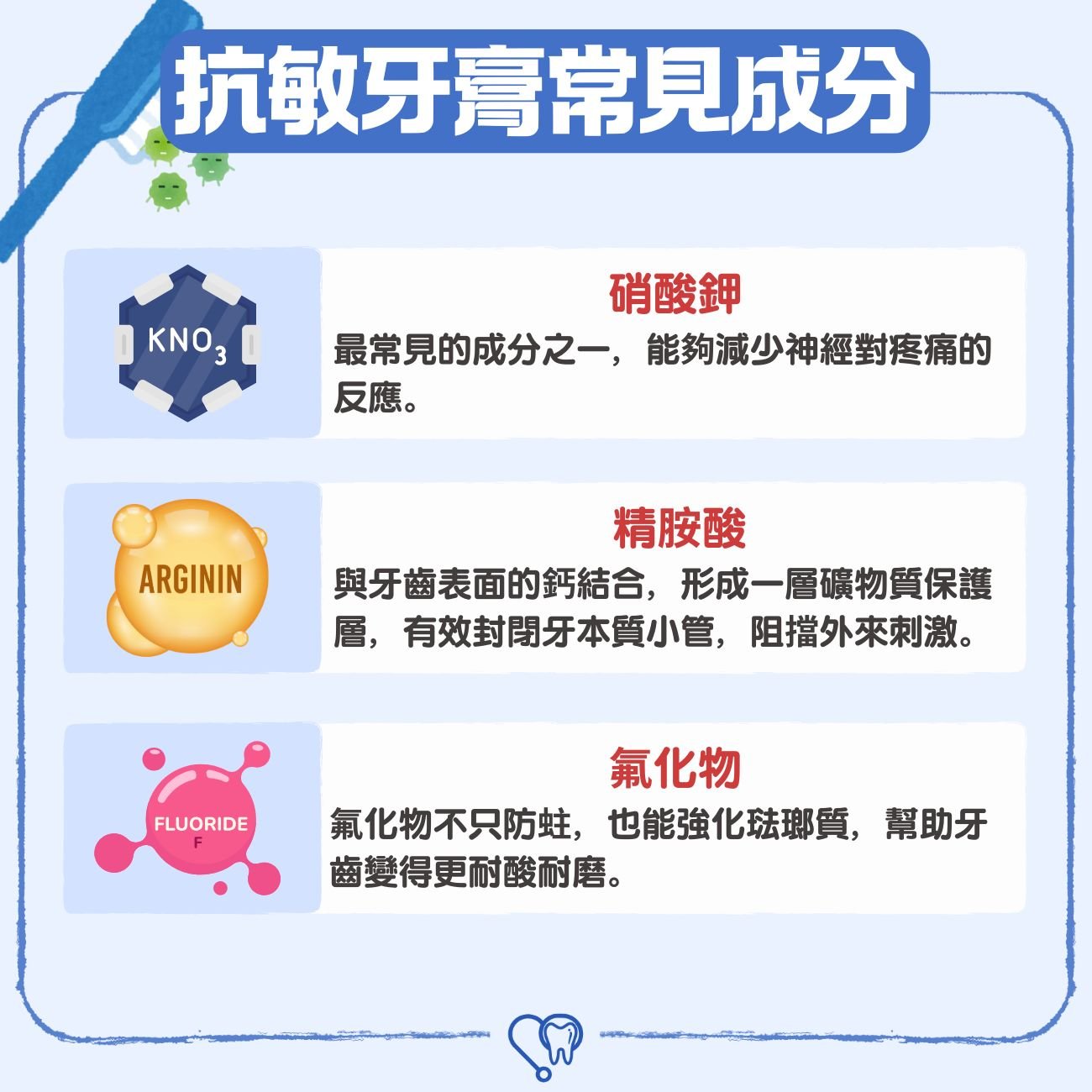
Potassium nitrate
This is one of the most common ingredients in anti-sensitivity toothpaste and can reduce the nerve's response to pain. Simply put, it is like putting "soundproofing" over the nerve, so that stimuli are less likely to get through.
Arginine
Arginine can bind with calcium on the tooth surface to form a mineral protective layer, which seals the dentinal tubules and blocks outside stimuli. It is suitable for people who need long-term repair of tooth structure.
fluoride
fluoridenot only helps prevent tooth decay but can also strengthen enamel. For people whose enamel has become thinner, using a fluoride anti-sensitivity toothpaste can help the teeth become more resistant to acid and wear.
Can anti-sensitivity toothpaste be used every day?Usage tips and points to note
Daily frequency
Yes, it can be used every day! It is recommended to brush twice a day, morning and night, with anti-sensitivity toothpaste to keep the ingredients working on the tooth surface. However, if you also want towhiten teethor have other oral care needs, you can discuss with your dentist whether to alternate between toothpastes with different functions.
Mistakes to avoid
Note that some people think that the more toothpaste they use, the faster the results, but in fact a soybean-sized amount is enough. Also do not rinse with water straight away; letting the ingredients stay in the mouth for a few dozen seconds helps them work more effectively.
Oral care tips for sensitive teeth
Besides using toothpaste for sensitive teeth, what else can you do to protect your teeth?
There are many things you can do in daily life, such as using a soft-bristled toothbrush, avoiding brushing too hard, and eating less highly acidic food (such as lemon, cola and vinegar). These all help protectenamelfrom being eroded.
Do not brush right after eating, especially after acidic foods. It is recommended to rinse your mouth first and brush 20-30 minutes later, to avoid worsening enamel wear.
When should you seek help from a dentist?
If you have used anti-sensitivity toothpaste for a while but still feel persistent aching, or even have bleeding gums, exposed tooth roots,tooth decayor similar conditions, do not delay any longer. You are advised to consult a dentist immediately, who can determine from a professional perspective whether there are more serious conditions such as periodontal disease, cracked teeth or nerve problems.
Summary
Sensitive teeth are not a small matter. From affecting quality of life to possibly causing more serious oral problems, they must never be ignored. Choosing the right anti-sensitivity toothpaste and using it correctly, brushing diligently every day and looking after your teeth and gums are the first steps to staying away from aching and regaining a confident smile.
Disclaimer
This article is for information only and does not contain any invitation or solicitation. Patients should seek a professional dentist for diagnosis and treatment according to their own circumstances. To find out more or book a service, we recommend contacting the relevant clinic directly. Please choose suitable dental services and clinics carefully yourself.



