
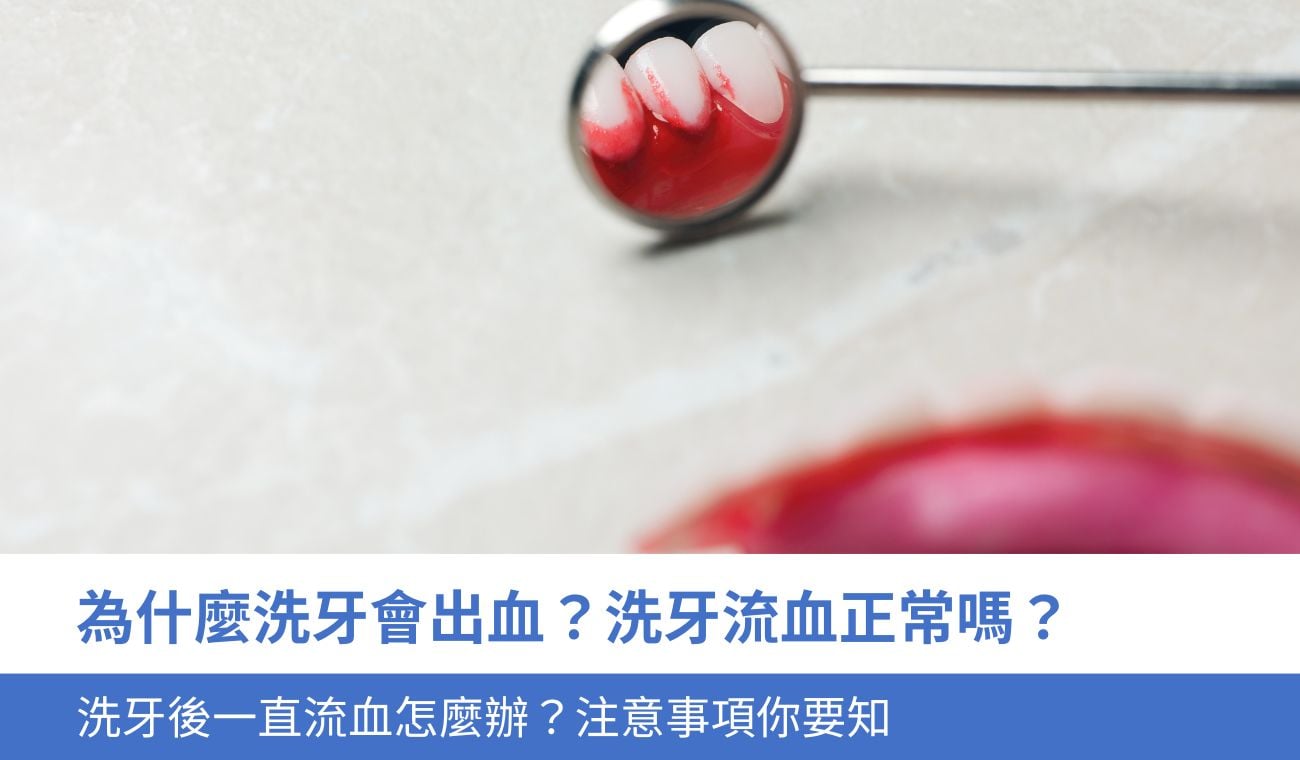
regular scaling and polishingis an important step in maintaining oral health, but many people find their gums bleed after scaling and polishing, and sometimes the bleeding does not stop. So why does scaling and polishing cause bleeding? Is bleeding normal, or is there a problem in the mouth? We have put together the causes of bleeding after scaling and polishing, and points to note about blood clots on the gums and inflammation, to help you regain dental health.
Why does scaling and polishing cause bleeding?
Scaling and polishing helps us remove thetartar, plaque and stains attached to the tooth surfaces and between the teeth, maintain the health of the periodontal tissues, and prevent problems such as tooth decay and periodontal disease. But the cleaning process inevitably causes some gum bleeding, especially in the following situations:
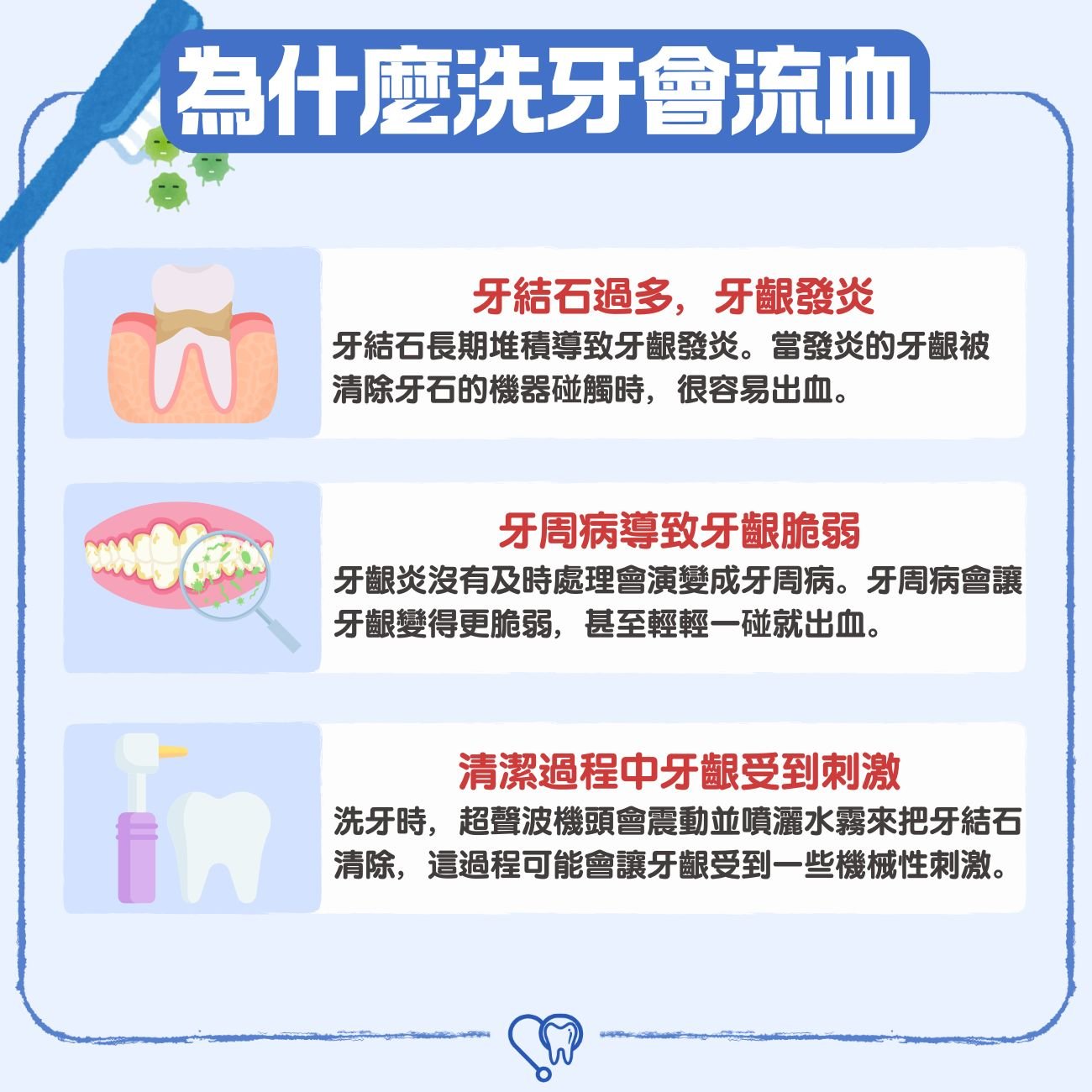
Too much tartar, inflamed gums
Tartar that builds up over a long time can lead togum inflammation(gingivitis). When the inflamed gums are touched by the machine that removes tartar, they bleed very easily. It is like inflamed skin being scraped: it breaks and bleeds more easily.
Periodontal disease makes the gums fragile
If gingivitis is not dealt with in time, it may develop into periodontal disease. Periodontal disease makes the gums more fragile, and they may even bleed at a light touch. During scaling and polishing, after the tartar is removed, the gums have not recovered to health for a short time, so the bleeding is also more obvious.
Gums irritated during cleaning
During scaling and polishing, the ultrasonic handpiece vibrates and sprays a water mist to remove tartar. This process may cause some mechanical irritation to the gums, especially when the tartar is stuck deeper and the dentist has to apply slightly more force to remove it, so the chance of bleeding is higher.
Does scaling and polishing damage the teeth? Is bleeding after scaling and polishing normal?
Many people worry that scaling and polishing may damage the tooth enamel and make the teeth sensitive or fragile. In fact, the purpose of scaling and polishing is to remove plaque and tartar and keep the teeth healthy; it does not damage the teeth or gums.
As for bleeding, it varies from person to person. Generally healthy gums may not bleed at all during scaling and polishing, even when tartar between the gums is rinsed away. We can judge from the following two situations whether it is within the normal range:
Normal: slight bleeding that improves within 1-2 days
If the gums already had inflammation, they may bleed a little during scaling and polishing. But as long as the amount of bleeding is small, it usually lessens within a day and stops completely after two days. There is no need to worry too much about this kind of bleeding; keep the mouth clean and the gums will slowly recover naturally.
Abnormal: bleeding for a long time or in large amounts
If there is still heavy bleeding more than 48 hours after scaling and polishing, or the redness and swelling of the gums have not improved, or the pain gets more and more obvious. Or if abnormal blood clots appear in the mouth, and the clot is abnormally swollen or gives off an abnormal odour, it may be severe periodontal disease or another oral problem, and it is recommended to seek medical attention immediately.
What should I do if the bleeding continues after scaling and polishing? When should I see a dentist?
Bleeding that has not stopped after more than 48 hours
If bleeding lasts too long, it may mean more serious gum inflammation, or that your blood clotting is relatively weak. At this point you can observe your own diet and oral cleaning methods, and consider asking your dentist.
Gum swelling and pain getting worse
Normally, the gums feel brief discomfort after scaling and polishing, but inflamed gums usually go down in swelling within a week..
If you find the pain getting more and more severe, or the gums staying swollen, this may mean a bacterial infection or other periodontal problem.
Blood clot abnormally swollen or with a bad smell
Sometimes after scaling and polishing, a small blood clot forms on the gums to help stop the bleeding, which is a normal clotting mechanism. But if the clot becomes especially large, or even smells bad, it may mean the wound has not healed well, and a follow-up visit for examination as soon as possible is recommended.
Blood clots on the gums after scaling and polishingWhat is going on?
Some people find dark red blood clots on their gums after scaling and polishing and worry whether this is abnormal. This is usually the body's natural clotting mechanism at work, helping the wound heal.
The body's natural clotting mechanism
When the gums are irritated or have tiny wounds, the body starts a clotting reaction, so that blood forms small clots at the wound to prevent further bleeding.
This is a normal physiological phenomenon, meaning your body is repairing the damage to the gums. These clots usually fall off naturally within a few days and do not affect oral health.
Wound not completely healed
If the blood clot is abnormally swollen or is still there after several days, or has even become large and hard, you need to pay special attention. This may be related to your periodontal health; for example, people with gum inflammation or more severe periodontal disease heal more slowly.
If you often lick the clot with your tongue, rinse hard, or touch the clot when brushing, the clot may come off, making the wound bleed again and affecting the speed of healing.
The following handling methods are suggested:
- Do not deliberately lick or pick off the clot; let it fall off naturally.
- Avoid rinsing or spitting hard, to reduce the risk of the clot falling off.
- If the clot does not disappear for a long time, or comes with pain or a bad smell, seek medical examination as soon as possible.
Gum inflammation after scaling and polishingcauses
After scaling and polishing, some people feel their gums are a bit red, swollen or inflamed, and even bleed easily with irritation, such as when brushing or using dental floss. This may be the gums' reaction to the cleaning process.
These symptoms usually improve within a few days, but if the inflammation is severe, it may develop from mild inflammation into periodontal disease, and the cause needs to be found and dealt with quickly, to avoid reaching the point of needing tooth extraction.

bacterial infection
During scaling and polishing, tartar and plaque are removed, so the gum tissue is exposed to the air again. If you do not keep good oral hygiene after scaling and polishing, bacteria may invade and multiply, causing gum inflammation. Especially for patients with periodontal disease, whose gums are already fragile, they are more easily infected by bacteria after cleaning, causing discomfort.
Over-stimulation
During scaling and polishing, the gums inevitably receive mechanical irritation, such as the vibration of the ultrasonic scaler, the impact of the water jet, and even the dentist's hand instruments, all of which may cause brief gum inflammation. Some people have especially sensitive gums, and react more obviously to this irritation.
Individual constitution
Everyone's constitution is different, and so is the tolerance of the gums. Some people are born with more fragile gums, or have lower immunity, such as when having a cold, being ill, under excessive stress or having an irregular routine. These factors may all affect the speed of gum recovery and make inflammation more obvious.
Ways to relieve gum inflammation
If after scaling and polishing you feel your gums are a bit swollen, slightly sore or even inflamed, there is no need to worry too much; the gums are adapting to the new clean environment. But correct care can help the gums recover faster and reduce discomfort.

Rinse with warm salt water
This is a simple and effective method. Salt water helps kill bacteria, reduce inflammation and promote wound healing.
Use a glass of warm water (about 250ml) with 1/2 teaspoon of salt, and rinse gently for 30 seconds before spitting out. You can do this 2-3 times a day, especially after meals, to help reduce bacterial growth.
Use mouthwash
If you do not like the taste of salt water, you can choose a dentist-recommended antibacterialmouthwash, especially one containingchlorhexidine (Chlorhexidine) which can lower the number of bacteria and reduce inflammation.
But note that this kind of mouthwash is usually recommended for short-term use, and long-term use may cause an imbalance of the oral flora.
avoid irritating foods
After scaling and polishing, because the tartar that originally covered the tooth roots has been removed, the gums become more sensitive.
It is recommended to avoid spicy and acidic foods (chilli, spicy hot pot and so on), which may irritate the inflamed areas and increase discomfort; foods that are too hot (hot soup, hot tea) easily make the gums sensitive and worsen inflammation; and foods that are too hard (nuts, fried chicken and so on) may knock the gums, causing bleeding or worsening swelling.
During this time you may want to eat more mild foods (such as oatmeal porridge, tofu and soft rice); fruits rich in vitamin C help gum repair; and drink more water to help the mouth maintain a healthy environment.
Points to note to avoid bleeding after scaling and polishing
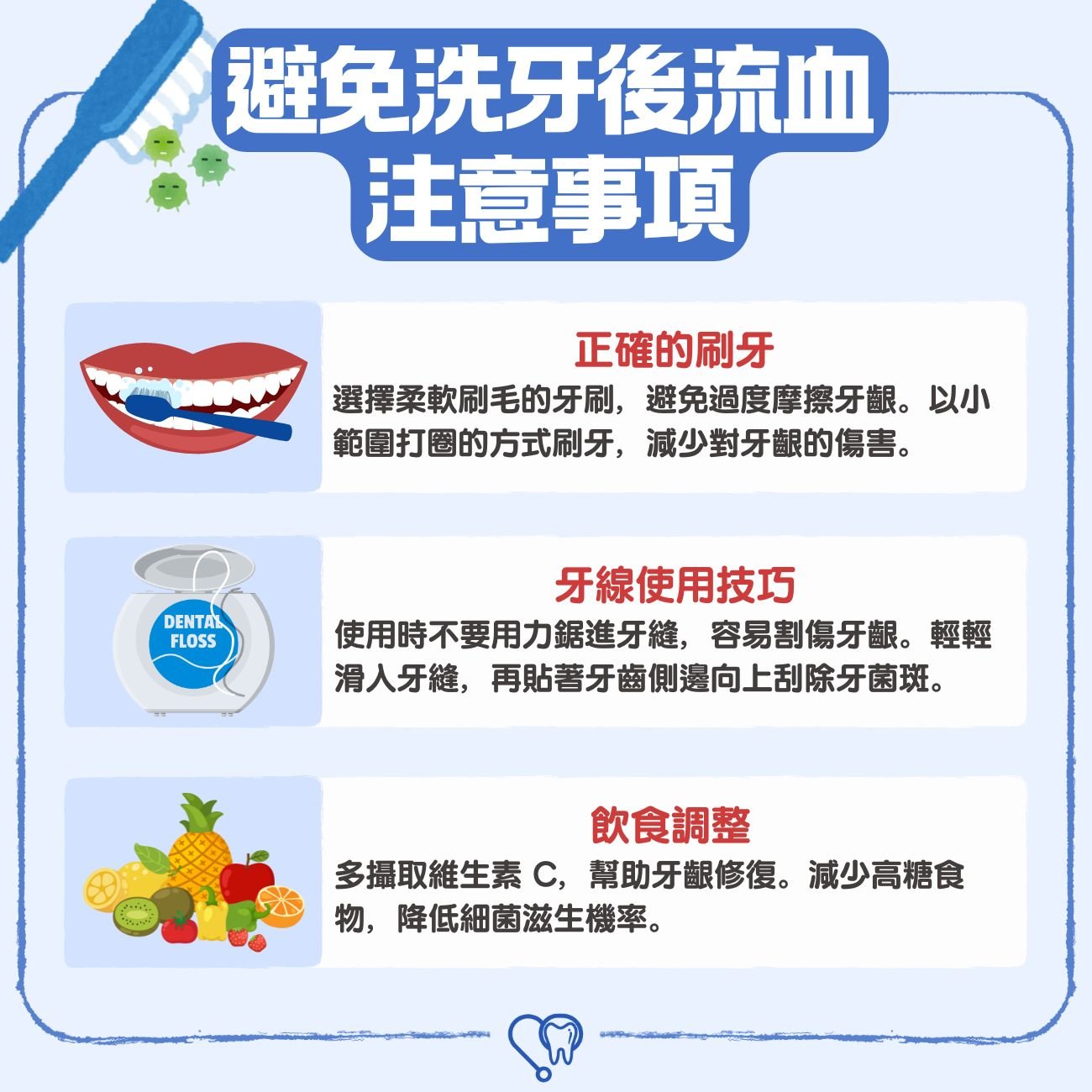
correct toothbrushing
Choose a toothbrush with soft bristles and avoid over-rubbing the gums, and also usesmall circular movements when brushing, rather than scrubbing back and forth, which reduces damage to the gums.
Dental floss technique
Dental floss cleans between the teeth better, but when using it do not "saw" it forcefully into the gap, which easily cuts the gums. It is recommended to slide it gently into the gap and then scrape up along the side of the tooth to remove plaque.
diet adjustments
Diet can also be adjusted to help, for example eating more vitamin C (such as kiwi fruit, oranges and strawberries), which helps our gums repair; and reducing high-sugar foods, which lowers the chance of bacterial growth.
Summary
Bleeding after scaling and polishing is very common, especially in people with a lot of tartar or inflamed gums. If it is only slight bleeding, there is actually no need to worry too much. Doing good oral care day to day, choosing gentle cleaning methods, combining with a healthy diet, and having regular follow-up scaling and polishing every six months will make the gums stronger!
Disclaimer
This article is for information only and does not contain any invitation or solicitation. Patients should seek a professional dentist for diagnosis and treatment according to their own circumstances. To find out more or book a service, we recommend contacting the relevant clinic directly. Please choose suitable dental services and clinics carefully yourself.



