
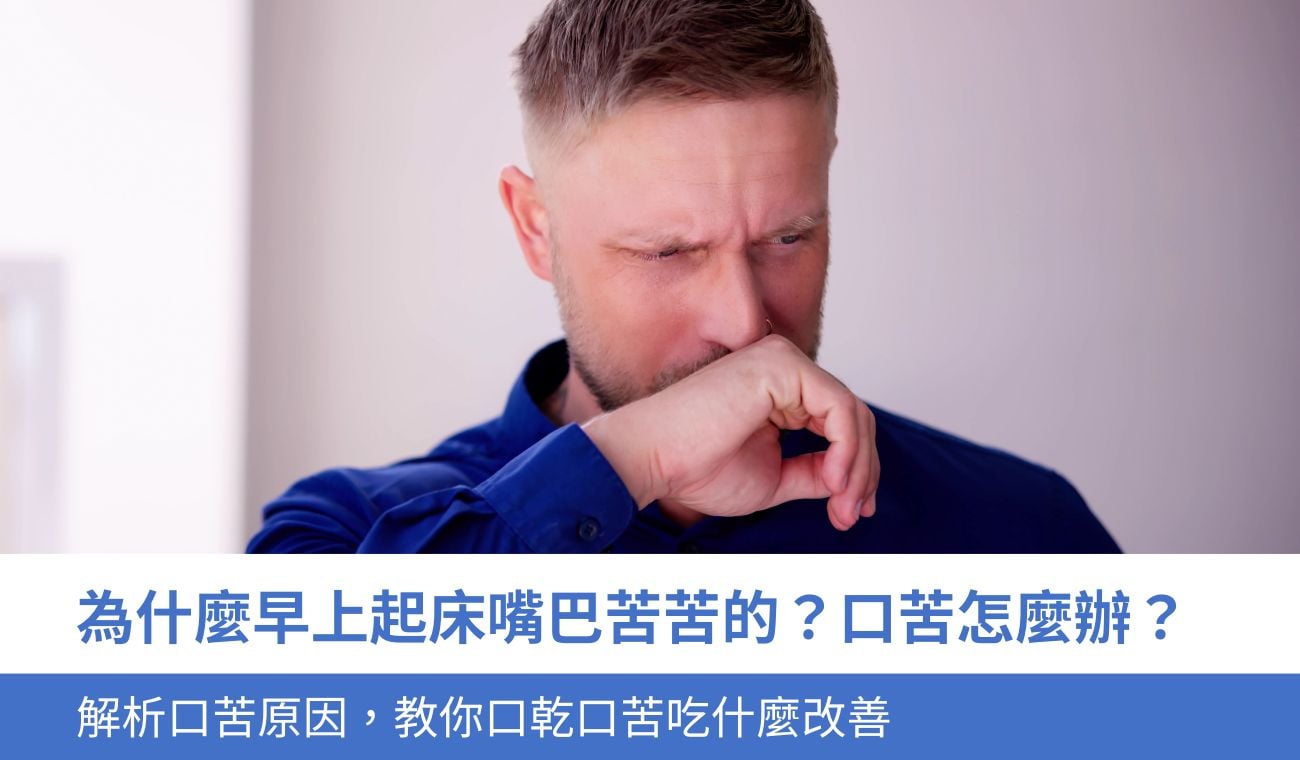
Sometimes a bitter taste appears in the mouth for no reason, especially when you get up in the morning or after meals. This "bitter mouth" not only affects your sense of taste, but may also be a warning sign from the body! This article takes you through the causes of a bitter taste in the mouth and how to improve your eating habits, so you can easily understand your oral health!
Why does a bitter taste appear in the mouth? Different views of Traditional Chinese Medicine and Western medicine
Traditional Chinese Medicine: excessive liver fire and spleen-stomach imbalance are the main causes
From the perspective of Traditional Chinese Medicine, a bitter mouth is closely related to the "liver and gallbladder" and the "spleen and stomach" in the body. People with excessive liver fire in particular often have symptoms such as a bitter mouth, dry mouth and irritability.
Traditional Chinese Medicine theory holds that liver qi stagnation, poor circulation of qi and blood, or damp-heat in the spleen and stomach may all be causes of a bitter mouth, while Western medicine confirms that abnormal bile secretion or discharge is indeed related to a bitter taste. The two approaches come from different angles; if symptoms persist, it is advisable to seek a professional diagnosis.
Western medicine: closely related to the digestive system and oral health
Western medicine holds that a bitter taste may be related to digestive system disorders, oral problems or systemic illnesses. For example:
- Gastro-oesophageal reflux disease (GERD): stomach acid refluxes into the oesophagus and may even affect the mouth, causing a bitter taste.
- Oral infection: an excessive amount of bacteria in the mouth,periodontal diseaseortooth decaymay all produce bad odours and a bitter taste.
- Medication side effects: certain antibiotics, blood pressure medication and antidepressants may affect the sense of taste, leaving a bitter taste in the mouth.
Causes of a bitter mouthWhat are they?
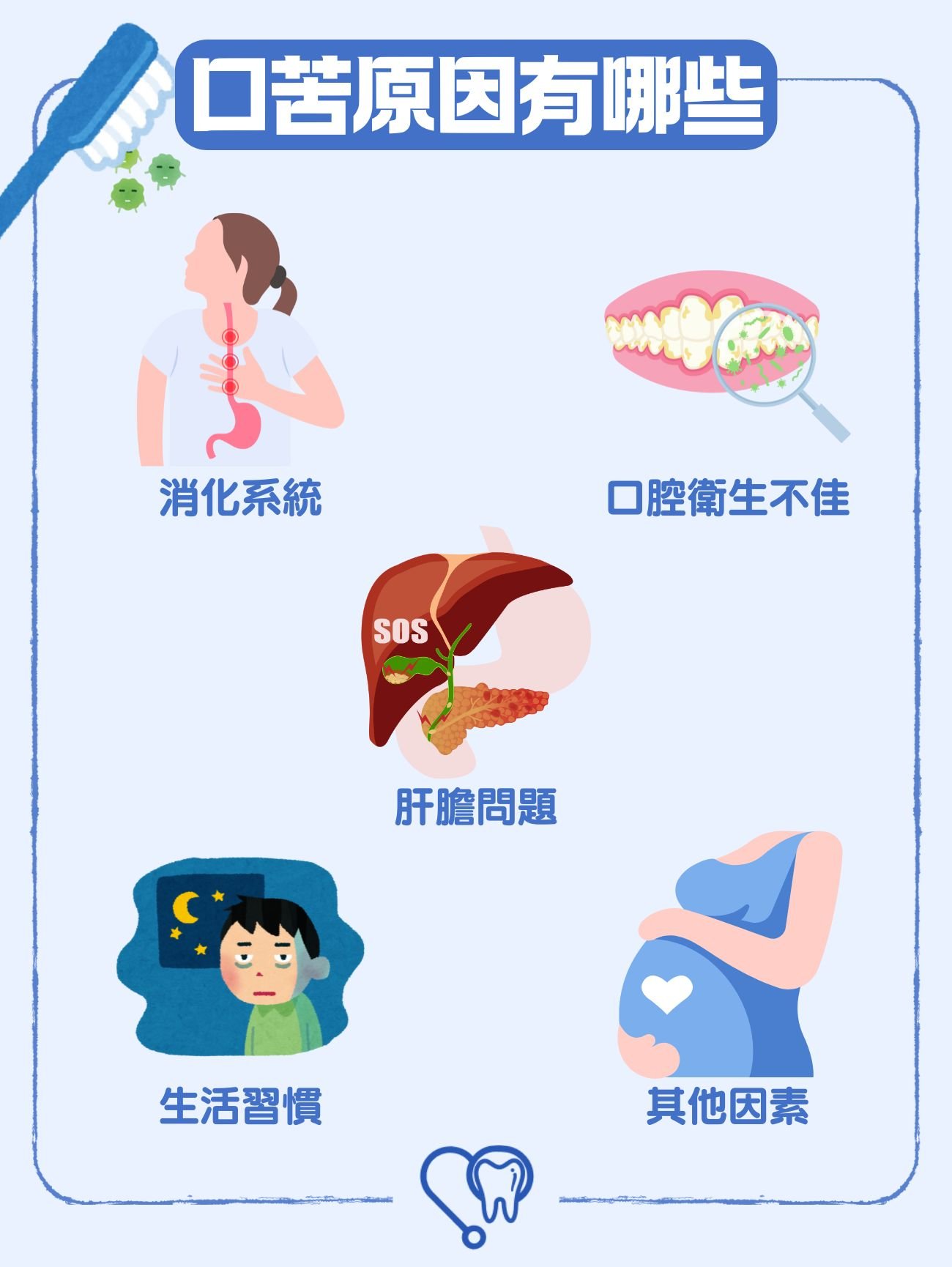
Digestive system: gastro-oesophageal reflux, indigestion
If your mouth often tastes bitter after meals or when you sleep, gastro-oesophageal reflux may be the culprit.
When stomach acid flows back into the oesophagus and even affects the mouth, it may cause a burning sensation in the throat, bloating in the stomach, a bitter taste in the mouth, and even a patch of whitish secretions on the tongue. In addition, slower gastrointestinal movement caused by indigestion may also affect bile secretion, leaving a bitter taste in the mouth.
Poor oral hygiene: periodontal disease, bacterial infection
Poor oral hygiene not only easily leads tobad breath, but may also cause food debris to ferment in the mouth and produce a bitter taste.
Periodontal disease,gum inflammation, tooth decay,mouth ulceror an overly thick tongue coating are all common causes of a bitter taste. If you do not usually brush your tongue, it is advisable to start paying attention, because bacteria easily grow on the tongue and affect oral health.
Liver and gallbladder problems: excessive liver fire, bile reflux
Traditional Chinese Medicine holds that when liver qi is stagnant or liver fire is excessive, bile secretion is easily affected. Gallbladder diseases such as cholecystitis and gallstones can cause bile to flow back into the stomach and, with stomach acid, up into the oesophagus, leaving a bitter taste in the mouth.
Staying up late over a long period, drinking alcohol, and eating greasy or spicy food also increase the burden on the liver, which in turn affects bile discharge and lets the bitter taste stay in the mouth.
Lifestyle: diet, stress, lack of sleep
If your lifestyle is irregular, such as staying up late for long periods, being under excessive stress, smoking heavily or eating greasy food, this easily increases the burden on the stomach and affects the body's metabolism and digestive function, leading to a bitter mouth.
Under excessive stress, the body secretes large amounts of adrenaline, which affects gastrointestinal movement and causes indigestion, which in turn triggers a bitter mouth.
Other factors: pregnancy, menopause, chronic illnesses, effects of medication
Hormonal changes during pregnancy or menopause may affect saliva secretion, making some women feel a bitter or metallic taste in the mouth.
Some cancer patients become more sensitive to bitter tastes and less sensitive to sweet tastes, and therefore easily feel a bitter mouth.
Chronic conditions such as cholecystitis, gastritis, pancreatitis and diabetes; upper respiratory problems such as sinusitis and rhinitis; and medication such as antibiotics, antidepressants and blood pressure medication may all cause a bitter taste in the mouth, with symptoms of a bitter and dry mouth.
Dry and bitter mouthWhat should I do? 4 main ways to improve it quickly
Nobody likes a mouth that keeps tasting bitter. Once the root cause is found, it can be treated and relieved. Here are some methods for your reference:

Adjust your diet
Fried, spicy and overly sweet foods easily affect the smell of the mouth and should be avoided as far as possible, to reduce irritation of the stomach and intestines.
Eat more fruit, vegetables and foods rich in dietary fibre to help gastrointestinal movement and reduce the risk of acid reflux and bile reflux.
Nourish the liver and detoxify
Keep good lifestyle habits: go to bed early, do not stay up late, drink plenty of water, and eat liver-clearing foods in moderation to reduce excessive liver fire.
Reduce stress and relax
Stress affects the endocrine and digestive systems. Appropriate exercise, deep breathing, yoga or meditation all help reduce anxiety and bring the body back to a balanced state.
keep the mouth clean
Brush your teeth at least twice a day, rinse your mouth after meals, use dental floss and regularlyTeeth Cleaning, and form the habit of brushing your tongue, to reduce bacteria in the mouth and lower the bitter taste and odour caused by bacterial by-products.
Causes and treatment of a bitter mouth: When should you see a doctor?
If the bitter taste lasts for more than two weeks, or comes with these symptoms: stomach pain, loss of appetite, weight loss, jaundice and so on, you are advised to seek medical attention as soon as possible, so as not to delay treatment.
What to eat for a bitter mouth? 5 foods that help calm liver fire and detoxify
When your mouth tastes bitter, besides checking your physical condition, choosing the right foods is also key to improving it. The following foods not only help reduce liver fire and clear heat and toxins, but also promote digestion and restore a fresh mouth.
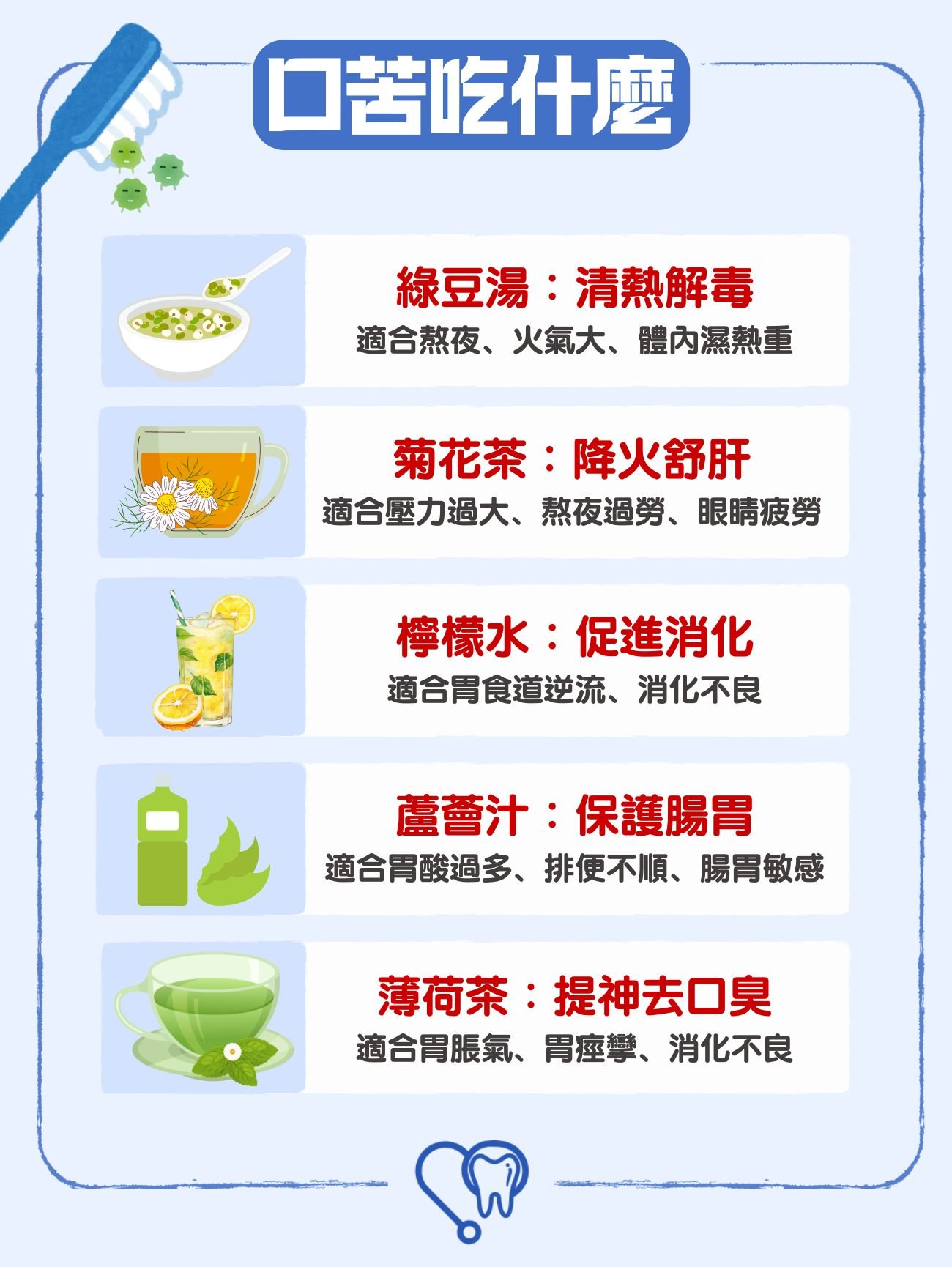
Mung bean soup: clears heat and toxins
Traditional Chinese Medicine has long held that mung beans have a heat-clearing effect; modern research has also found that mung beans contain flavonoid antioxidants, which help reduce oxidative stress. The idea of "reducing internal heat and detoxifying" comes from Traditional Chinese Medicine concepts, and there is currently insufficient Western clinical evidence for it. It can be taken in moderation as a daily supplementary food, but it is not recommended as a replacement for seeing a doctor.
- Points to note: People with a "cold" constitution (cold hands and feet, prone to diarrhoea) should drink it in moderation, to avoid excessive coldness harming the spleen and stomach.
Chrysanthemum tea: reduces internal heat and soothes the liver
According to Traditional Chinese Medicine tradition, long-term stress is thought to affect the flow of liver qi and cause liver fire to rise. This is a description within the framework of Traditional Chinese Medicine and does not necessarily correspond one to one with Western medical diagnoses; if symptoms persist, it is advisable to see a doctor to clarify the cause.
- Points to note:Pregnant women should avoid drinking too much, so as not to affect the pregnancy. People with a cold constitution can drink it together with red dates or ginger slices, to avoid it being too cooling.
Lemon water: promotes digestion
Lemon water is rich in vitamin C and can promote saliva secretion, helping to freshen the breath temporarily. Note that the claim that "lemon turns alkaline in the body and regulates stomach acid" currently lacks scientific basis: the pH of human blood is regulated by the body's own physiological mechanisms and is not directly affected by diet. For people with gastro-oesophageal reflux, drinking lemon water may instead worsen the discomfort, so it is advisable to be cautious or to consult a doctor first.
- Points to note:Do not drink it on an empty stomach, so as not to irritate the stomach and cause stomach pain or excess stomach acid. People with stomach ulcers should not drink too much, so as not to add to the burden on the stomach.
Aloe vera juice: protects the stomach and intestines
Aloe vera contains natural polysaccharides and antioxidants, and has the effect of protecting the stomach and intestines and repairing the gastric mucosa. It is suitable for people with excess stomach acid, indigestion, irregular bowel movements or a sensitive stomach and intestines. It can help reduce acid reflux and bile reflux, address the bitter mouth problem, and promote gut health at the same time.
- Points to note:Pregnant women and people with weaker gastrointestinal function should drink it in moderation, to avoid causing diarrhoea.
Peppermint tea: refreshing, and helps with bad breath
Peppermint has a refreshing effect and freshens the breath, and is especially helpful for problems such as a bitter mouth, bad breath and bloating. It can also help ease gastrointestinal spasms and promote digestion, reducing the bitter mouth caused by indigestion.
- Points to note:People with excess stomach acid should avoid drinking too much, so as not to irritate the stomach lining.
Summary
Although a bitter mouth is not a serious illness, it may reflect the state of the body's health. Developing good habits, starting with adjusting your diet, improving your routine and keeping your mouth clean, can help reduce the bitter taste in the mouth and let your mouth feel fresh again! If the bitter mouth persists, further examination is advised, to make sure there is nothing seriously wrong with your health.
Disclaimer
This article is for information only and does not contain any invitation or solicitation. Patients should seek a professional dentist for diagnosis and treatment according to their own circumstances. To find out more or book a service, we recommend contacting the relevant clinic directly. Please choose suitable dental services and clinics carefully yourself.



