
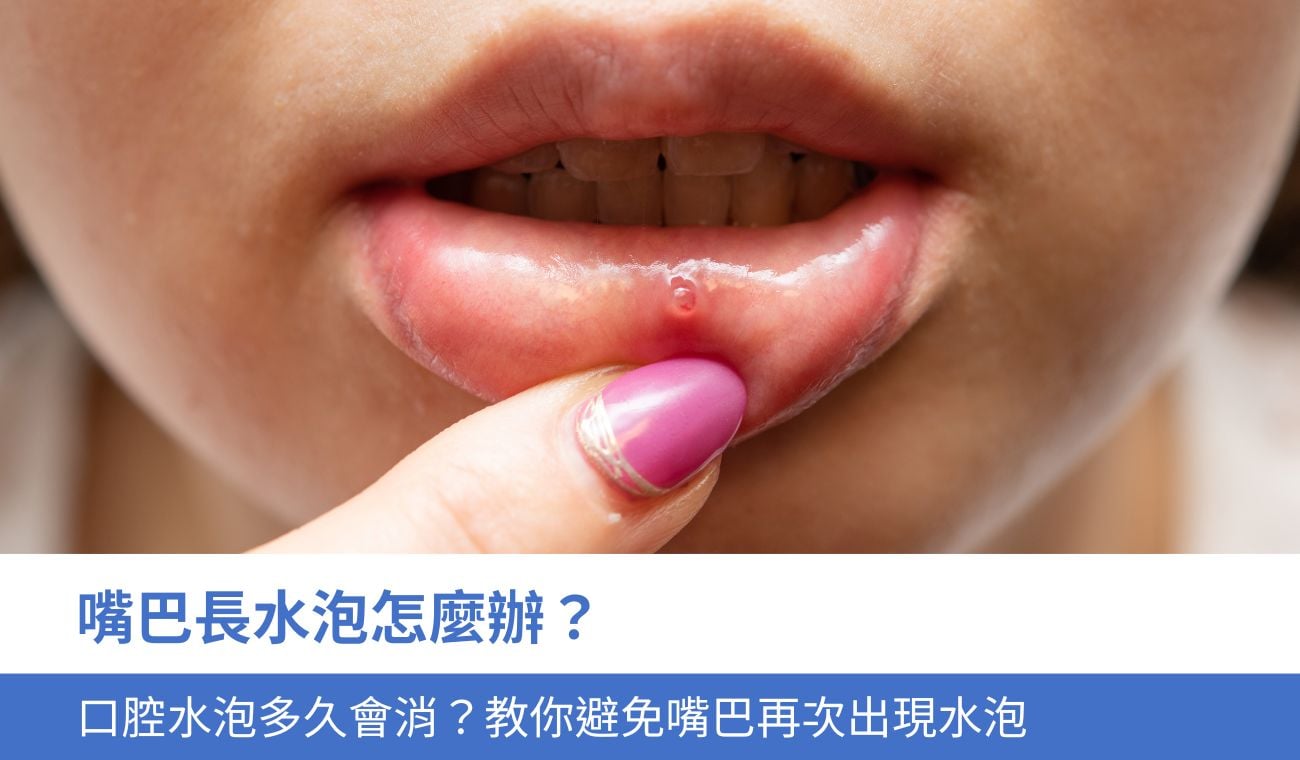
There are many causes of mouth blisters. Blisters in the mouth may be a sign of conditions such as enterovirus or salivary gland cysts, and they not only cause pain but also affect eating! This article sets out the causes of mouth blisters and shows you how to treat and prevent them and stay away from viruses!
lumps in the mouthwhat are they?
A lump suddenly appears inside the mouth. Is it a blister, a tumour, or something else? There can be many causes, from viral infection to salivary gland abnormalities.
The most common are the following:
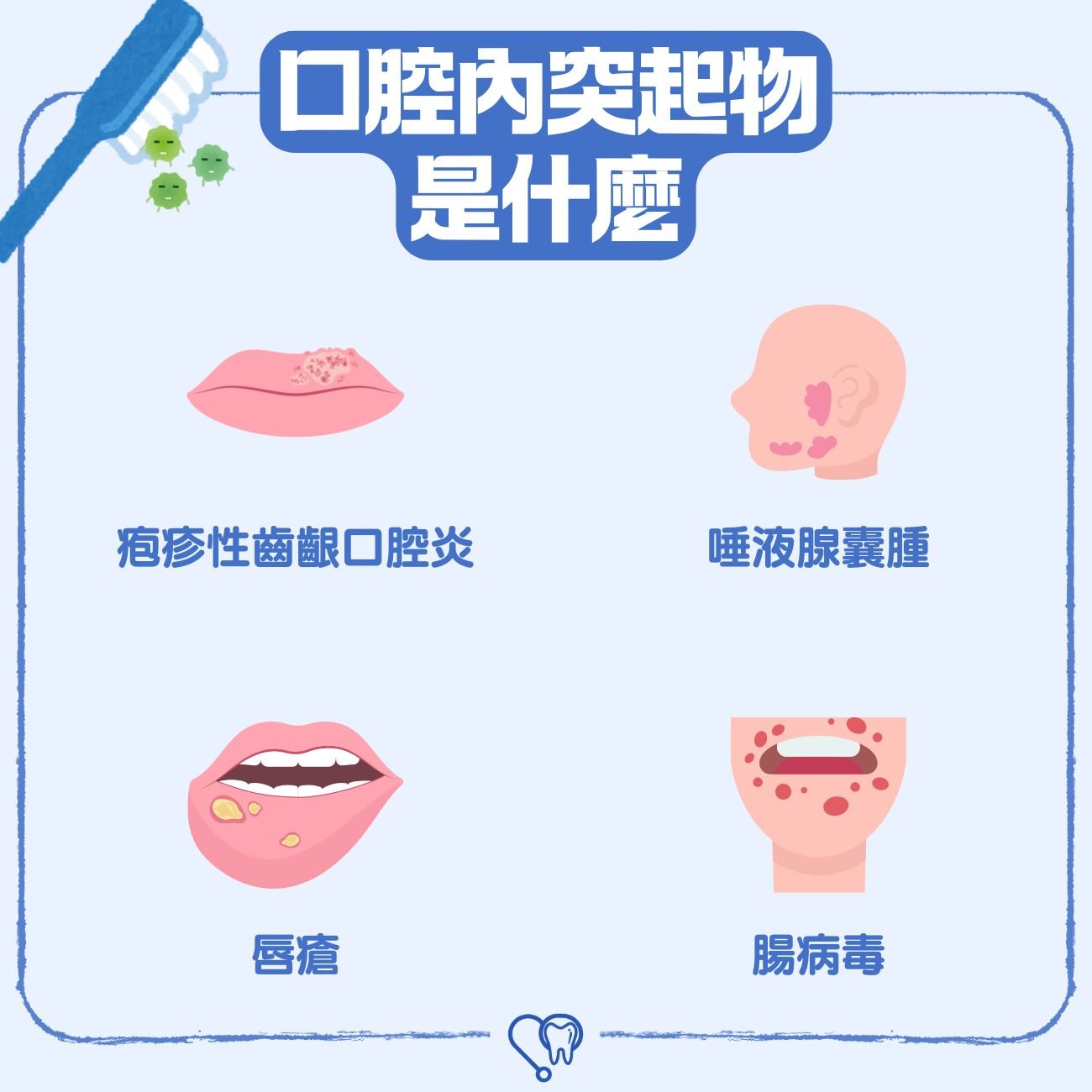
Herpetic gingivostomatitis
Caused by human herpes simplex virus type 1 (HSV-1). Patients infected with this virus develop several small blisters on the oral lining, the gums and around the lips. These blisters eventually burst and form ulcers. However, this tends to occur in babies and young children between 6 months and 5 years old.
In addition to red, swollen, bleeding gums or evenbad breathand other symptoms, patients may also have a persistent fever, which in serious cases may even last more than a week.
Salivary gland cyst (mucocele)
A salivary gland cyst (mucocele) is usually caused by injury to or blockage of a small salivary gland duct. When a salivary gland duct is damaged or blocked, saliva collects under the surface skin, forming a lump-like cyst about 1.5 cm or less in diameter.
This kind of cyst is fairly soft in texture and mainly grows on the lips, inside the mouth and under the tongue,. It usually shows as a light blue or translucent round small blister inside the mouth. Although painless, it may affect eating and speaking.
Mouth ulcers
canker soremay be caused by a variety of factors, including stress, immune system problems, nutritional deficiency (such as vitamin B, iron or folic acid) or accidentally biting the mouth. They usually show as small round or oval sores with red, swollen edges and a white or pale yellow centre.
These ulcers are most common on the inside of the lips, the tongue and the lining of the cheeks. Although they are usually not big, they may cause obvious pain, especially when eating or speaking.
Enterovirus
Enterovirus is another pathogen that may cause lumps in the mouth, and it easily breaks out especially in summer and autumn. Enterovirus infection may cause a range of oral symptoms, the most common being herpangina and hand, foot and mouth disease.
Herpangina forms small blisters in the throat area. These blisters then turn into ulcers, causing pain and difficulty eating and loss of appetite.
In addition to the symptoms of herpangina, hand, foot and mouth disease also produces blisters on the palms and soles of the feet. Both conditions usually come with symptoms such as fever, vomiting, loss of appetite and sore throat.
Why do blisters form in the mouth?
Some people habitually bite their lips, purse their lips or suck their lower lip, and this repeated physical irritation damages the oral lining and forms blisters or ulcers. However, small blisters in the mouth may be caused by many factors. Let us look at several main causes:
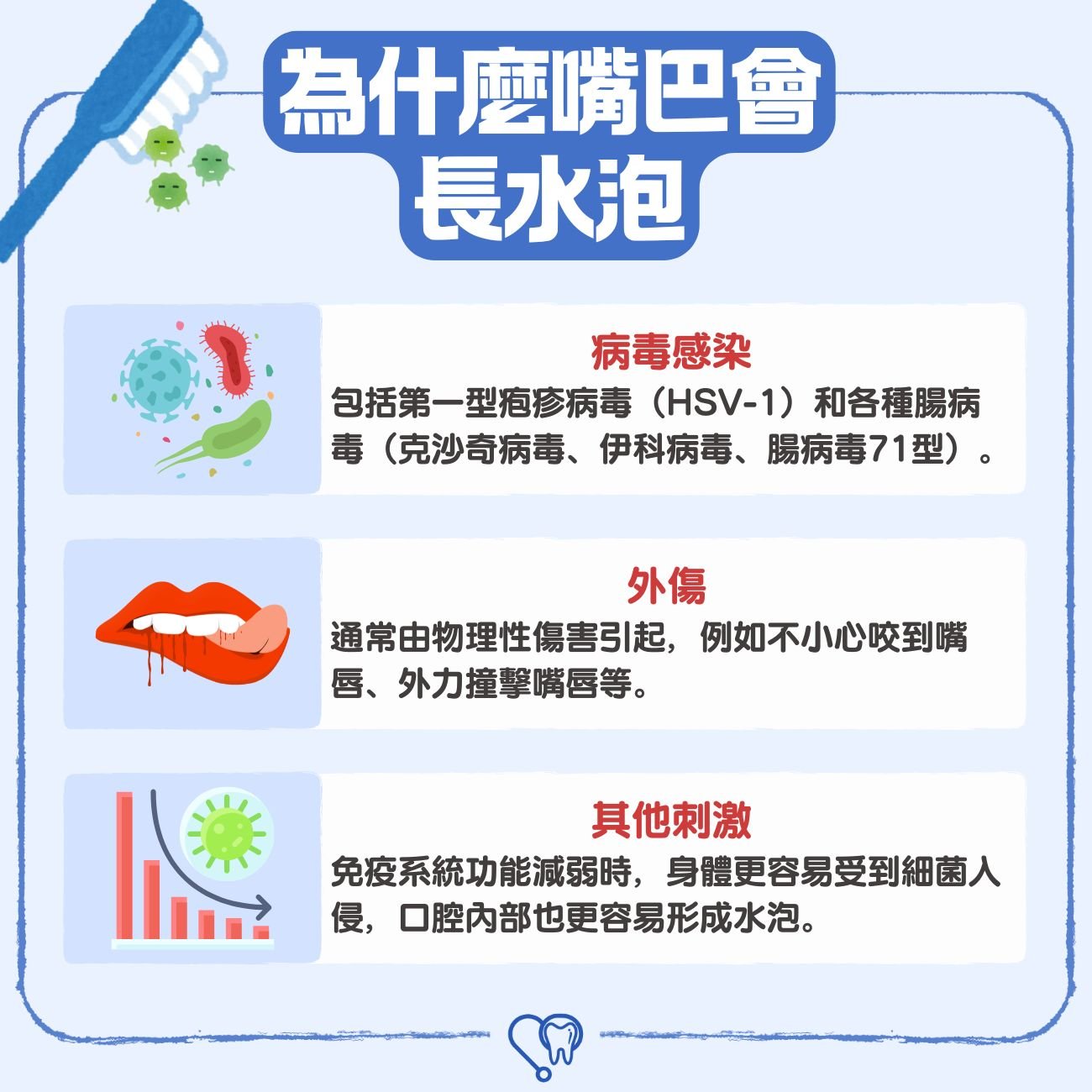
viral infection
Common viruses include herpes simplex virus type 1 (HSV-1) and various enteroviruses (Coxsackievirus, echovirus, enterovirus 71).
These viral infections may come with fever and sore throat, causing symptoms such as herpangina, hand, foot and mouth disease and herpetic gingivostomatitis.
Injury
Usually caused by physical injury, such as accidentally biting the lip or a blow to the lip. This kind of injury may lead to the formation of blisters or cysts, the most typical being the salivary gland cyst.
Other irritation
When our immune system function weakens, the body is more easily invaded by bacteria and gets infected or inflamed, and blisters also form more easily inside the mouth. This is common in people who are under stress, have poor nutrition or have certain illnesses.
Mouth ulcers are a typical example. They usually show as small round or oval sores with red, swollen edges and a white or yellow centre.
What should you do about blisters in the mouth? How to deal with blood blisters in the mouth
When you find a blister in your mouth, never pierce it yourself. The first thing to do is observe its features and judge which type it is. Different types of blister may need different handling:
- Mouth ulcers: these usually heal on their own, but you can use a product containing a pain-relieving ingredientmouthwashto relieve the pain.
- Herpetic gingivostomatitis: the mouth needs to be kept clean, and antiviral medication may be needed.
- Salivary gland cyst: if the cyst cannot go away on its own, surgical removal, medication injection, cryotherapy and laser vaporisation may be needed.
- Enterovirus infection: you need plenty of rest and fluids, and may need medical attention in serious cases.
If a blood blister bursts, the most important thing is to keep the wound clean and avoid infection. If the blister is too big, lasts more than two weeks, comes with a high fever or the symptoms are severe, we suggest seeking medical attention promptly. The doctor may prescribe antiviral medication or another suitable treatment plan according to the specific situation.
How long before mouth blisters go away?
The development of a mouth blister, from first appearing to finally fading, takes about one to two weeks. However, each person's recovery speed may differ slightly, depending on the individual's immune system and overall health.
- Early stage: within 2 to 3 days after symptoms appear, blisters start to form around the lips or inside the mouth. These blisters usually contain a lot of virus and are highly contagious.
- Blisters burst and form scabs: after about 4 to 7 days, the blisters start to burst and form scabs. At this point the burst blisters form open wounds, which are very painful and easily infected by bacteria.
- Healing: from day 7, most wounds begin to heal. The scabs gradually fall off and new skin grows. By around day 14 the wound should have healed completely.
How can you avoid getting blisters in the mouth again?
The key to preventing mouth blisters from coming back is to boost immunity, avoid spreading infection and use suitable medication. Here are some effective prevention strategies:
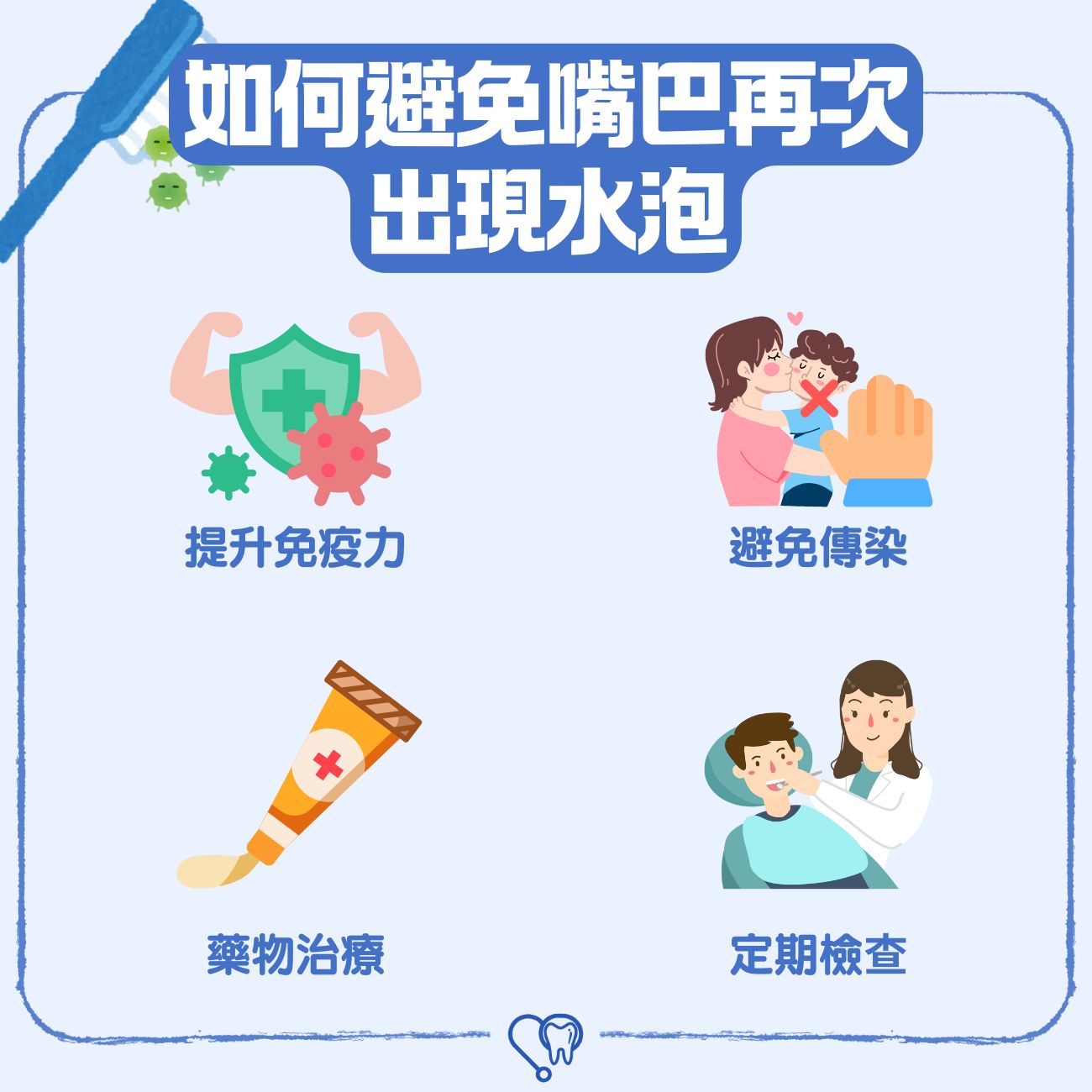
Boost immunity
Boosting immunity is the best way to prevent mouth blisters, and it needs changes to lifestyle habits in many areas:
- Keep a regular routine: make sure you get enough sleep every day, so the body can rest fully.
- Manage stress: overtiredness and stress lower immunity, so learn effective stress management techniques.
- Balanced diet: eat plenty of fruit, vegetables, beans, fish, eggs and lean meat to make sure the body gets enough vitamins and minerals.
- Regular exercise: moderate exercise every week helps strengthen the overall immune system.
- Change eating habits: chew slowly and carefully to avoid biting the lips; eat fewer very hot foods to prevent the formation of small salivary gland cysts.
Avoid spreading infection
Avoiding spreading infection is also an important part of preventing recurrence. Do not share personal items (towels, toothbrushes) where possible, and avoid using other people's cutlery in public places. If a blister has already formed, avoid close contact with others, such as kissing, to prevent the virus spreading.
medication treatment
Applying an antiviral oral ointment at the early stage of a blister can help control symptoms and speed up healing.
If a salivary gland cyst appears, you can first watch for 2-3 days to see whether it goes away on its own. If the cyst persists, surgical removal may need to be considered, together with a pathology examination to test whether the cyst is benign or malignant.
Regular Check-ups
Through regular check-ups, potential problems can be found early and suitable preventive measures taken. If mouth blisters keep coming back, you can consult oral surgery, ENTordental and otherspecialistdoctors to rule out other potential health problems.
FAQ
Will a blister on the inside of the mouth get better by itself?
Most blisters on the inside of the mouth heal by themselves in about a week, especially blisters caused by physical injury, such as accidentally biting the lip or cheek or a blow to the lip. Unless there is obvious pain or signs of infection, applying medication is usually not needed.
Although the blister will fade by itself, you still need to pay attention to oral hygiene during this time to avoid infection. Gently rinsing with warm salt water helps keep the wound clean and speeds up healing. If it lasts more than two weeks or comes with symptoms such as fever or severe pain, we suggest seeking medical attention promptly.
How can you reduce a swollen lip??
When a lip is swollen, you can wrap ice in a clean towel and apply it gently to the swollen lip. Apply the cold compress for 15 minutes each time and repeat every hour. This method can effectively reduce swelling and pain and promote blood circulation.
At the same time, avoid licking your lips and using lipstick or other cosmetics that may irritate the lips, because this may worsen dryness and irritation.
Summary
Although blisters in the mouth are common, with correct identification and handling we can effectively relieve the discomfort. Keeping good oral hygiene habits and a healthy lifestyle, and seeking medical advice when appropriate, are the keys to reducing mouth blisters. If you have any concerns, consulting a doctor promptly is always the safest choice.
Disclaimer
This article is for information only and does not contain any invitation or solicitation. Patients should seek a professional dentist for diagnosis and treatment according to their own circumstances. To find out more or book a service, we recommend contacting the relevant clinic directly. Please choose suitable dental services and clinics carefully yourself.



