
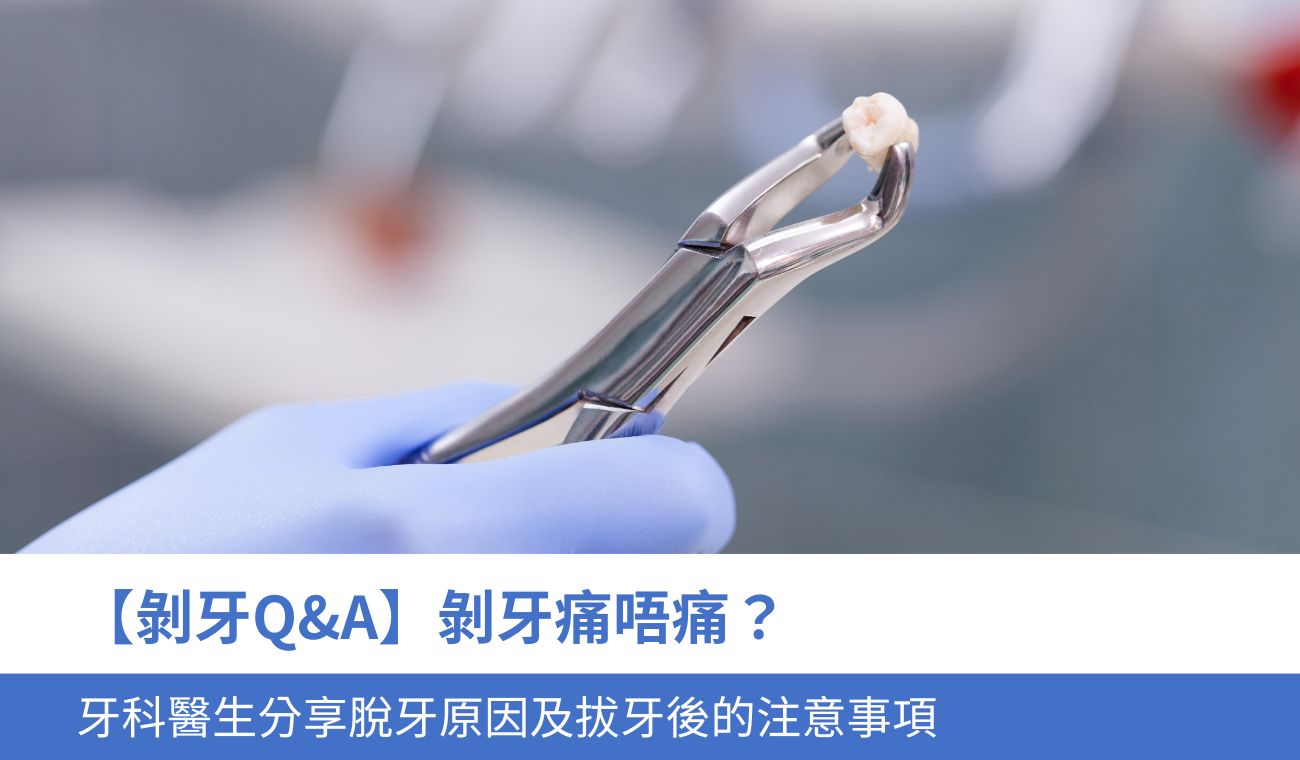
Tooth ExtractionIs it very painful? Why is extraction needed? There are in fact many reasons why a tooth may need to be extracted, including tooth decay,periodontal disease, wisdom tooth problems and so on. In this article, professional dentists share the extraction process and points to note after extraction, to answer your questions and queries about extraction!
Why is tooth extraction needed?
Many people may wonder how just a smalltooth decaycan reach the point where extraction is needed. Of course, where possible we choose to keep the tooth as far as we can, but in some situations extraction inevitably becomes the only choice.
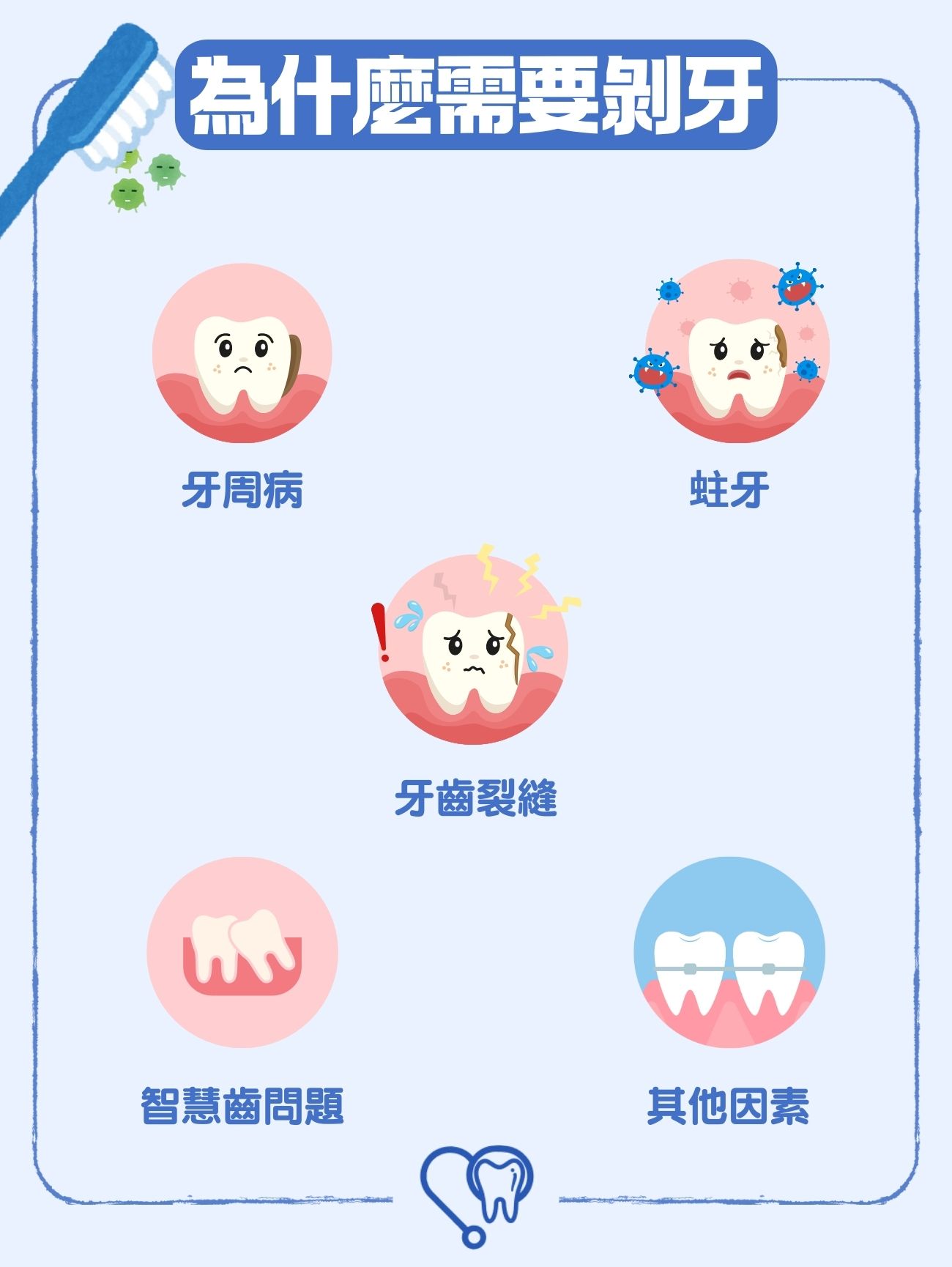
periodontal disease
Periodontal disease is one of the most common reasons for extraction. It affects the tissues around the teeth, including the gums, periodontal ligament and alveolar bone.
If periodontal disease continues to develop, it leads to bleeding,gum inflammation, and may even cause the bone supporting the teeth to dissolve. Over time, the affected tooth may become loose and unable to chew normally. In this situation, removing the tooth with severe periodontal disease may be the only option, to prevent infection from spreading to other healthy teeth.
tooth decay
Although early tooth decay can be treated with fillings orCrown, if decay is ignored or handled improperly, it may worsen to the point where the tooth cannot be saved.
If severity of tooth decayDecay that reaches deep into the pulp, so that even withRoot Canal Treatmentit cannot be treated. When severe decay affects the overall structure of the tooth, even if the tooth no longer hurts, it may be unable to withstand normal chewing pressure, and the dentist will recommend extraction.
Cracked teeth
Although a crack in a tooth may look like only a small problem, once a crack appears, bacteria may take the chance to invade, causing inflammation and infection.
Although some cracks can be dealt with by crowns or other restorative methods, once a crack extends to the root or below the gum line, the situation becomes complicated. If it cannot be repaired after several treatments, or the crack keeps getting bigger, extraction will be recommended.
Wisdom tooth problems
Wisdom teeth:(third molars) often cannot grow normally because there is not enough room in the jaw bone.
This situation may push against neighbouring teeth, causing tooth decay or periodontal disease. Sometimes the tooth may even grow crooked or get stuck under the gum, causing serious problems such as pain and infection. So even if the wisdom tooth itself has no problem, dentists will also suggest preventive extraction, to avoid the possible need for more complicated surgery in future.
other factors
Sometimes, to improve appearance and function, for example when having orthodontic treatmenttreatment, if there is not enough space in the mouth, some teeth may need to be removed to create space for other teeth to move.
In some cases, removing a problem tooth can also prevent more serious health problems in future. For example, for patients with heart disease or immune system disorders, removing a tooth with a risk of infection can reduce the risk of infection throughout the body. Similarly, if a tumour or cyst is found near a tooth, extraction may be a necessary treatment step.
Difference between surgical and non-surgical extraction
Tooth extraction is a common medical procedure and, depending on the condition and position of the tooth, can be divided into two types: surgical and non-surgical.
If a patient has other illnesses or takes certain medications, they should tell the dentist before extraction, to find out whether extraction is suitable and to ensure the procedure is safe.
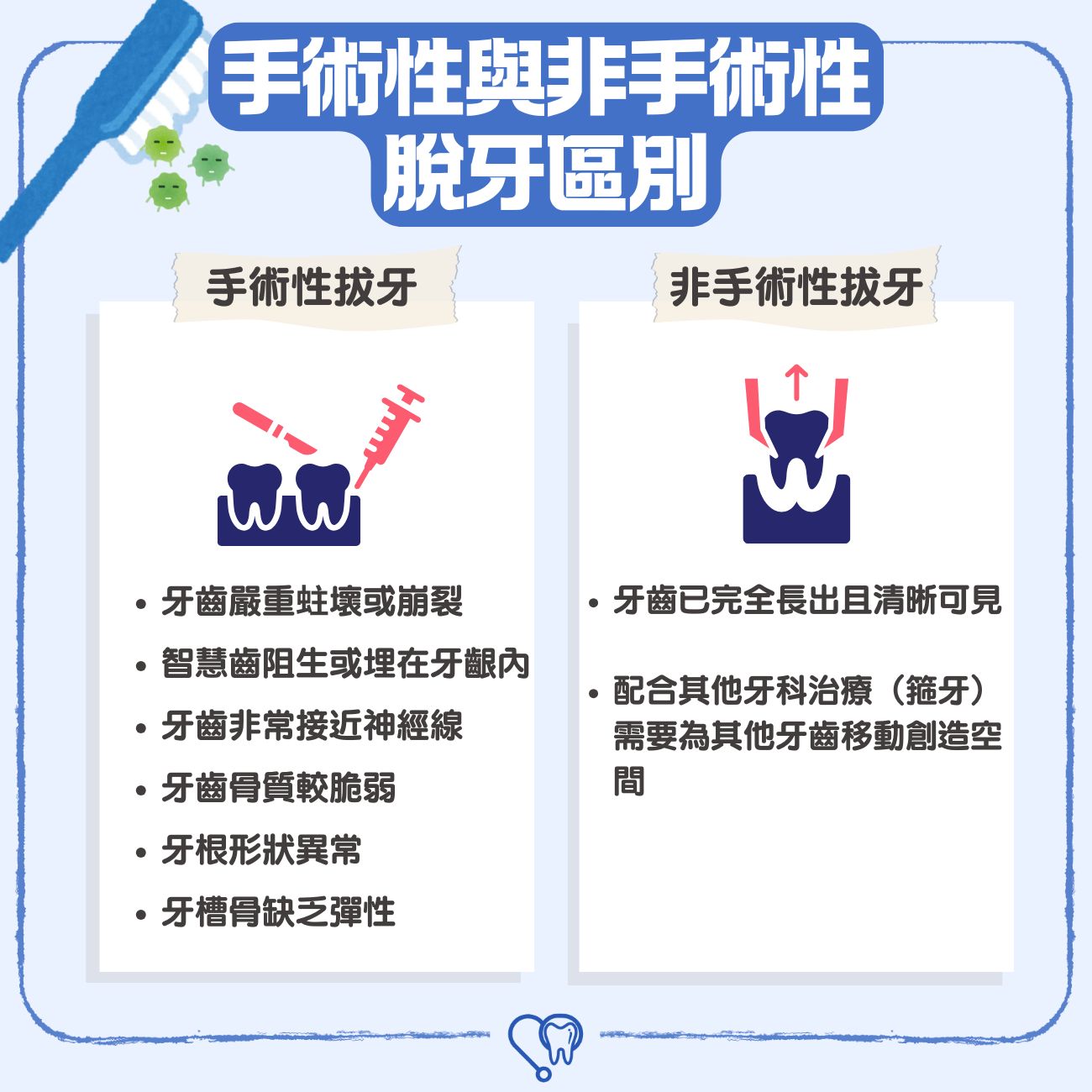
Surgical extraction
Usually used for more complicated tooth problems, for cases where the tooth cannot simply be pulled out whole with ordinary dental instruments:
Surgical extraction may be needed when a tooth is badly decayed or broken, a wisdom tooth is impacted or buried in the gum, a tooth is very close to a nerve, the tooth bone is fragile, the root shape is abnormal, or the alveolar bone lacks elasticity (common in elderly patients).
Non-surgical extraction
Used for simpler cases, suitable for removing most normally erupted teeth:
When the tooth has fully erupted and is clearly visible, or when space needs to be created for other teeth to move in combination with other dental treatment (braces), non-surgical extraction can usually be used.
Extractionprocess
Whether surgical or non-surgical extraction is carried out, the dentist will first inject local anaesthetic to numb the tooth and the surrounding oral tissues.
Surgical extraction may need general anaesthesia in some cases. The gum is then lifted and part of the alveolar bone covering the tooth is removed to expose the root. The dentist then tries to loosen the tooth or, as needed, divides the tooth into several parts and removes them one by one.
Finally the wound is cleaned and closed with surgical stitches to make sure the bleeding is stopped. Usually the patient needs to return for a follow-up visit after one week, so the dentist can remove the stitches and check how the wound is healing.
Non-surgical extraction is relatively much quicker. The dentist uses special dental instruments to loosen the tooth and takes it out directly from the mouth, and the recovery time is also shorter.
Dealing with the aftermath of tooth extractionwhat you need to know
If the wound keeps bleeding, is excessively swollen or painful, is infected with a bad smell, or discharges pus, and there is still no improvement after three days or so, go back to the dentist for help as soon as possible.
In very rare cases, teeth near the wound, soft tissues of the mouth, nerves and other oral tissues may be damaged during extraction. Referral toan oral specialistand maxillofacial surgeon for treatment may then be needed.
Points to noteafter tooth extraction
Whether the extraction is surgical or non-surgical, good aftercare can speed up recovery and prevent complications. Here are some general points to note after extraction:
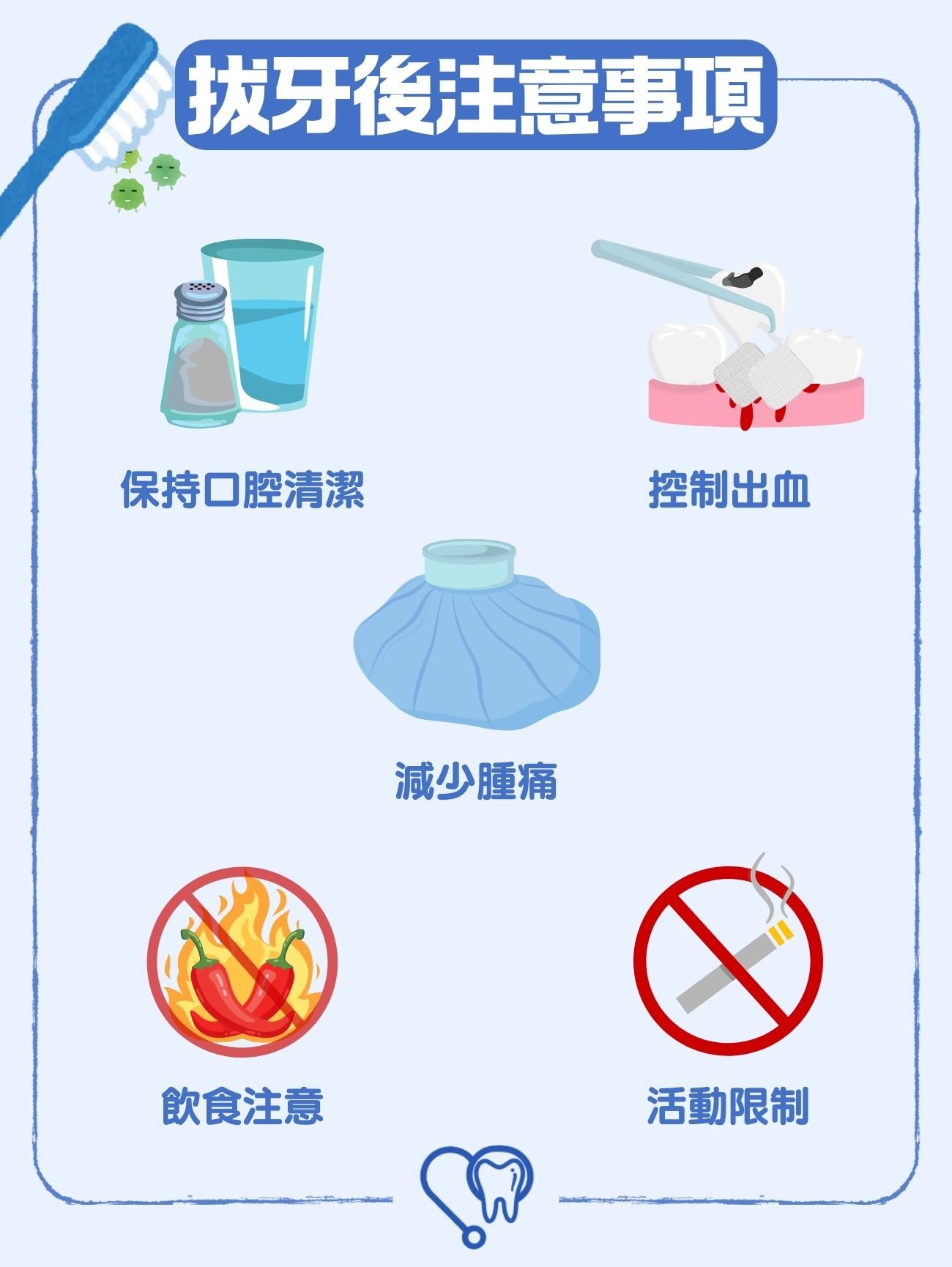
- Keep the mouth clean: brush carefully, avoid brushing the extraction site directly, and rinse gently with warm salt water.
- Control bleeding: within 24 hours after extraction there will bea small amount of bleeding, which is normal. Gently press on the wound with gauze to control the bleeding.
- Reduce pain and swelling: within 48 hours after extraction, you can use a cold compress or take the antibiotics or painkillers prescribed by the dentist to help reduce swelling and pain.
- Diet: choose soft, cool foods, and avoid hot food, spicy food and alcohol. Do not use a straw, so as not to disturb blood clot formation.
- Activity restrictions: avoid vigorous exercise within 48 hours after the procedure. Avoid smoking within 72 hours, because smoking may delay wound healing and increase the risk of infection.
Tooth extraction prices
The price of extraction varies with the condition of the tooth and the method of extraction. When choosing extraction, we suggest patients do not consider price alone but also pay attention to medical quality and their own needs.
- Ordinary extraction: about HK$600 to HK$800.
- Complex extraction: between about HK$1,200 and HK$1,800, not including wisdom tooth extraction.
- Wisdom tooth extraction: ordinary about HK$2,000 to HK$2,500; surgical from about HK$5,000, and complex cases may reach HK$6,500 or more.
FAQ
Does tooth extraction hurt??
Pain perception varies from person to person. However, before an extraction the dentist will give local anaesthesia to block pain signals, and during the procedure you will basically feel only slight pressure or pulling. After the anaesthetic wears off you will feel some discomfort or pain, but this can usually be controlled with painkillers or a cold compress.
Tooth ExtractionHow long is the recovery period afterwards?
The recovery period after extraction varies from person to person but can usually be divided into the following stages:
- Immediate recovery period (1-2 days): this is the most critical period. You may feel some pain and swelling at this stage, but these symptoms should gradually ease.
- Initial healing period (3-7 days): most discomfort should disappear in this period. The wound starts to heal but still needs careful care.
- Full recovery period (1-2 weeks): for a simple extraction, the wound should be basically healed in this period. For a complicated operation, it may take longer.
Tooth ExtractionAre there any after-effects?
Although the risk of an ordinary extraction is very low, a few individual cases may also bring some potential after-effects. However, as long as aftercare is followed, most after-effects can be prevented or treated.
- Dry socket: this is one of the most common complications and occurs when the blood clot comes away too early. Symptoms include persistent pain and bad breath.
- Infection: although rare, the possibility of wound infection is always there. Symptoms may include persistent pain, fever and swelling.
- Damage to neighbouring teeth or nerves: during a complicated extraction, the surrounding teeth or nerves may be injured accidentally.
- Jaw joint problems: keeping the mouth open for a long time may cause temporary discomfort in the jaw joint.
- Sinus problems: extraction of upper back teeth may affect the sinus.
Summary
Although keeping natural teeth is usually the first choice, in some cases extraction may be the best choice for maintaining overall oral health. Whether surgical or non-surgical, extraction is carried out to solve a specific oral health problem. It is important to communicate fully with a professional dentist, understand your own situation and follow the aftercare.
Remember, timely preventive care and regular dental check-ups can help detect problems early and avoid unnecessary extractions.
Disclaimer
This article is for information only and does not contain any invitation or solicitation. Patients should seek a professional dentist for diagnosis and treatment according to their own circumstances. To find out more or book a service, we recommend contacting the relevant clinic directly. Please choose suitable dental services and clinics carefully yourself.



