
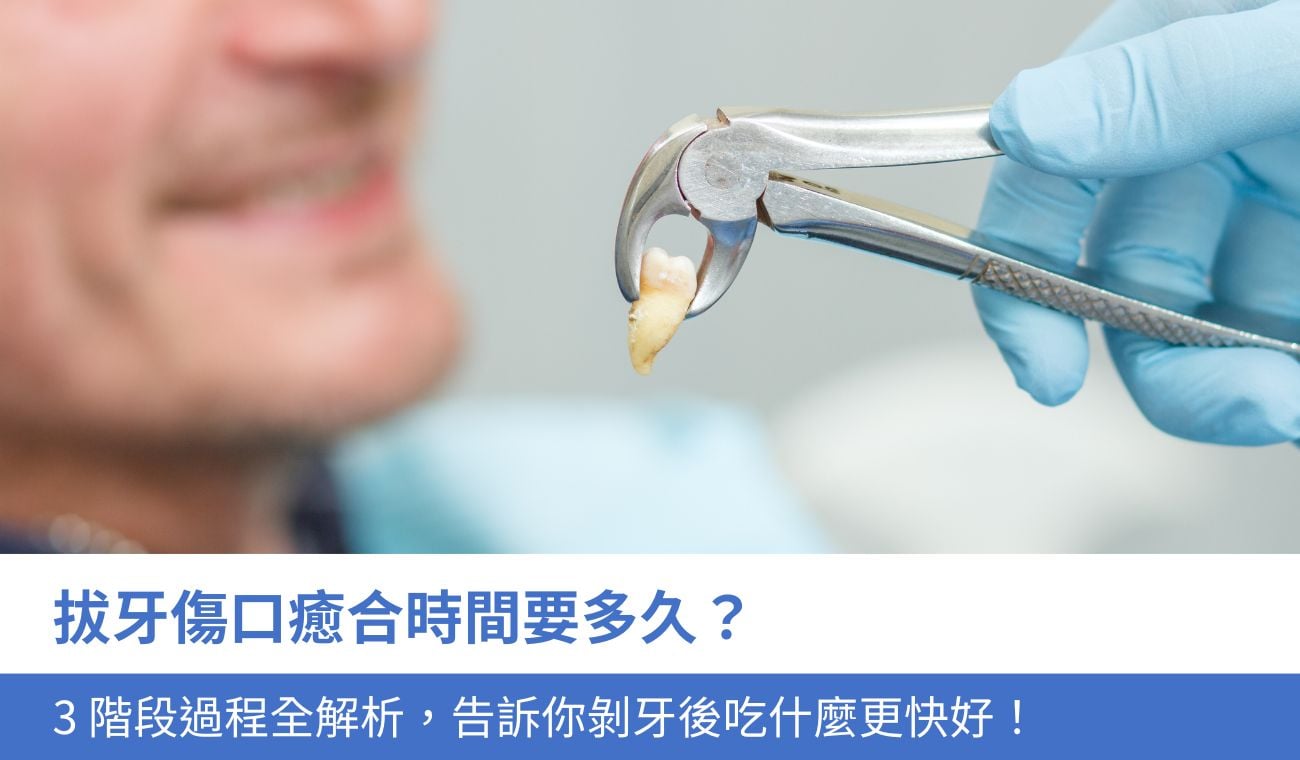
The wound from an ordinary extraction (including wisdom tooth extraction) usually heals initially in 7–10 days, and full recovery takes 3–4 weeks, varying from person to person. After the procedure, eat soft food at room temperature and avoid irritating food and straws, which can speed up the stopping of bleeding and repair.
Healing time of an extraction woundHow long does it take?
Recovery period varies from person to person
The healing speed of the wound after an extraction is different for everyone. Some people are mostly better in three to five days, while others take a week or two to recover gradually. This mainly depends on age, general health, and the position and complexity of the tooth.
If it is simply a premolar or a front tooth, recovery is usually quick. But if it is a wisdom tooth in a more complicated position, or even one that needs surgical removal, the recovery time will be longer.
Usual healing time of an extraction wound
For most people, the extraction wound heals initially within 7 to 10 days, which means the gums gradually grow back and the wound is no longer obvious.
But true "complete healing", including the bone regrowing and the gums returning to a normal state, may take 3–4 weeks or even longer, and the actual situation varies from person to person.
The healing process of an extraction wound 3 stages: from bleeding to full recovery
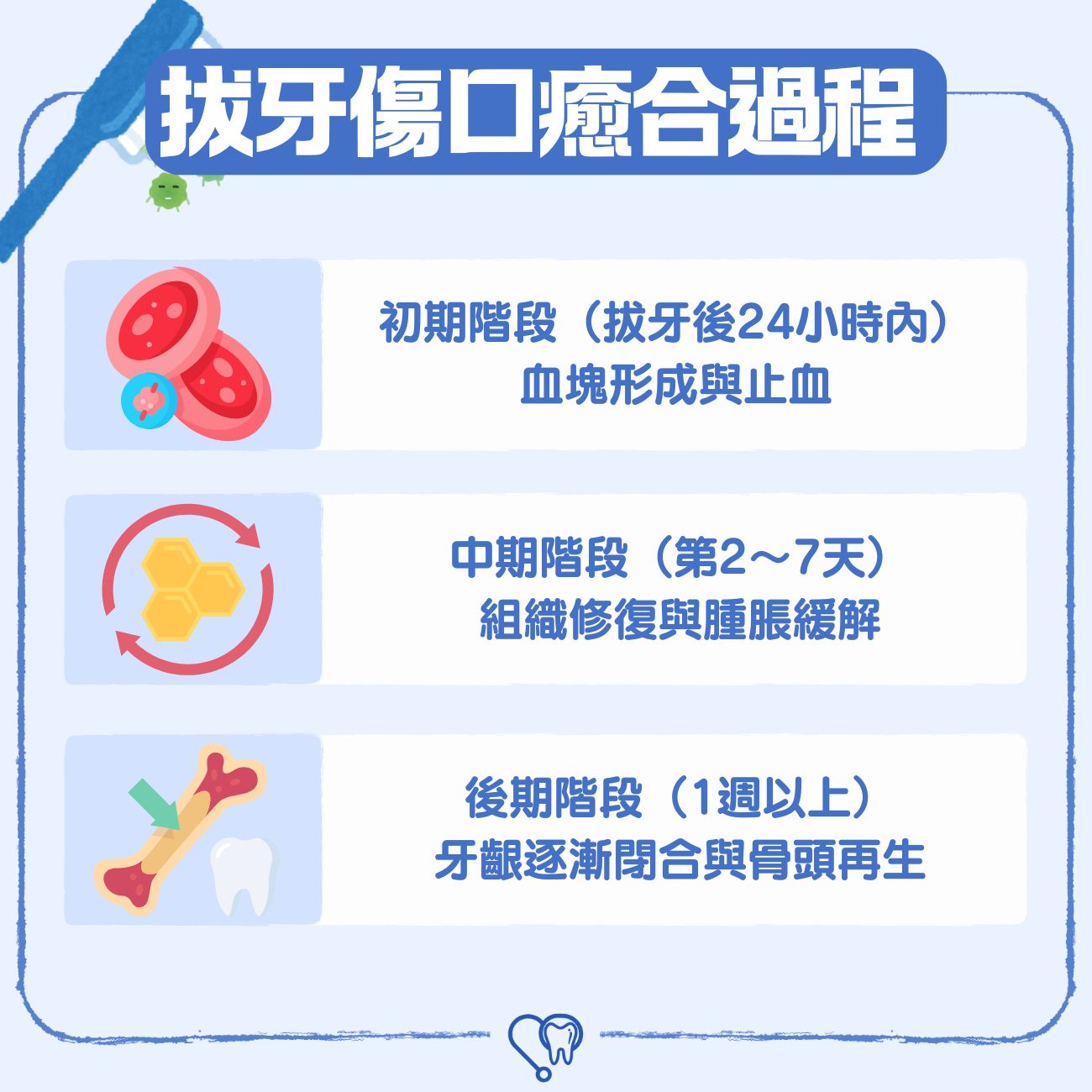
Early stage (within 24 hours after extraction): blood clot formation and stopping the bleeding
The most important step after an extraction is to let a blood clot form inside the wound. This clot is not only for stopping bleeding. It acts like a natural protective film that prevents bacterial infection and also supports the tissue repair that follows. If the clot comes off or is washed away at this point, what is known asdry socketmay occur.
If there is saliva or blood-tinged fluid, swallow it. Do not rinse too hard, do not drink through a straw and do not spit forcefully, and try to keep the clot securely in place. The dentist will usually also place a piece of gauze for you to bite on, so remember to take it out at the time you were told.
Middle stage (days 2–7): tissue repair and swelling easing
In the second stage, the blood clot begins to turn into the base for tissue repair, and gum cells gradually grow out to fill the wound. There may still be slight swelling, bruising or soreness at this point, but much better than on the first day.
As long as you apply cold packs, take your medication and avoid irritating food as usual, most people feel much more comfortable at this stage.
Late stage (after 1 week): gums gradually close and bone regenerates
After a week, if there is no inflammation or infection, the gums gradually grow back, the surface becomes smoother and you no longer need to be so careful when eating. Note, however, that bone healing takes longer, up to several weeks or even months to complete fully.
So even if the surface looks fine, you should still pay attention to diet and oral cleaning and avoid brushing too hard, so that the whole tissue can grow back properly.
Factors affecting healing time
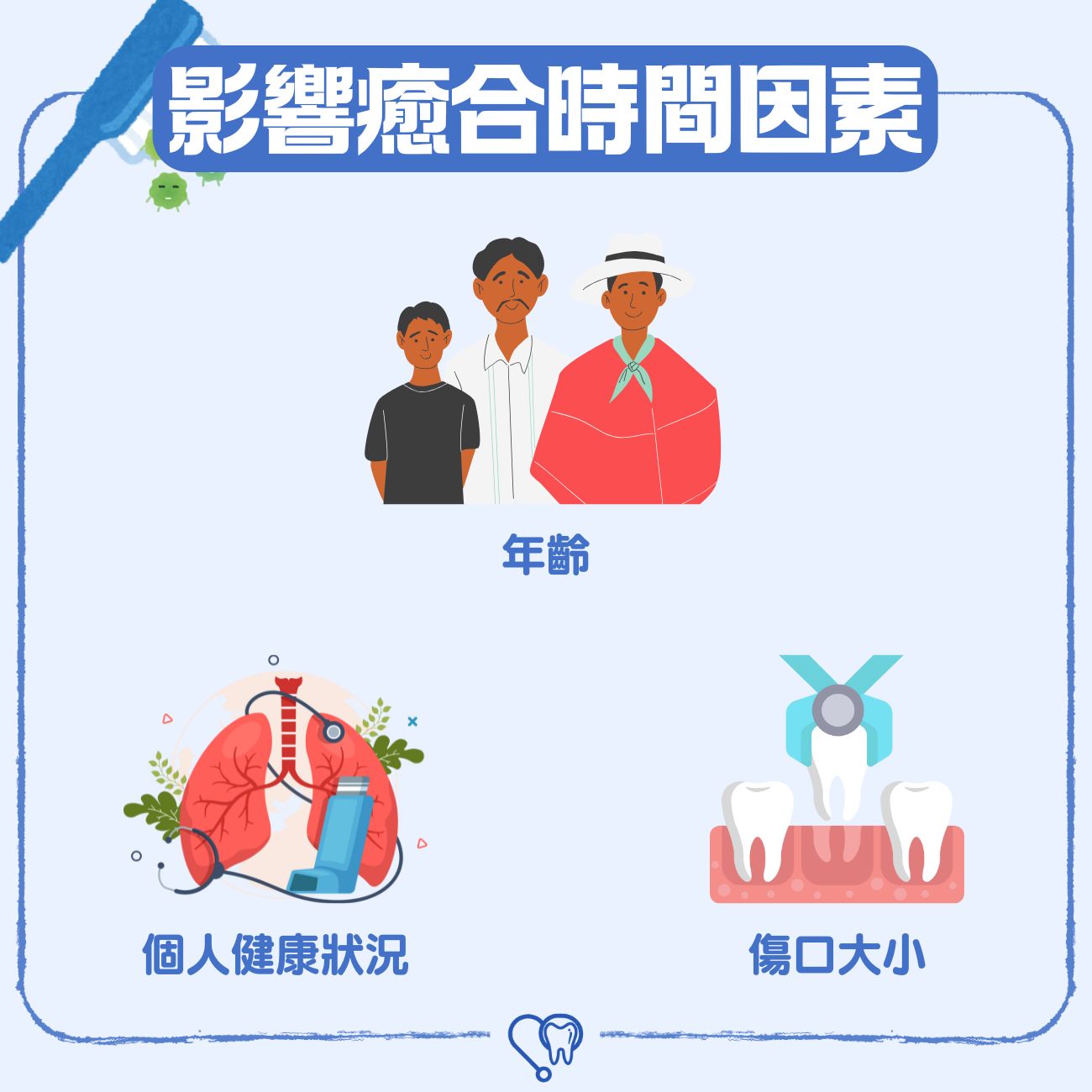
Age
Young people have a faster metabolism and better stamina, so wounds naturally repair faster. Older people may heal a little more slowly, but this can still be made up for with good care.
Personal health
People with chronic illnesses (such as diabetes, high blood pressure or a weak immune system) will also have their healing speed affected. These patients should follow the dentist's instructions especially closely, take medication on time and attend regular follow-ups to ensure a smooth recovery.
Wound size
Ordinary extraction wounds are small and recovery is quick. For a surgical extraction (such asan impacted wisdom tooth), because bone is removed and the wound is stitched, the healing time is naturally longer, and sometimes the stitches need to be removed and the area observed for a few more days.
What should I eat after an extraction to heal faster?
How long after wisdom tooth extraction can I eat normally?
Generally, in the first 2 days after a wisdom tooth extraction you should avoid harder food, and try not to eat nuts or even spare ribs, to avoid irritation. After a wisdom tooth extraction, you can follow the dietary principles below:
- 2-3 hours after the procedure, once the anaesthetic has worn off, you can eat, mainly liquid or semi-liquid food;
- 3 days after the procedure, you can eat soft food such as rice and steamed egg;
- After about 7-10 days you can eat normally.
Basic dietary principles: gentle, soft and easy to swallow
In the first few days after a tooth is extracted, be especially careful when eating. We recommend liquid or semi-liquid food at room temperature or lukewarm, such as congee, pudding, steamed egg and tofu soup. Do not eat food that is too hot, because high temperature can dislodge the blood clot and also easily irritates the wound.
Avoid food that requires hard chewing, and it is best to eat on the side opposite the extraction to reduce pressure on the wound. Once the wound is no longer swollen and sore and the gums are firm, gradually return to a normal diet.
Foods to avoid after an extraction
For the few days after an extraction, it is best to hold off on spicy, fried, hard, sticky and hot food, and also to avoid alcohol, fizzy drinks and straws, as these may irritate the wound or affect the stability of the blood clot and increase the risk of wound infection.
Points to note about drinks
It is fine to drink, but remember to choose lukewarm water or drinks at room temperature. Do not drink soup that is too hot, and do not use a straw, to avoid the "suction" pulling the blood clot out.
If you want to top up on nutrition, you can also consider soya milk, fresh milk or sugar-free yoghurt drinks at room temperature, but the principle is still "not irritating, not too sweet".
Tips after the procedure and daily care recommendations
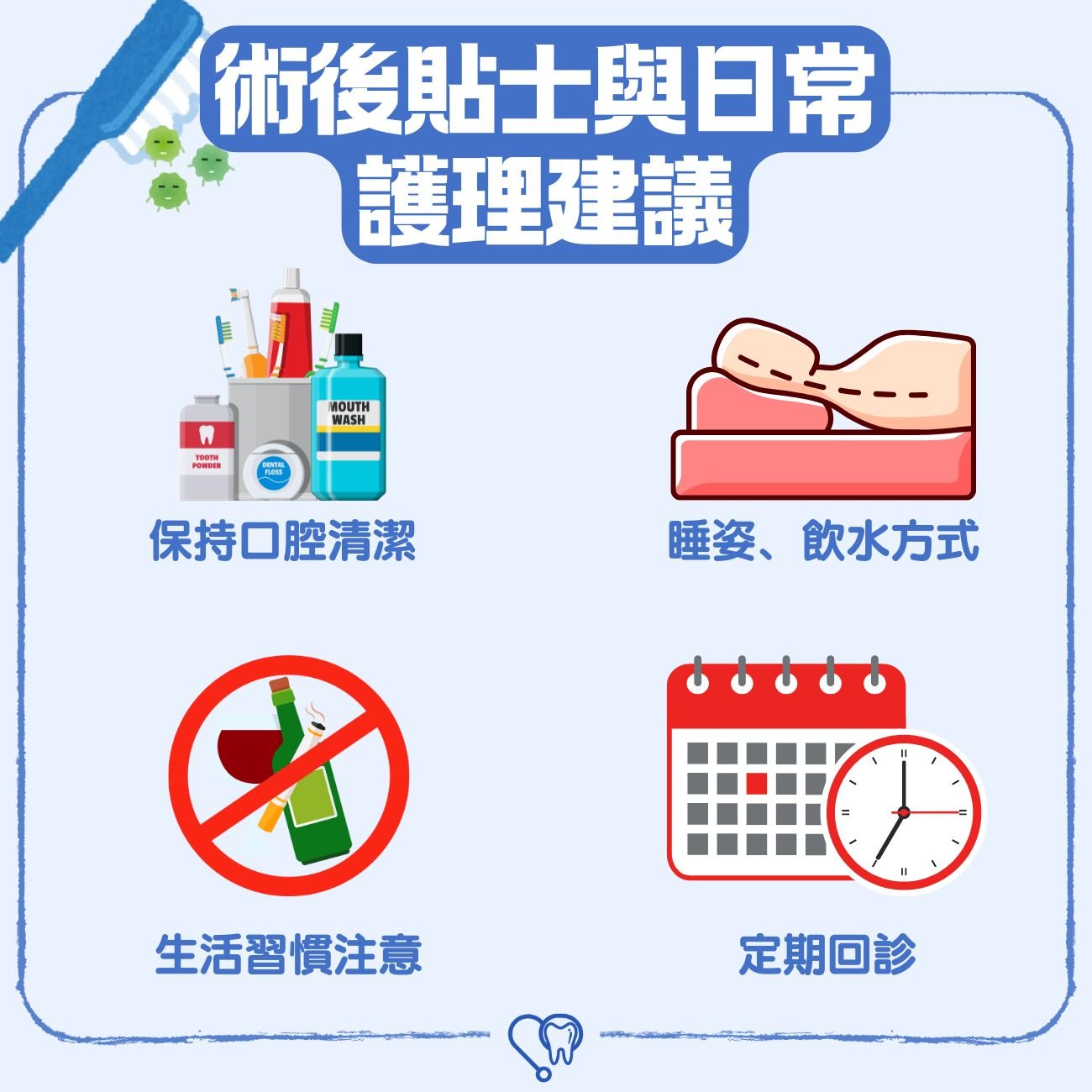
keep the mouth clean
After an extraction you are not unable to brush your teeth. You just need to avoid the wound and brush the other healthy teeth. Usually after 24 hours you can start gently rinsing or using an alcohol-free mouthwash, which maintains oral hygiene while speeding up wound recovery.
Sleeping position and how to drink water
We recommend raising your head slightly when sleeping, to reduce the swollen feeling caused by blood gathering in the head. When drinking water, do not swish it around vigorously, to avoid disturbing the blood clot, and do not spit forcefully after drinking.
Lifestyle points to note
For the few days after the procedure, do not do vigorous exercise, drink alcohol or stay up late, and smoking is also not recommended. These behaviours constrict the blood vessels or lower immunity, slowing down wound healing.
Regular Follow-ups
If your dentist has arranged a follow-up visit or stitch removal, be sure to go on time. If anything unusual occurs (such as continued bleeding, severe pain or noticeable bad breath), seek medical attention immediately to avoid delay making the wound worse.
FAQ
How many days after an extraction can I brush my teeth or use mouthwash?
You can generally start brushing 24 hours after the extraction, but avoid the extraction wound. For mouthwash, we recommend an alcohol-free type recommended by your dentist. Do not buy irritating products on your own.
Can I apply oral ointment to the extraction wound?
In most cases ointment is not needed, but if the dentist has prescribed it or specifically said it can be used, apply it as instructed. Never apply over-the-counter ointments on your own, to avoid irritating the wound or causing inflammation.
How many days should I take antibiotics after an extraction?
Usually the dentist prescribes antibiotics case by case, and a general course is about 3–5 days. Remember to finish the whole course, and do not stop the medication on your own because there is no pain, otherwise there may be a risk of antibiotic resistance.
What should I do if the extraction site is still bleeding after the gauze is removed?
If there is still slight oozing after the gauze is removed, you can bite on a fresh piece of gauze for about 30 minutes to help the blood clot. If the bleeding increases instead of easing, or lasts for more than 2 hours, return for a follow-up visit as soon as possible.
Summary
Although an extraction is a common minor procedure, the aftercare must not be neglected. As long as you look after yourself patiently and step by step, most people recover smoothly with no after-effects. If you are about to have an extraction or are recovering from one, we hope this article puts your mind at ease and helps you through the recovery period more smoothly.
Disclaimer
This article is for information only and does not contain any invitation or solicitation. Patients should seek a professional dentist for diagnosis and treatment according to their own circumstances. To find out more or book a service, we recommend contacting the relevant clinic directly. Please choose suitable dental services and clinics carefully yourself.



