
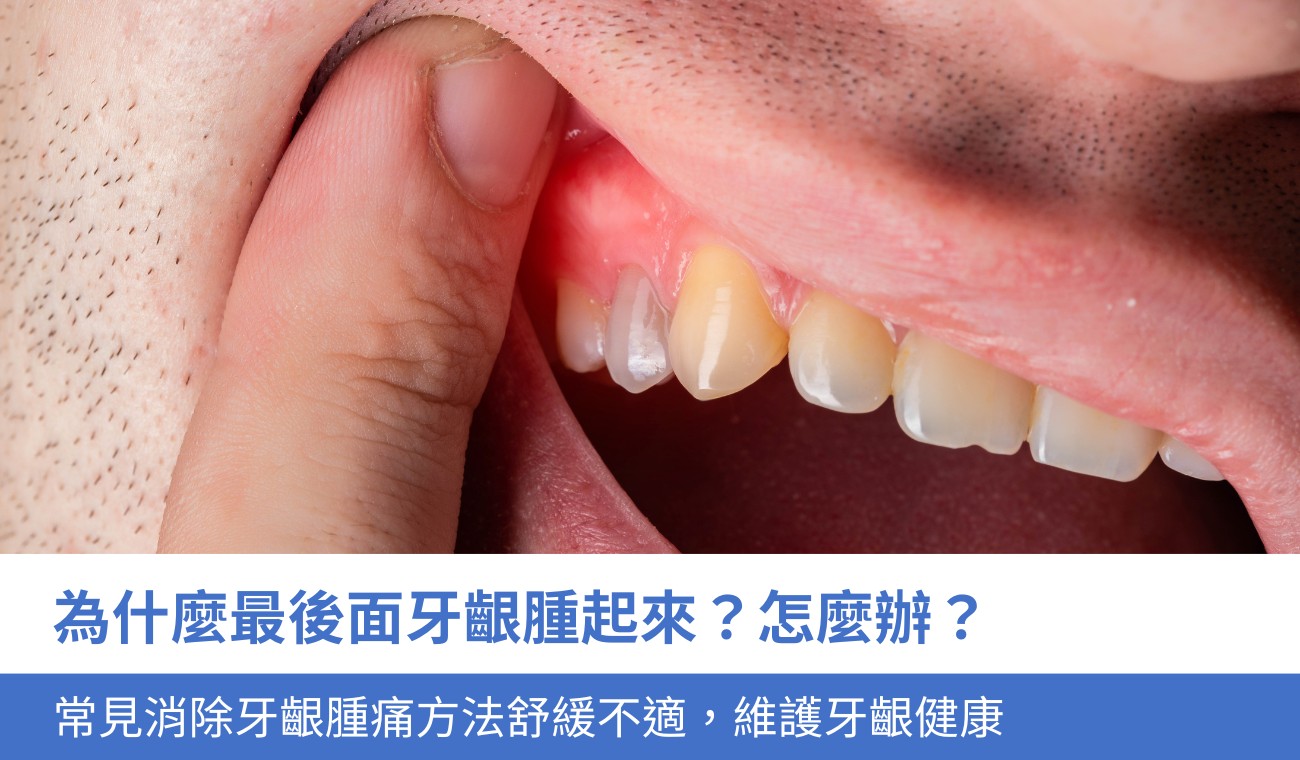
Sudden swelling and pain in the gums is mostly related to wisdom teeth, periodontal disease or hard-to-clean areas. Understanding the causes, ways to reduce swelling and the keys to prevention helps you relieve the pain quickly and restore healthy gums.
Why are the gums at the very back swollen? 4 main causes
Swollen gums at the very back are actually not uncommon, and can happen to teenagers and adults alike. There are many causes, and anything from tooth eruption to oral cleaning habits may be the problem.
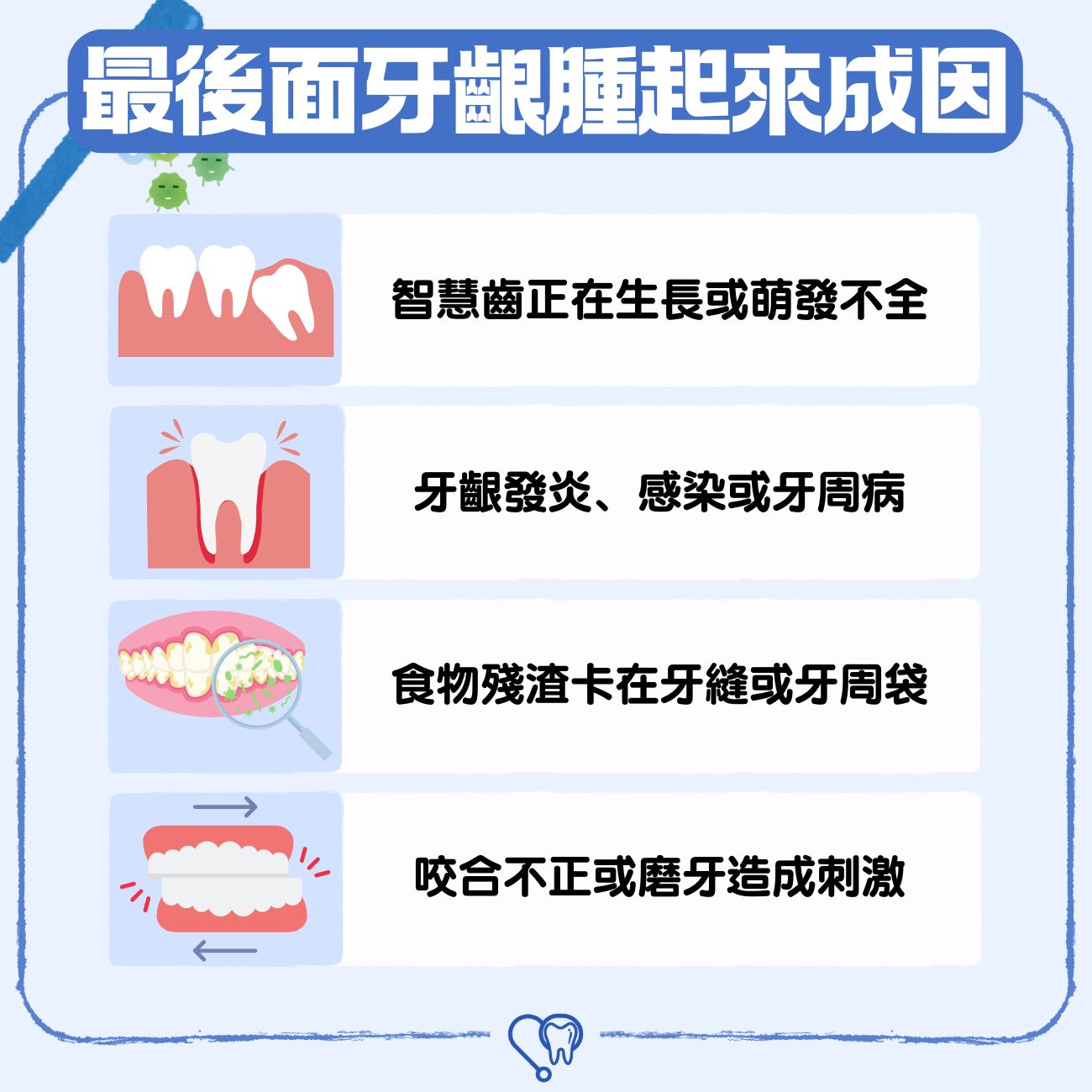
Wisdom teeth erupting or only partly erupted
Wisdom teeth are the teeth furthest back, and usually come in between the ages of 17 and 25.
If a wisdom tooth grows in crooked, or only partly emerges through the gum, bacteria easily collect around the gum and cause swelling and pain. Sometimes a wisdom tooth is partly covered by gum and is hard to clean when brushing, and bacteria then breed more easily, leading to repeated inflammation.
Gum inflammation, infection or periodontal disease
Swollen gums are often a warning sign ofGingivitisor periodontal disease. When plaque builds up for a long time at the junction of the gum and the tooth, the gums become red and swollen, bleed and may even come with bad breath. If left untreated, the inflammation goes deep into the periodontal tissue, causing loose teeth or receding gums. The teeth at the very back are especially hard to clean, so the problem accumulates more easily.
Food debris caught between the teeth or in periodontal pockets
The teeth at the very back are often "blind spots", where things such as popcorn husks, shreds of meat and vegetable fibres can get stuck in the gaps or periodontal pockets. If they are not removed in time, the trapped food breaks down and causes irritation, making the gums swollen and painful and even causing an abscess. In this situation, rinsing alone can hardly clear the foreign matter completely.
Irritation from a misaligned bite or teeth grinding
Some people have a bite at the wrong angle, or grind their teeth when sleeping, which puts pressure on the gums over time. The teeth at the very back bear the greatest biting force, and if the force is persistently uneven, the gums easily become red, swollen and painful, and there may even be tooth sensitivity.
What should I do about swollen gums at the very back? How do I reduce gum swelling?
When the gums swell, the earlier they are treated, the faster they recover. Besides relieving the pain, the cause should also be treated, so that it does not keep coming back.
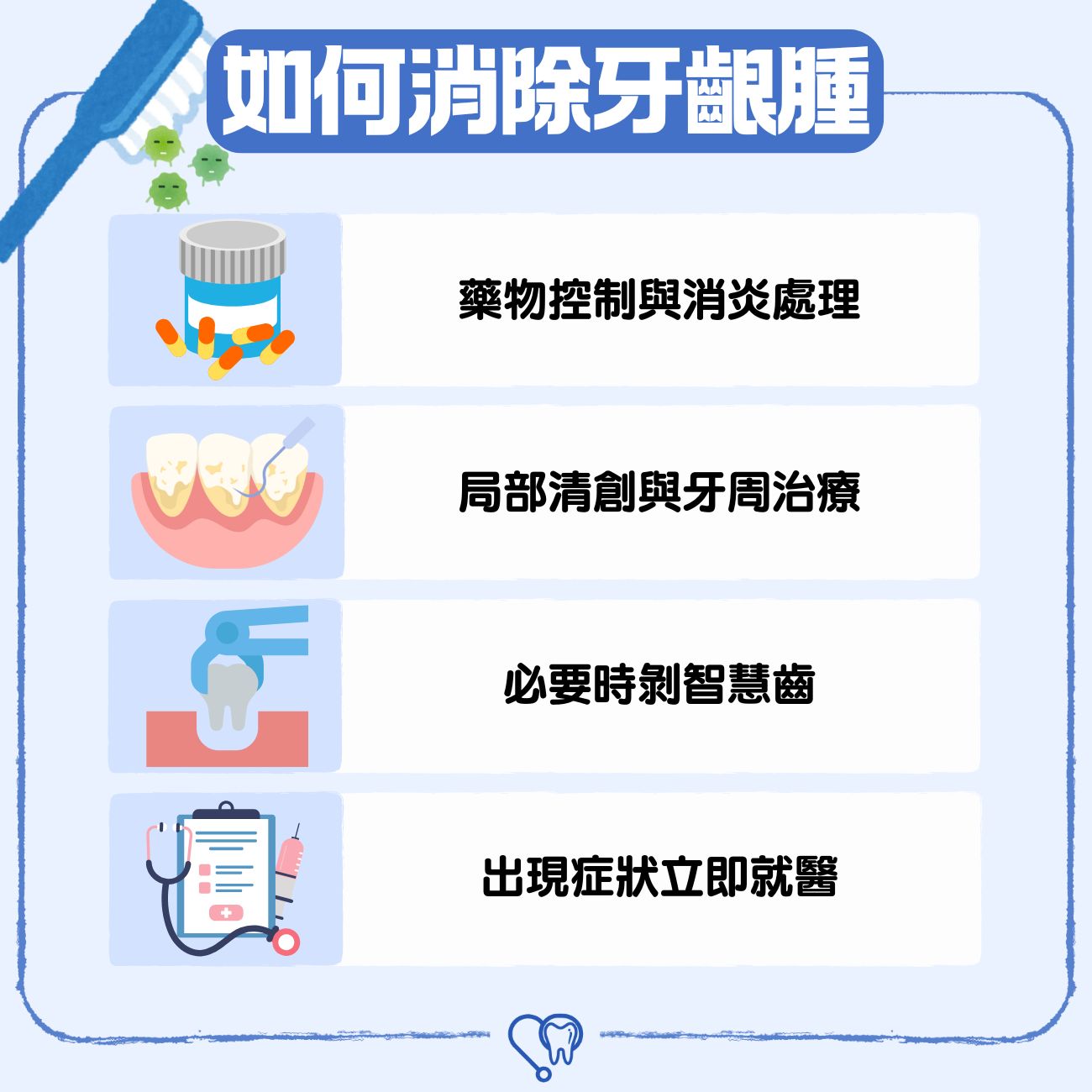
Medication and anti-inflammatory treatment
If the swelling is only slight, you can first rinse with warm salt water to reduce bacterial growth, together with anti-inflammatory or pain-relief medication prescribed by the dentist, to reduce pain and redness. Sometimes the dentist will also recommend using a mouthwash locally to control the infection in the short term.
Local debridement and periodontal treatment
When the swelling of the gums is caused by a build-up of tartar or plaque, the dentist will first carry out professional cleaning to remove the deposits from the tooth surface and periodontal pockets. Sometimes local debridement is also needed to remove the inflamed gum tissue so that it can heal healthily again.
Wisdom tooth extraction where necessary
If the wisdom tooth is in the wrong position and makes the gums swell and hurt repeatedly, removing the wisdom tooth is the fundamental solution. Especially when the wisdom tooth is completely covered by gum or bone and pericoronitis easily develops, extraction can avoid long-term inflammation.
See a doctor straight away if the following symptoms appear
If swollen, painful gums come with fever, facial swelling, difficulty swallowing or limited mouth opening, it means the infection may have spread. In this case it is advisable to see a dentist for treatment immediately, to stop the condition from getting worse and developing into pulpitis, cellulitis and so on.
Preventing gum inflammation matters more, to avoid repeated swelling
To stop the gums from swelling and hurting again and again, daily prevention and care is definitely the key.
Keep the mouth clean, brush correctly and use floss
Brushing morning and night every day is the basic, but the correct brushing technique is also important. When brushing, the bristles should rest at 45 degrees and gently clean the gum margin, together with floss or interdental brushes to clean the gaps between the teeth that a toothbrush cannot reach. Take extra care with the teeth at the very back, and you can also use a gum-care toothpaste to maintain oral hygiene.
Keep the mouth healthy with regular scaling and dental check-ups
Scaling once every six months removes tartar and stubborn plaque and lets the gums return to health. At the same time, the dentist can check for wisdom tooth problems, tooth decay, periodontal disease or other potential oral diseases.
Improve diet and lifestyle habits to boost gum health
Eating fewer foods that are too hard or too sticky can reduce the chance of injuring the gums. A balanced diet with more vitamin C and dietary fibre helps the gums repair.
Avoid staying up late and smoking, as these habits affect immunity and may increase the risk of gum inflammation.
FAQ
Will swollen gums at the very back get better on their own?
Some mild gum swelling may ease after good cleaning, but if the cause is not treated at its root, it can easily flare up again and even become more severe.
How can I reduce gum swelling quickly?
You can rinse with warm salt water, use a cold pack to reduce swelling and keep the mouth clean. However, this is only temporary relief, and for a lasting cure you still need to see a professional dentist to find out the cause.
Are swollen, painful gums caused by excessive internal heat?
Although excessive internal heat may upset the balance of the body's immune system and affect the bacterial balance in the mouth, making the gums more sensitive, most swollen and painful gums are still related to bacterial infection or periodontal problems, and should not simply be treated as excessive internal heat.
What should I eat to get over swollen, painful gums faster?
You can eat more fruit and vegetables rich in vitamin C to help the gums repair, and avoid spicy and fried irritating foods to reduce the burden on the gums.
Summary
Swollen gums at the very back are common, but they may hide problems such as tooth alignment, cleaning habits or periodontal disease. Do not just put up with the pain or wait for the swelling to go down by itself; start from the cause and combine it with professional dental treatment to truly solve the problem. Keeping your mouth well cleaned day to day, having regular check-ups and improving your lifestyle habits are the best ways to keep your gums healthy.
Disclaimer
This article is for information only and does not contain any invitation or solicitation. Patients should seek a professional dentist for diagnosis and treatment according to their own circumstances. To find out more or book a service, we recommend contacting the relevant clinic directly. Please choose suitable dental services and clinics carefully yourself.



