
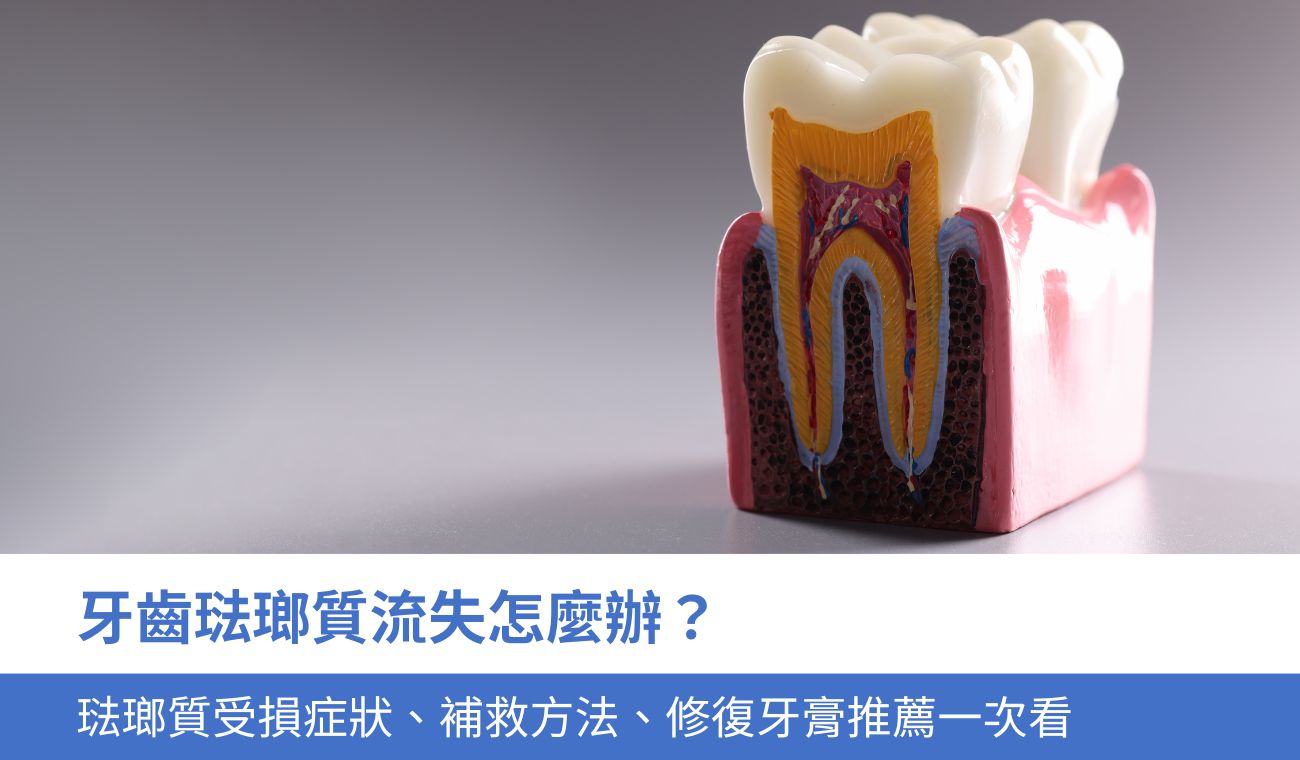
Enamel that has been lost cannot regenerate by itself, but changing eating habits, brushing correctly, using repair toothpaste and professional dental treatment can slow down further damage and strengthen protection.
What is enamel? Why is it so closely related to oral health?
Enamel is the hardest substance in the human body
Enamel, also known as tooth enamel, is mainly made up of a mineral called hydroxyapatite and contains elements such as magnesium, sodium, fluoride and carbonate. It wraps around the outermost layer of the teeth and covers theCrown, like a "shield", protecting the dentine and pulp inside the tooth from external irritation and damage.
It is the hardest substance in the human body, even harder than bone, and is designed to withstand the friction of everyday chewing, the pressure of crushing food, and the test of alternating acid and alkali.
Can damaged enamel regenerate?
Although enamel is very hard, once it is worn away or lost, it cannot repair itself the way skin can.
This is why dentists always stress that prevention is better than cure, because once it is damaged, what can mostly be done is to slow down the damage or repair it artificially. It cannot be made to grow back naturally.
Do you have these symptoms of enamel damage? When should you consult a dentist?
Many people do not realise there is a problem with their enamel until their teeth start to feel "uncomfortable". If any of the following situations apply to you, you should be on the alert:
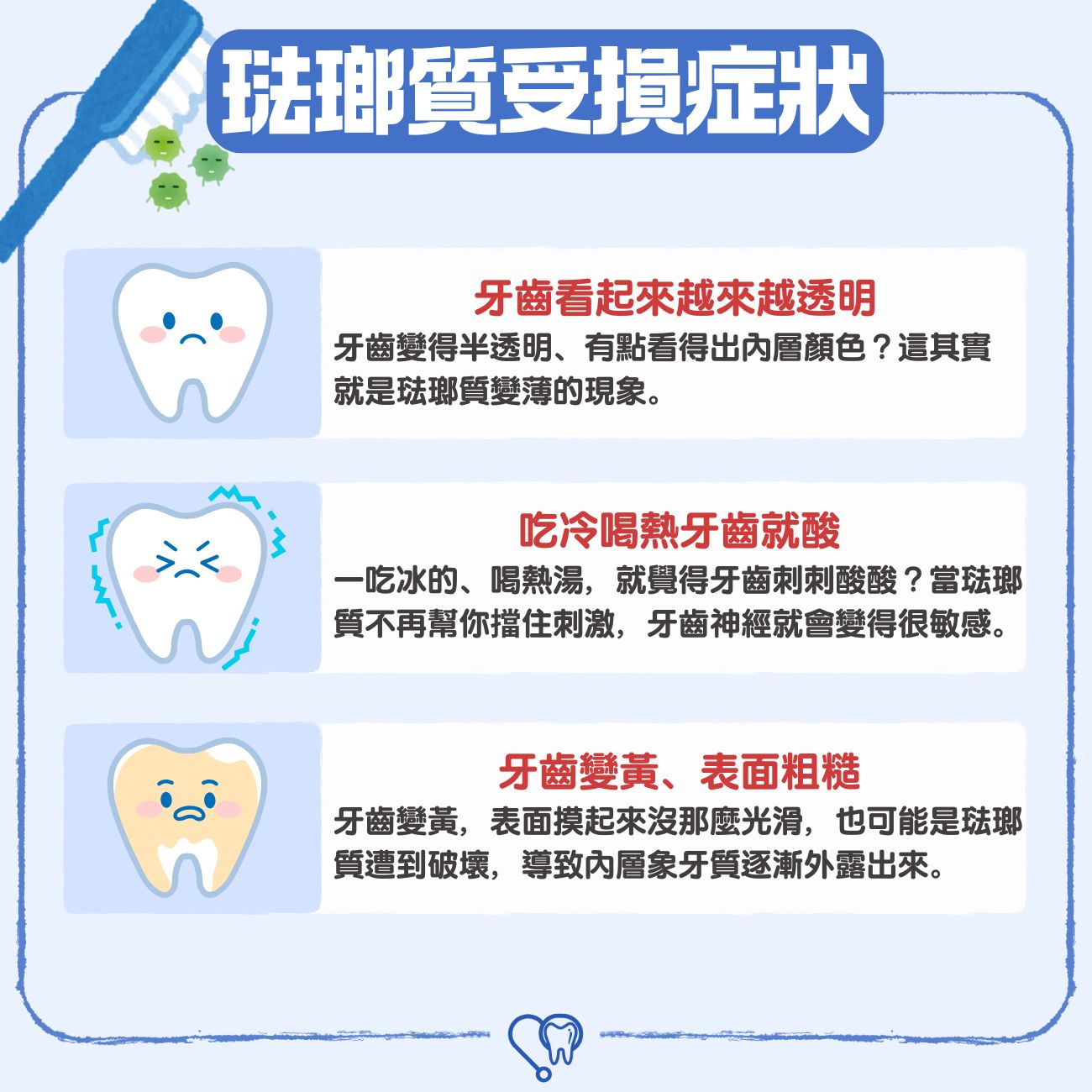
Teeth look increasingly transparent
Have you noticed your teeth becoming semi-transparent, with the colour of the inner layer showing through a little? This is in fact enamel thinning. As the protective layer gets thinner, the teeth start to lose their original milky-white lustre and look like glass.
Teeth ache when eating cold or hot food
Do your teeth feel prickly and sore whenever you eat something icy or drink hot soup? This is also one of the common symptoms. When the enamel no longer shields you from irritation, the nerve of the tooth becomes very sensitive to hot and cold.
Teeth turn yellow and the surface is rough
Another situation is when the teeth look yellow and the surface feels rough and not so smooth to the touch. This may also be because the enamel has been damaged, causing the dentine underneath to be gradually exposed.
If you have all 3 of the symptoms above at the same time and they feel increasingly obvious, you should go for a dental check-up to see whether there really is enamel loss.
Why does tooth enamel erode? 4 common causes
Enamel problems are mostly the result of lifestyle habits building up over a long time. Here are the 4 most common causes:
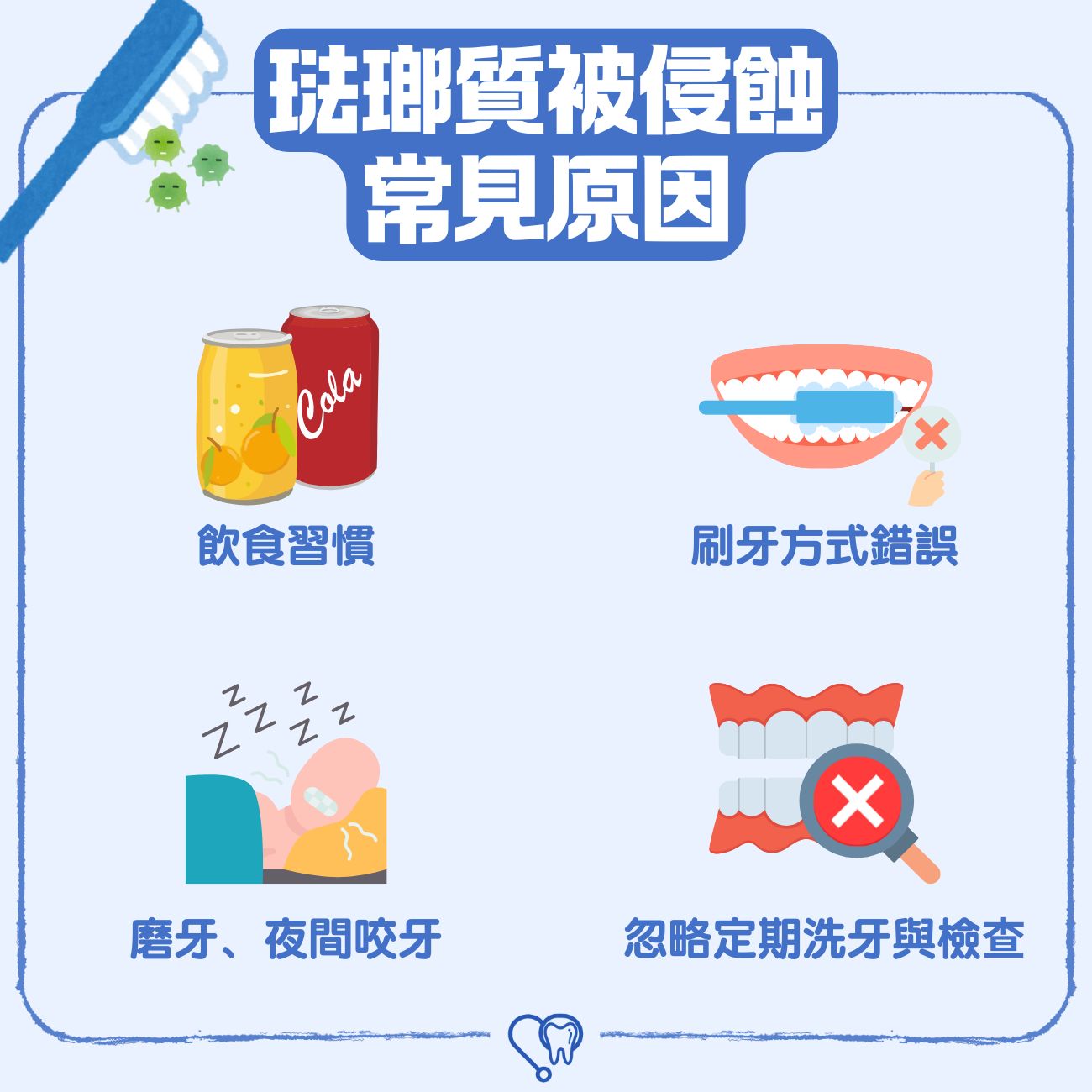
Eating habits: acidic drinks and refined sugars
What we eat every day, especially acidic drinks (such as fizzy drinks, lemonade and alcohol) or high-sugar foods (desserts and bubble tea), lowers the pH value in the mouth and causes acid erosion, which over time erodes the enamel.
incorrect toothbrushing method
If you are used to using a toothbrush that is too hard, brushing too forcefully or brushing across the teeth horizontally, you may also gradually wear the enamel away.
Teeth grinding and clenching at night
Some people clench their teeth unconsciously while sleeping, and this long-term mechanical friction can also wear down the tooth surface.
Neglecting regular scaling and polishing and check-ups
Neglecting oral care can also make things worse. Regular scaling and polishing and check-ups can detect problems early so they can be dealt with. If treatment is delayed too long, the enamel may already have been lost beyond recovery.
What should I do about enamel loss? Common remedies for transparent teeth
Although enamel cannot regenerate naturally, with proper care and the help of a dentist, it is still possible to achieve the two goals of "slowing down loss and strengthening protection".
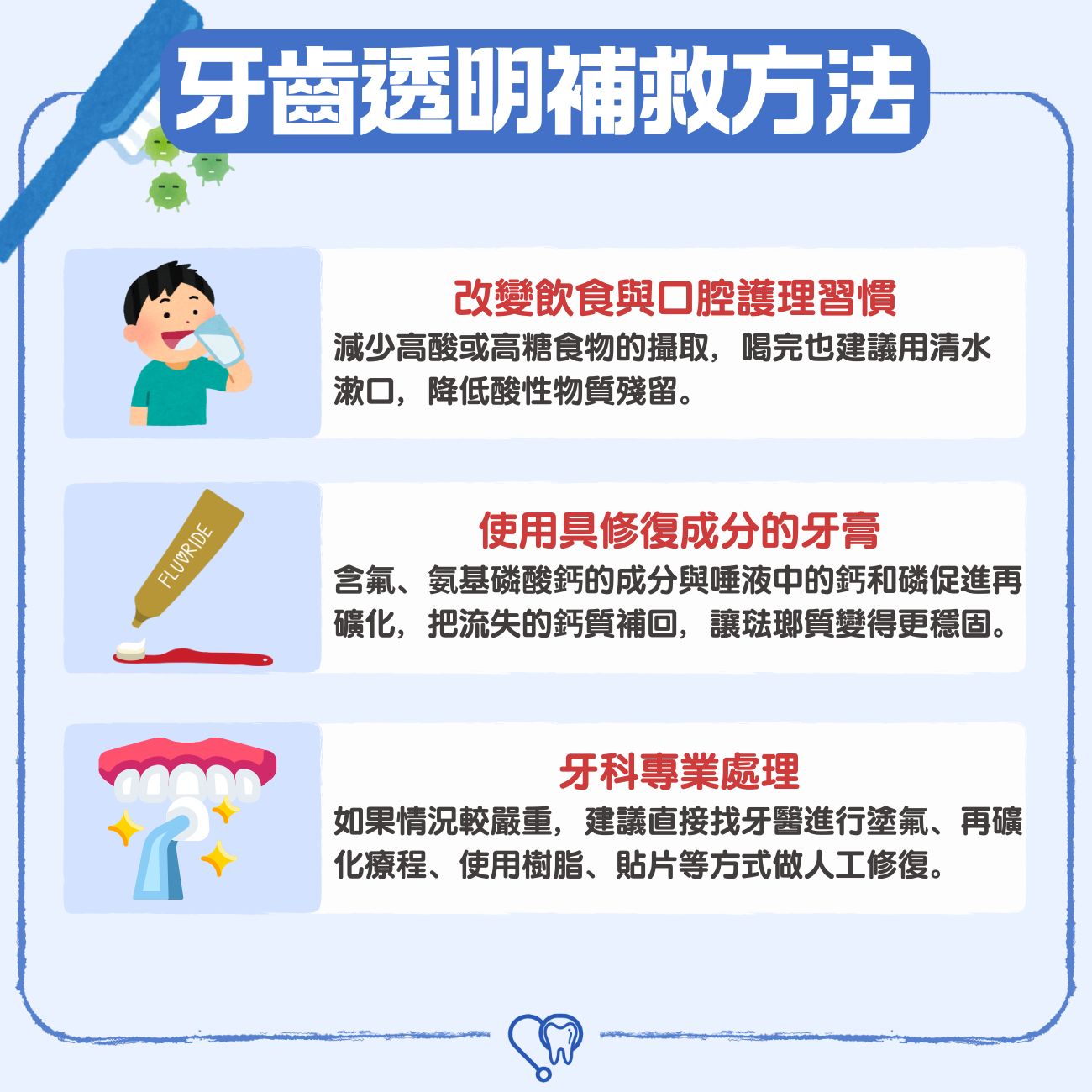
Changing diet and oral care habits
First, adjust your diet and reduce your intake of highly acidic or high-sugar foods. If you really want to drink lemonade or fizzy drinks, you can use a straw to reduce the area of contact with the teeth, and it is also recommended to rinse with plain water afterwards to reduce acidic residue.
Using toothpaste with repair ingredients
Toothpaste is a very important factor in repairing enamel. For example, ingredients such as fluoride and casein phosphopeptide-amorphous calcium phosphate (CPP-ACP) work together with the calcium and phosphorus in saliva to promote "remineralisation", putting the lost calcium back and making the enamel more stable.
Professional dental care: remineralisation treatment
If the situation is more serious, we recommend consulting a dentist directly about professional treatment, such as fluoride application, remineralisation treatment, or even artificial repair using resin or veneers, to help protect the damaged areas and prevent them from getting worse.
Key ingredients in enamel repair toothpaste
When choosing an enamel repair toothpaste, do not look only at the brand or the advertising. The most important thing is the ingredients inside it.
For example, "fluoride" helps remineralisation and strengthens enamel, while "CPP-ACP" is a popular repair ingredient in recent years that can release calcium and phosphate steadily to give the teeth more defence.
How can I protect my enamel and strengthen my teeth?
Correct brushing technique and choosing a toothbrush
The most basic and most important thing is "correct toothbrushing". Choose a soft-bristled toothbrush and avoid brushing too hard. We recommend using the Bass technique (gently brushing the junction of the gums and teeth at an angle). In addition to brushing morning and night, using dental floss is also important.
Avoid brushing straight after acidic food or drink
Avoid brushing straight after eating acidic food, because bacteria then react with the carbohydrates in food debris and form plaque on the tooth surface and in the gingival sulcus, making the tooth surface more fragile. It is safer to rinse with water first and wait 20-30 minutes before brushing.
Use fluoride mouthwash regularly
You can use fluoride mouthwash regularly to strengthen the protection of the enamel. Getting into the habit of scaling and polishing at fixed times and having regular check-ups can also detect problems early and prevent them from getting worse.
FAQ
Can transparent teeth go back to normal?
Once enamel is lost, it cannot grow back. However, with remineralisation treatment and protective measures, the teeth can regain a certain strength and lustre, looking less transparent, and may even visually come close to healthy teeth.
Does brushing wear away enamel?
If your brushing technique is wrong, it really is possible! Brushing too hard, using bristles that are too stiff or brushing horizontally will all gradually wear the enamel away over time. So choosing the right tools and learning the correct technique really matters.
Summary
Enamel is the protective shield of the teeth, and once it is damaged it is hard to restore. If you find your teeth getting more sensitive, transparent or rough, take a good look at your oral care routine, and do not be afraid to seek help from a dentist when necessary. The earlier it is dealt with, the more of your teeth you can keep!
Disclaimer
This article is for information only and does not contain any invitation or solicitation. Patients should seek a professional dentist for diagnosis and treatment according to their own circumstances. To find out more or book a service, we recommend contacting the relevant clinic directly. Please choose suitable dental services and clinics carefully yourself.



