
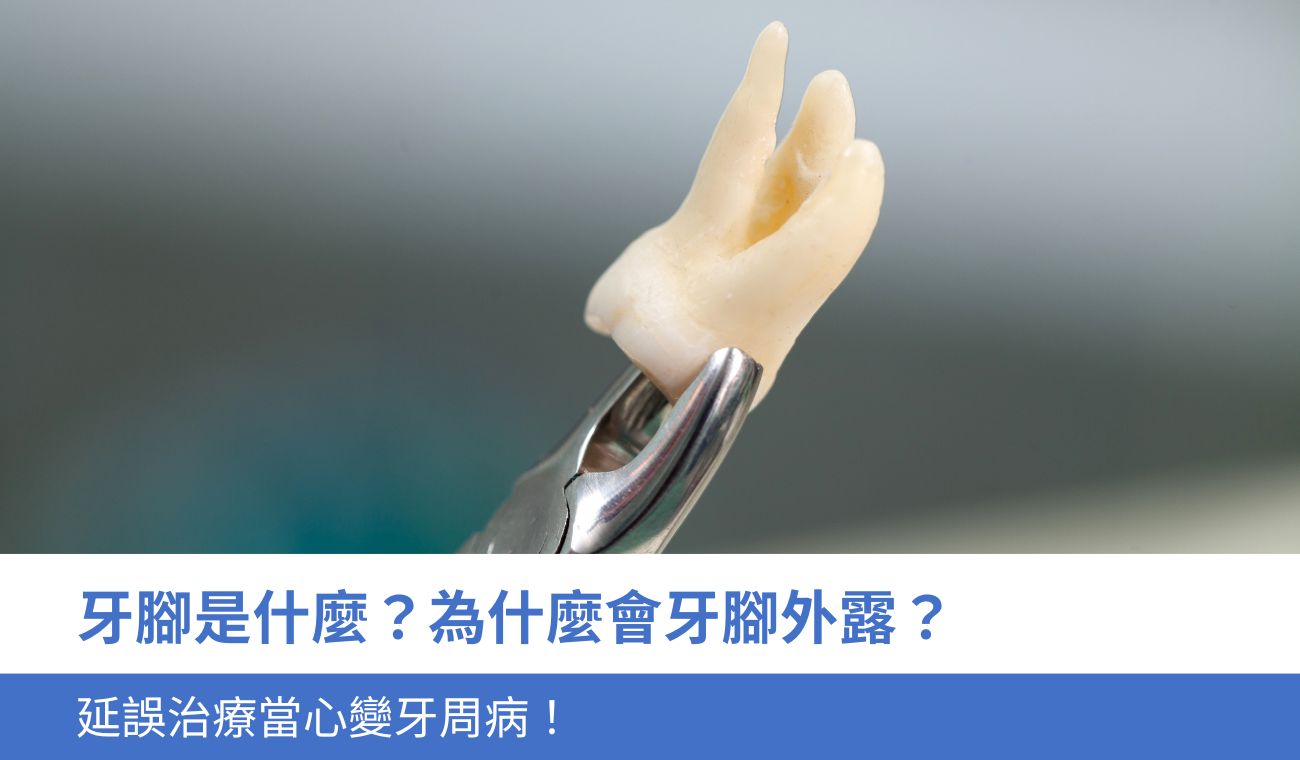
What is the tooth base? Did you know that an exposed tooth base may be a sign of gum recession? This article explains the causes, symptoms and effects of exposed tooth bases. Treat dental problems early, prevent periodontal disease and maintain oral health!
What is the tooth base (tooth root)?
We brush our teeth and eat every day, and our teeth quietly play an important role. But did you know that, besides the part we can see, there is also a "tooth base" below?
Basic structure and function of the tooth base
The tooth base, properly called the tooth root, is the part of the tooth that lies below the gums and is anchored in the alveolar bone. It is mainly made up of dentine, pulp and other tissues. The root is not exposed like the crown, but it is related to tooth stability and chewing function.
The gums that cover the tooth base act like a barrier protecting the root. If gum recession occurs, the tooth base may be exposed and become more vulnerable to outside stimuli, and may even cause pain, sensitivity or looseness.
Why does the tooth base become exposed? The causes include the following
The tooth base is covered by a connective tissue called cementum, but when this protective umbrella goes wrong, the tooth base is exposed and becomes sensitive and prone to problems. So what causes the tooth base to be exposed?
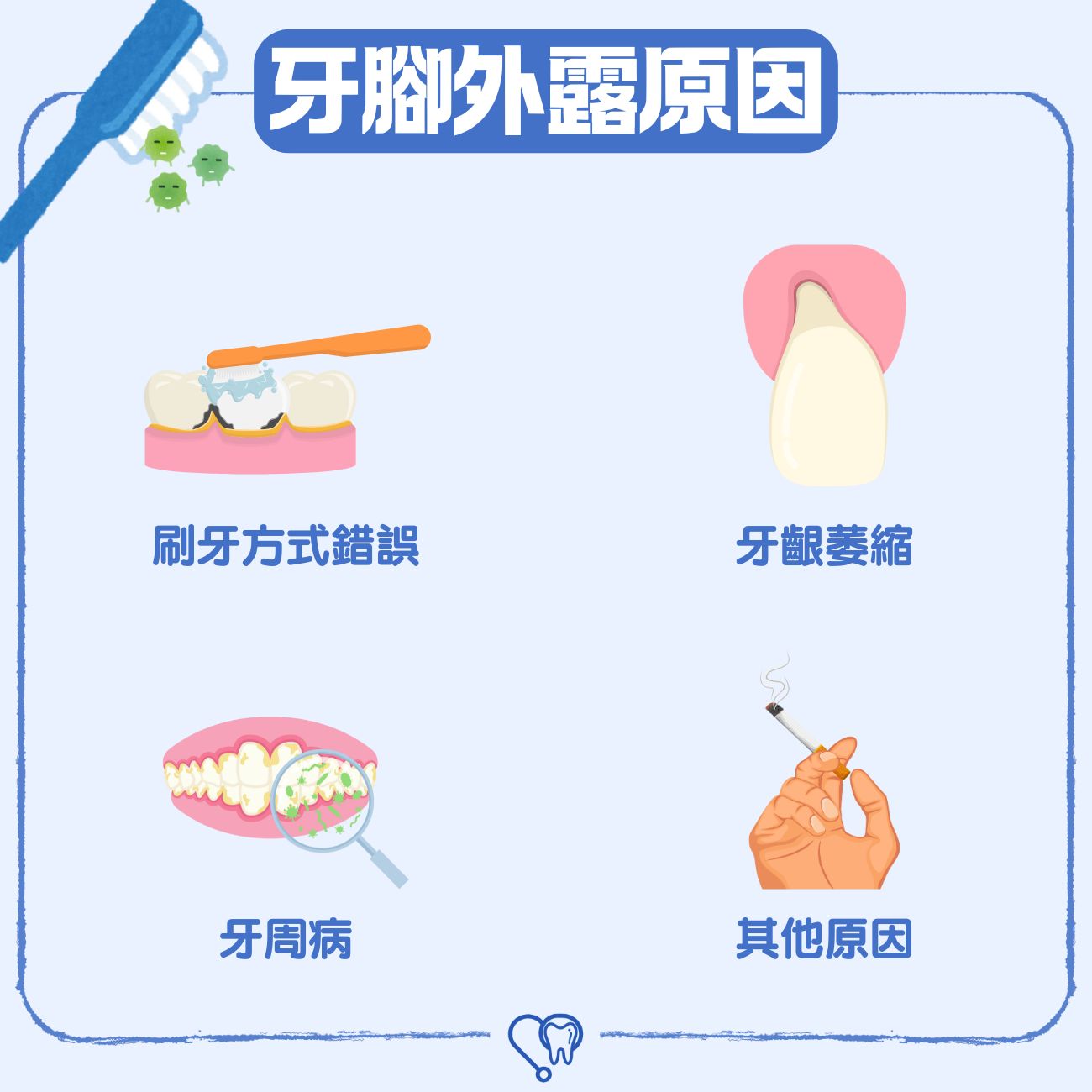
incorrect toothbrushing method
Some people habitually brush hard in a horizontal motion, or choose toothbrushes that are too hard, which over time damages the gum margin and exposes the tooth root.
gum recession
Some people lose gum naturally with age; but more often, it is long-termgum inflammationthat has not been well controlled, leading to gradual loss of tissue.
This kind of inflammation is not necessarily periodontal disease. Often it is early-stage periodontitis, meaning red, swollen gums that bleed easily, with little feeling of toothache, but it is in fact quietly harming gum health.
periodontal disease
Havingperiodontal diseaseis one of the most common and most serious factors. When plaque and tartar build up over a long period, bacteria go deep into the base of the gums, causing continuous damage and affecting the supporting structures around the gums and the dental nerve.
Besides the above, others include smoking,teeth grindingand malocclusion, which may also be causes of an exposed tooth base.
tooth baseexposure: what are the symptoms?
Once the tooth base is exposed, it not only affects appearance but also triggers a series of oral discomforts, and may even be a sign of deeper dental problems. The following are some obvious symptoms:
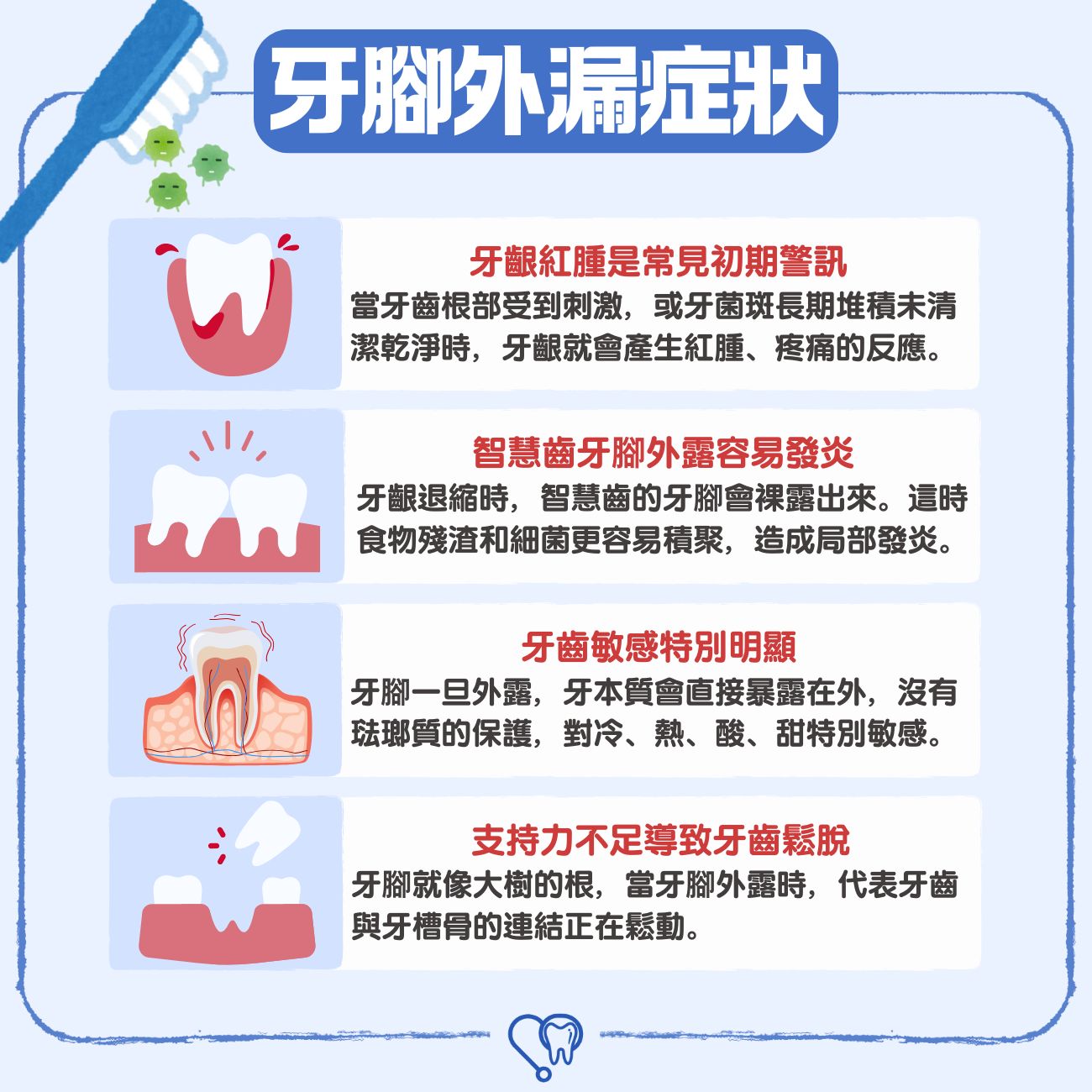
Red and swollen gums are a common early warning sign
The first warning sign of a tooth base problem often comes from the gums. When the tooth root is irritated, or whenplaquehas built up over a long time without being cleaned thoroughly, the gums react with redness, swelling and soreness.
You may find that your gums bleed when you brush, or that the gum margin is swollen, slightly itchy or has a burning sensation. These are all signs of chronic inflammation. If not dealt with quickly, the inflammation may spread from the gums to deep around the tooth root and worsen intoPeriodontal Pocket, and may even form an abscess.
Wisdom tooth baseexposure is prone to inflammation
Wisdom teeth are hard to clean to begin with, and many people overlook this area even when they brush every day.
When the gums recede because of periodontal disease or irregularly aligned teeth, the base of the wisdom tooth is exposed. Food debris and bacteria then collect more easily around it, causing localised inflammation, with redness, pain and even difficulty swallowing. Some people also find they cannot open their mouths fully, or the lower jaw swells.
Tooth sensitivity is especially obvious
The tooth base should be firmly wrapped in the gums. Once exposed, the dentine on the root surface is directly exposed without the protection of enamel, and is especially sensitive to cold, heat, sourness and sweetness.
This kind of sensitivity is not because the tooth has decayed; rather, when you eat hot or cold foods, you feel a jolt of electric-like aching, like being pricked by a needle. More than one area of the teeth may be sensitive, and it is especially obvious when brushing in the early morning or eating in the evening.
Insufficient support causes teeth to become loose
When the tooth root is exposed, it may be related to gum recession, loss of periodontal tissue or insufficient support from the alveolar bone. In the early stage, tooth sensitivity and bite discomfort may appear, and in some cases loose teeth or pain when chewing may also follow.
This kind of situation is commonly seen with periodontal disease, incorrect brushing methods and higher bite pressure. If it continues untreated, the tooth's supporting tissues may be further affected, increasing the risk of loose or lost teeth.
Why does the tooth base become inflamed or turn black? Is it a sign of tooth death?
When the tooth base is exposed for a long time, or cleaning is not thorough, bacteria easily take advantage and cause inflammation of the tooth base. This inflammation not only makes the gums sore and swollen, but may also infect the soft tissue around the tooth base. If tartar builds up around the tooth base, or there is pigment staining or a smoking habit, the tooth base may also turn black.
However, a blackened tooth base does not necessarily mean the tooth has died, but it is certainly a health red flag. It may mean poor blood circulation around the tooth root, or that there is already a sign of pulp death. You should consult a doctor for professional advice and have it checked thoroughly to confirm whether treatment is needed.
How does the dentist deal with tooth base problems?
If you have a tooth base problem, never apply medication yourself or put up with it; seeing a dentist is the right thing to do. Depending on the situation, the following treatments are available:
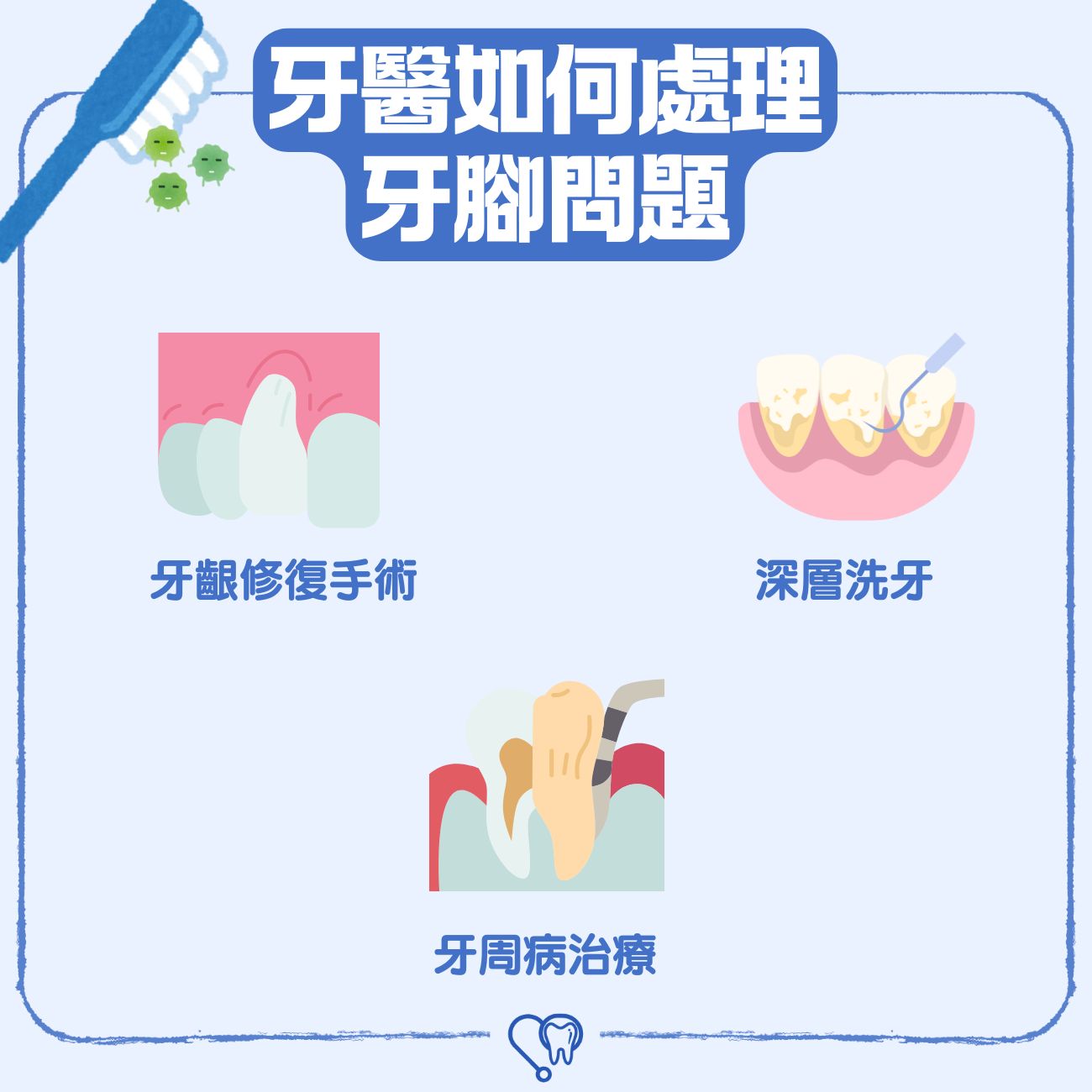
Gum restoration surgery
Gum restoration surgery uses grafting or rebuilding of the gum tissue to cover the tooth base again and restore protection. It is suitable for cases of more severe gum recession.
Deep Cleaning
If the problem comes from tartar build-up or bacterial infection, the dentist may arrange deep cleaning (scaling and root planing) to thoroughly remove the plaque biofilm and tartar attached closely to the gum margin and reduce the source of inflammation.
Periodontal Treatment
If periodontal disease is diagnosed, treatment will be recommended according to the stage of the disease, including medication control and periodontal surgery, to help the gums and tooth roots return to a healthy state.
tooth baseHow can this problem be prevented?
Preventing tooth base problems is actually much easier than treating them, and the key is daily care.
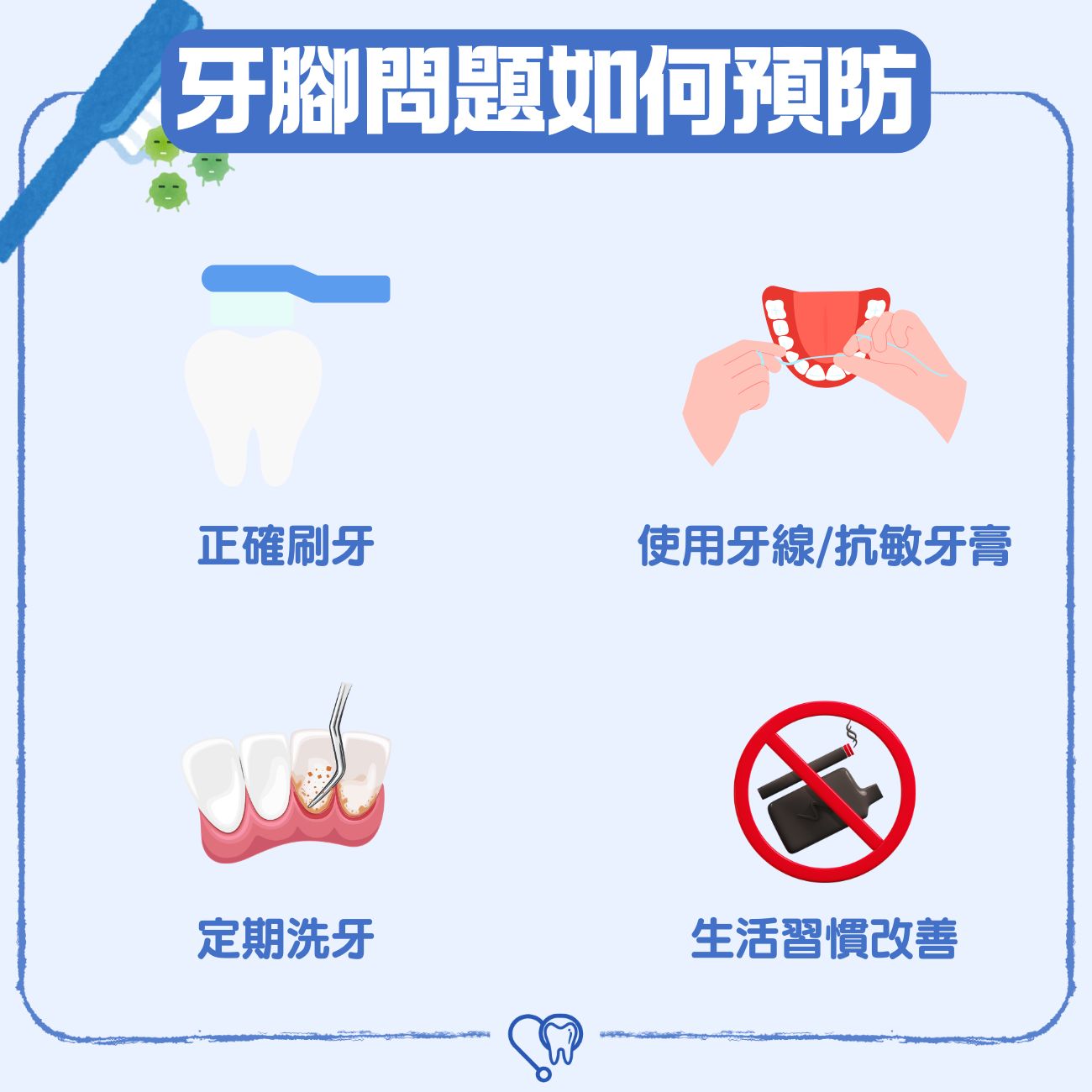
correct toothbrushing
Develop the habit of brushing morning and night. It is recommended to use a soft-bristled toothbrush and gently brush the gum margin at a 45-degree angle, without brushing too hard, and to avoid horizontal scrubbing, so as to protect the gums from receding.
Use dental floss and anti-sensitivity toothpaste
Maintain good oral hygiene and use dental floss to clean plaque biofilm deep in the gaps between teeth. Choosing anti-sensitivity toothpaste is also a useful help, and can reduce the sensitivity symptoms caused by tooth base problems.
regular scaling and polishing
Besides cleaning, regular scaling and polishing is also key. Scaling and polishing once every six months can remove tartar and prevent periodontal disease.
lifestyle improvements
Improving lifestyle habits is also important. Smoking less, avoiding biting hard objects and not staying up late all help keep the mouth healthy, so the tooth base no longer suffers.
Summary
Although the tooth base is not easy to see, it is the foundation that supports the whole tooth. Once it is exposed, inflamed or even blackened, it means the teeth have a health problem. Never ignore dental problems; from now on, learn the correct way to clean, have regular check-ups and deal with problems early, so that your teeth stay firm and healthy.
Disclaimer
This article is for information only and does not contain any invitation or solicitation. Patients should seek a professional dentist for diagnosis and treatment according to their own circumstances. To find out more or book a service, we recommend contacting the relevant clinic directly. Please choose suitable dental services and clinics carefully yourself.



