"Braces face" is mostly caused by diet and shrinking chewing muscles, not directly by the braces. It usually recovers naturally after orthodontic treatment ends, and can be prevented and improved with a balanced diet, facial exercises and nutritional supplements.
With the development of orthodontic technology, more and more people choosebracesto improve a misaligned bite, but during orthodontic treatment some people face the problem of "braces face", a change in face shape that affects appearance and confidence. This article takes you through the causes of "braces face", ways to prevent it and ways to improve it, so you can say no to "braces face" together!
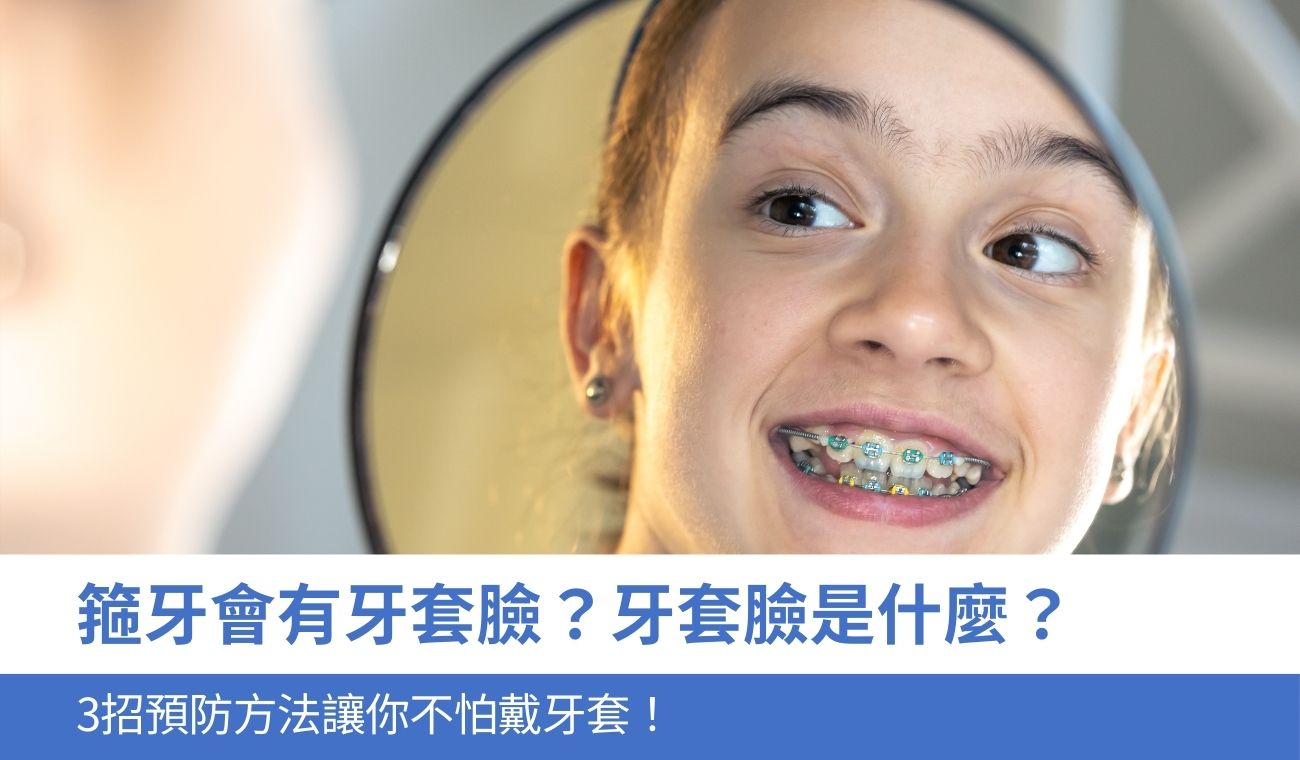
"Braces face"What is it? Will I definitely get "braces face" after having braces?
"Braces face" is usually not directly related to orthodontic treatment! It is more because eating habits change during treatment, you usually eat less food and lose weight. Below, let us first look in detail at what "braces face" is.
What is "braces face"?
"Braces face" is actually not a formal medical term, but a term used in recent years to describe changes in face shape caused by changes in biting habits during orthodontic treatment, such as the cheekbones becoming more prominent and the cheeks possibly becoming hollow, making the overall face look thinner and gaunt.
Face shape before and after bracescomparison
Because the chewing muscles are used less, prominent cheekbones may become more noticeable. With long-term changes in diet and muscle wasting, the cheeks may become hollow, making the face look thinner and losing its original fullness. Finally, because of age and loose skin, the nasolabial folds may deepen as a result. This is the process of what we call "braces face".
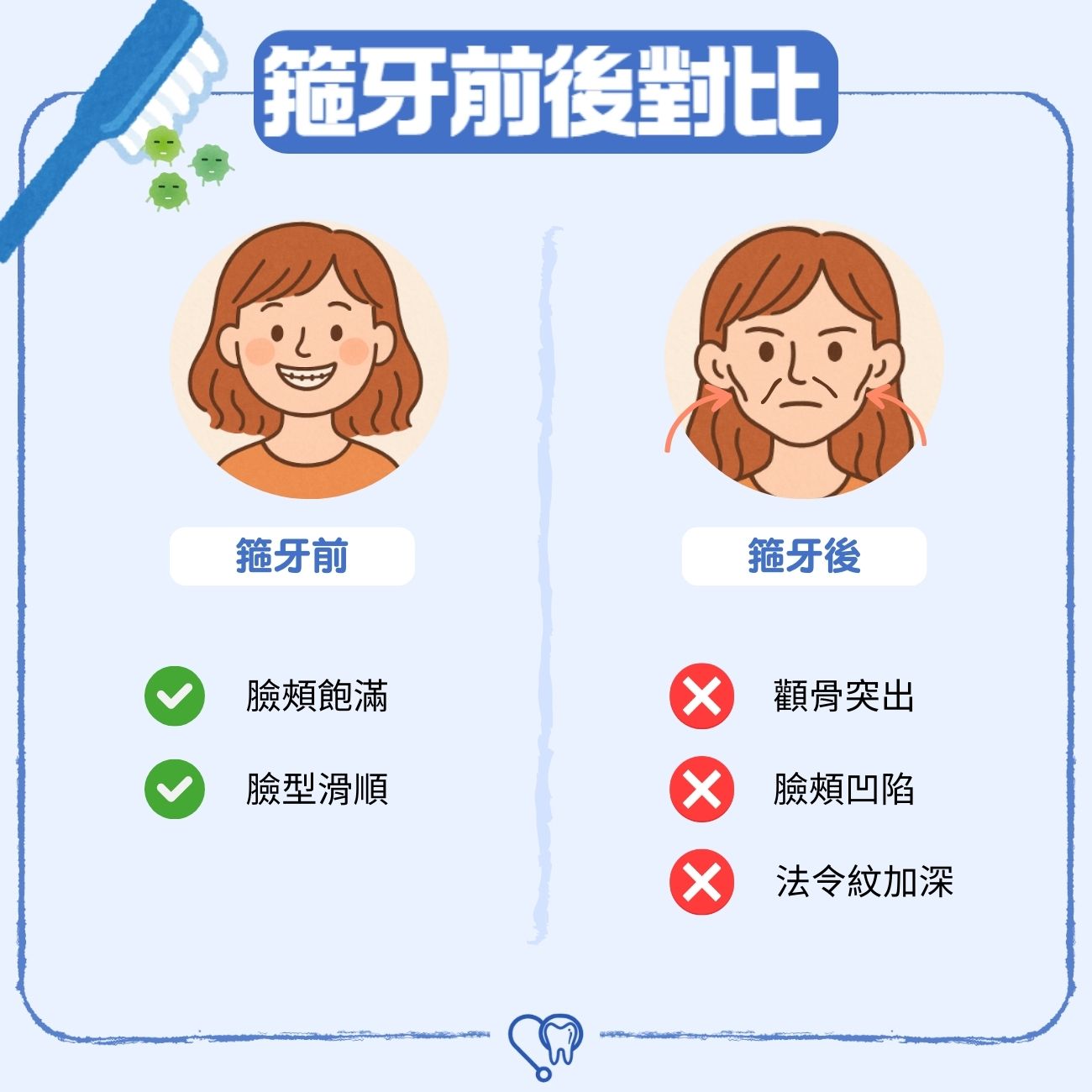
3 common facial hollowing features during orthodontic treatment
Hollow cheeks
During orthodontic treatment, changes in eating habits may reduce the use of the chewing muscles, leading to wasting of the facial muscles, which in turn makes the cheeks look more hollow and lose their original fullness.
Prominent cheekbones
With loss of facial fat and weakening of the muscles, the cheekbones may become more noticeable, making the facial contour look unbalanced or more prominent.
Deeper nasolabial folds
Because ageing makes the skin looser and collagen is lost, along with other metabolic problems, the nasolabial folds may become more noticeable, letting the traces of the years show on the face.
Why does "braces face" happen? 4 causes to watch out for!
Since braces do not necessarily lead to "braces face", how can we prevent it? You may wish to start by understanding the causes.
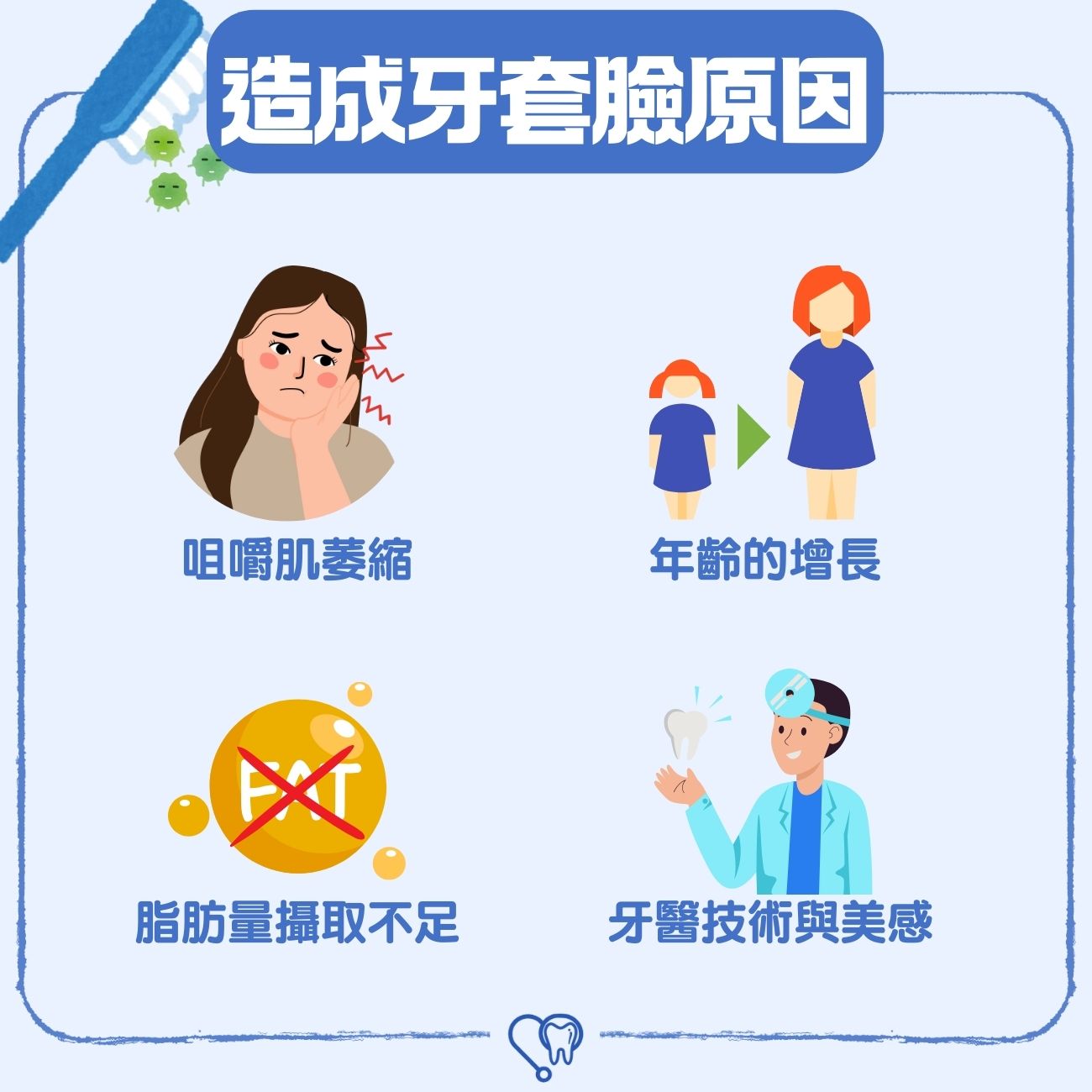
Wasting of the chewing muscles
While wearing braces, you need to avoid chewing hard foods so as not to damage them, so many people mainly eat softer foods during treatment. However, this change in diet means the chewing muscles are used less, which can lead to muscle shrinkage.
As time passes, the weakening of the chewing muscles changes the facial contour, such as prominent cheekbones and hollow cheeks, and may even affect skin elasticity, making the face shape squarer or looser.
Ageing
With age, the loss of collagen and fat gradually affects skin elasticity. Especially after the age of 25, the skin's firmness gradually declines, and during orthodontic treatment this natural ageing process may speed up, making the facial changes more noticeable.
Insufficient fat intake
In the early stage of orthodontic treatment, the teeth may feel sore and weak after the wire is changed or adjusted, which is especially noticeable when chewing!
This may therefore reduce appetite. Many people choose to eat less, which affects weight and the loss of facial fat, making the face thinner and the cheekbones more prominent, further strengthening the features of "braces face".
The dentist's skill and aesthetic sense
Throughout orthodontic treatment, the dentist's aesthetic sense and skill are very important! Before treatment starts, the dentist needs to analyse the alignment of the teeth, observe the patient's face shape and the proportions of the facial features, and design a customised treatment plan.
"Braces face"Can it recover?
Yes! "Braces face" is usually temporary, because braces do not directly affect the bones, so any change in facial contour is only short-term.
After treatment ends, as the muscles recover, the facial contour will naturally improve and can return to its state before orthodontic treatment. If needed, rehabilitation or aesthetic medicine can also be used to speed up the adjustment.
How can you prevent "braces face" while wearing braces?
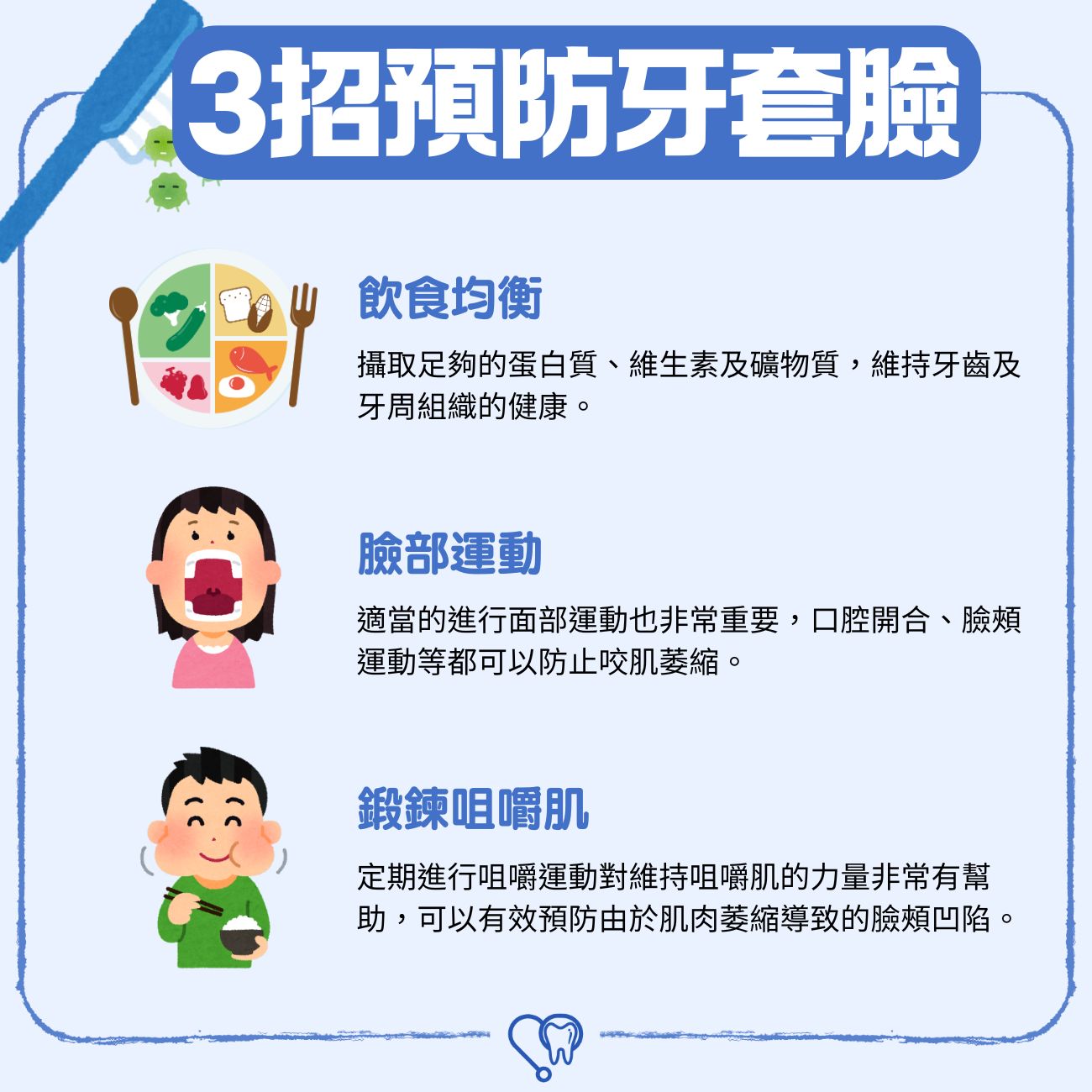
Balanced diet
Maintaining a balanced diet is something many people overlook! Getting enough protein, vitamins and minerals not only helps maintain muscle and skin elasticity, but also keeps the teeth and periodontal tissue healthy.
Facial exercises
Doing suitable facial exercises is also very important. Build up the strength of the masseter muscles more, to prevent them from wasting. Simple facial exercises include the following:
- Mouth opening and closing: open the mouth slowly, as if yawning, then close it slowly.
- Facial exercise: pull the corners of the mouth out to both sides as if making a long "ee" sound, then open the mouth as wide as possible.
- Cheek exercise: use air to puff out the cheeks alternately left and right, as if you were rinsing your mouth.
Chewing muscle training
Doing chewing exercises regularly is very helpful for maintaining the strength of the chewing muscles, and can effectively prevent hollow cheeks caused by muscle wasting.
We recommend chewingsugar-free chewing gum, or foods that need more chewing, such as carrots or apples, which not only supply the nutrients needed but also exercise the chewing muscles and improve the firmness of the facial muscles.
What if "braces face" has already appeared? 3 ways to improve face shape
Facial massage
Facial massage helps promote blood circulation and relax tense facial muscles. It not only helps reduce facial puffiness but also stimulates skin elasticity, making the face firmer and giving the impression that the face has become smaller and slimmer.
Nutritional supplements
Getting enough nutrients, especially foods rich in collagen and Vitamin C and E, helps strengthen skin elasticity and supports the health of the muscles and skin, improving "braces face" while making you look better.
Wear a retainer
Wearing a retainer after orthodontic treatment is very important! It not only keeps the teeth neatly aligned but also helps stabilise the jaw structure and prevent changes in face shape after treatment.
FAQ
How long does "braces face" take to recover?
Recovery time varies from person to person, and usually falls within 3-6 months after orthodontic treatment. As normal chewing habits return, the face shape gradually becomes full again.
Can braces change the shape of your face?
Not necessarily, and usually it does not. However, tooth extraction may be needed during orthodontic treatment, which will have some effect on face shape, and people whose teeth were originally uneven may also find their face shape changes because the tooth alignment improves.
The width of the jaw is determined by the bone structure, while braces mainly adjust tooth alignment and the bite.
Summary
Orthodontic treatment may cause changes in facial contour, but these are usually short-term. Once treatment ends and normal eating and chewing habits return, the face gradually returns to its usual shape, so there is no need to be afraid of wearing braces.
If "braces face" has already appeared, facial massage, nutritional supplements and wearing a retainer help improve the contour. Also follow up on orthodontic progress regularly and follow the dentist's instructions, to achieve the best results.
Disclaimer
This article is for information only and does not contain any invitation or solicitation. Patients should seek a professional dentist for diagnosis and treatment according to their own circumstances. To find out more or book a service, we recommend contacting the relevant clinic directly. Please choose suitable dental services and clinics carefully yourself.