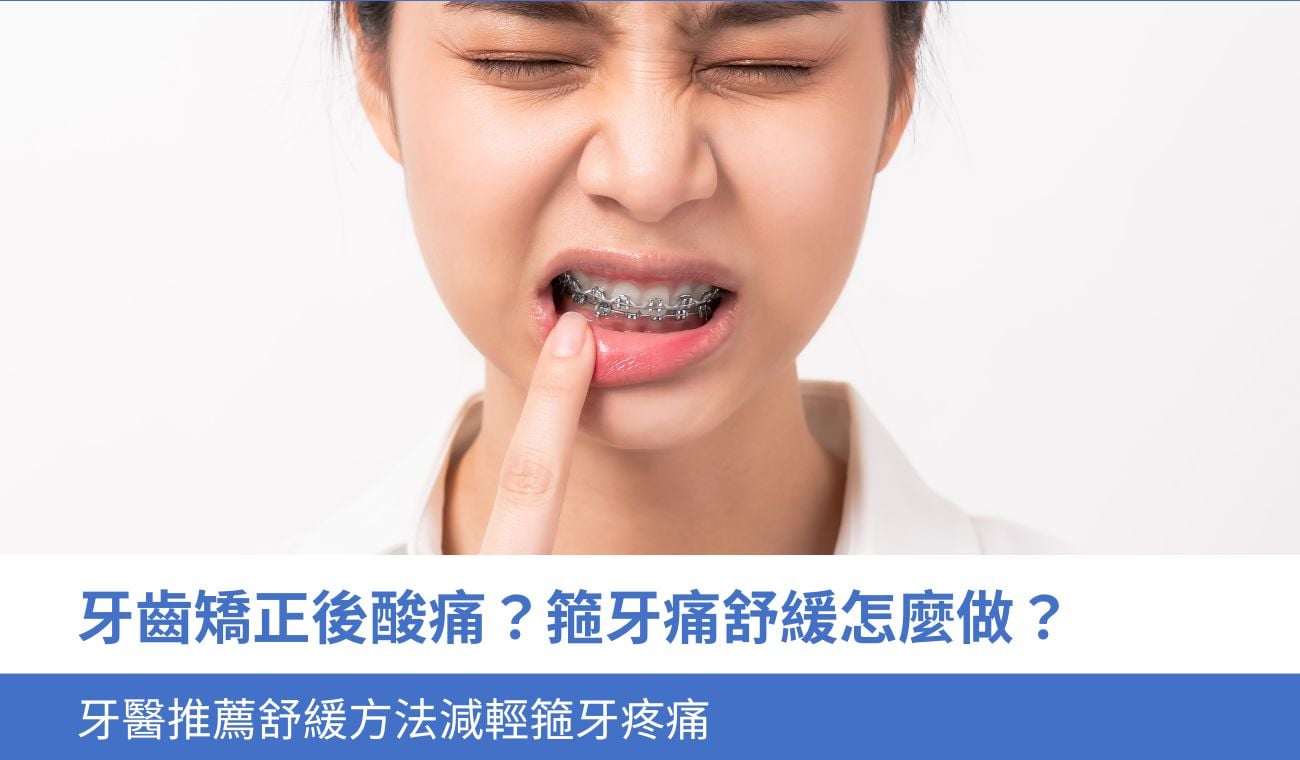
Soreness at the start of braces treatment and after each adjustment is a normal reaction, and can be effectively eased with cold compresses, painkillers, orthodontic wax, a soft diet and more thorough cleaning.
Key Points
- Soreness in the early stage of braces and after adjustments is a normal physiological reaction
- Mouth ulcers, gum inflammation and tooth sensitivity are common sources of pain
- Cold compresses, painkillers and orthodontic wax can effectively reduce discomfort
- A soft diet and good cleaning can reduce irritation and inflammation
- Pain lasting more than a week or getting worse needs a prompt follow-up check
Do braces hurt? Do some people's braces hurt so much they can't sleep?
Many patients ask the same questions when they first get braces: "Will braces hurt? How long will it hurt?" Knowing which pain is "normal" can help you face the initial discomfort with more peace of mind.
- First time wearing braces: as the teeth start to be pulled by the corrective force, you may feel an aching, tight sensation or mild pain, which usually eases gradually within 3 to 5 days.
- Sore, weak teeth with braces: when the teeth are pushed to move, the periodontal ligament responds to the pressure, so the teeth feel sore and weak and it is hard to bite down. This is especially noticeable in the few days just after an adjustment.
- Each brace adjustment: during an adjustment visit the teeth are stimulated by new force, so it is normal to feel sore within 48 hours.
- Tooth sensitivity: during orthodontic treatment, pressure on the gums or a change in tooth position can briefly expose the dentine, making the teeth more sensitive to cold and hot food.
What to Do About Tooth Pain with Braces? 6 ways to relieve braces pain
Sore teeth are one of the most common situations during orthodontic treatment, and most of the discomfort can be relieved in simple ways. Below are the relief methods dentists often recommend to help ease the annoying pain.

Use ice packs to relieve sore, tight teeth
Sore teeth are a normal part of having braces and there is no need to panic. To relieve the soreness, wrap an ice pack or ice cubes in a towel and place it on the outside of the cheek, about 15 to 20 minutes each time, 2 to 3 times a day.
Cold compresses help reduce local inflammation and nerve sensitivity, and are especially helpful for early aching or pain after an adjustment. But remember not to apply ice for too long or directly on the skin, to avoid frostbite.
Take painkillers as directed
Over-the-counter painkillers such as Paracetamol or Ibuprofen can help relieve pain at the start of treatment or after an adjustment, but it is best not to take them on your own; ask your dentist first to prescribe a suitable medication and dose.
Using Orthodontic Wax to Prevent and Heal Ulcers
Orthodontic wax is a soft, wax-like material designed for orthodontic patients. It is applied to orthodontic appliances (such as metal brackets or wires) to stop them rubbing directly against the inside of the mouth.
When a bracket or wire is scratching your mouth, soften some wax and press it onto the sharp spot to reduce friction and irritation immediately, giving ulcers a chance to heal faster. Orthodontic wax needs to be changed daily, and keep your mouth clean to prevent bacteria from growing.
Choose a soft, low-irritation diet
During orthodontic treatment it is advisable to avoid biting hard or sticky foods such as cheese, chewing gum or mochi, as these can put extra pressure on teeth that are moving and may even make brackets come off or cause gum inflammation. Also avoid spicy, very sour or very hot foods, so as not to aggravate the discomfort in ulcers or sensitive areas.
It is recommended to choose gentle, easy-to-chew meals such as steamed egg, congee, tofu and soup, which help you keep a balanced diet while easing the pain.
Good oral cleaning and care habits
Please clean your mouth thoroughly after every meal. You can brush with a small-headed soft-bristle toothbrush, together with floss, interdental brushes and fluoride antibacterial mouthwash, to reach deeper and remove plaque and food debris between the teeth more effectively.
It is advisable to use a toothpaste designed for sensitive teeth, which can reduce irritation and ease tooth sensitivity, keep the overall oral condition more stable, lower the risk of inflammation and make orthodontic treatment go more smoothly.
Use a night guard if you have pain when sleeping
If your teeth often feel sore at night when you sleep, or you have a habit of grinding your teeth, it is advisable to ask your dentist whether a night guard is suitable for you.
This type of mouthguard is usually made of clear or soft material and helps reduce the pressure on teeth from grinding or involuntary clenching. It can be custom-made to the shape of your mouth to cushion biting force, protect the teeth and braces, and reduce soreness on waking.
How can I reduce the chance of braces pain?
Diet and cleaning habits that reduce soreness
Eating fewer sweets and acidic drinks, and getting more calcium and vitamins, helps keep teeth healthy and repair the lining of the mouth, which indirectly reduces orthodontic discomfort.
Poor eating habits combined with inadequate cleaning easily lead to a build-up of plaque, increasing tooth decay, gum inflammation and even bad breath and other dental problems. In serious cases it may cause pulp infection and even require extraction.
Choose another type of orthodontic treatment (clear aligners)
Choosing transparent aligners such as clear aligners causes less friction and spreads the force more evenly; if you are sensitive to traditional braces, you can also discuss with your dentist whether switching is suitable.
Tell your dentist about any discomfort
There is no need to put up with discomfort. If you have any pain, scratches, ulcers or other problems, please tell your dentist, who will adjust the appliance or prescribe medication according to the situation so that you can complete the treatment more comfortably.
FAQ
How painful is getting braces? How long does it last?
Pain tolerance differs from person to person, but in general the most noticeable pain occurs in the 1 to 3 days after the braces are first fitted or after each adjustment, and most people feel better within a week.
Is it normal for it to hurt every time I change aligners?
Feeling pain every time you change to a new aligner is a perfectly normal orthodontic reaction, as the change in force on the teeth brings temporary pressure. As long as it is not continuous severe pain, it is usually within the normal range.
Is it better to use heat or cold for braces pain?
Cold is better in the early stage. Once you reach the healing stage and there is no obvious swelling, you can use a hot towel to promote blood circulation.
What if my child is afraid to eat with braces?
This is quite common. Switch to softer foods for the time being, such as congee, tofu and noodle soup, and use orthodontic wax to avoid scratches. If your child still feels uncomfortable, bring them to the dental clinic for professional advice and a check and adjustment.
Further reading:A complete guide to braces in Hong Kong: when orthodontic treatment is suitable, process, prices and a guide to the 4 major types of braces
Summary
Pain from braces cannot be avoided completely, but it is often only part of the orthodontic process. With the right care and close cooperation with the dental team, most cases can be relieved. If you feel any discomfort, remember to ask the dentist for help so that you can show your confident smile in the future.
Disclaimer
This article is for information only and does not contain any invitation or solicitation. Patients should seek a professional dentist for diagnosis and treatment according to their own circumstances. To find out more or book a service, we recommend contacting the relevant clinic directly. Please choose suitable dental services and clinics carefully yourself.