
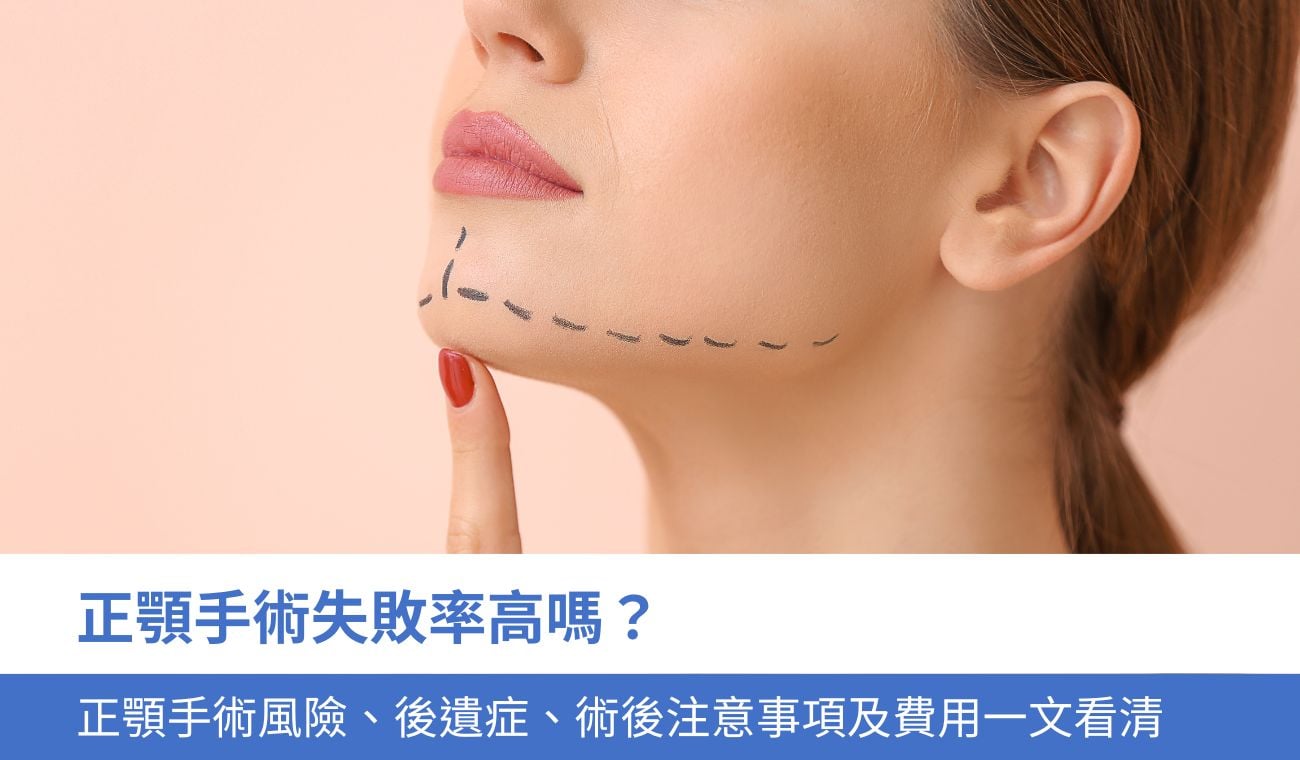
The failure rate of orthognathic surgery is about 5–10%. Common risks include a poor bite, infection, numbness of the nerves and facial asymmetry. Choosing a professional medical team and taking good care after surgery can reduce the risks effectively.
Worried about orthognathic surgery failing? Is the failure rate high?
orthognathic surgeryIt is a surgical procedure that adjusts the position of the upper and lower jaw bones. During the operation, the jaw bones are cut, moved and repositioned according to the patient's bone structure, and then fixed with titanium plates or mini-screws, so that the face shape and bite are brought back into harmony.
According to research statistics, the failure rate of orthognathic surgery is about 5–10%. Cases involving double-jaw surgery (for example treating the upper and lower jaws at the same time) or severe craniofacial deformities are more difficult, and the failure rate rises slightly.
What are the risks of orthognathic surgery?
Although orthognathic surgery is an established medical technique, it is still major bone surgery, so there are certain risks.
Common risks include an unsatisfactory bite after surgery, wound infection, poor bone healing or nerve injury. Some people are affected psychologically after surgery, especially patients with overly high expectations of their appearance.
What situations can easily lead to surgical failure?
Surgical failure is often the result of several factors combined. For example, insufficient communication between the doctor and the patient before surgery, inadequate aftercare, poor patient cooperation, or even poor bone healing itself can all affect the result.
Orthognathic surgery failurecases
Most orthognathic surgery can improve the bite, face shape and related functions. According to the literature, the proportion of stable bone and patient satisfaction more than one year after surgery is as high as about 80%.
However, some patients may still have an unstable bite, relapse or need a second correction; in a few cases there may also be long-term altered sensation, facial asymmetry, or problems affecting speech and swallowing.
Although these cases are not the norm, they do exist. The success rate, relapse rate and risk of complications should therefore be fully assessed before surgery, and aftercare and follow-up should be carried out as the doctor advises after surgery.
How can I avoid failure of orthognathic surgery? Getting preparation and aftercare right

choose your medical team carefully
An oral and maxillofacial specialist who is familiar with bone structure and plans surgery carefully, together with a cooperative orthodontist, is the key to successful orthognathic surgery.
Care after surgery
The first week after surgery is the critical recovery period. At first you can only eat liquid or semi-liquid food, chew as little as possible and keep the mouth clean to prevent infection. Sleeping position, ice packs to reduce swelling and medication should not be neglected either, and some hospitals also arrange regular X-rays to follow how the bone is healing.
Points to note during recovery
The full recovery period of orthognathic surgery can last half a year to a year, during which patients need to attend regular follow-up visits, undergo physiotherapy and even speech training. If there is abnormal pain, swelling or a shifted bite, you should return for follow-up immediately to prevent it from developing into complications.
Follow-up orthodontic
Surgery only adjusts the bone structure; the position of the teeth still has to be fine-tuned with follow-up orthodontic treatment (traditional/clear braces). Without braces, the bite may not be stable after surgery, which also affects face shape and function.
What are the complications of orthognathic surgery? From physical to psychological
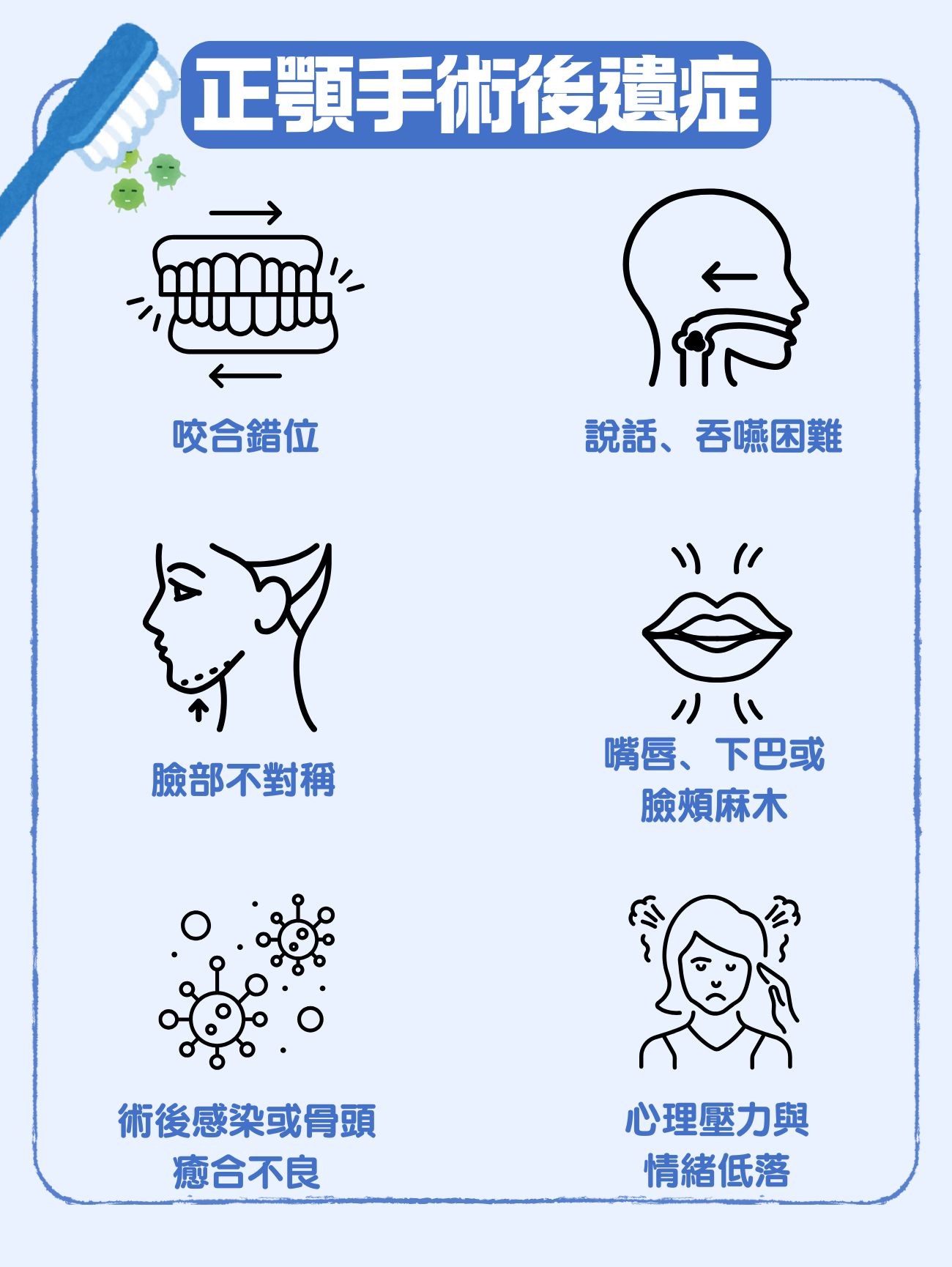
Misaligned bite
An asymmetrical or unstable bite after surgery is one of the common problems. The cause may be an error in the repositioning angle of the bone, a shift during healing, or the alignment of the teeth themselves. If it is not corrected in time, the bite discrepancy may worsen and even cause temporomandibular joint pain.
Difficulty speaking and swallowing
Some people have unclear speech or difficulty swallowing for a short time after surgery, because the relationship between muscles, nerves and bone has changed. Most people gradually improve within a few weeks, but some need speech therapy to help.
Facial asymmetry
If the assessment is not accurate or the bone shifts during healing, the face shape may also become unbalanced. Sometimes it is only a slight difference, and sometimes it needs to be handled with further orthodontic treatment or minor cosmetic correction.
Numbness of the lips, chin or cheeks
This is the most common nerve complication, especially when the inferior alveolar nerve is injured, leaving the lower lip slightly dull. Most people gradually recover sensation within 1 to 3 months after surgery, but a small number may have persistent numbness, which can even become permanent and affect quality of life.
Infection after surgery or poor bone healing
Infection may occur at the surgical site, especially when oral hygiene is poor; poor bone healing is related to a person's constitution, surgical technique or aftercare. Both can delay recovery and may even require another operation.
Psychological stress and low mood
After surgery it is not only the body that needs to recover; psychological adjustment is also important. Some people feel anxious or low because of changes in appearance or difficulties during recovery, and at such times family support and counselling are especially important.
Why do some people feel regret after surgery? Analysis of 4 main reasons for regret after orthognathic surgery
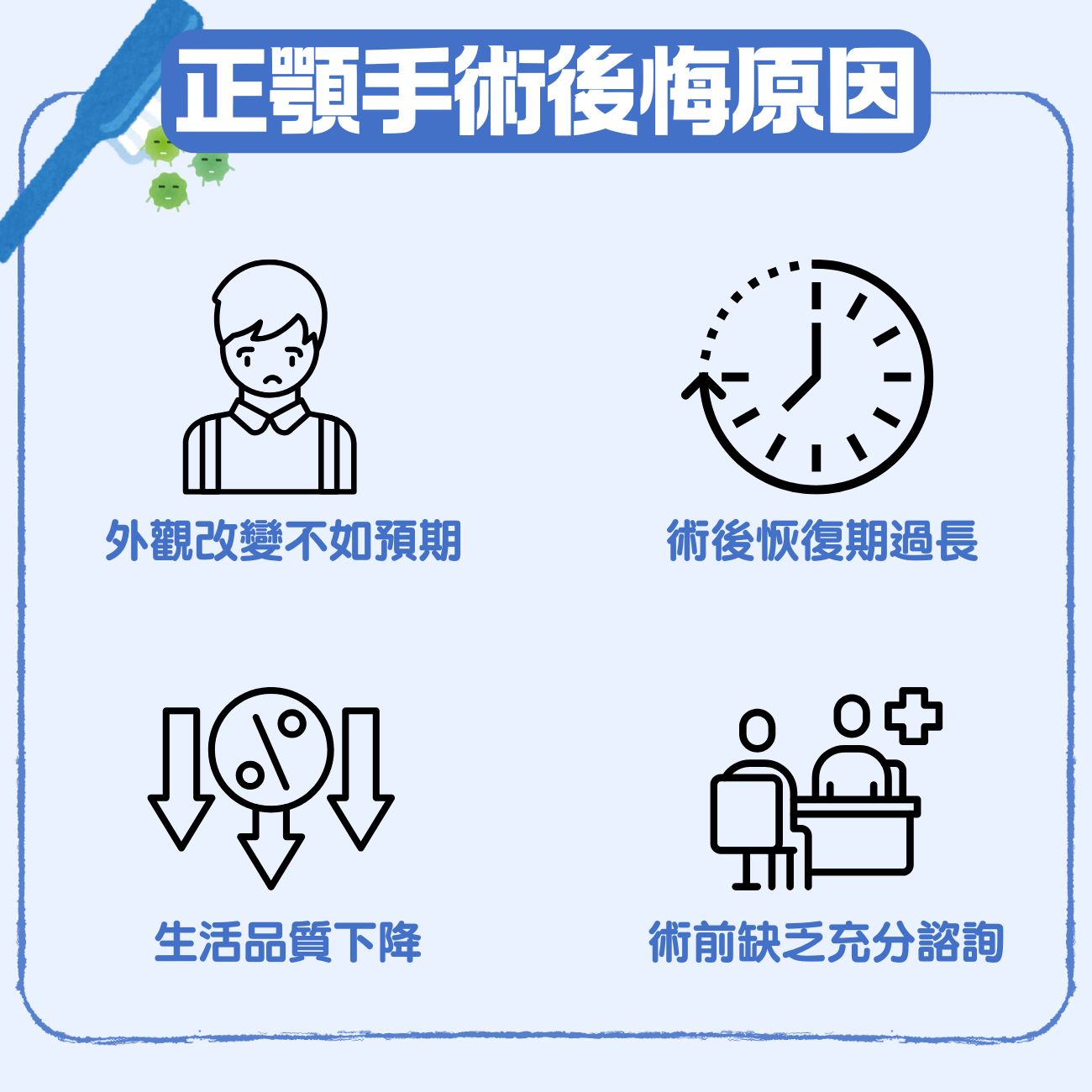
Appearance changes not as expected
Many people think the surgery will make them look better, but the essence of orthognathic surgery is "mainly to improve function", and appearance is only an incidental adjustment. If expectations of the result are too high, they may feel disappointed when they see themselves in the mirror after surgery.
Recovery period is too long
Some people think they can recover fully in a month or two, but it actually takes at least half a year for the bone to stabilise and the face to settle. If discomfort is severe during recovery, or daily life is too restricted, it may make people feel regret.
Quality of life declines
Some people did not have poor function before surgery, but afterwards they have problems such as numbness and an unstable bite, which make eating inconvenient and speech unclear, so they naturally feel their quality of life has gone down rather than up.
Lack of adequate consultation before surgery
Some patients do not have sufficient consultation and assessment before surgery. Only after going through the surgery and recovery do they find they were not ready, and by then it is too late for regret.
Cost of orthognathic surgeryExplained: common prices in Hong Kong and factors to consider
Comparing public and private healthcare
If orthognathic surgery is handled by a Hong Kong public hospital, the medical cost is relatively low, but the waiting time may be as long as 1 to 2 years. Private hospitals or specialist clinics can arrange it quickly, and the fee generally ranges from HK$80,000 to HK$150,000, with the actual cost varying from case to case.
Items included in the surgical fee
The cost usually covers more than the day of the operation itself. It also includes pre-operative X-rays, model making, anaesthesia fees, hospital stay and post-operative follow-up, and in some cases tooth decay or periodontal disease may need to be treated first.
Hidden costs and post-operative adjustment expenses
After surgery you may still need to wear braces, have rehabilitation and follow-up checks, all of which may involve extra costs. Complications or a second correction will also increase the cost. It is advisable to estimate your total budget clearly before surgery.
Can I make an insurance claim?
If orthognathic surgery is "medically necessary", for example because an abnormal bite affects health, there is a chance of receiving a partial insurance claim. However, the criteria differ between insurance companies, so it is advisable to check before surgery.
Summary
Orthognathic surgery is not something to decide on hastily. If you are considering it, it is worth spending more time talking to a specialist and carrying out a risk assessment, and then making a sensible choice based on your own situation, so that the treatment can really bring a change for you.
Disclaimer
This article is for information only and does not contain any invitation or solicitation. Patients should seek a professional dentist for diagnosis and treatment according to their own circumstances. To find out more or book a service, we recommend contacting the relevant clinic directly. Please choose suitable dental services and clinics carefully yourself.



