What dental crowns are for
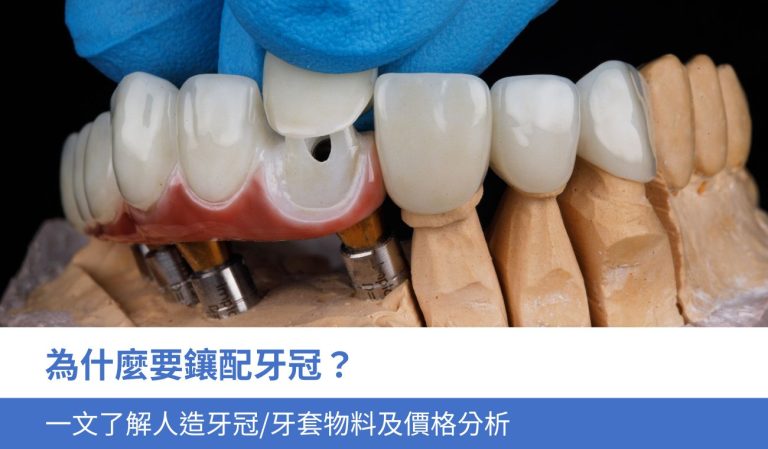
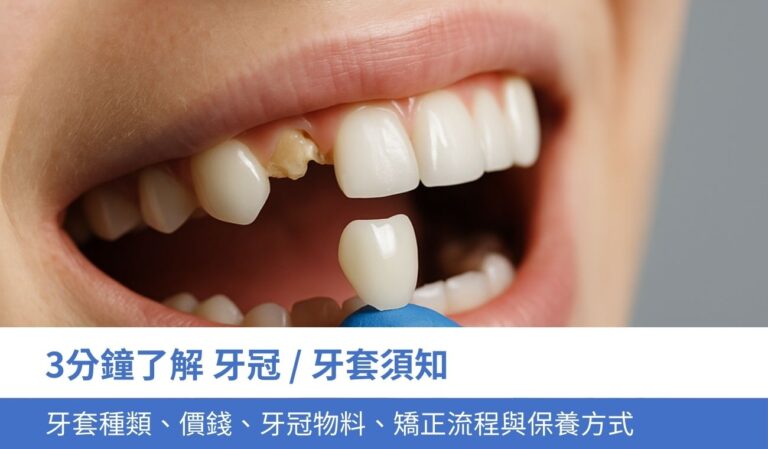
A crown is an artificial tooth cap. It fits over the whole tooth like a helmet to protect a tooth that is decayed, chipped or weakened after root canal treatment, and restores its appearance and bite.

Protect damaged teeth and restore their appearance and bite

A crown is an artificial tooth cap. It fits over the whole tooth like a helmet to protect a tooth that is decayed, chipped or weakened after root canal treatment, and restores its appearance and bite.

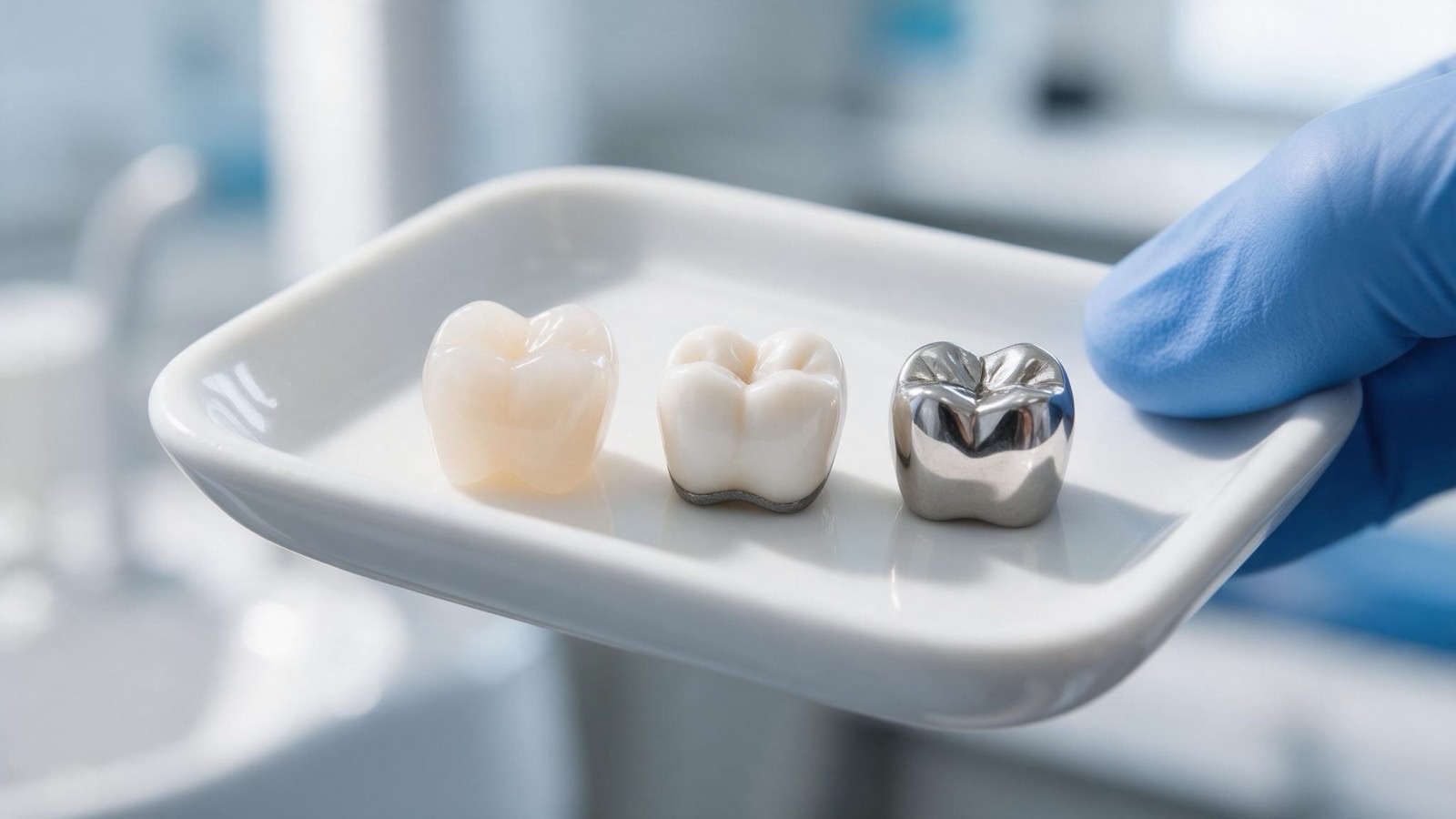
From left: full ceramic crown, porcelain-fused-to-metal crown (metal edge visible at the base), metal crown
Contains no metal. The colour and translucency are close to a natural tooth. Suitable for front and back teeth, and no grey metal line shows at the gum edge.
Metal inside and porcelain outside, balancing strength and appearance. The crown is thicker, so more of the tooth has to be removed, and over time a grey metal line may show at the gum edge.
The most hard-wearing and needs the least tooth to be removed, but the colour is obvious, so it is usually used only on back teeth.
Your dentist will recommend a suitable material based on the tooth's position, your biting force and your needs.
See Dental Fillings.
We examine your teeth and take X-rays to check that the roots and gums are healthy
After local anaesthesia, the tooth is reshaped to leave space for the crown
An impression or intraoral scan is taken and the crown shade is chosen
A temporary crown is fitted to protect the reshaped tooth
Once the crown is made, it is tried on and its shape and bite are adjusted
Once the fit is confirmed, the crown is cemented in place and regular check-ups are arranged

Clean the join between the crown and your natural tooth every day, using floss or an interdental brush
No. The crown on this page is an artificial tooth cap that covers a damaged tooth. The kind used in braces is for moving teeth. See Orthodontics.
Yes. Under local anaesthesia, the dentist reshapes the tooth surface to leave room for the thickness of the crown. The amount removed depends on the material.
Local anaesthesia is used during reshaping, so the procedure is generally painless. You may feel mild soreness once the anaesthesia wears off, which usually improves within a few days.
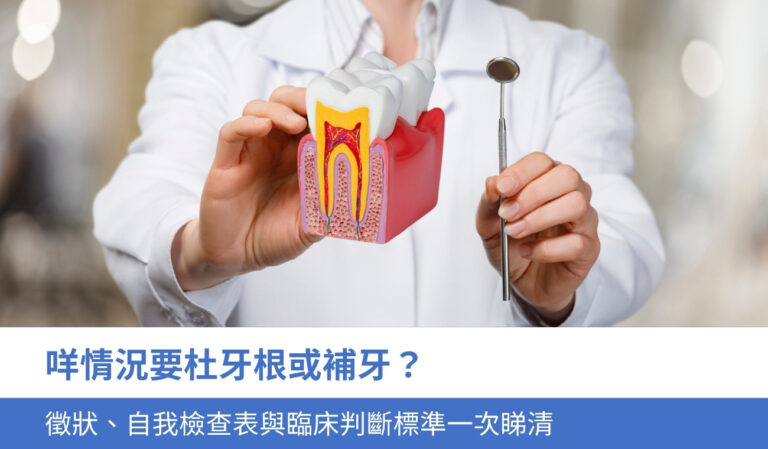
A tooth is more brittle after root canal treatment, especially a back tooth. A crown is generally recommended to reduce the chance of cracking, but the dentist decides based on how much tooth structure is left.
There is no fixed number of years. It depends on your cleaning habits, biting force and the material. With good care and regular check-ups, a crown generally lasts many years.
Keep the crown that came off, avoid chewing on that side, and contact the clinic as soon as possible. Do not glue it back yourself.
The crown itself cannot decay, but the join between the crown and your natural tooth can still decay. Brush and floss every day, and have regular check-ups.

Click a clinic on the map to see its address and how to book.
Flagship Clinic
Branch
Branch
Branch
Branch
With so many types of crowns, how should you choose? What are the different crown materials suitable for…

Braces are a common way to correct tooth alignment and bite problems,…

Article last updated: 2026-07 Decay that has not reached…