

Bleeding after the gauze is removed following an extraction is common. As long as you bite on gauze correctly, apply a cold pack and keep your head raised, the bleeding usually stops within 1 to 3 hours. If the blood clot dislodges or the bleeding lasts more than 24 hours, return for a follow-up visit as soon as possible.
What if the extraction site is still bleeding after the gauze is removed? 3 ways to deal with bleeding after an extraction
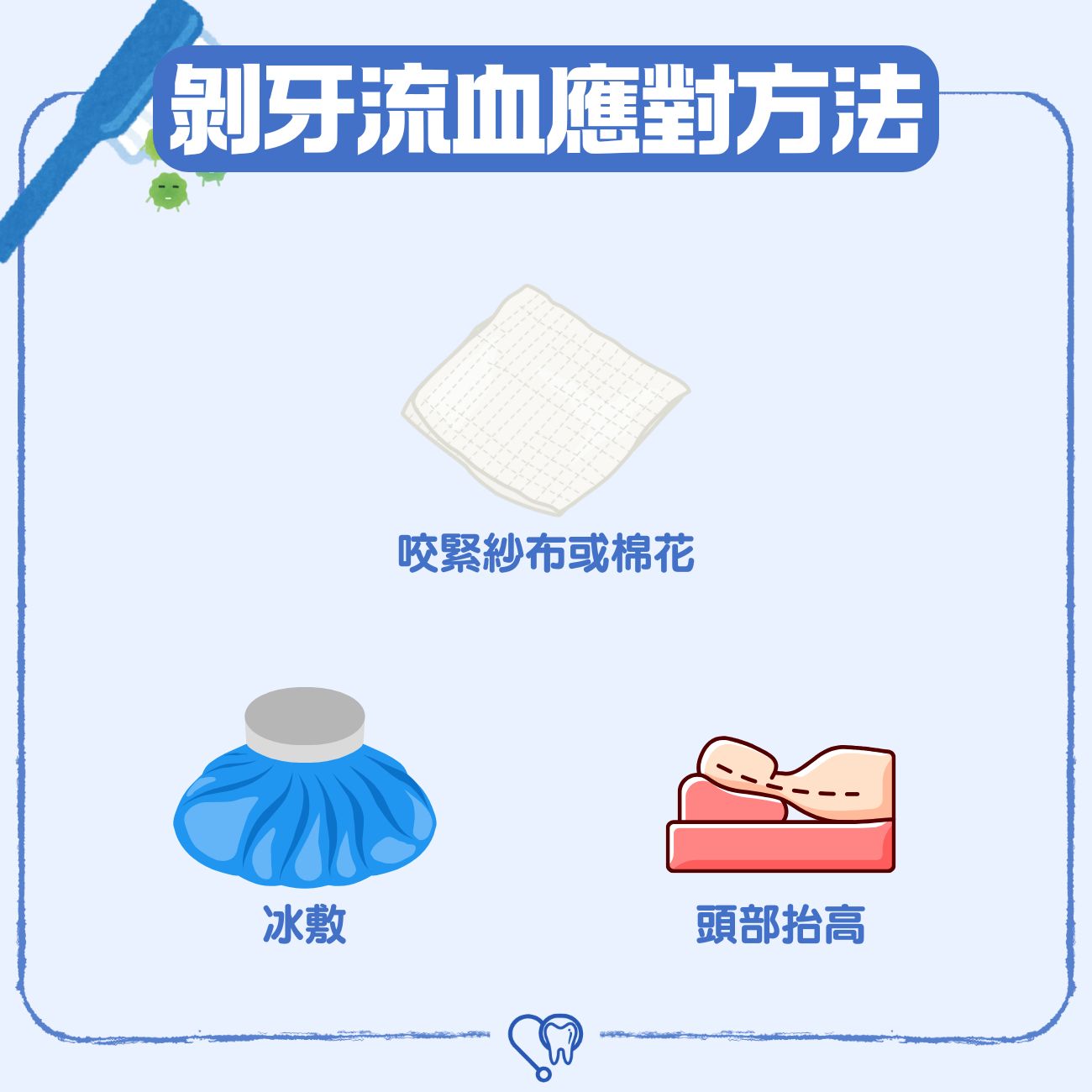
Bite firmly on gauze or cotton
ExtractionAfter the extraction, the dentist will usually place a piece of gauze or cotton on the wound for you to bite on. The purpose of this is to concentrate pressure on the gum and help the blood clot into a protective clot.
It is generally recommended to bite firmly for about 30 to 60 minutes. If there is still oozing after it is removed, you can also put on a fresh, clean piece of gauze and keep biting on it, but do not keep changing it, as this can instead disturb clot formation.
The gauze must be dry to stop bleeding effectively, and wet gauze instead affects clotting. Do not bite too hard either, to avoid irritating the wound and making it bleed again.
cold compress
A cold pack helps the blood vessels contract, achieving the effect of stopping bleeding and reducing swelling. We recommend applying it to the outside of the cheek near the extraction site within 24 hours after the extraction, resting for 10 minutes after every 15 to 20 minutes of icing.
Never put ice cubes directly into your mouth or on the wound, as this will irritate it and may even loosen the blood clot.
Keep your head raised
It is fine to lie down and rest after an extraction, but we recommend propping your head up slightly, which reduces blood flowing back to the head and lowers bleeding and swelling. When sleeping at night you can use an extra pillow to raise your head. With the head raised, blood is less likely to gather at the extraction site, and so naturally it is less likely to bleed.
Why does bleeding continue after an extraction?
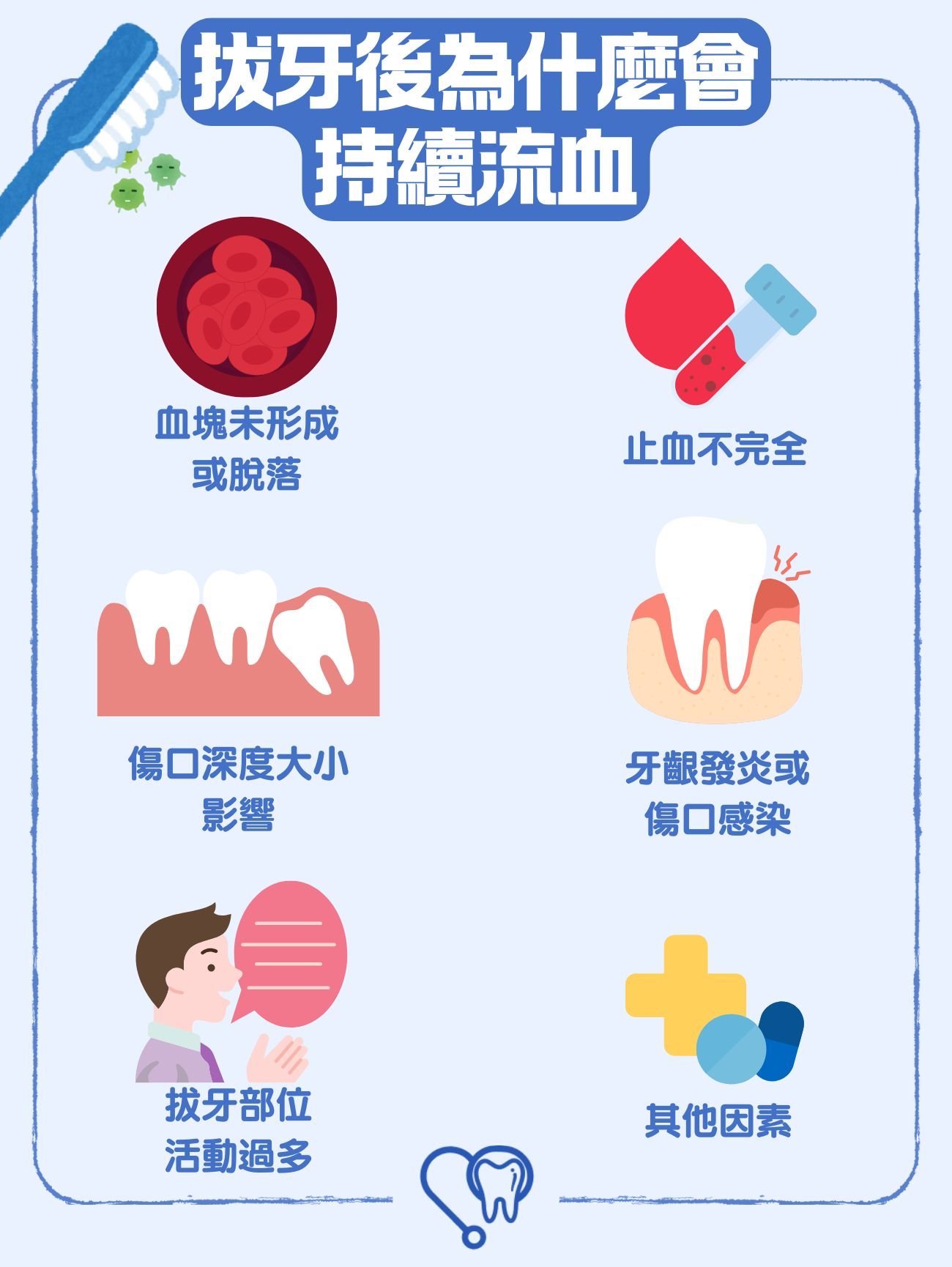
Blood clot not formed or dislodged
The blood clot is the key to the natural stopping of bleeding after an extraction. If you loosen the gauze before the clot has formed, or accidentally let it fall out, the wound will keep bleeding and may even develop dry socket, causing severe pain.
So do not rush to check the wound, do not touch it with your tongue, and do not suck or spit too hard, as all of these can easily loosen the blood clot.
Incomplete haemostasis
Some people may have incomplete stopping of bleeding because they have poorer platelet function, takeanticoagulants, or bleed more during the procedure. In this case, besides stopping the bleeding by pressing with gauze, the dentist also needs to assess whether additional medication is needed to help.
Effect of wound depth and size
If the extraction wound is larger, for example when an impacted wisdom tooth is removed or there is a surgical wound, the bleeding time will be somewhat longer than for an ordinary small extraction. But as long as the amount of bleeding gradually decreases and there is no abnormal pain with it, there is no need to worry too much.
Gum inflammation or wound infection
If the gums were already inflamed, or improper cleaning after the extraction led to infection, the wound may also bleed for longer. In this case, besides stopping the bleeding, you should watch for swelling, fever or a bad smell, and see a doctor promptly if these symptoms appear.
Too much movement of the extraction site
After an extraction, if you keep talking, eat too quickly or touch the extraction area with your tongue, the wound may also open up or the blood clot dislodge, leading to bleeding.
other factors
Taking certain medications (such as aspirin), poor blood clotting in the body or abnormally high blood pressure can also affect the stopping of bleeding.
How long does it taketo stop bleeding after an extraction? Telling normal from abnormal situations
Normal time for bleeding to stop after an extraction
Generally speaking, bleeding should stop within 1 hour after an extraction, and slight oozing during this period is normal. As long as the bleeding gradually decreases or even stops after an hour, good healing has begun.
However, if it was a wisdom tooth that was extracted, or your blood clots slowly, it may take 2-3 hours for the bleeding to stop completely.
Bleeding for more than 24 hours is abnormal, and you need to see a dentist as soon as possible
If there is still obvious bleeding more than 24 hours after the extraction, especially if the amount of blood increases instead of decreasing, with problems such as the clot dislodging, a ruptured blood vessel or a painful, infected wound, contact the dentist immediately, and do not tough it out on your own.
Points to note after an extraction procedure
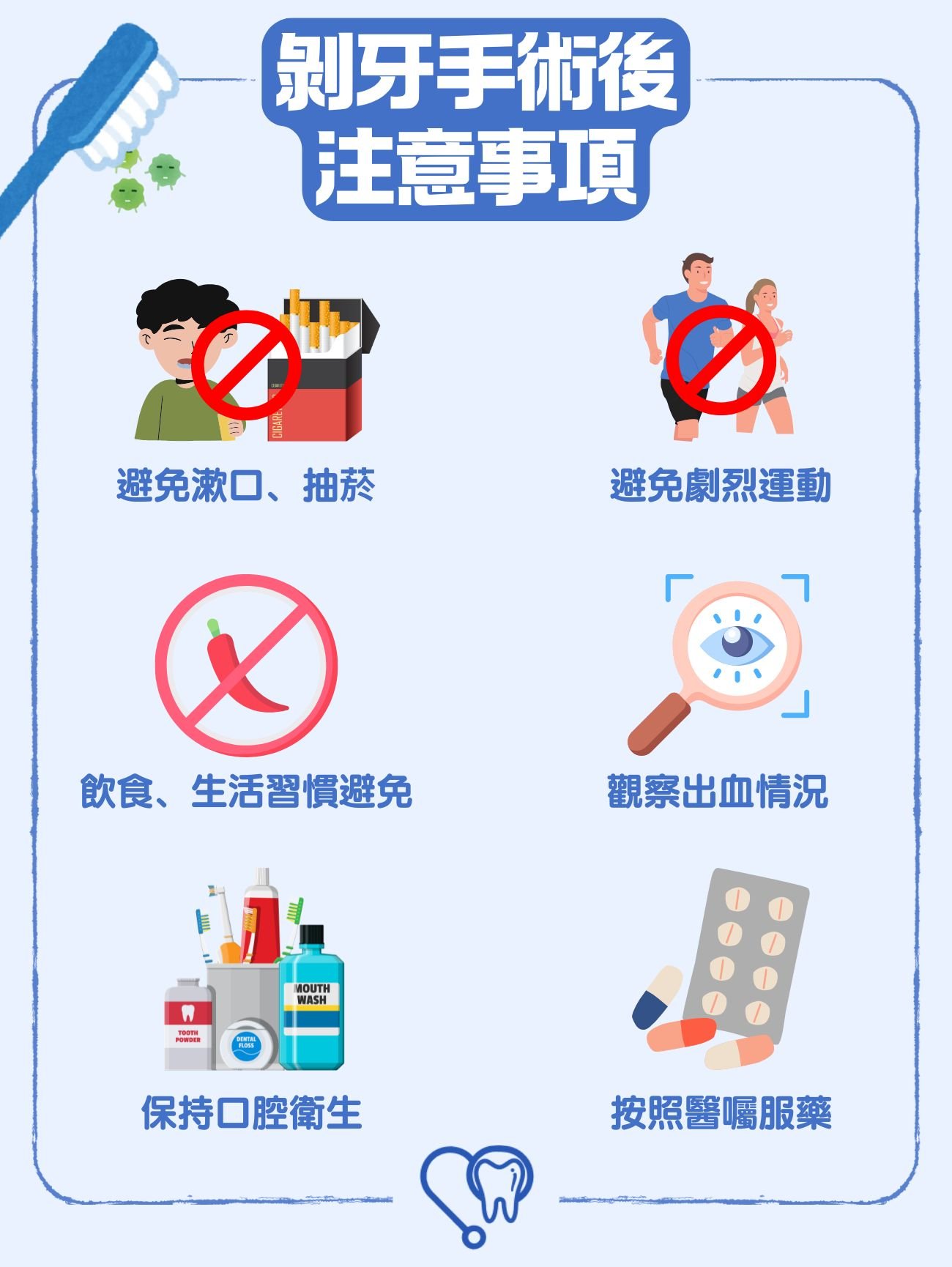
Avoid rinsing and smoking
Many people are used to wanting to "clean up" the mouth after an extraction, but when they rinse, the blood clot is washed away, and the bleeding instead gets worse.
It is generally not recommended to rinse within 24 hours after an extraction, and you should also avoid drinking through a straw, because this can loosen or rupture the blood clot in the wound. Smoking is also a big no, as the substances in smoke constrict the blood vessels, affect wound healing and may also causedry socket, so it is best to give up smoking for at least 3 days.
Avoid strenuous exercise
Exercise speeds up blood circulation. If you do brisk walking, weight training, running or any stimulating activity straight after an extraction, the wound that had stopped bleeding may bleed again. We recommend resting for at least a day or two after an extraction, to give the body enough time to recover, and then gradually return to normal activities.
Avoid irritating food
For the first few days after an extraction, eat less spicy, hot and hard food, do not chew on the side of the extraction, and stick mainly to soft food at room temperature, such as congee, tofu pudding and steamed egg, which are easy to swallow and not irritating.
Avoid blowing your nose hard
Daily habits also need attention. For example, we recommend avoiding talking, laughing or opening the mouth too wide, so as not to pull on the wound.
Also be careful when blowing your nose, as this action can easily squeeze out a blood clot that had already formed, causing secondary bleeding or increasing the risk of the wound opening again. So remember that after an extraction procedure, if you need to blow your nose, it is best to do so gently.
Observe the bleeding
It is normal to see a small amount of blood-tinged fluid on the first day after the procedure, but if you notice that the blood is bright red, there are lots of blood streaks in your saliva all the time, or you wake up to find your mouth full of blood, you should be on the alert.
maintain oral hygiene
Gently wipe near the wound with a cotton bud, and brush the other teeth as normal. Do not rinse for the first 24 hours, and after that you can rinse gently with alcohol-free mouthwash or warm salt water.
Take medication as instructed
If the dentist has prescribed painkillers or antibiotics, remember to take them on time and do not stop on your own. Antibiotics in particular, if stopped halfway, give bacteria a chance to come back, causing infection or slower recovery.
FAQ
Can an extraction cause too much blood loss?
In most cases, no. Dentists carry out a full assessment and prepare for stopping bleeding before an extraction. As long as you follow the instructions and look after yourself well, and the normal clotting mechanism works, the amount of bleeding is in fact very limited and does not cause harm to the body. But if you have a history of abnormal blood clotting, be sure to tell the dentist beforehand.
What should I do if the blood clot dislodges after an extraction?
If the blood clot dislodges, the wound is exposed, which can easily lead to dry socket, a condition with noticeable pain and slow recovery. If you suddenly feel particularly sore in the extraction area, or notice a hollow space, bad breath or other unusual signs, return for a follow-up visit as soon as possible to prevent the wound from getting worse.
How long does a tooth extraction wound take to heal?
The surface of an extraction wound generally heals initially within about 7–10 days, but the deeper bone tissue takes several weeks to 1 month to repair fully. Recovery speed varies from person to person and depends on age, general health and how well the area is cared for after the procedure.
What should I eat to recover faster after wisdom tooth extraction?
For the first few days after wisdom tooth extraction, we suggest mainly mild, non-irritating liquid food, such as congee, yoghurt, tofu soup, steamed egg custard and mashed banana, choices that need little chewing, which help the gums recover well.
Summary
Bleeding after an extraction is something many people experience, but as long as you know the correct way to care for it, most cases stop bleeding smoothly and return to normal. Do not take any abnormal bleeding lightly, and contacting your dentist early is the way to avoid later trouble and keep your mouth healthy.
Disclaimer
This article is for information only and does not contain any invitation or solicitation. Patients should seek a professional dentist for diagnosis and treatment according to their own circumstances. To find out more or book a service, we recommend contacting the relevant clinic directly. Please choose suitable dental services and clinics carefully yourself.



