

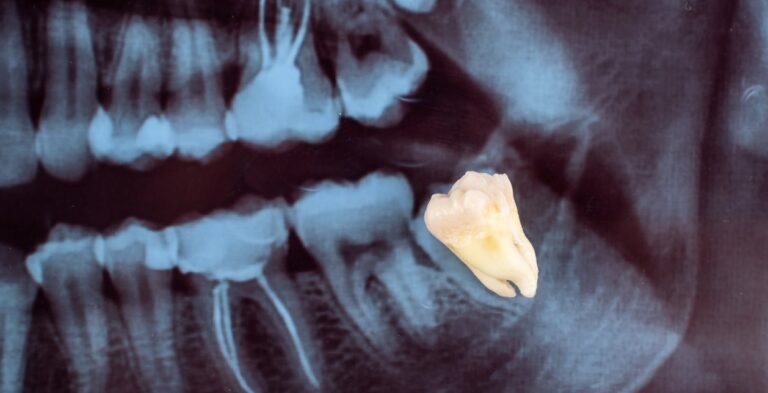
Wisdom Tooth Extraction
Wisdom Teeth RemovalRelieves pain and swelling, protects neighbouring teeth and prevents decay and inflammation
Third MolarsImpacted Wisdom TeethAges 17-25
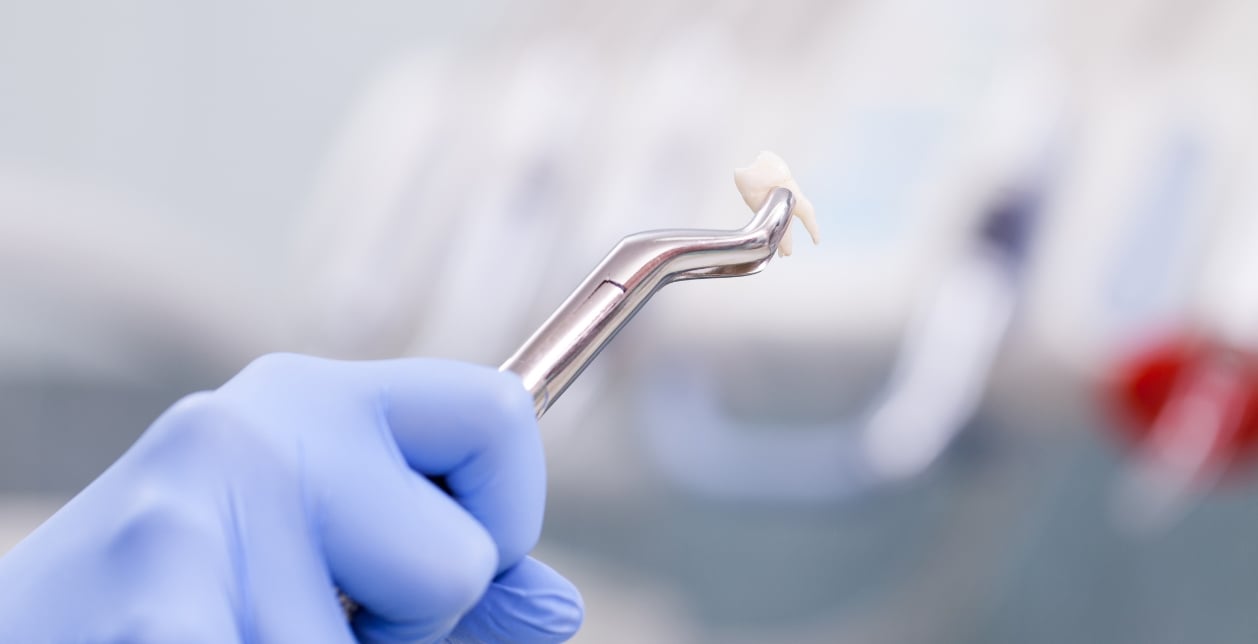
Severe tooth decay, infection and pain: find out whether extraction is needed
Common concerns
When a tooth cannot be saved because of severe decay, a fractured root, periodontal disease or crowding, the dentist may recommend extraction.
Compare with your recent condition

After an extraction, if you wish to restore your original chewing ability and the appearance of your teeth, we will give suitable restoration advice based on your actual situation.
We find out the cause of your toothache and the condition of your teeth, and assess whether an extraction is needed
X-rays confirm the position of the roots, the shape of the tooth and nearby nerves
The extraction method and risks are explained to the patient in detail
The extraction is carried out after local anaesthesia
After the extraction, the wound is stopped from bleeding and aftercare instructions are given
Stitches are removed and the healing of the wound is checked regularly
Tooth ExtractionTooth Extraction
Severe tooth decay, infection and pain: find out whether extraction is needed
When a tooth cannot be saved because of infection, an impacted wisdom tooth, severe decay, a fracture that is too deep or severe looseness.
Depending on your situation, fillings / dentures, a dental bridge or dental implants can be considered, and we will give suitable restoration advice.
Afterwards the wound is stopped from bleeding and aftercare instructions are given to prevent infection and complications, and stitch removal and a check on healing are arranged.
Pain perception varies from person to person. However, before an extraction the dentist will give local anaesthesia to block pain signals, and during the procedure you will basically feel only slight pressure or pulling. After the anaesthetic wears off you will feel some discomfort or pain, but this can usually be controlled with painkillers or a cold compress.
The surface of an extraction wound generally heals initially within about 7–10 days, but the deeper bone tissue takes several weeks to 1 month to repair fully. Recovery speed varies from person to person and depends on age, general health and how well the area is cared for after the procedure.
If the blood clot dislodges, the wound is exposed, which can easily lead to dry socket, a condition with noticeable pain and slow recovery. If you suddenly feel particularly sore in the extraction area, or notice a hollow space, bad breath or other unusual signs, return for a follow-up visit as soon as possible to prevent the wound from getting worse.
If there is still slight oozing after the gauze is removed, you can bite on a fresh piece of gauze for about 30 minutes to help the blood clot. If the bleeding increases instead of easing, or lasts for more than 2 hours, return for a follow-up visit as soon as possible.
You can generally start brushing 24 hours after the extraction, but avoid the extraction wound. For mouthwash, we recommend an alcohol-free type recommended by your dentist. Do not buy irritating products on your own.
Relieves pain and swelling, protects neighbouring teeth and prevents decay and inflammation

Rebuilds your bite and smile, restoring natural confidence
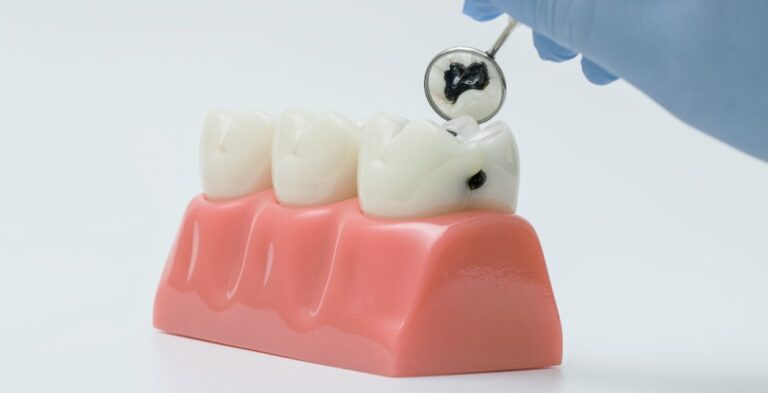
Improves tooth decay pain and damaged teeth
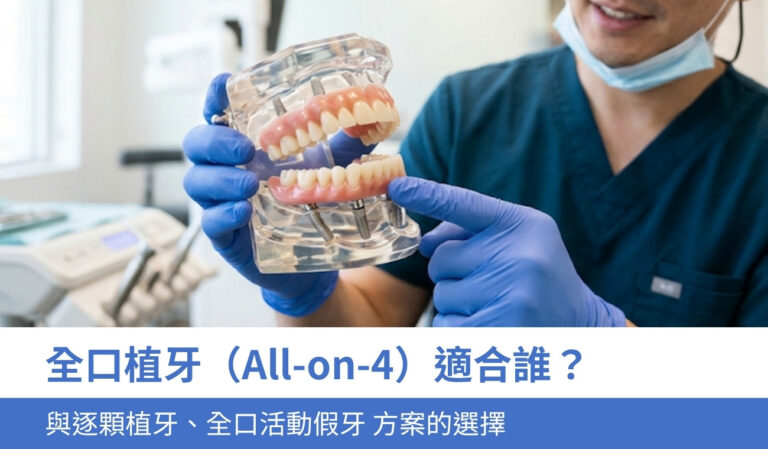
When all or most teeth are missing, the choice between full-arch implants (A…

Having gum disease, diabetes, a smoking habit or insufficient bone usually…

Gum disease and diabetes affect each other, and managing gum health…

Monday–Sunday 10:00 am – 8:00 pm · Open on public holidays
Click a clinic on the map to see its address and how to book.
 Flagship Clinic
 Branches
 Branches
 Branches
 Branches