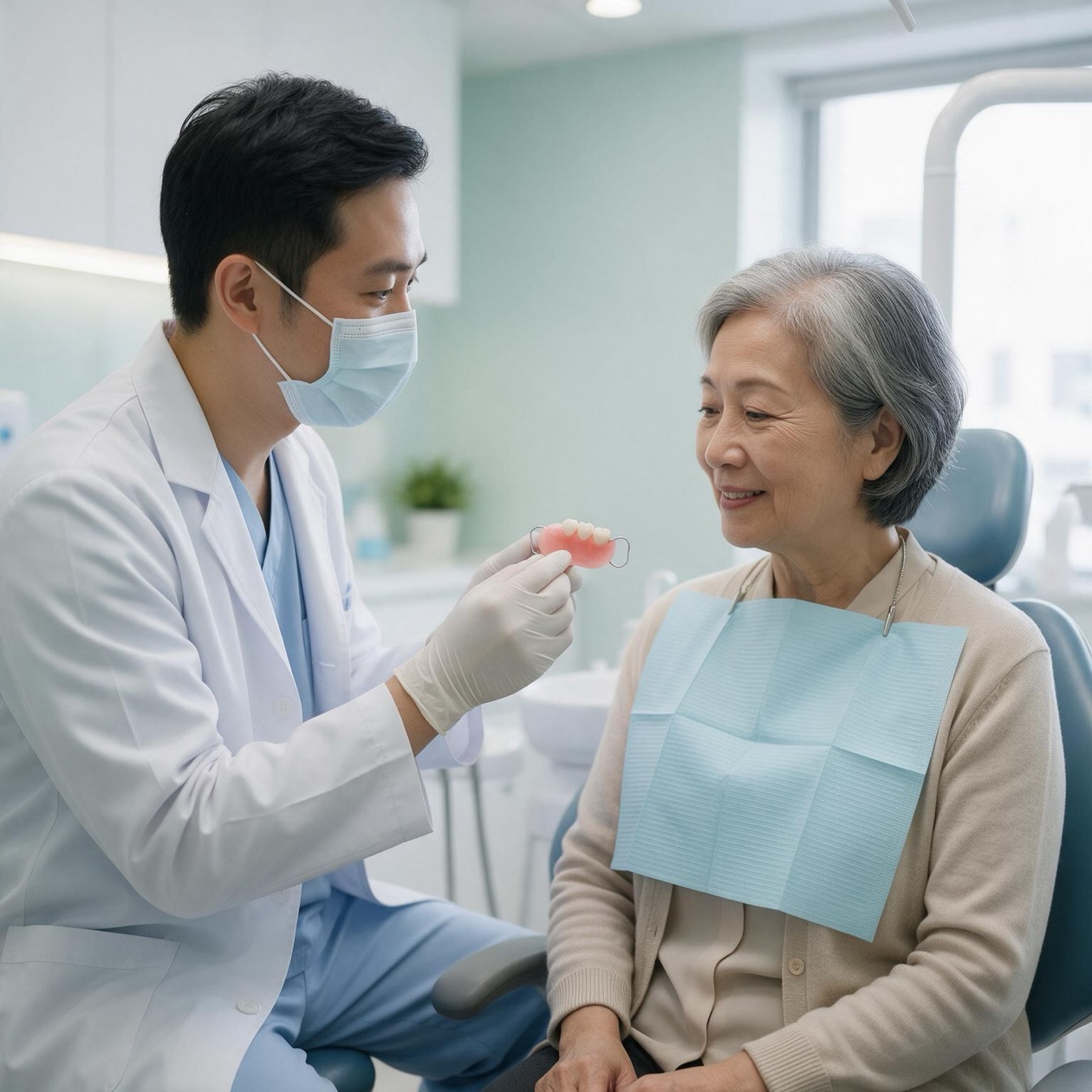
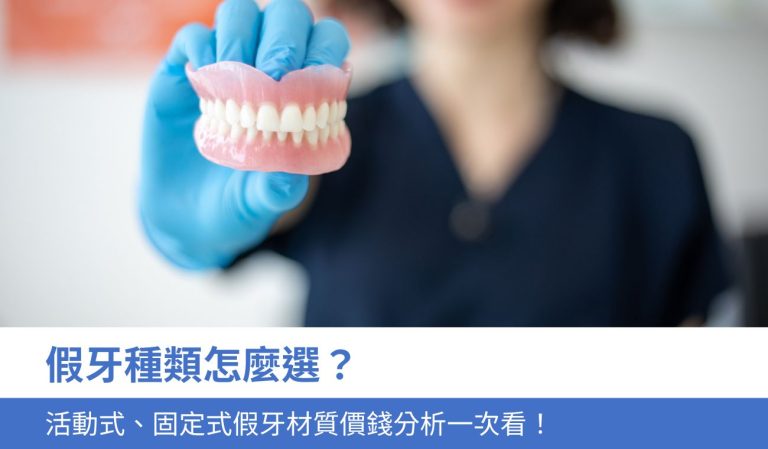
Replace missing teeth and restore chewing and your smile
Why you should replace missing teeth soon
After a tooth is lost, the neighbouring teeth slowly tilt into the gap and the opposing teeth grow longer. Your bite gets worse, and food gets trapped between teeth more easily, which can lead to decay. If you are missing many teeth, chewing and speaking are affected too.
Restores chewing
Stops neighbouring teeth from shifting
Elderly Health Care Voucher Accepted
When to consider dentures or a bridge
In these situations, you can book a consultation about dentures or a bridge
Missing teeth after extractionMissing one or two teeth and want a fixed replacement
Missing several teethA removable denture can replace several teeth at once
Missing all or most teethA complete denture can be considered
Old denture is loose or no longer fitsIf it is loose, sore or does not bite steadily, it needs adjusting or remaking
Not suitable for implants for nowBone volume or general health is not yet suitable for surgery
Removable dentures, bridges and implants compared
removable dentures
You can take it out to clean it, and no tooth grinding or surgery is needed. It can replace several teeth at once. However, it loosens more easily, feels like a foreign object at first, has a weaker bite, and usually needs adjusting or replacing after a few years.
Bridge (fixed denture)
The teeth on either side of the gap act as abutment teeth, and the bridge is fixed in your mouth, so you do not need to take it out every day. Chewing feels better. However, the healthy teeth on both sides have to be ground down, so it suits only one or two missing teeth.
Dental Implants
An artificial tooth root supports the tooth on its own, so the neighbouring teeth do not need to be ground down, and chewing strength is closest to natural teeth. It needs enough bone, and treatment takes longer. See Dental Implants.
The dentist will explain the trade-offs of each option based on the number and position of the missing teeth and the condition of the neighbouring teeth and gums.
Types of removable denture
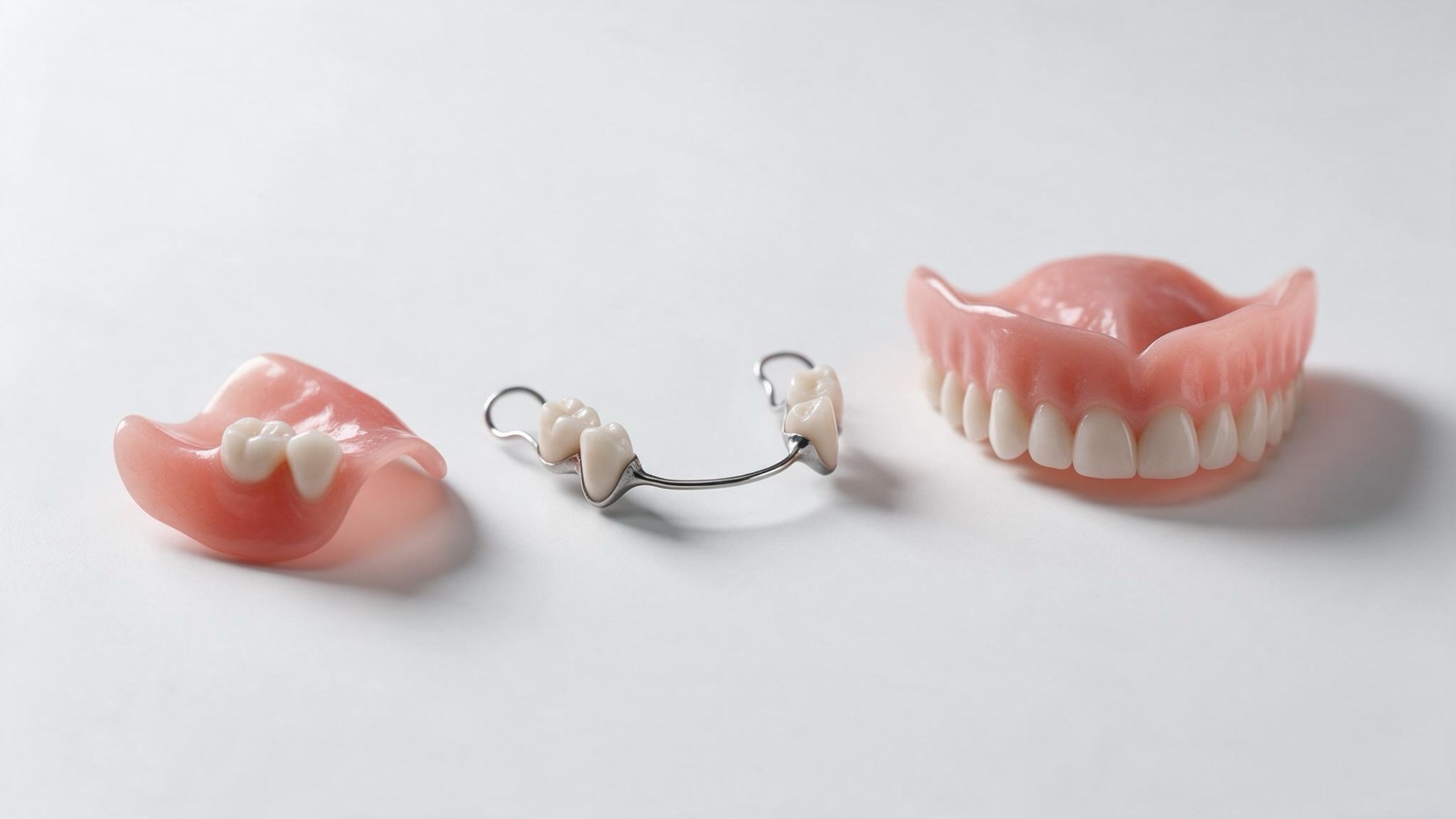
From left: acrylic removable denture, metal framework removable denture, complete denture
Partial removable denture (acrylic): has a resin base, is lighter, and suits short-term or temporary use
Partial removable denture (metal framework): is supported by a metal frame, is thinner and more stable, and suits long-term use
Complete denture: used when all teeth in the upper or lower jaw are missing, and held in place by the gums and suction
Dentures & bridges at a glance
Dental BridgeThe teeth on either side of the gap usually have to be ground down to act as abutment teeth
removable denturesYou can take it out to clean it, and it takes a few weeks to get used to at first
ProcedureUsually a few visits: impressions, try-in and adjustments
Elderly Health Care Voucher Accepted
Dentures & bridges: the 6 steps
01
Examination and assessment
We check the missing-tooth area, the neighbouring teeth and the gums, and take X-rays if needed
02
Explain the options
We explain the differences between removable dentures, bridges and implants, and you choose
03
Impression or scan
Take impressions or an oral scan to record your bite position
04
Try-in
Try in the denture or bridge to confirm the shape, colour and bite
05
Fitting and Adjustment
After fitting, we adjust sore spots or the bite position as needed
06
Follow-up and care
Regular checks of your dentures, bridge and mouth
Caring for dentures and bridges
Clean your denture daily with a soft toothbrush, and soak it in water or cleaning solution at night
removable dentures
Take it out after each meal and rinse it with water, and clean it daily with a soft toothbrush
Take it out before bed and soak it in water or denture cleaning solution. Do not use hot water
Speaking and chewing take time to get used to at first, so start with soft food cut into small pieces
If it feels sore or loose, come back for an adjustment and do not modify it yourself
Dental Bridge
Clean under the bridge with a floss threader or interdental brush
Abutment teeth can still decay, so brush every day and have regular check-ups
Dentures & bridges FAQ
Q
How long after an extraction can I have a tooth replacement?
You usually need to wait for the wound and gums to heal, which takes a few weeks to a few months, depending on the location and method. If the gap affects your appearance in the meantime, you can discuss temporary arrangements with the dentist.
Q
Should I wear a removable denture to sleep?
It is usually recommended to take it out before bed to let your gums rest, and keep it moist by soaking it in water or cleaning solution.
Q
How long does it take to get used to a removable denture?
It feels like a foreign object at first, and you need to practise speaking and chewing. It usually takes a few weeks to adjust. If any spot is sore, you can come back for an adjustment.
Q
Does a bridge damage the neighbouring teeth?
A bridge requires grinding down the teeth on both sides to act as abutment teeth, and this cannot be reversed. As long as you clean under the bridge every day and have regular check-ups, the abutment teeth can usually stay healthy.
Q
How long do dentures and bridges last?
A removable denture usually needs adjusting or replacing after about 3 to 5 years, because your gums change slowly over time. A well-maintained bridge usually lasts about 10 to 15 years.
Q
How do I choose between a bridge and an implant?
A bridge is more suitable when only one or two teeth are missing and the neighbouring teeth already need crowns. If the neighbouring teeth are very healthy and there is enough bone, an implant avoids grinding down the neighbouring teeth. See Dental Implants.
Find Us
Fillings can be booked at all 5 clinics
Click a clinic on the map to see its address and how to book.